

These 5 Engines Made By Big-Name Brands Are Having Major Issues In 2026
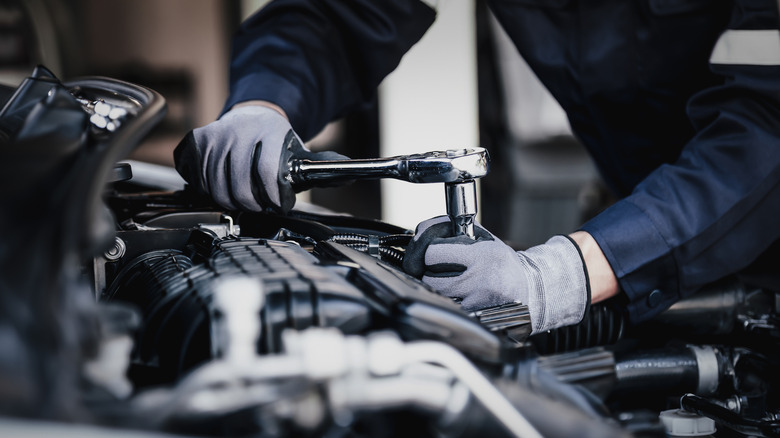
There might be a general sense out there that modern cars are longer-lasting and less trouble-prone than older ones, and for many models, and by many standards, that may be true. This doesn't, however, mean that new cars are without issues — and those issues can be big or small. With the increased use of software, sensors, and other tech-heavy features in modern vehicles, even minor glitches and hiccups can easily cause problems — with things like backup camera issues regularly leading to extensive vehicle recalls in the modern era.
The good news is that while annoying, a lot of those issues can be fixed quickly and easily, sometimes at home via over-the-air updates or with a trip to the dealer for a software refresh or a quick component replacement. Some modern vehicle problems, though, are much more troublesome.
Nobody wants to deal with engine problems, and at the moment several major auto brands are facing notable engine issues on some of their most popular models. Some of these problems have necessitated complete engine replacements and have caused not just major vehicle recalls but class action lawsuits as well. Below, we've rounded up some of the bigger ongoing engine issues that automakers are dealing with in 2026.
1. Honda 1.5 turbo
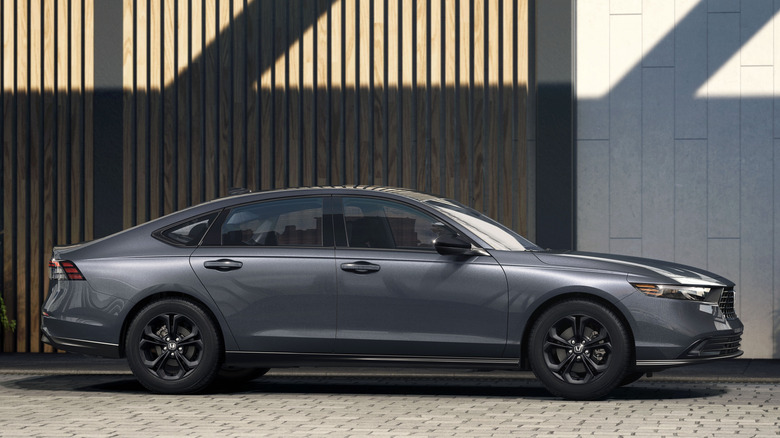
Honda generally enjoys a strong reputation for reliability, but there are still some Honda engines buyers might want to steer clear of. One of those engines is the company's 1.5-liter turbocharged four-cylinder engine. The Honda 1.5-liter turbo has been around for a while now and powers some of Honda's best-selling models, including the Civic, Accord, and CR-V.
Unfortunately, this engine's issues have also been known for a while — namely, oil dilution and head gasket failures. A blown head gasket is not a cheap or quick repair, and while Honda hasn't issued a factory recall for these problems, ongoing 1.5-liter turbo issues have continued to plague the company, including class action lawsuits.
The good news for new car buyers, at least, is that in 2026, the 1.5 turbo has become an increasingly small and outdated part of Honda's engine lineup, as the Civic, Accord, and CR-V are all available with Honda's newer 2.0-liter hybrid four-cylinder. Opting for the hybrid versions of these cars will cost a little more up front, but it's probably the wiser choice. Not only will the hybrid models avoid the potential issues of the 1.5 turbo, but they also deliver significantly improved fuel economy and performance compared to the non-hybrid engine.
2. Nissan 1.5-liter VC turbo
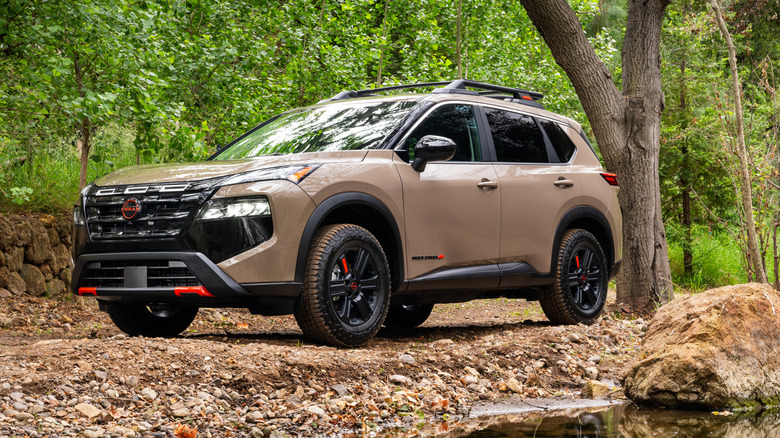
Things overall have not been great for Nissan recently, as the Japanese automaker works to dig its way out of financial turmoil at the corporate level; down on the ground, things aren't much better. The company's innovative yet often troublesome variable compression engines have been a major culprit behind recalls and owner complaints, plagued by issues for a few years now.
In 2026, the Nissan 1.5-liter three-cylinder turbo VC motor has proven especially problematic, with the company recalling over 600,000 Rogue SUVs for potentially catastrophic engine problems. If fortunate, some of the affected engines will only need a throttle body replacement. More serious is the ongoing problem of VC engine bearing failures, which, if found during inspection, require a complete engine replacement. Along with the popular Rogue, these VC turbo engine issues have also affected models like the Nissan Altima, as well as some of Infiniti's small SUVs.
With more car companies using turbochargers and other tricks to squeeze added power and fuel efficiency from small-displacement engines, it seems almost inevitable that problems like this will happen more — particularly when compared to the larger and simpler, if less efficient, naturally aspirated engines that used to be the norm.
3. General Motors 6.2L V8
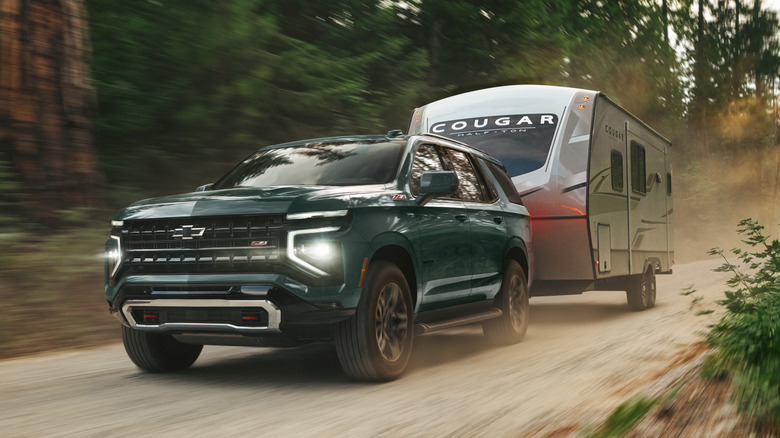
Given their increased heat and complexity, it's not surprising that most engines experiencing major issues are the smaller, turbocharged variety. It turns out, though, that the simpler, naturally aspirated American V8 is not without its own problems. Specifically, we're talking about problems with the General Motors 6.2-liter V8, which powers popular models like the best-selling Chevy Silverado and GMC Sierra pickups, as well as the Chevy Tahoe, GMC Yukon, and Cadillac Escalade SUVs.
Problems caused by defective internal components in the L87 6.2 V8 have thus far led to the recall of over 700,000 trucks and SUVs, not to mention ongoing class-action lawsuits from owners. GM says a possible solution is to change the recommended oil viscosity. However, questions remain about its effectiveness, and it hasn't provided L87 owners with any real peace of mind. Even if the solution helps protect the engines, concerns have been raised about a possible decrease in fuel economy from the switch.
In early 2026, an NHTSA investigation was launched into the 6.2 engine failures and the band-aid fixes GM has recommended. There's no doubt that both General Motors and potential truck and SUV buyers are hoping that the 6.2's issues will be left in the past with the move to new, larger V8 engines on next-generation truck models.
4. Jeep 2.0L turbo hybrid (4xe)
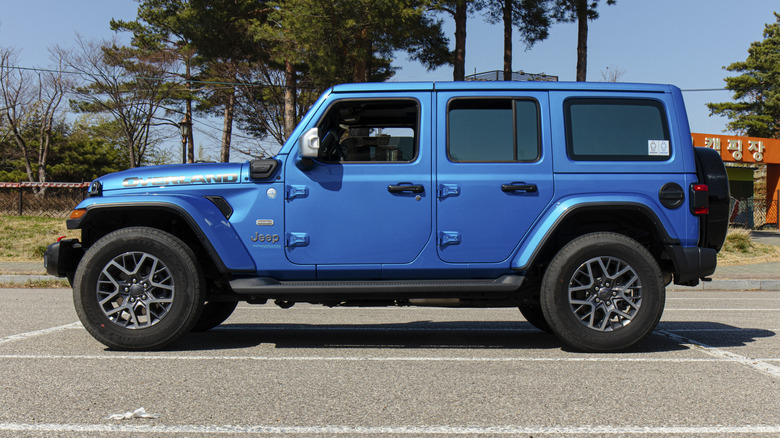
Want to know how fast things can change in the auto industry? Back in 2021, the new Jeep Wrangler and Grand Cherokee 4xe models, which use a 2.0-liter turbocharged four-cylinder engine combined with plug-in hybrid electric power, were portrayed as the future of the Jeep brand — and would be sold as part of a growing lineup of hybrid and fully electric Jeep SUVs.
Just five years later, Jeep has discontinued its 4xe models completely. This was partly done in response to a shifting market and regulatory environment, which has seen automakers draw back from electrification across the board, but that likely wasn't the only reason for the 4xe's demise. The 4xe powertrain has also been plagued by mechanical and electrical issues, which surely haven't helped its case for sticking around. Among other things, 4xes had already been recalled for potential battery fire issues– and then there was another recall for possible casting sand that may have been left inside the 4xe's 2.0 turbo engine, with over 100,000 vehicles affected.
If sand is inside the engine, it could lead not just to total engine failure but also to a fire risk — something that has become all too familiar for 4xe owners. One can only imagine the costs Jeep and Stellantis incurred during the 4xe experiment, so it's not surprising that the company is ready to move on from this era — even as mechanical problems linger.
5. Toyota 3.4L twin-turbo V6
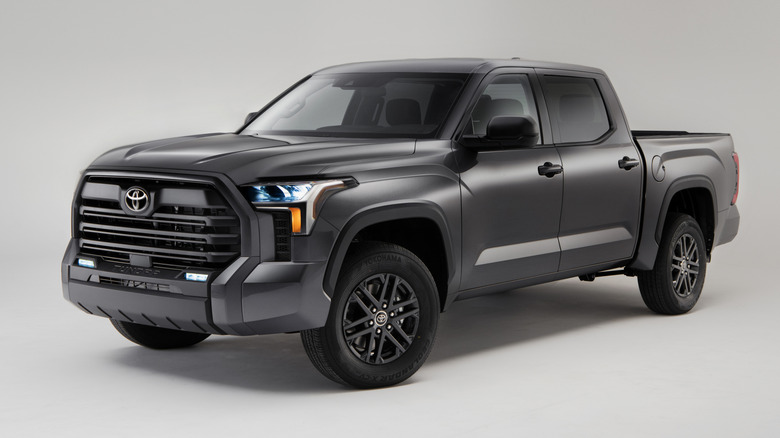
Traditionally, when one bought a new Toyota pickup truck, a reputation for reliability was one of the big selling points. Even if the truck lagged behind competitors in other categories, the hope was that a bulletproof, trouble-free engine would pay dividends over the long run. So far, though, that hasn't been the case with the company's latest full-size pickups and SUVs.
The 3.4-liter twin-turbocharged V6 engine that powers the Toyota Tundra pickup and Toyota Sequoia SUV has suffered significant problems since its debut for the 2022 model year — and they continue to put a dent in Toyota's generally excellent reputation. As of 2026, ongoing, potentially catastrophic engine-bearing problems have prompted Toyota to recall over 250,000 trucks, and even with the company's efforts to remedy the issue, Tundra owners remain unhappy with the situation.
Even worse, though Toyota has updated the design, the new engines being built today still aren't completely immune to the defect. While there's no doubt about the on-paper performance and fuel economy improvements of the new twin-turbo engine over its predecessors, the issues the new Tundra has had will probably keep some owners sticking with their older V8 models for a while longer.
How we listed these engines
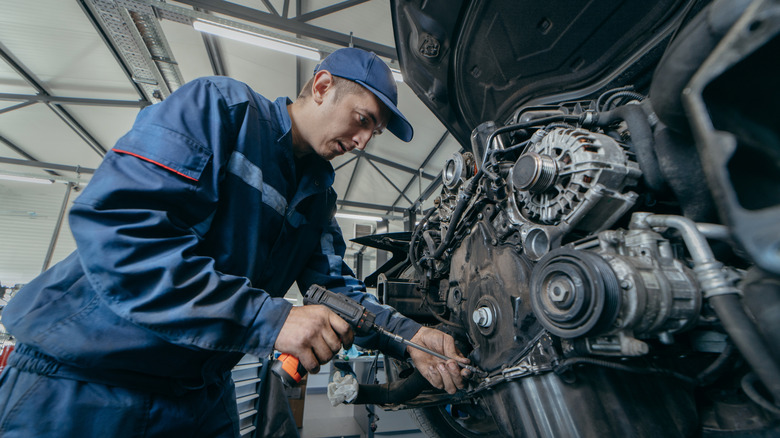
The engines on this list were chosen because of ongoing recalls, owner complaints, class-action lawsuits, and government investigations over the last 12 months. To narrow it down to these specific choices, we chose popular vehicles from major brands that have been subject to large and ongoing recalls over the last year — including ones with issues not yet fully resolved. While manufacturer recalls are very common on modern vehicles, these engine issues require more than a quick fix and, if left unaddressed, have been shown to cause complete engine failures, often in newer vehicles with low mileage.