

5 Common Problems With Robotic Lawn Mowers

The robotic lawn mower is a time-saving, tech-infused gadget for handymen and home improvers. Taking the need to mow the lawn on a regular basis off your to-do list can free up plenty of weekend time for other jobs around the house, or create more downtime to spend with loved ones. A robotic lawn mower still needs some support and upkeep, like sharpening its mower blades on occasion. But the bulk of the work out in the yard is taken care of after you successfully integrate a robotic alternative into the fabric of your property.
Yet, robot mowers sometimes come with their own slate of problem areas that owners must contend with; these issues are improving with new releases, but some limitations are largely unavoidable. It's important to note that outsourcing this work to a robot can leave some feeling unfulfilled.
For some people, the ritual of mowing the lawn is satisfying, and taking the job off your plate can, perhaps surprisingly, leave one yearning for a task that had previously felt like a boring chore. Absence can make the heart grow fonder, after all. You'll also need to edge and hit tricky corners yourself, since mowers of any variant can't accomplish these finishing details, so there will still be some work to do out in the yard. Owners also frequently complain about their mower getting lost in the yard or stuck on rocks, branches, or bushes. We discuss these issues and more.
The wire installation and separate zone coverage
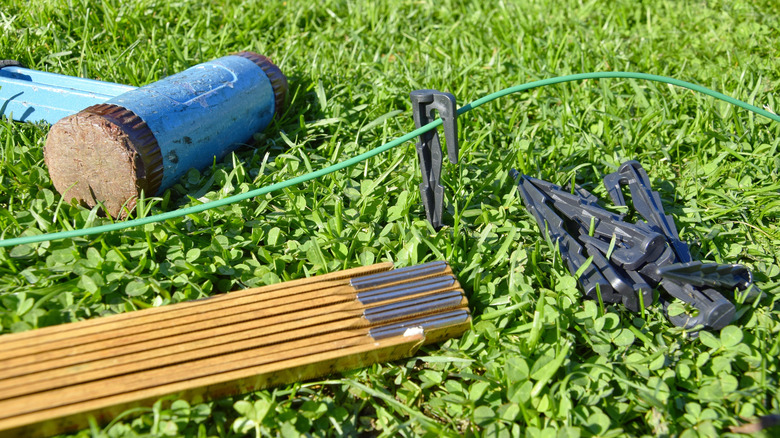
The typical robotic lawn mower from the store requires guide wire installation that will span the perimeter of your yard. This acts to create a sort of fence for the mower, keeping it from straying beyond your home. Many new owners will immediately notice a problem with this model of guidance when they open up the package and start thinking about how to set their cutting zones. Some properties include small tracts of yard area that connect to the main lawn as an offshoot. Many suburban homes feature a driveway that separates the lawn into two disconnected zones.
Most robotic lawn mowers are incapable of traversing this disconnected space, although modern options have conquered both issues. One option to get around the trouble is to pick up the tool and move it to the other side of your driveway to handle the remainder of the cut, but the need to intervene at all defeats the purpose of this automated tool. Moreover, that's assuming your mower has the ability to handle two different zones, which isn't a guarantee. It's also important to note that installing the wire can be time-consuming and particularly difficult for some users looking to automate this process. These issues can create an immediate barrier to entry that might just be insurmountable.
Pets can be a major problem for robotic mowers (in more ways than one)

Robotic mowers are designed to identify and avoid obstacles. This can include things like rocks or tree roots that have burst through the ground. But it also means people standing in the yard or their pets. The sensors on these tools aren't always great, and if you opt for an inexpensive model, you should be prepared for the tool to require 'saving' on a regular basis, according to numerous complaints from users online.
There's another issue to be wary of for dog owners, however. Dog poop* in the yard can end up spread everywhere if your robotic mower runs it over. Mowers can track it on their wheels or blast it around the yard if their cutting blades roll over the deposit. If you have a dog that regularly relieves itself in your yard, diligently combing the area is essential. The dog poop issue is one my father-in-law has had specifically with his, so this also comes from personal knowledge.
Robotic mowers don't (generally) follow the same patterned flow as human operators
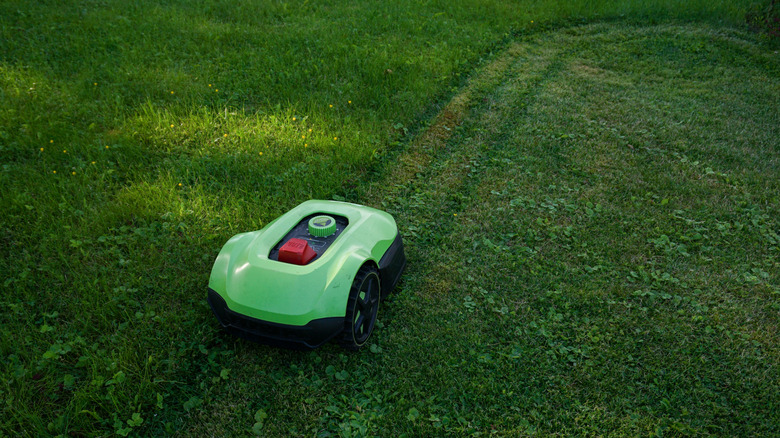
Expensive robotic mowers can operate in a few different cutting modes, including the classic out-and-back pattern that human operators tend to follow. But the standard robot mower isn't capable of performing this function. Instead, they tend to mosey around the yard in a relatively random pattern. This isn't a particularly significant problem in most instances, but if you live in an area where the weather changes frequently and unexpectedly, you may end up with a lawn that features an odd patchwork of interspersed cut segments and longer bits when rainstorms blow over and frequently limit the mower's ability to continue performing its duties.
The inability to produce a consistent cut pattern largely comes down to aesthetics. A mower's path through the grass creates the classic stripes of a freshly mowed lawn in the same way a vacuum pulls carpet fibers one way or the other. From baseball diamonds to your own front lawn, the time-honored tradition of cutting a pattern into your lawn, not just chopping the grass, is a part of the experience, and that's lost with most robotic mowers. On the other hand, if you want one that can perform this function, you'll likely be shelling out a whole lot more money for the privilege, which is a completely different hang-up to consider.
The contours of your yard and tree canopy may be too much to handle
The more you pay for a robotic lawn mower, the better you can expect it to handle GPS location tasks and the navigation that comes as a result. This is a generality, of course, but the upshot of this price-to-functionality relationship is that standard models will often have a little more trouble navigating in remote areas or under obstructions like thick tree canopies.
If a portion of your lawn features dense tree cover, your mower may have trouble finding and effectively cutting this part of the yard. That can be a real pain for someone trying to automate their mowing tasks, leading to a decision over substantial tree trimming or other landscaping changes versus giving in and mowing this part of the lawn personally.
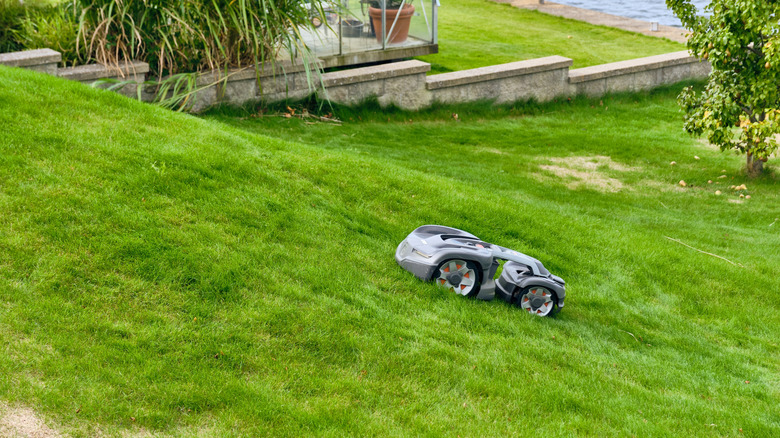
Cheaper models may also end up having more trouble with hills and slopes. If your mower features small wheels or limited driving power, it might not have the juice required to effectively traverse more intense grades in a complex lawn. This can result in two separate potential problem areas. In the worst case, your mower may not be able to access certain areas entirely. However, the more likely scenario is that the robot slows down as it climbs steep elements of the yard, cutting into the grass a little more viciously or at a strange angle as it struggles to handle the ramp. Uneven terrain can lead to uneven cuts, which might look worse than you would like and may even be troublesome for your lawn's health.
They don't completely eliminate the need to mow yourself
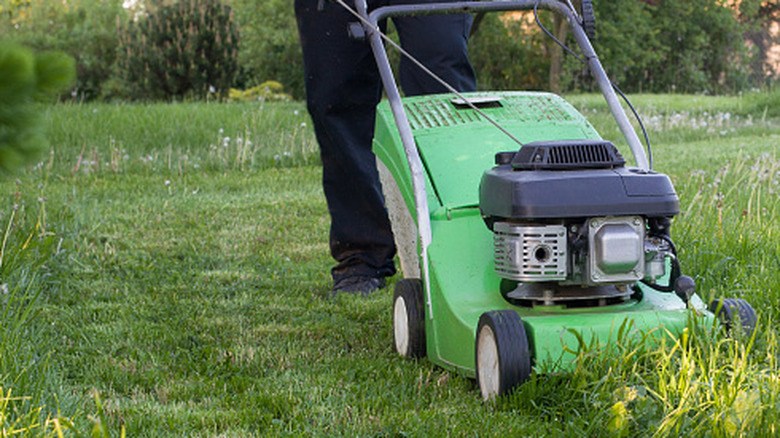
For most users, the biggest problem is that robot mowers cannot do all of the tasks that a full mowing requires. Failing to understand this reality is one of the biggest mistakes you can make with a smart mower. Even if you experience no coverage issues, it cannot perform edging tasks or handle tight areas around things like mailboxes or raised garden beds. This isn't a feature specific to robotic lawnmowers, as these finishing touches also fall outside the purview of standard mowers.
It's also important to note that robotic mowers generally aren't rated for use during the colder winter months. This isn't necessarily a problem, considering that you won't likely be mowing year-round. However, when the weather starts to warm and landscaping tasks join your schedule, your robotic mower probably isn't ready to come out of its hibernation just yet.
This tool isn't particularly well-suited to handling overgrown lawns, which is how many lawns are found before the first cut of spring. Wet, dense, and unruly, grass in this state should be trimmed gradually (a mistake that lots of people make with their standard mower). At least for a while, you'll still need to mow manually. Consequently, some of the most demanding cuts of the season fall back to you personally.