

4 Driving Skills A Manual Car Teaches You That An Automatic Won't
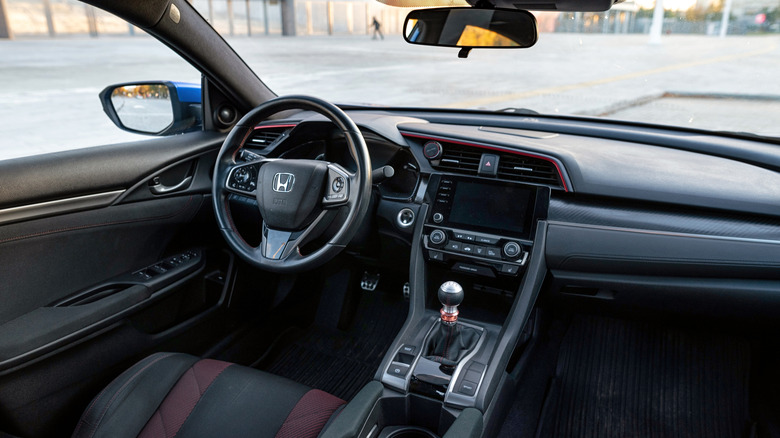
Learning to drive a manual transmission may have been a rite of passage for older generations, but not everyone is familiar with driving a stick. Manuals, which are called stick shifts in the U.S., are not the most common option on modern family vehicles or on vehicles often earmarked for new drivers. Some modern cars still have manual options, but there just might be a benefit to driving an older-model stick shift. Case in point? Some affordable manual pickups are still on the market today.
True, it might not be a beginner driver's idea of a good time, but driving a manual car teaches you some unique skills. Mastering a smooth clutch release — while holding and then carefully releasing the parking brake — on a steep incline definitely built character in my teen years. I also picked up some other driving habits that I never would have thought about while driving an automatic transmission, and if your first car was a manual, you might relate.
How your car works
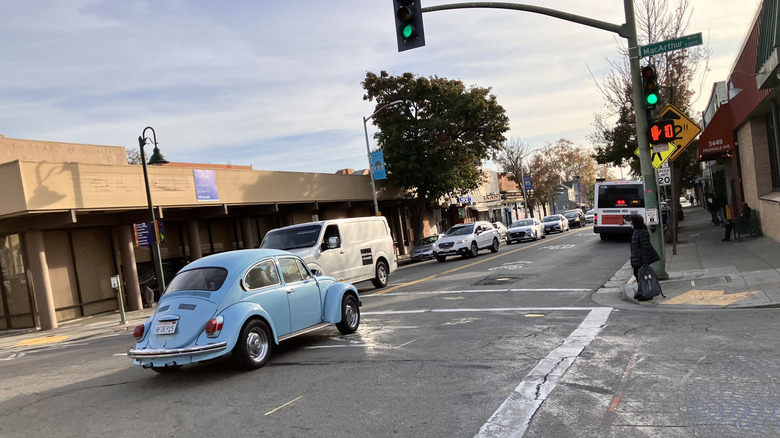
Before I started driving a manual transmission car, I had some off-road practice in my family's minivan. It was an automatic, and all I knew was that I got behind the wheel, put it in drive, and hit the gas. When it came time for me to get my first car, I agreed it would be cool to drive an older Volkswagen. Though I was nervous about the learning curve, I eventually mastered it — but only after learning a lot more about how my car worked than I would have anticipated.
My very first lesson was how the engine and transmission worked together. The newly revamped gearshift in my 1972 Volkswagen Super Beetle was too loose, meaning that when I tried to downshift into first gear, it sometimes slid into third instead. In short order, I both memorized the shift pattern and learned to "feel" what my car was doing.
On the winding roads of my small town, I learned to feel which gear my car needed to be in for the best performance. Being able to physically feel and listen for changes is something I never would have needed to do in an automatic, and it made me more aware of what was happening in my car, even if I still had to call my mechanic to do the actual repairs.
Better vehicle control
As a new driver, I didn't think much about vehicle control. Hands on the wheel at ten and two was the only thing that was really taught, besides keeping my eyes on the road. But as I became more familiar with my manual VW, I learned that driving is about more than just alternating between the gas and the brakes. It helped that I had family members who also drove manuals and shared their anecdotes — like the brakes going out and having to downshift into a rolling stop at an intersection to avoid an accident.
Knowing that you can slow your vehicle down or come to a stop without functioning brakes is reassuring, especially for a new driver who worries about everything. Avoiding the pattern of high speed and slamming on the brakes also supports fuel efficiency, and anyone who's downshifted as traffic slows, stops, and restarts will understand this facet of vehicle control.
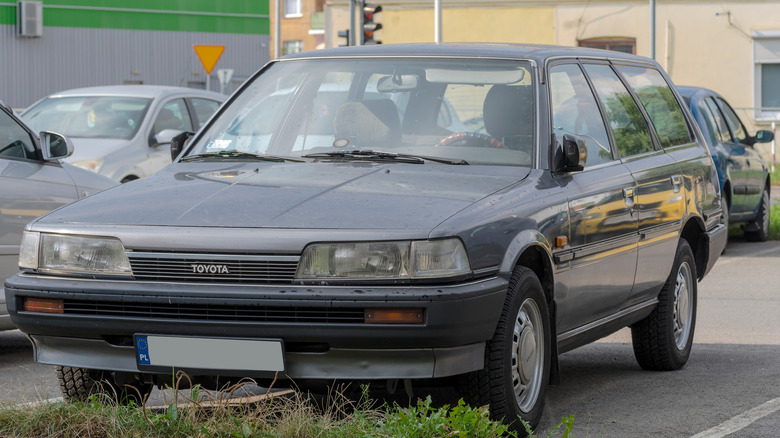
Exactly how much control you have depends on the vehicle, of course, and how many gears you have. My VW had four, while the 1990 Toyota Camry I inherited had five, so I had to memorize the shift patterns and timing for both. As for automatics, the manual mode in automatics gives drivers a glimpse of how much control they have when they take over the responsibility of shifting, but it's not quite the same as the real thing, in my opinion.
Anticipating traffic changes
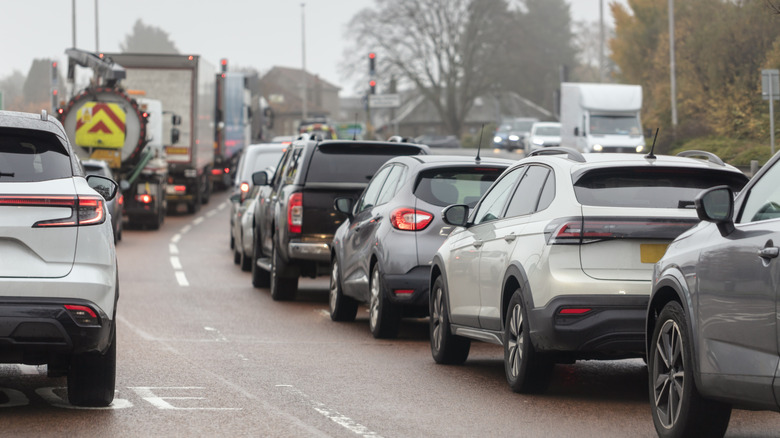
In an automatic, you stop and go as needed, but with a manual, you need to be ready to shift at any time. It turns out that attention to detail also means you're paying more attention to the traffic around you and anticipating what will happen next. Obviously, it's a good thing to pay attention to what's happening around you, but I've always felt like driving a manual keeps you more in tune with the road.
With careful attention in traffic, you can downshift to match the flow of cars around you. Keeping pace is a good way to maintain distance, which is a good way to increase fuel efficiency. I was also taught to avoid shifting into neutral or holding the clutch in while slowing down. It makes sense to always be ready to accelerate, which requires you to match your RPMs to the right gear.
The few times I've been behind someone who clearly killed the engine by shifting into the wrong gear, it was when traffic moved from a stop. Sure, it can be tough to master releasing the clutch at the same time you're applying the gas, but it's harder to shift properly when you're hovering in neutral or holding the clutch in the whole time you're slowing down.
True driving focus
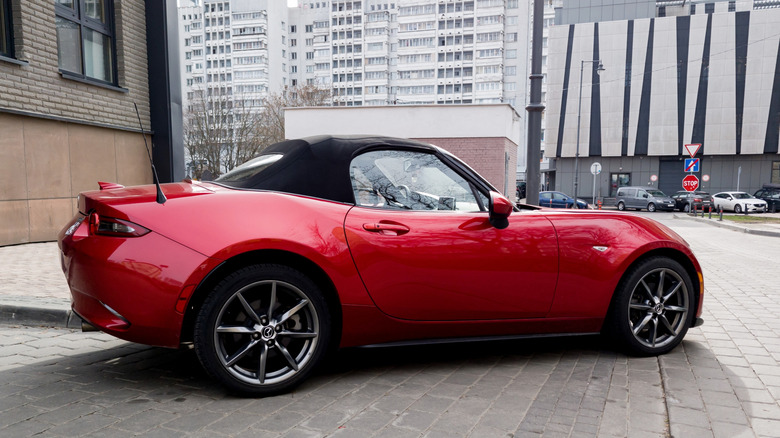
Have you ever wondered why manual transmissions are the default in multiple countries? It could be for a few different reasons, including fuel efficiency, but I like to think they're encouraged in places where driving is more challenging to begin with. Stop and go congestion, pedestrian traffic, bicycles on the roadway, and narrow streets are all reasons to pay closer attention while driving, and a manual forces you to pay attention.
You're also pretty unlikely to forget how fast you're going in a manual, at least at lower speeds that fall within a set gear range. Even if you do have a bit of a lead foot, a manual can make navigating city streets and stop-and-go scenarios feel more intuitive.
Back when I started driving, beginning with a manual transmission wasn't a very big deal, and it was pretty common. A friend whose truck I once moved even had an indicator to tell you when to shift. While my older-model cars didn't have that feature, I'm glad they didn't, because I learned so much without it. These days, if you're looking for a manual vehicle for a new driver, a Mazda might be the best new car to learn stick on. Then again, plenty of older models are still on the road and in the classifieds, and there's nothing wrong with driving a veritable antique, as long as it actually drives.