

5 Tools You May Need To Replace More Often Than You Think
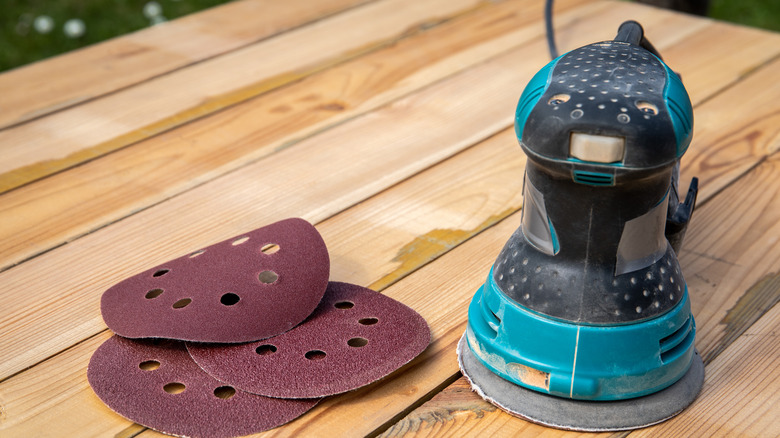
Investing in the right tools can mean they hold up after years of regular use and even get passed down to your kids. Lots of tool brands are known for their durability and good resale value, like Snap-On, Delta, and DeWalt. However, while some tools can last a lifetime, others will need regular replacement, especially when their degradation affects performance, accuracy, and even safety.
In reality, there's no hard and fast number for how often you should replace your tools. The way you use them, how often you use them, and how you care for them can all impact their longevity. However, some tools have critical features that naturally degrade with both time and regular use. For example, anything for cutting will become less useful when they become dull. While there are some ways to extend their lifespan, such as using sharpeners, it can sometimes not be the most cost-effective or safe solution.
In this article, we've rounded up some tools that you may not realize need to be swapped out before they create problems. To know how we've selected them, check the end of the article for more information. But if you want an idea of what things in your garage may need replacing frequently, how to spot issues, and why it matters to do it before it's too late, keep reading.
Screwdrivers and screwdriver tips
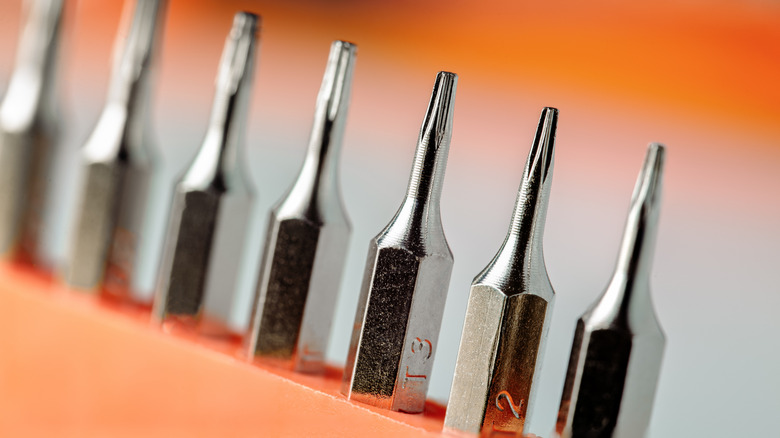
Screwdrivers are basic tools that almost everyone has in their home. Because of this, it can be easy to overlook when they need to be changed up, but eventually the metal tip will become bent enough to be unusable. And precision screwdriver tips that are worn down will need replacement sooner. Unlike larger screwdriver tip heads, they often don't have as much wiggle room and it will more obvious when something is wrong with the fit.
Something you can do to avoid wearing down your screwdriver tips faster is making sure you're using the right size tip at all times. However, alignment issues are still bound to happen sometimes, even if you do everything right. After all, we can't always choose how hard the screws are and when the tip accidentally slips when we put too much force.
Rote Mate notes that you'll know when to change screwdriver tips up when it no longer slots nicely into appropriately-sized screws. Experiencing the tip slipping out more often, wobbling a lot, or finding that screws look oddly deformed after fastening are also other signs it's time for a replacement. Thankfully, if your screwdrivers are on their last legs, it doesn't mean they need to be sent to the landfill immediately. For a crafty person, there are many ways to repurpose them into things like awls, mini crowbars, and chisels.
Cutting edge tools
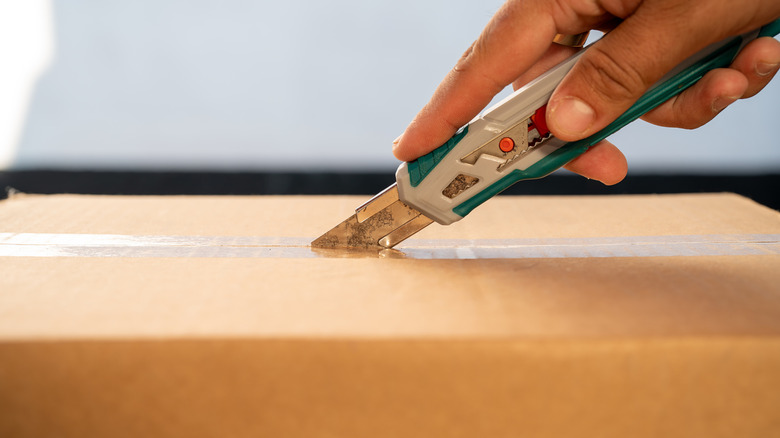
In our garage, we tend to have multiple tools designed for cutting, slicing, and making holes in things. Since these items rely on their sharpness, they stop working properly when they begin to dull. In some cases, this could introduce mild inconveniences like taking longer to cut materials or using more elbow grease. In other situations, it could lead to injury, such as if you have to use excessive force and end up cutting yourself. Some of the most commonly used cutting edge tools that we should be wary of include utility blades, box cutters, saws, and drill bits.
Depending on the type of utility blade you own, the method of changing the blade will vary. In some cases, like with the Milwaukee Fastback, you can easily swap the blades out without any tools. SlashGear also has a couple of guides for changing the blades of different saws, like the Craftsman Table Saw and Ryobi Miter Saw. However, you can also consult your power tool's official website, manual, or YouTube channel for more detailed instructions.
When it comes to disposing of any kind of blade, it's important to put them into puncture-proof containers such as their old packaging, sealed tin, or even wrapped in cardboard. This is to prevent accidentally injuring sanitation workers. And when it comes to old, dull drill bits, we've mentioned before that they can be used in other ways, like as DIY awls, lathe tools, or carving tools.
Sanding paper and pads
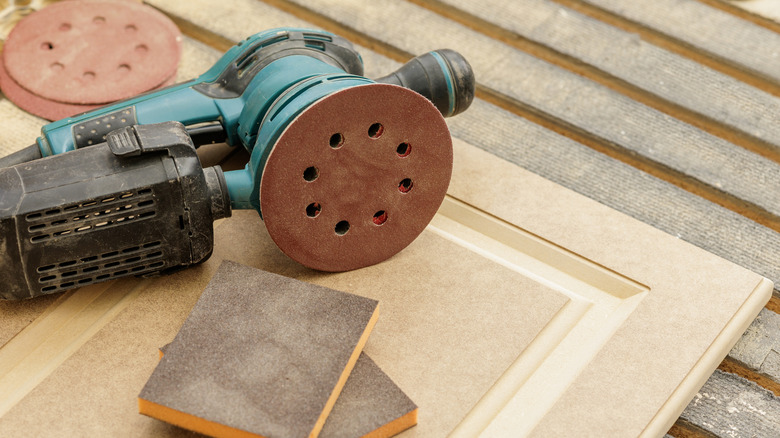
Having a way to smooth out surfaces is crucial for furniture making and finish carpentry, as well as a variety of metal-related projects like fabrication, welding, and grinding. In a pinch, sand paper or sanding pads can also be used to restore car headlights and remove scratches. However, sanding surfaces need regular replacement. To know if it's time to get rid of your sanding paper or sanding pads, you'll notice that its surface is clogged or it leaves uneven scratches.
In general, there are many aspects that affect how soon sandpaper and sanding pads need to be replaced. For example, Benchmark Abrasives says that coarse grits tend to wear out faster, as well as certain disc types. Not to mention, it also notes that certain power tools like disc sanders and angle grinders tend to wear faster them than belt sanders and drum sanders. Plus, other factors like backing pads, tool speed settings, and materials you're working on impact how the amount of time before your sanding pads become too smooth. If you have the time, you can clean sandpaper with things like compressed air or brushes to extend its lifespan. However, it may just be more efficient to replace it if you don't want to delay your projects.
Measuring tools
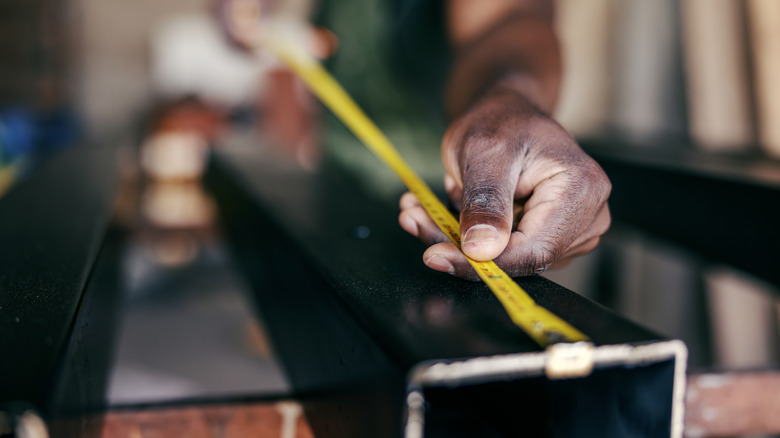
When it comes to measuring tools, inaccuracy can derail projects and end up costing a lot of money. For some concerns, such as faded numbers or markings on tape measure, rulers, or calipers, you may be able to get away with just carefully filling it in again with a pen. However, the major issue that you will need to manage is keeping the measurements consistent and accurate. To check this, you can use other measuring tools as a benchmark.
For tape measures, issues with the hook and the development of kinks that affect how straight it is are common problems. If your measuring tape isn't retracting properly, you can probably fix the reel without affecting the overall functionality. However, with so many measuring tape brands out there, you can also probably find one within your budget that won't give you any trouble.
Apart from your rulers, calipers, and tape measure, another precision tool that you should check is your level. If you've ever accidentally dropped your level at a job site, it may have developed cracks. Alternatively, its material can also warp due to heat exposure. Either way, if you notice cracks in the vial or the bubbles not consistently being in the same position after you've flipped them on a flat plane, it might be time for a new one.
Gripping tools
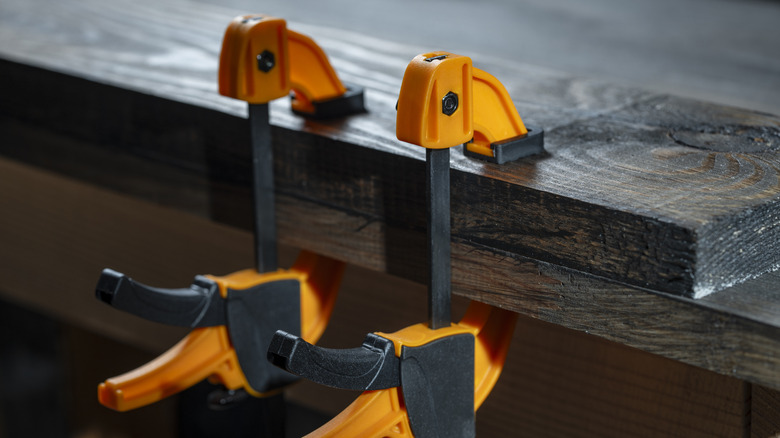
Gripping tools like pliers, wrenches, or clamps are often used with force and friction, which is a recipe for quick wear. Deformation in the metal can be problematic in situations where stable contact is necessary. Little grooves can flatten out, causing misalignment that in turn results in a loss of stability and eventual slipping. When it comes to the hand tools, this can simply mean you'll need to be a bit more careful or exert a little more force than you used to, which can lead to things like hand pain. But in other situations, it can also lead to injuries in the workspace. For example, when clamps aren't stable, it could make things like wooden panels move while you're using sharp power tools.
Should you want to get the most out of your gripping tool's lifespan, there are little things you can do, such as making sure they're always clean. By cleaning your tools, you can prevent rust, dust, or metal shaving build up, which can affect its ability to grip. Not to mention, it's best to know when your tool is sturdy enough and when you need to upgrade to a stronger one or a power tool. By overloading it, you also risk damaging the joints. While there are ways to restore rusty tools, other things like worn teeth and excessive slipping are a little harder to fix.
Methodology
To make this list, we rounded up different categories of tools that tend to need replacement with regular use, as well as how it can be expedited due to bad usage or storage practices. We chose them based off their likelihood to cause problems in two ways: reduced safety and effectiveness.
In terms of safety, we included hand tools that OSHA has noted to become riskier with improper maintenance and misuse, like saws, wrenches, and blades. As for whether the tool stays functional up over time, we took note of specific conditions that affect the accuracy of measurements, as mentioned by reputable metrology companies, like deformation. We then extrapolated the conditions that can cause this in specific tools, such as kinks, fading, and other forms of physical damage.
We also consulted manufacturer recommendations regarding how to know when tools are due to be replaced, as well as what tools in the same category tend to wear faster than others, and what official sources recommend doing with tools that need replacing.