

5 Things You Need To Know Before Buying A Modified Car

Many have a childhood dream of buying a car and then modifying it, but what better than buying one that has already been modified? When you look at the math, you get a vehicle equipped with thousands of dollars' worth of aftermarket upgrades already installed, and it might feel like a steal. The confusion of whether buying a new or used vehicle goes out of your mind, and you start making plans to immediately enjoy a customized ride out of the seller's driveway.
It may seem like a perfect shortcut to your dream ride, but that shortcut is often loaded with hidden dangers and traps. While there is a long list of dos and don'ts when buying a new or used vehicle, purchasing a modified vehicle requires a different type of scrutiny. Since you have no idea of the sources or installation process of those parts, how the car was treated after the upgrades, or why the current owner is selling it, you have to be a bit careful.
To save you from such headaches, we have compiled a list of things to know before buying a modified car. The automotive world is filled with buying horrors, and while some mods do appreciate resale value, it is always better to verify everything before handing over your hard-earned money.
Perform a pre-purchase inspection
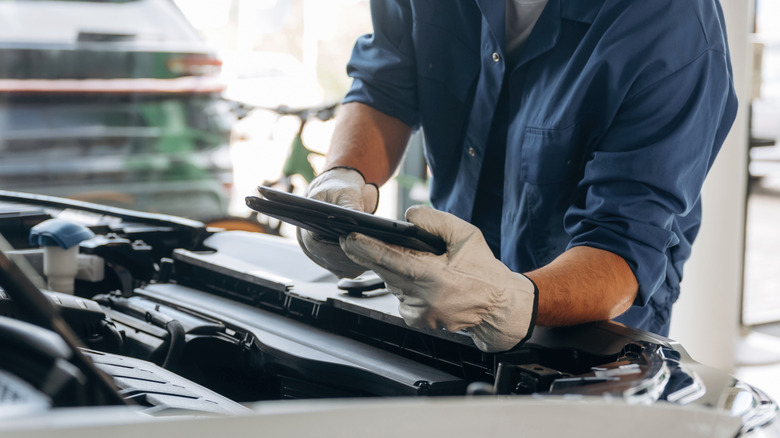
If you have made up your mind to purchase a modified vehicle and you have one in your vicinity, then a pre-purchase inspection is important. However, simply taking it to a local neighborhood mechanic for a routine check won't cut it. A normal technician only knows what the stock engine should look like and how it should function, but they might not be able to properly evaluate a custom third-party forced-induction setup or a complex aftermarket suspension. For all these inspections, you may consider hiring a specialized professional who builds and modifies cars for a living.
A professional would look beyond the flashy exterior to inspect the welds on the custom exhaust. He will look at the suspension geometry to see whether it aligns with the vehicle. If the vehicle is modified, you can't rely on a vehicle report provided by the owner, because, per the FTC (Federal Trade Commission), a clean vehicle report is never a substitute for an independent mechanical inspection. This is true because reports rarely mention any mechanical failure or disasters.
While it may cost a couple of hundred dollars to hire a specialized professional to inspect a potential buy, it is a fraction of what a blown motor or broken mod suspension might cost later. Also, during the inspection, if the seller becomes defensive or refuses to let you take the car for verification, it may be a sign you should walk away from that car.
Check the paper trail

Checking a vehicle's documents before purchasing is an important step in completing the transaction. Similarly, in the world of modified cars, no matter how genuine the owner sounds, physical receipts are gold. When a seller says that their car has a top-tier, fully imported suspension setup, you must ask for the paperwork to back it up. If a person is serious about their mods, they would keep a folder containing every invoice, shipping receipt, and installation record. This is not only for the next owner but also for themselves, as they are important to claim the warranty if the parts come with one.
Without a paper trail, you won't be able to tell whether the car has authentic brake calipers or just a cheap knock-off painted to match the originals. Additionally, the documents also tell you who did the labor. Meaning, you can cross-check if professionals were behind the fitting or if it was handed over to a questionable DIY shop, maybe in a driveway somewhere.
You should not simply glance at the paperwork and assume things are fine. You should take the time to read the receipts, ask the seller questions, who should be able to explain, and verify whether the seller's claim matches the product you are seeing. For instance, if they claim that a major component was installed three months ago, but the receipt is three years old, or they don't have one, it is a lie.
Verify engine health and tuning
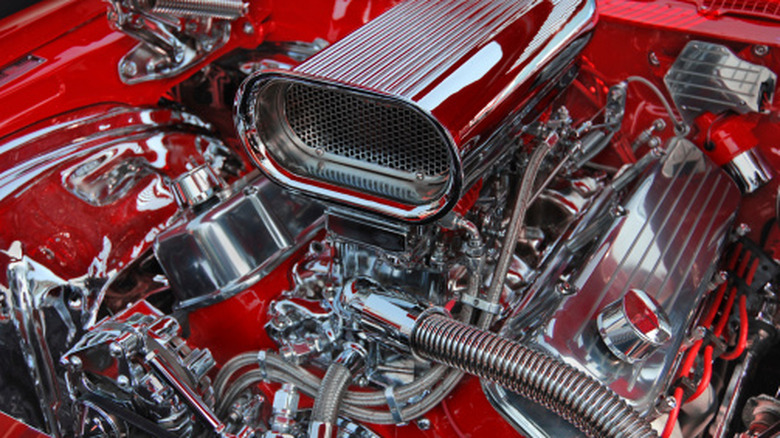
Modifying a car doesn't just mean slapping a large turbocharger onto an engine. It also means that it should run reliably and should have professional tuning. A modified car's control unit states exactly how much fuel and air the engine receives when turned on. If the car is poorly tuned or fitted by novice mechanics, it is the perfect recipe for catastrophic internal failure. Even if the current owner followed all the best practices to keep the engine running, poor aftermarket tuning will quickly undo all that care. You simply cannot judge the engine's condition by revving it in the parking lot for a few seconds.
Instead, you need clear data to understand the engine's state. This is where dynamometer (dyno) tests become an absolute necessity. You should see the dyno test sheets from the tuner who calibrated the car. The graphs show the exact horsepower output, air-to-fuel ratio across the entire RPM range, and other details that would help you or the service technician that you have brought the car to assess the engine.
If a seller brags about massive horsepower output but cannot back it up using a dyno sheet, you should walk away from the trap. It is highly recommended that you take the car to a shop for diagnosis. If the test reveals an imbalance in the tuning, it may require significant investment in the future.
Look for hard abuse and deferred maintenance
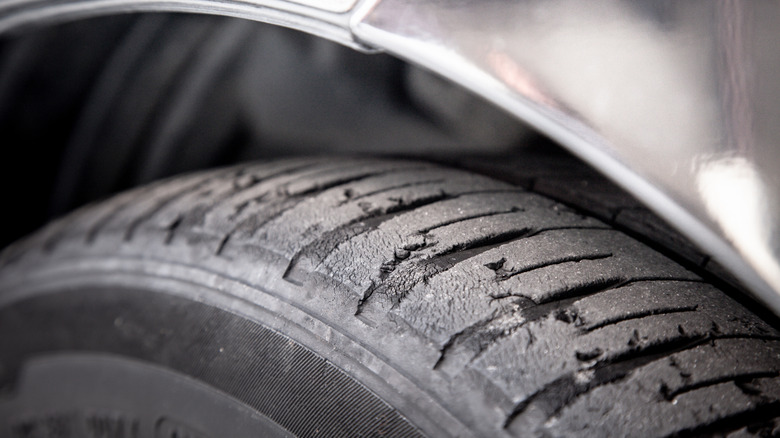
If a car is modified, it isn't modified to get to the nearby grocery store quickly. They are built by enthusiasts for performance, and they are always driven harder than standard commuter vehicles. This also means that they require a far more rigorous maintenance schedule than a normal car. However, many owners spend their entire budget on flashy parts and importing performance accessories, and completely neglect the basic upkeep to keep their car in optimal condition.
This is why you cannot just trust the owner by the look of the car, and you have to actively look for any physical evidence of reckless driving. You can start by closely examining the tires and transmission. If the rear tires are completely bald or show signs of melted rubber, then my friend, the owner, is a fan of burnouts. Take the car for a spin and pay attention to the gearbox. A clutch that feels awkward during heavy acceleration or a weird sound from the transmission are massive red flags.
Furthermore, you need to check the car's vital fluids, as usual. Pull out the engine dipstick. If the oil looks like sludge or smells burnt, it is a sign that the owner has skipped crucial changes. Modified engines run hotter and burn fluids faster than a normal car.
Scrutinize the quality of parts used

The automotive aftermarket is filled with parts that look genuine, but are cheap knock-offs. When you have zeroed in on a modified car, you must take time to carefully scrutinize the specific brands the builder chose to install. High-quality and top brands spend millions on research to make their parts withstand the extreme stress of performance driving. On the other hand, generic and unbranded parts, although they may look like branded ones, are often made from inferior materials that are simply good for aesthetics and will not last as long as the branded ones.
Imagine inspecting a vehicle's suspension and seeing a top-quality brand widely respected in the mod community; it shows the owner cared about proper handling and safety. But you shouldn't just look at the part; you should also check its papers. However, if you come across a no-name suspension that has been ground to lower the stance, that is a sign of concern, as it compromises the car's structural integrity.
You should never hesitate to take your time verifying the mods and cross-questioning the owner about the parts. like where they sourced them from and whether they have papers to back their claims. You can also use the internet to cross-check whether the parts are trustworthy.