

5 Things You Should Know Before Buying A 3D Printer
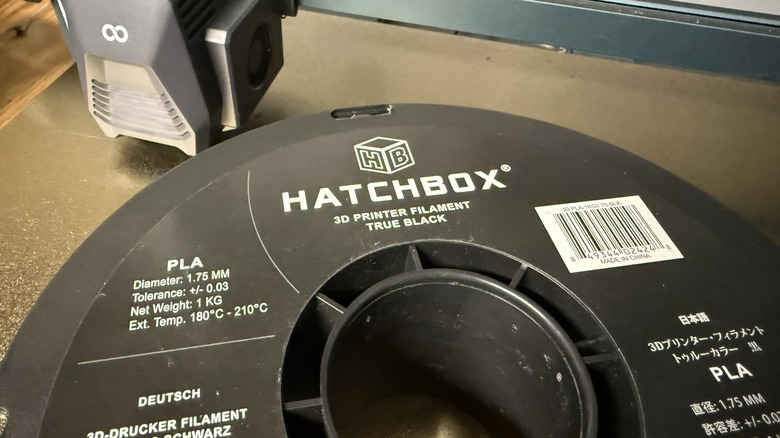
3D printers might be household appliances these days, but there may still be a learning curve as you begin to unbox your new toy. Sure, a 3D printer can help you create projects to upgrade your home, allow your creativity to break free of any mold, and can even become a source of income if you decide to sell your wares. Yet before you buy one, there are some things to consider.
Like any other appliance, 3D printers come in different sizes, styles, and affordability ranges. Choosing one will come down to factors like cost, print bed size, and pure personal preference. Do you want to print in only one color at a time, or would you prefer a printer that lets you load multiple colors to streamline filament swapping? Are you planning to print human-sized builds for cosplay, or do you have some smaller trinkets in mind?
Of course, there are some things that you might not think to consider before buying a 3D printer — at least, before owning two Creality and one Elegoo printers, these were things I had never considered. About five years later, here's what one 3D printer owner wishes she knew before going shopping.
Size isn't everything
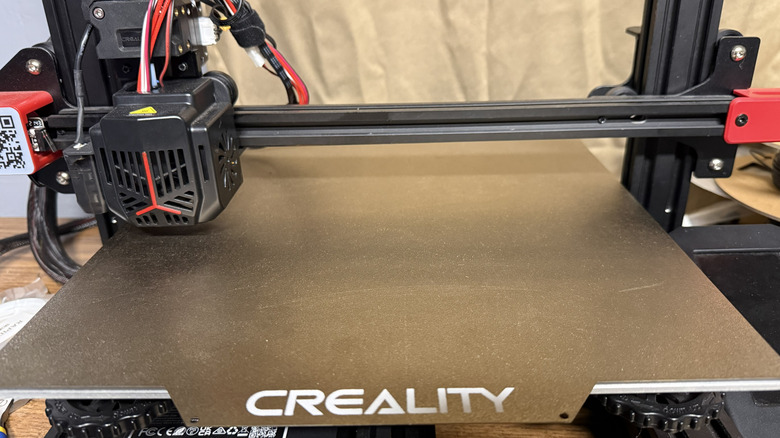
Bigger isn't always better when it comes to 3D printing. Although it's possible to get a print bed that is large enough to sit on, it may not be the best investment. Depending on what you're printing, you might find that a larger printer is slightly overkill. You may also find that printing larger files all in one piece isn't the best way to get clean builds.
For example, if you're printing, say, an Iron Man helmet, printing the entire thing in one piece will likely involve various supports. After the print is finished, you'll need to remove the supports, sand down rough edges, and probably add some paint and other finishing touches. Though our 3D printer was large enough for this project, printing in sections helped ensure consistency and fewer supports throughout the process, which made the sanding and prepping step easier.
Another reason our household agrees that size isn't everything? The fact that if you're printing something massive, and even one tiny little thing goes wrong, you'll have to start entirely over. Layer shift is something we have struggled with: everything is going fine until one layer of filament is laid down wonky, and then everything goes sideways — literally. Printing in pieces adds an assembly step, but it could save you some frustration with actually printing.
Yes, you need accessories
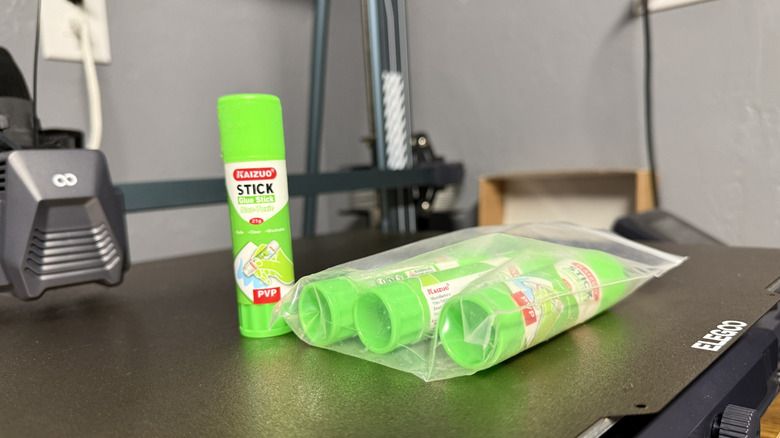
Even the best 3D printer (and of course, no one can agree on any particular one) doesn't come with every single thing you'll need to be successful at 3D printing. Especially with budget-friendly 3D printers, you might find that certain features — like the build plate or the lack of auto-leveling — are must-haves.
From print bed adhesive to filament storage, some of the best 3D printing accessories on Amazon will cost you a bit, but they may make all the difference on your next print job. For example, printing our first few projects on a Creality Ender 3V2 was tough. When it came time to remove them from the build plate, we were pulling, scraping, rinsing (3D printer adhesives are water-soluble for a reason), and, ultimately, reheating the bed to peel the prints off.
After that experience, we gave in and bought a magnetic build plate that was not only removable but also flexible. With this simple accessory, we could pop the prints off in seconds, saving frustration and time. Over time, you'll probably want other accessories, too, like a filament dryer (to avoid extrusion issues), replacement nozzles (filament gunk can build up in there), and various tools (like tweezers) to remove filament from places where it shouldn't be.
DIY is inherent
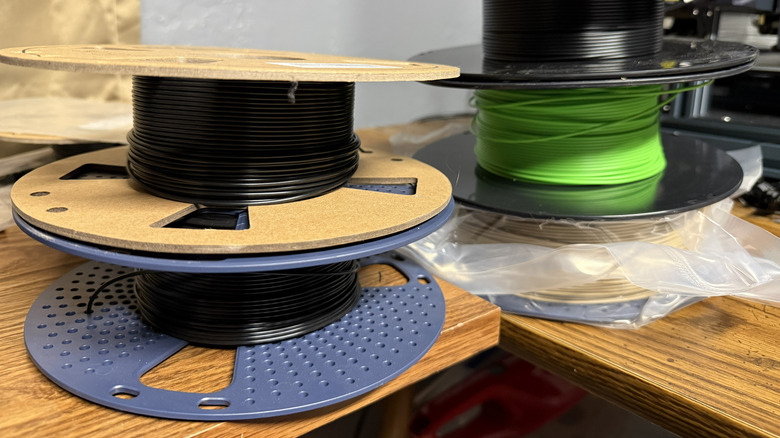
Even if your first 3D printing experience goes off without a hitch, we've found that inevitably, something will eventually go wrong. Though beginner 3D printer projects like a Benchy boat or toothpaste squeezer usually go off without a hitch, time can take a toll on things like your filament quality (moisture is a no-no), print bed position, and even heat settings.
Basically, buying a 3D printer means you'll need to be a DIYer. You'll need to become comfortable with tinkering, with things not always working properly, and probably adjust to wasting filament every once in a while. Sure, tools like an auto-leveling add-on and a handful of spare hot-end nozzles help address some of the challenges of 3D printing. Yet there's still the possibility of just about anything happening, from a blown fuse to melted hot-end cables (how did that even happen?) to power outages.
Plus, there's also the fact that, if you plan to sell 3D printed items, you may be on your own for a lot of designs. Because of the legalities of selling 3D printed items, there are limits to what you can manufacture for sale, especially when you're trolling for free files on sites like Thingiverse. Make sure to read the fine print, or be ready to fork over some cash — whether for paid files or a copyright infringement lawsuit.
Technology changes fast
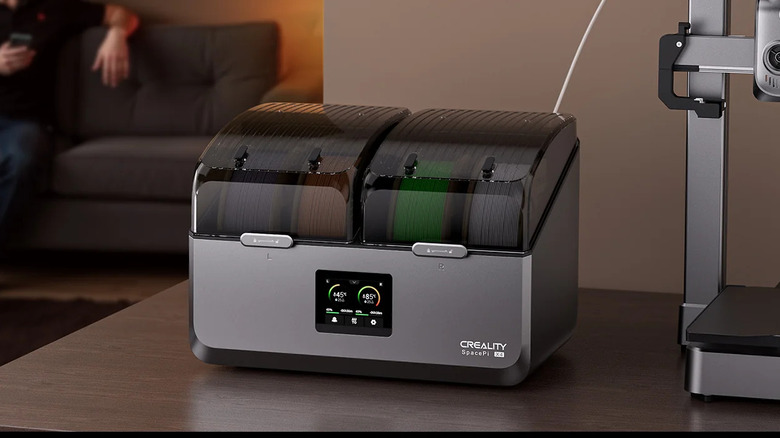
The first 3D printer our household purchased was a small Creality model. At the time, it was thrilling to watch it print little doodads (and some Benchy boats). Mere months later, we were looking at sizing up, to try to dive into cosplay prints and get more done at one time. While size isn't everything, we were tempted by larger print beds, faster speeds, and more features — autoleveling is a must-have!
The thing is, just as quickly as you decide to buy a 3D printer model, there will likely be one to follow it, only with more features (and probably a higher price tag). Enjoying the process of 3D printing really requires you to stop looking at what's new and continue to appreciate and learn with what you've got.
It's easy enough as it is to overspend while buying 3D printers, filament, and accessories. It's important to realize that the industry is changing fast, and there's not really any way to keep up with what keeps coming down the production line. At least, there isn't unless you've got endless space and an endless budget. For the average hobbyist or small business, there will likely be limits. Don't go overboard when pricing out your next 3D printer purchase, and try to focus on what you can do with what you have, rather than pining after the next big thing.
Filament matters
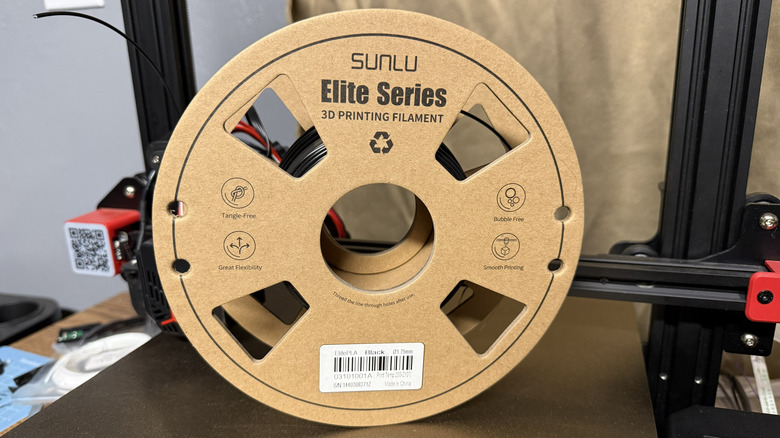
Setting up a 3D printer may not always be cheap, but it's probably the filament that will end up bankrupting you. There are tons of cool colors and materials to choose from (make sure to read up on what PLA stands for before you hit add to cart) at various price points. However, because each project typically involves a bit of waste, you might need more than you think. That's not to say that the more affordable filament brands aren't good, and we've had great success with Sunlu, for example.
Filament matters because the wrong storage conditions can cause clogs in your hot end nozzle and lead to issues like layer shift in your 3D prints. There are some ways to DIY keeping your filament dry, but it might be simpler to use a filament dryer. For example, ours allows the filament to be fed through a slot, so we can keep it at the appropriate humidity as it enters the printer.
Filament also matters, as you need the right material for each project. PLA could be great for most small household prints, but if you're printing something that needs a bit of flexibility, PETG might be the better option. You can definitely print some weirdly useful stuff at home, but choosing the right filament is crucial.