

12 Affordable Ways To Upgrade Your RV Before Your Next Trip
We may receive a commission on purchases made from links.
After camping sans recreational vehicle as a child, my first experience in an RV was thrilling. With as many amenities the family Airstream travel trailer had, I couldn't have imagined that there were so many ways to upgrade the RVing experience even more. Fast forward to my tenure as a guest service agent at a fancy schmancy RV park attached to a casino property, and I learned just how much I had been missing.
Whether your budget is $20 or a few hundred, there are tons of ways to upgrade your RV before your next trip. Beyond enough beds to fit everyone and some onboard entertainment options, there's so much more to making RVing a pampering pastime.
From security to convenience to comfort, you don't need to spend a ton of money to have a more enjoyable experience in your recreational vehicle. No matter your destination — boondocking in the wilderness versus glamping in a mostly-concrete oasis — these upgrades should be on your to-do list.
Keypad door lock
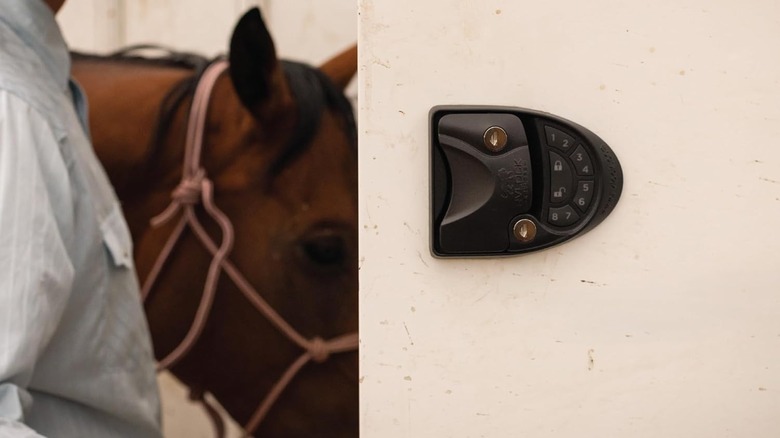
Getting locked out of your vehicle is frustrating. Getting locked out of your RV while on vacation is even worse. It's especially bad to get locked out of your RV while far from civilization — and the nearest locksmith. Even if the RV park you're staying at has a ring of master keys by brand, which the park I worked at did, it's not guaranteed you'll be able to get in. Besides, a master key ring could pose security risks if it fell into the wrong hands.
For my RV park guests, waiting a few hours for a locksmith may not have been too terrible. After all, they had a pool to lounge by and WiFi to use. Depending on where you are when a lockout happens, you could fare far worse. A keypad door lock is a simple and relatively affordable way to avoid the worst outcome.
It might be worth inquiring at your RV dealership whether they offer keypad installation. Or, you can go the DIY route. Highly-rated RV keypad locks cost around $200 on Amazon — but be sure to read the fine print to ensure compatibility with your rig.
Internet
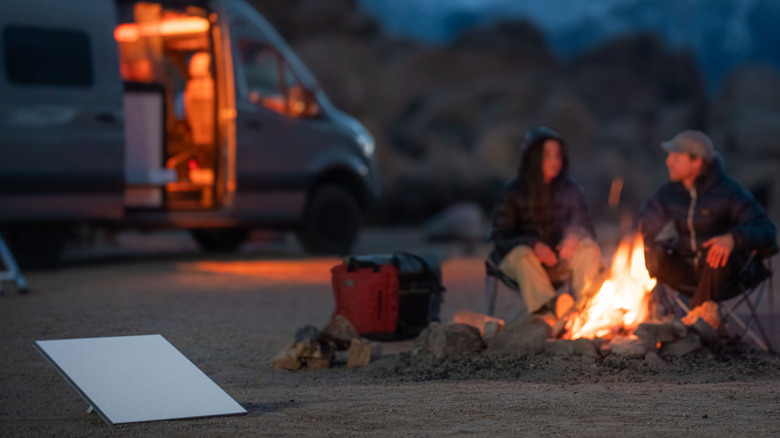
Ensuring you have internet access is one of the simplest ways to upgrade your RV before your next outing. Having the ability to look up nearby attractions and restaurants can make travel far easier. The not-so-great news is that even if your campground or other accommodation promises WiFi, it's not necessarily guaranteed.
Even high-end RV parks will have WiFi problems on occasion. At the RV park I worked at, we had a few significant outages, and there was nothing the front desk staff could do about them. The best tip I received from a guest was to sign up for a satellite internet service that you can take with you. At the time, Starlink was the only option, and it still seems competitive. Starlink Roam has a startup cost of around $200, and monthly rates begin at $50 for 100 GB of data.
However, other portable internet services could work just as well, depending on where you're going and how much bandwidth you need. If you're traveling in an area with decent cell phone coverage, a hotspot — either via your phone or another device — could be an even cheaper solution that never leaves you without the internet.
Solar panels
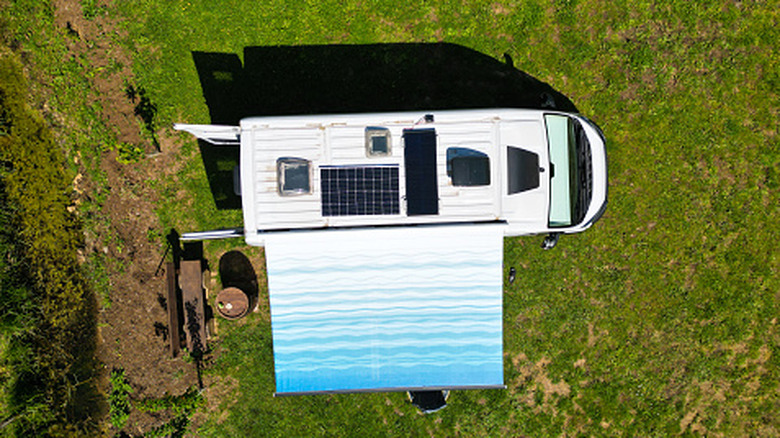
When it comes to enjoying all the amenities of a full-service RV accommodation off-grid, you can't go wrong with turning your RV into a smart camper. A more efficient and comfortable home away from home may just start with the ability to keep the lights (and other utilities) on while you're on the road. One way to power up is by installing or carrying solar panels.
Solar panel kits come with everything you need to direct power to your RV. Whether you install them permanently or buy the kind you can set up on the ground at your campsite, solar panels are an obvious upgrade. However, not every place you travel to will have good exposure for solar power. Solar energy might be the best plan for travelers RVing in the southwestern U.S. California, Arizona, Nevada, Utah, and New Mexico get some of the highest average annual solar radiation.
Power station
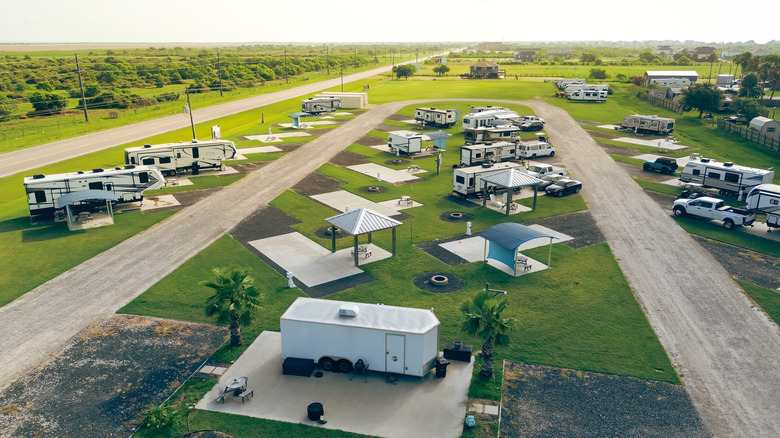
A power station is a solid upgrade for your RV that can save excess solar panel energy. Power station brands come in a range of sizes and capacities, so you can have backup for everything in your RV, or only specific appliances.
Whether you have full amenities in an RV park or plan to dry camp, charging multiple power stations will keep energy at your fingertips. It's easy to underestimate the power of a coffee pot or the ability to charge your devices off-grid when you're sitting in a cushy RV park.
Power banks are also convenient for on-site extracurriculars when you're in a fully-equipped RV park. I've seen RVers set up projectors outside their motorhomes to watch movies on the lawn, or even put up a fan to create a breeze in oppressive weather. Battery backups are handy in both scenarios and many others.
Water pressure regulator
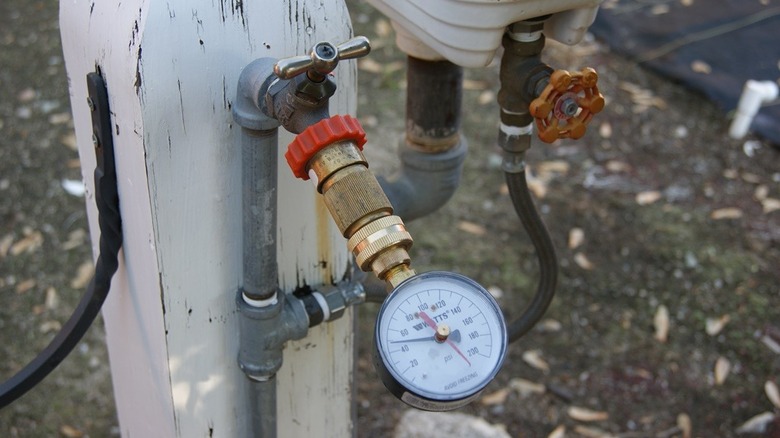
A go-to item for more RV park guests than I could count was a water pressure regulator. Though the RV park I worked at had a reasonable water pressure at each of its 100 RV spaces, guests related that other parks did not have the same consistency. The main reason to use a pressure regulator is that high water pressure can damage your RV's plumbing.
Low pressure is annoying, but high pressure could cause leaks and even broken connections or hoses. A pressure regulator, depending on the model, either sets a limit to the pressure allowed through the device or lets you customize the pressure.
In the long run, the relatively low investment of a pressure regulator can save you money from potential damage. Regulars were affordable enough accessories that they were stocked in the office where I worked, and we sold out regularly.
Tire pressure monitoring system
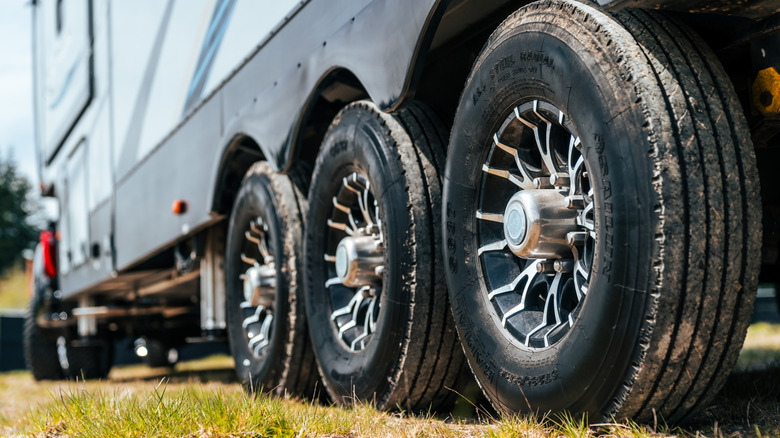
Checking tire pressure is something RVers typically do before heading out on a trip. You're also likely to check your tire pressure during your trip, especially after driving on rough roads, as well as before storage at the end of your adventure. Imagine how much time you'd save if you could see all your tire pressures on a single display, instead of checking each one manually.
While it's important to understand how tire pressure monitoring systems work before buying a specific kit, this upgrade could save you a lot of time on your next RV trip. Direct tire pressure monitoring systems involve devices on the tires themselves, which removes the need to check each tire individually.
Generally, checking tire pressure is not a huge inconvenience, but preparing for an RV trip can be stressful and time-consuming. Beyond spending less time on manual checks, a monitoring system could give you a warning well in advance of a dangerous situation. Look into a pressure monitoring system that works with your particular RV model.
Multimeter
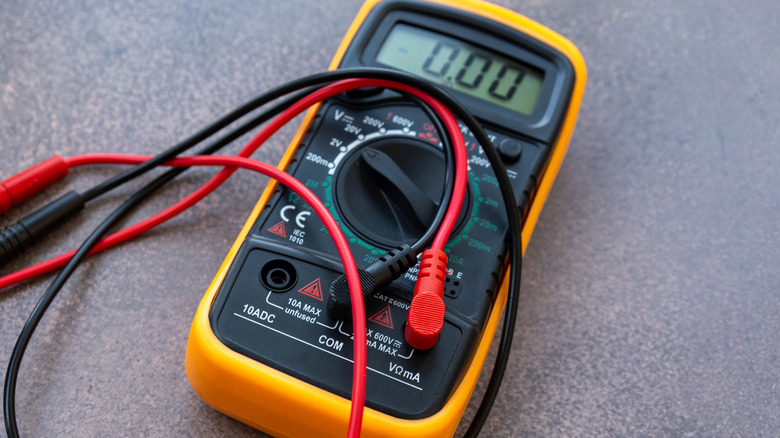
Anyone who chooses to DIY home improvement already knows how handy a multimeter can be. You might consider taking yours (or buying one for this purpose) on the road the next time you head out in an RV. Newer RVs, especially, have intricate electrical systems. Like any other vehicle, RVs also have fuses. Yet in your RV, a blown fuse could indicate something more than a taillight needing replacement or a radio shorting out.
If something stops working in your RV, it can help to know whether it's an RV park problem, an electrical issue, or a damaged device. At my RV park, numerous guests insisted their site had no power, only to find the issue stemmed from their rig, not the on-site amenities.
Your RV user manual is probably the best place to find details on what to check and where, but having a multimeter on hand is never a bad idea. It could make the difference between a minor repair and a costly one — or even a cancelled or cut-short trip. Many popular multimeters are plenty small enough to pack and won't do a number on your camping budget, either.
Energy Management System
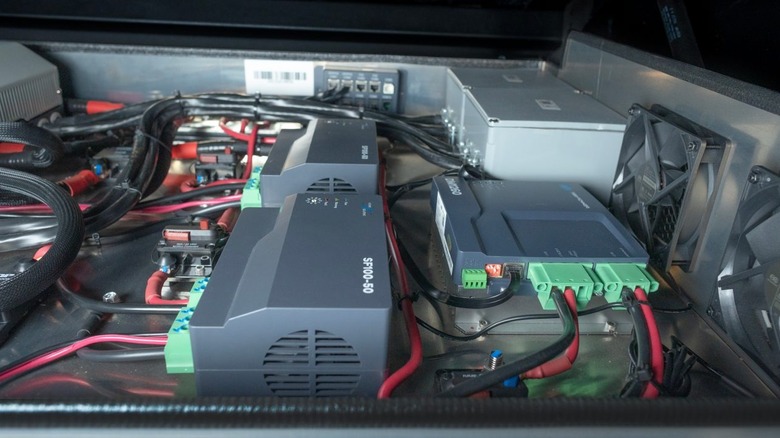
Surge protectors are a common household item that can provide peace of mind when it comes to your electronics and appliances. Though standard surge protector brands have ample offerings you can definitely use in your RV, there is another surge protection method that some RVers swear by. Plus, it comes stock on various newer recreational vehicles, including some Winnebago and Grand Design models.
An Energy Management System, or EMS, manages the power load in your recreational vehicle to avoid overloading the system. Whether you're plugged into a power pedestal with fewer amps than your rig requires or need to run on a generator, an EMS can manage the load automatically.
In practice, an EMS will maintain a lower power draw RV-wide than the power source. Let's say your RV needs 50 amp power, but the only connection available is 30 amps. If you have two A/C units running, for example, and then switch on the microwave, the EMS could shut down one A/C to keep the amps under the limit. When the microwave shuts off, the A/C would automatically come back on.
Water filter
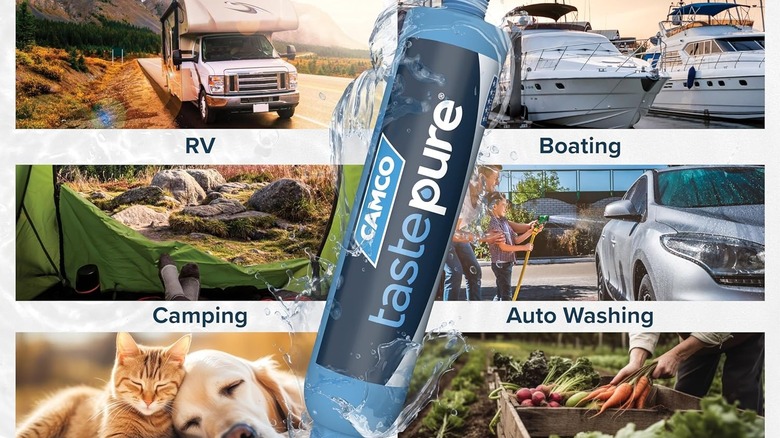
Water that smells like chlorine is hard to stomach. Even unfiltered water in the shower and sink can create scale on your dishes, stain the tub, and become a nuisance.
While some of the best RV brands may have built-in water filters, others may not. Airstream, for example, advertises some models with a 110-volt outlet situated near the water intake, so you can easily install your own system. Either way, it's worth investigating whether your RV has an onboard filtration system. If not, installing one may be straightforward and help avoid the pitfalls of questionable-quality water while on the road and in campgrounds.
If it's not possible to install a water filtration system on your rig, an inline water filter that attaches to the spigot is another option; Amazon sells a highly-rated one for around $30. Or, a countertop filter might suit your needs. While it won't help with mineral deposits on dishes and in the shower, a gravity-fed filter system (Berkey filters are well-known, for example) means you don't need to load up on bottled water before a trip.
Backup camera
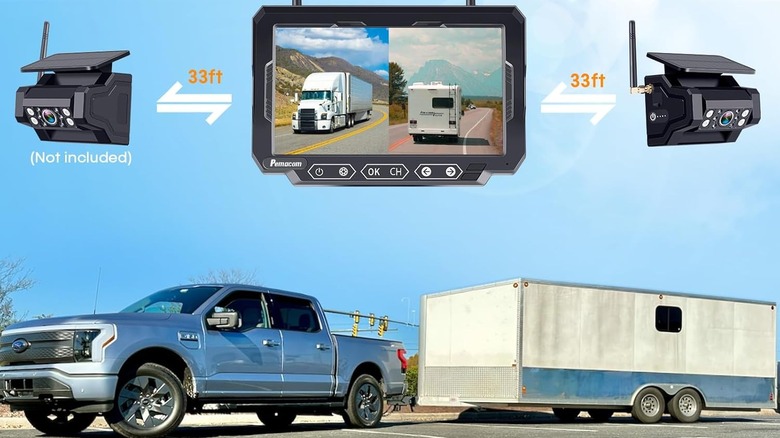
Like most newer cars and trucks, many motorhomes tend to come with backup cameras. However, other RVs — like fifth wheels, trailers, and pop-up models — may not. With newer vehicles, again, there may be an option for pre-wiring to make installing a camera easier. If not, you can still find a backup camera to fit your rig, even if it's a third-party add-on.
Towing mirrors are likely to be your first stop when getting your tow vehicle equipped for an RV. Yet you may still have blind spots, and in most cases, an inexpensive camera setup can help immensely.
If your rig isn't already wired for a backup camera, there are plenty of affordable options you can find at various retailers. For example, one highly-rated option on Amazon costs less than $100 and uses solar power, wireless connections, and magnets for quick installation. Magnetic cameras can also be removed and stored inside the rig while you're on the road or after you've backed into an RV spot.
Dash cam
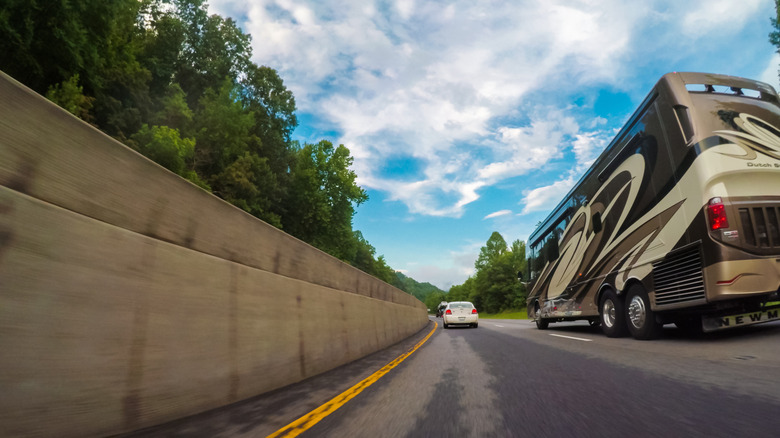
Similar to backup cameras, dash cameras have become ubiquitous. Though finding a dash cam-equipped vehicle — RV or not — is probably less common, dash cameras are an essential gadget for making RVing easier. Getting your RV repaired after an accident, however minor, can be complicated.
Not only are RVs bigger than cars — so more area to repair — but in my experience, it's harder to find shops that can take on an RV. One guest whose motorhome survived some rough encounters had to take his rig to a specific dealership, as they didn't allow third-party garage repairs. In the meantime, he had to continue driving the RV, because he didn't want to delay his planned road trip.
If you have an accident, you will be glad you had a dash camera to capture what went down. Especially if you're not at fault in the accident, dash camera footage could be helpful for determining what happened and who's to blame.
LED lighting
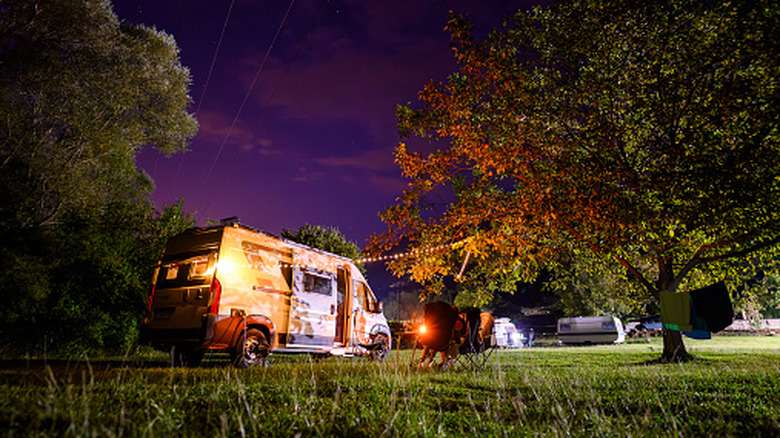
Drive through any campground in the evening hours, any time of year, and you're bound to see RVs wrapped in rope lights, adorned with twinkling Christmas lights, or, at the very least, with one spotlight on their entry step. Lighting is one of the easiest ways to make your RVing experience better, whether you need visibility coming down the stairs or are hoping to ward off critters out in the woods.
LED lighting for outside the RV can be a nice touch aesthetically, as well as serve the function of creating outdoor living space. Inside, LEDs can also be helpful for storage and visibility. For example, adding automatic LEDs inside your cabinets helps you find what you need without turning on an overhead light.
Battery-powered LEDs are also a nice touch when camping, because you never know when you might be low on power. That is, if you haven't already upgraded to solar with battery backups to make your trips more comfortable and convenient.