

12 Niche Fireball Tool Products (And What They're Used For)
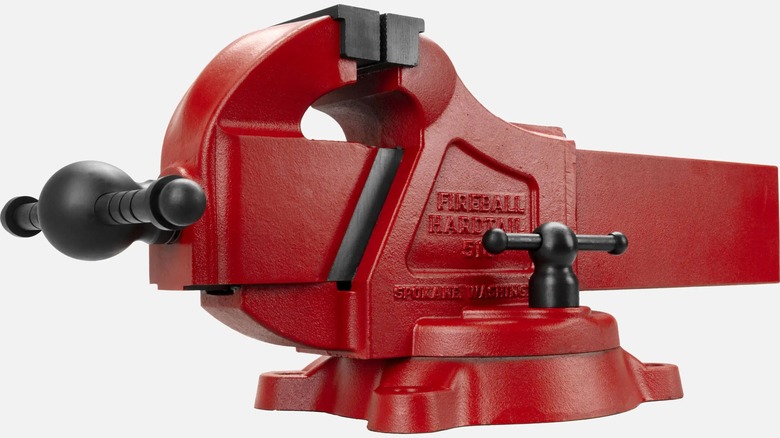
Tool makers and sellers usually have all of the ordinary equipment you need for most basic jobs, everything from hammers and drivers to saws and other hardware. On top of that, they often have a selection of more niche products you might not be familiar with.
Fireball Tool in particular is known for selling inventive equipment designed with welding and metalworking in mind. Company founder Jason Marburger started his career as a welder and ran up against the limitations of existing metalworking tools, many of which were designed for woodworking and co-opted for metalworking. Those tools worked but not as well as they could have, so Marburger set out to make tools specifically with metalworking in mind. That meant being made of tougher materials and incorporating some unique design elements.
Marburger's first product was a welding square designed to accept strong metalworking clamps and align materials before welding. Before long, his welding squares became popular enough that Marburger streamlined the production process and started selling them under the Fireball Tool brand. Today, the company has grown to offer a wide range of tools, primarily geared toward welding and metal work. You'll find squares, clamps, and grinding wheels, but you'll also find a collection of more less common products. Here are 12 niche Fireball Tool products and what they do.
Thread checker
When working with metal, a few millimeters can make a big difference. If your bolt is just a little too small it won't hold firm; if it's a little too big, it won't fit into a slot or accept a nut. That's why hardware comes in standard sizes and why it's so important to make sure you're using the correct gauge for your project.
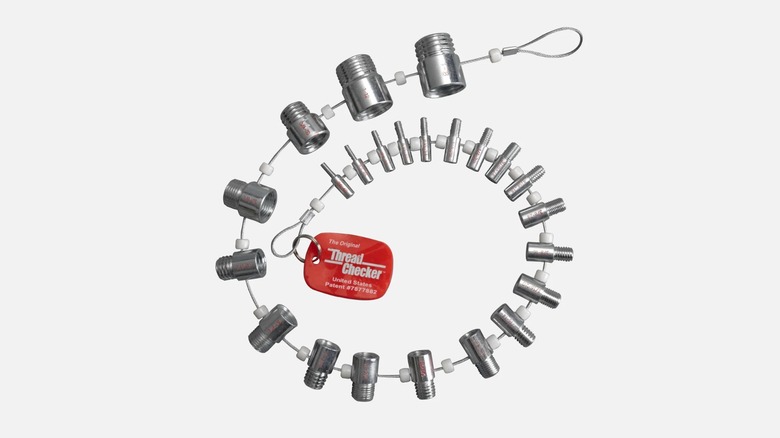
A thread checker lets you confirm the precise size of your nuts and bolts before you go to the hardware store. Fireball Tool has two versions, one which is strung on a wire with a loop for storage and another that's wall-mounted. The string thread checker comes in either jmperial or metric. Each unit on the wire has its gauge stamped on the side and can be used to check both nuts and bolts.
The wall-mounted thread checker looks like something you'd find in a high-tech aircraft or alien spaceship. If you look a little bit closer, you'll see it's really just a collection of threaded posts and holes so you can double check your hardware before you commit. The checker is made of half-inch PVC Sintra board and contains both imperial and metric checkers all in one.
Electronic angle finder
Whether you're working with wood or metal, it's important that your measurements are accurate. A tape measure can help you measure distances but won't help you if you need to measure the angle of something. Accuracy is critical for angle measurements if you're looking to save time, effort, and frustration in the long run; while a woodworking or metalworking square can help you confirm if your project has 90 degree corners, an angle finder is useful for most other angles. It's one of those weird tools you'll wish you had gotten sooner.
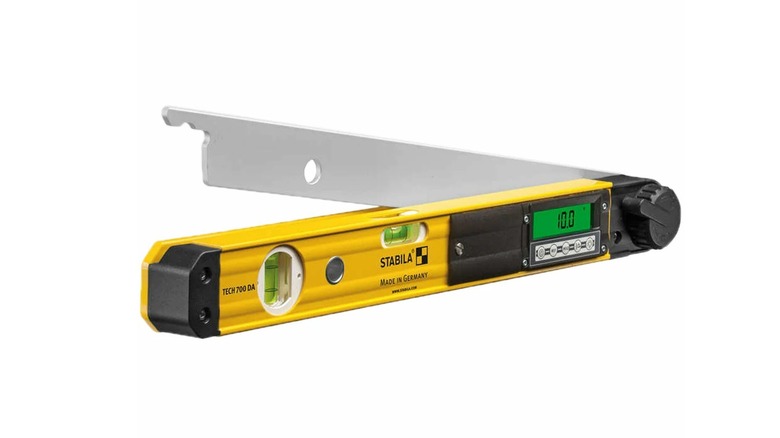
The TECH 700 DA digital electronic angle finder is made by Stabila and available from Fireball Tool. It measures both interior and exterior angles between 0 and 270 degrees with an accuracy of within one tenth of a degree. It can even show you angle bisections (splitting an angle into two equal parts) in the event that you need to cut and join corner pieces. A digital display shows you the angles you've measured and a locking mechanism allows you to easily transfer those angles to other materials. The display also has a dimmable backlight you can turn on and off. You can get this angle finder in two sizes, 18 inches or 32 inches, depending on your needs.
Combination square
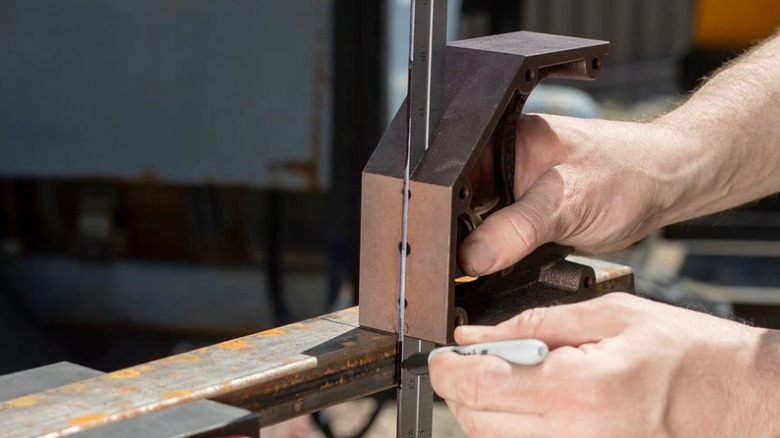
You're probably familiar with a conventional woodworking or metalworking square, a tool which allows you to make sure you're achieving as close to a perfect 90 degree angle as possible. A combination square takes things one step further by combining a square with an adjustable ruler. Sliding the ruler allows you to make precise measurements and draw guide lines for making cuts with confidence. Sometimes you just need to slap something together even if it's ugly, but when you need to build something precise, a combination square can help.
Fireball's combination square is 5 inches long by 5 inches tall and 2 inches wide. It comes in cast aluminum or black oxide cast iron, depending on the sorts of materials you're working with — aluminum can become damaged if you're working with especially tough materials and tools. You can choose three different ruler sizes, either in imperial imperial (12 inches, 18 inches, or 24 inches) or in metric (300, 450, or 600 millimeters). The ruler sets completely into a recessed slot so it doesn't interfere with your measurements. A built-in bubble level helps to ensure everything is as perfect as it can be.
Bulldog swivel plier
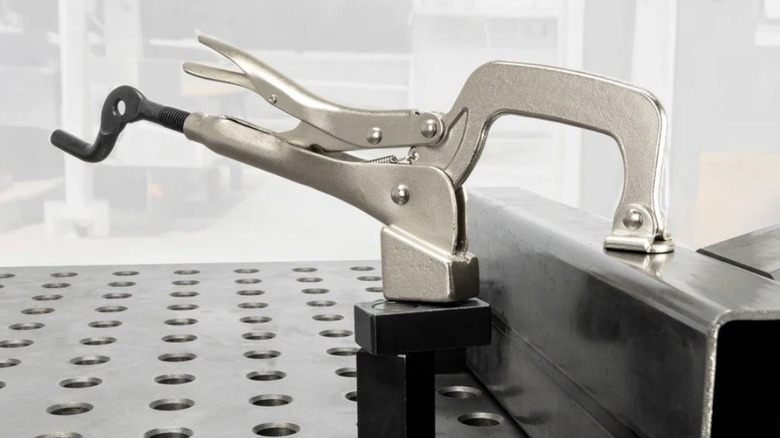
Many of Fireball's offerings center on the fixture table, a shop surface designed specifically for metalworking. They come in various styles, including standard duty, heavy duty, steel top, and Fireball's custom-designed, modular "dragon wagon". Each table is made of metal and features a uniform grid of holes capable of accepting a wide variety of tools and accessories.
Bulldog swivel pliers are designed to set into any opening in the fixture table, adding a mounting clamp anywhere you want on your work table. When building something, you can lay your materials down on the table and clamp them in place before joining or welding. A locking mechanism in the pliers holds pressure on your target so you don't have to; you can use the pliers' quick release lever to easily unlock whatever it is you're working on.
Designed to work with any Fireball Tool fixture table or those with equivalent grid holes, these one-armed pliers feature a rotating post for easy repositioning. Most clamps have to go around your material and the table, meaning you have to use them only around your table's edges. These swivel pliers are advantageous since they allow you to clamp materials down to the table in a wide variety of positions and locations.
Double gooseneck clamp
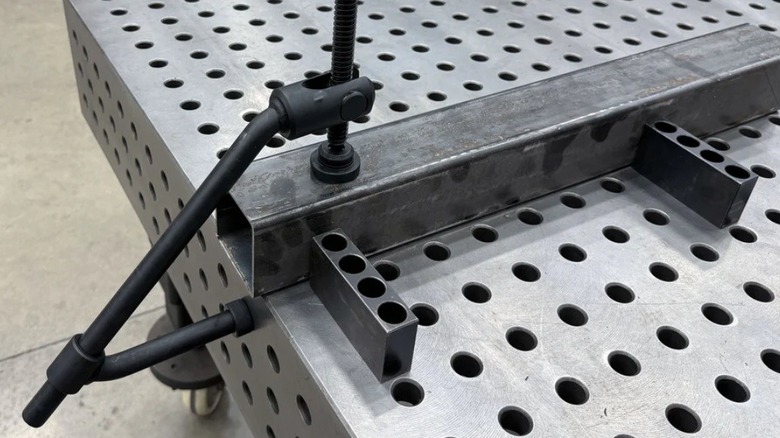
Whether you're fabricating something out of wood, metal, plastics, or any other material, it's important that things connect in precisely the right way. You need your materials to be square and true before you fix them into their permanent positions. That means laying things out in advance and making sure they don't slip while you're working with them.
To line things up and hold them in place you can use jigs, templates, or premade frames. Fireball's fixture tables allow you to create a frame and attach clamps to hold everything right where you want it. Fireball's double gooseneck clamp is designed for use specifically with the fixture table, settling into any one of its ports much in the same way its bulldog pliers can. With the double gooseneck, you can point the clamp in pretty much any direction, allowing you to press on materials from the top, the sides, or even on the corner. You can also separate the upper and lower arm then use just the upper arm on its own. The wide foot pad helps the clamp make contact and prevent slipping so you can make cuts, join, or weld your materials with confidence.
Fence block
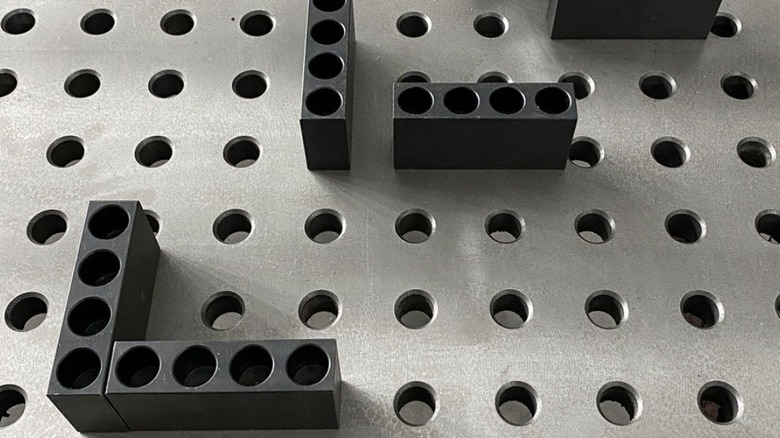
Fireball Tool's fixture tables are designed to be hugely customizable. Each table features hundreds of pre-drilled three-quarter-inch ports into which you can slot clamps and other tools. Clamps can help you hold objects in place but a frame can help you get everything aligned before you clamp it down.
Fence blocks are yet another accessory designed to work with the fixture table, featuring compatible posts and holes so they can slot right into place with ease. They're almost like oversized Lego bricks, and you can mix and match them to create the exact framing you need for the job at hand. Then when you're finished, you can remove the blocks and reorient them for your next job.
Fireball Tool's fence bricks come in a variety of shapes and sizes, including 1 inch by 1inch posts, 4 inch fence blocks, 6 inch stepped fences, and a double row riser block. You can use them to create a table border, to hold materials steady, or to align them squarely before joining.
Three-axis square
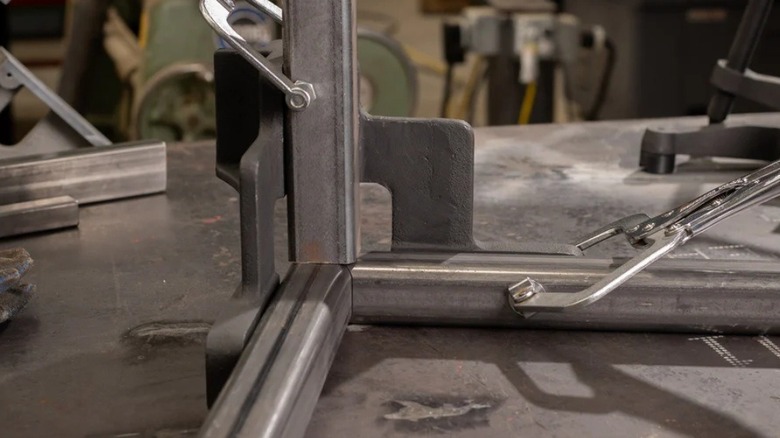
A woodworking or metalworking square helps you verify 90-degree angles on a two-dimensional plane. Put simply, it can check the angle moving in only one direction. Like movies and television at the turn of the millennium, a three-axis square takes things into the third dimension.
A three-axis square lets you align materials along not just length and width, but also height, and all at the same time. They're useful if you're framing the corner of a three-dimensional object like a box or a table. This square is made of cast iron and can be used with Fireball Tool's fixture table or independently wherever you need it. One-inch feet and magnets help the square to stand up and resist falling over no matter where you're working.
If you're working at the fixture table, threaded holes in the bottom of the square will accept three-quarter-inch posts, allowing it to slot into any ports in the table. And depending on the size of your project, you can get a standard square with a 4-inch height limit or an extra large square with a 7–inch height.
Locking chain pliers
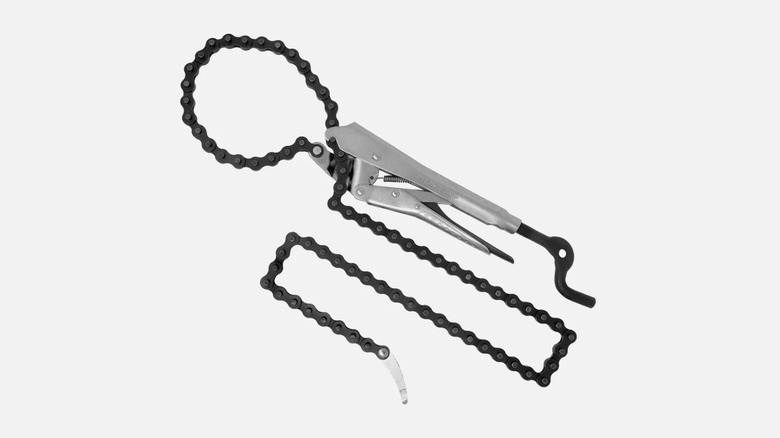
Chain pliers are a type of strap wrench, similar in form and function to an oil filter wrench. Where that uses a band of metal to unfasten stubborn oil filters, these pliers use a bicycle chain. Yet independent of the type of strap they use, these types of wrenches aim to use tension and static friction to grab hold of an object.
It's an unconventional tool made of a plier handle and a chain. To use it, you wrap the chain around the intended object, feed the chain back through the clamp jaws, and tighten to turn or lock the object in place. Because it uses a semi-rigid chain instead of a band or a totally rigid tool head, it can deform to fit around awkwardly shaped objects, large ones, or things that are in hard to reach places.
Fireball Tool's locking chain pliers, made by Strong Hand Tools, come with either a 24-inch or 48-inch chain, the latter of which can wrap around pipes as wide as 14 inches in diameter. Either way, the chain features a fishtail end to make it easier to insert the chain into the clamp jaws after wrapping around your target.
Polishing paste bar
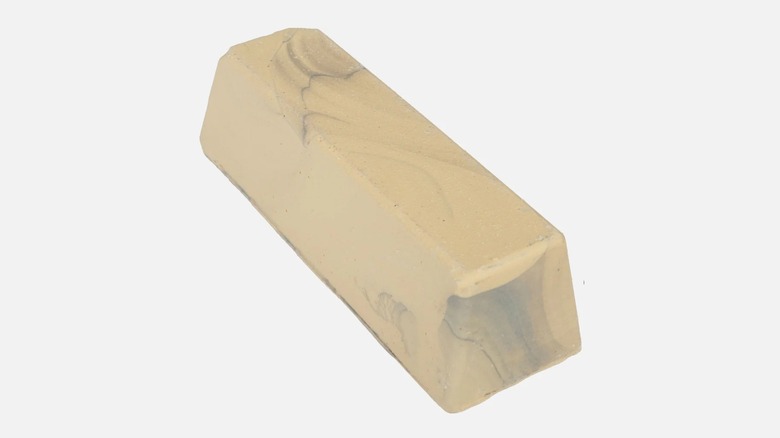
Construction projects usually start with adding material to your project; ironically, they usually end with removing some of the same material you just added. You start by aligning your parts and fastening them together; when you're done with fabrication, you typically use a variety of tools to remove imperfections for a clean finish. You can use a scraping tool or a file for bigger imperfections, but when you want to get a completely smooth surface, you'll probably need a polishing or buffing compound.
Fireball's small polishing paste bar is a high-gloss polish for plastics and other materials. It's similar to the polishing compounds you can use to remove scratches from your car's windshield. The polishing paste is made of an abrasive powder suspended in a wax-like binding agent. To use the paste bar, you'll put some of the paste onto a flannel or other soft cloth and buff it into your project for a high-gloss finish. Polishing paste can remove small surface scratches but won't be able to remove blemishes that go deeper. To achieve the desired finish, you might have to use several different polishing or buffing compounds with different types and levels of grit.
Fly safety goggles
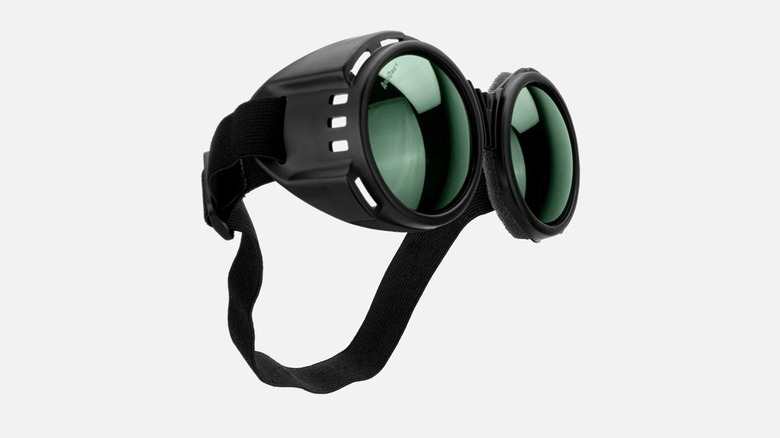
No matter what sort of project you're working on, safety is paramount. Safety goggles are one of those must-have pieces of workplace safety equipment and these safety goggles made by Arcone, available from Fireball Tool, merge function with style.
Called "The Fly" since they're reminiscent of the eyes of the insect they're named after, these goggles offer a slight tint with a shade level of three. This makes them suitable for some metalworking tasks, but not all — you'll need different levels of shading depending on the type of welding you're doing, the brightness of the arc, and personal preference. Many types of metalwork need significant shading protection, in the range of 10 to 14 on the lens shade scale. A three is good enough to protect you from the brightness of torch soldering and may be enough for torch brazing and light cutting.
These goggles feature cushioned edges to enhance comfort and open slots to improve ventilation and reduce fogging. They're large enough that they can fit over the top of prescription glasses and other eyewear. They're also large enough that you can't see the edges when you're wearing them, giving you an unobstructed and comfortable view of your workspace.
Downloads
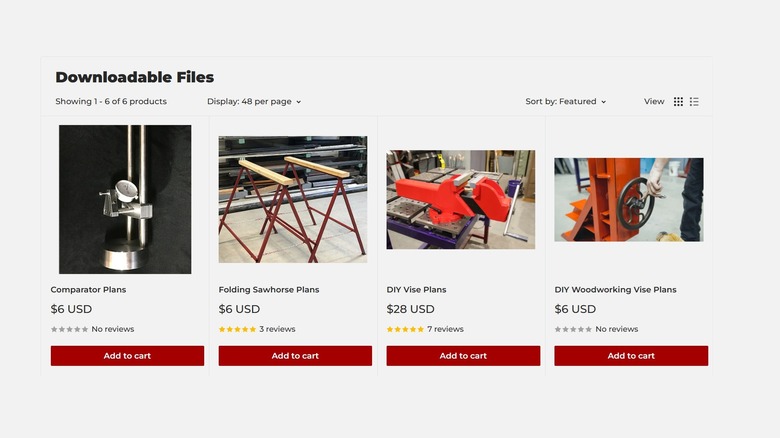
One of the best things about woodworking, metalworking, and a DIY mindset is that you can build tools for yourself. Need a new workbench? Build one. Need a new chair or stool to rest your weary feet? Design and fabricate one yourself. It's that same spirit which led Fireball's Jason Marburger to create his welding squares and launch Fireball Tool in the first place. Following that spirit, the company offers not just a wide range of tools for purchase, but also a selection of plans so that you can experience the joy (and probable frustration) of making something useful on your own.
There's a wide selection of designs from which to choose. You can build a comparator (a useful device for electronics projects, which compares two voltages or currents to determine which is larger), a folding saw horse, a vise, a woodworking vise, and a jack vise. Plans are significantly more affordable than the tools they describe (typically between $6 and $28), so if you've got the materials, the know-how, and the patience, you can save yourself some money and make a custom one-of-a-kind tool all your own. Additionally, Fireball has made all its CAD plans free to download, so you can cut or print your own fixture table accessories and other objects.
Maximus bar and dog clamp
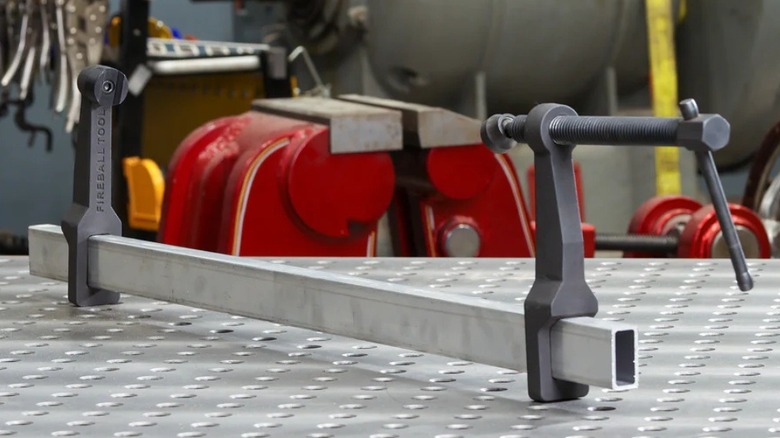
Clamps come in many different styles. They're useful for holding objects in place while you work on them or for keeping materials together while adhesive sets. Normally, the size of objects you can clamp is limited by the clearance of your clamp — typically just a few inches. Larger clamps are usually only a couple of feet long at the outside. If you need to clamp something larger than a conventional clamp can accommodate, then Fireball Tool's Maximus bar and dog clamp could come to the rescue.
Instead of a single object, these clamps come in two separate pieces which can be attached to any two-inch by one-inch material. Using a bar or pipe as a spacer, you can customize your clamp to be whatever size you need it to be, then disassemble your clamp for easy storage between jobs.
The clamp comes in a couple of different sizes. You can choose between a 6-inch standard throat depth or a 3.5 inch short arm design, each of which operate on an 8-inch spindle. If you need something even smaller, you can also get the Mini Maximus bar and dog clamp kit, which has a 3.5-inch throat depth and a shorter 5-inch spindle. You can choose clamps made of either forged steel or ductile cast iron, depending on your purposes.