

12 Useful Mini Tools That Every Homeowner Should Have Around The Home
We may receive a commission on purchases made from links.
When I first purchased my home in 2019, I had no idea what I would end up doing in terms of tools. There are so many recommended essential items across the internet that it was honestly pretty overwhelming at first. However, my neighbor blessed me with a bit of wisdom that I now pass onto you: He said to buy the tools you need when you need them, and your collection will grow over time.
That is salient advice, but you may want to get a head start. In my experience, there are some great mini tools that you can get that are surefire home runs; you're practically guaranteed to find a use for them in the future. These small-sized tools can be housed in a closet, a garage, or even a cabinet drawer without taking up a ton of space, making them great as starter tools or to augment what you already have.
In my mind's eye, there are two types of mini tools. The first are your standard ones that are made to be really small for easy storage and use. The others are combination devices like the humble (and affordable) multitool, famous for having a dozen tools built into it, which is great for ensuring they take up less space. The list below is chock full of both types, so here are some mini tools to get you started as a homeowner.
Craftsman Keychain Tape Measure
In my six years of homeownership, I can count on one hand the number of times I have needed to measure something longer than a few feet. Don't get me wrong; a good quality tape measure is a must-have for things like larger scale home improvement projects. However, the overwhelming majority of my measuring hasn't required that. Recently, I swapped out a toilet seat and measured it to make sure the replacement would fit. That was less than two feet. For such jobs, a keychain tape measure is a good solution.
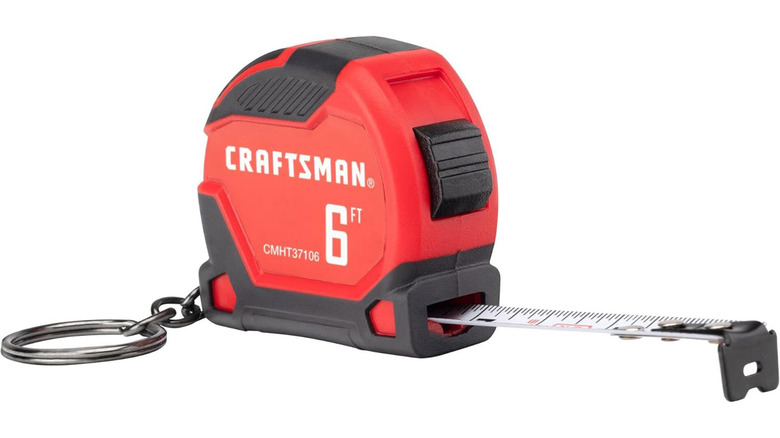
As the best tape measure is one you have on you, this Craftsman Keychain Tape Measure fits the bill. It's got six feet of tape, which will work just fine for the overwhelming majority of household tasks that require measurement. It's small enough to fit in the palm of your hand, and doesn't weigh down the old key ring too much, either. If you don't want to keep it there, you can easily hang the tape measure from that same key ring on a wall hook or something similar.
Don't get me wrong — there is definitely still room in the garage for a full-size tape measure. It's almost guaranteed that you'll need one someday, but considering how you don't usually need a whole 25 feet (or more), this little guy is perfect.
Olight iMini 2
Anyone who has ever had to deal with an extended power outage knows how important it is to have a good flashlight handy. There are also tons of uses for a house-bound flashlight, including looking into dark corners under sinks, behind appliances, and in the recesses of closets. You can certainly use a good full-size flashlight for this, but a mini one will work just as well for common household needs. The brightest flashlights can light up whole fields, but you won't need that much power inside your own home unless you're looking to blind everyone, including yourself.
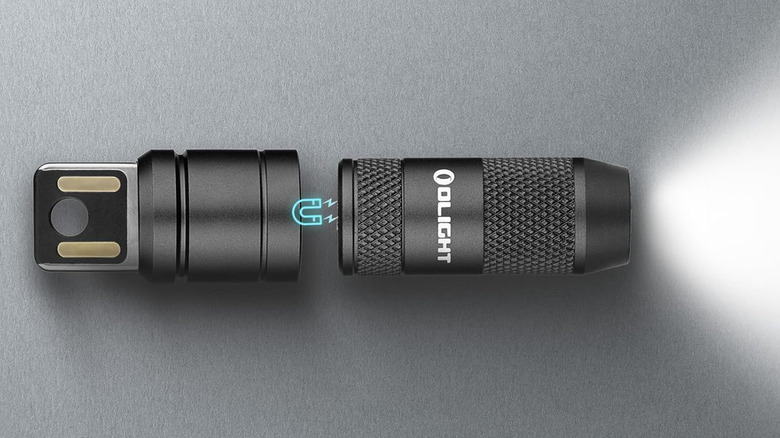
In this case, the Olight iMini 2 is a good contender. It's inexpensive, extremely small, and easy to charge with its magnetic USB charging port. It's also small enough to hold between your fingertips. It comes in four colors, and I recommend one of the brighter choices (like orange or green) to make it easier to find if you drop it in a dark spot. Charge yours up, keep it in a secure place, and then you can rely on its 50-lumen output as more than enough to find the bathroom in the middle of the night.
With its tiny size, it'll easily fit into a drawer or a purse, making it more versatile than a larger flashlight. Based on user reviews, it doesn't take a long time to charge, either — not bad for under $15.
Kobalt mini toolbox
When you think of a toolbox, you usually have visions of these monstrous things that can store a whole shop's worth of tools. That is indeed a good way to go, as having a single spot for all of your tools makes them easy to find, provided that you don't use your toolboxes to store the wrong kinds of things that lead to mess and clutter. Mini toolboxes, however, are a solid alternative; sure, they house fewer tools, but their smaller size means they can fit in more places.
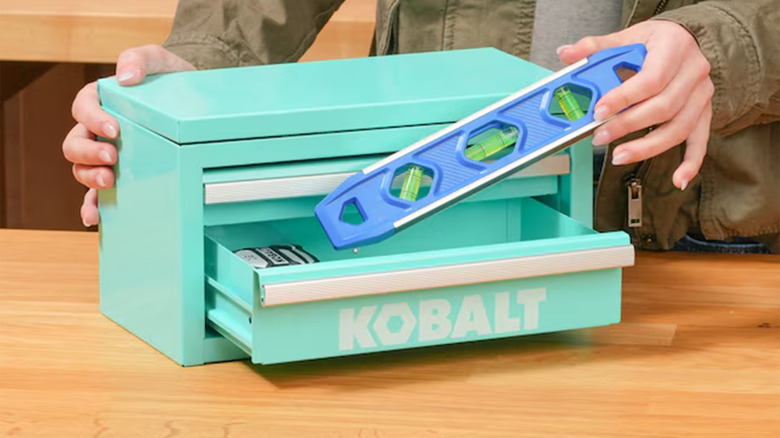
For me, the obvious choice is the Kobalt Portable Mini Toolbox. These adorable little things come with two drawers and a top that pops open for a third storage space. They also come in roughly a dozen colors, which means they won't look terribly out of place if used indoors. My wife has one with office supplies for her home desk when she works from home, and I have one in my office closet that is full of odds and ends like SD cards and mechanical keyboard key pullers. We even have another one in the basement for storing some basic tools for simple in-home repairs and musical instrument maintenance.
The price is right on these mini-toolboxes as well, as they usually go for less than $25. This, plus the pop of color, make them an aesthetically pleasing way to add some cheap storage.
A pair of nippers
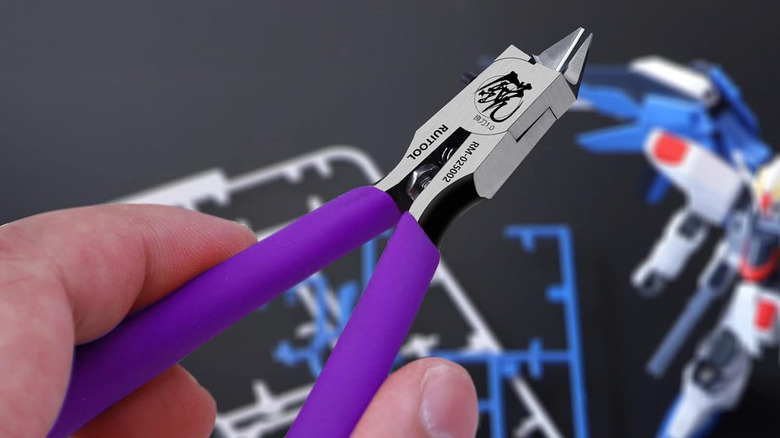
Once upon a time, my wife and I went through a phase where we bought and assembled Gundam Plastic Model Kits (Gunpla). As part of that, we bought a couple of pairs of diagonal cutting pliers, commonly known as nippers. We bought and built all the Gunpla we wanted, and the nippers have since found a new use as a tool ideal for small tasks around the house.
Any pair of nippers that run less than $20 will work well for a DIY homeowner. They're sharp enough to cut wire, cable, fishing line, and other things around those same sizes. They can also be used to shape tile, extract nails (although this does dull the blade), and as an ad hoc scraper for small corners. Those are just a few the things I've used mine for.
It's true that tools like wire cutters and box cutters would work better when used for their designed purpose. Still, a pair of nippers are cheap enough to throw away if you break them and small enough to store just about anywhere, making them great to use in a pinch (pun not intended).
A digital caliper
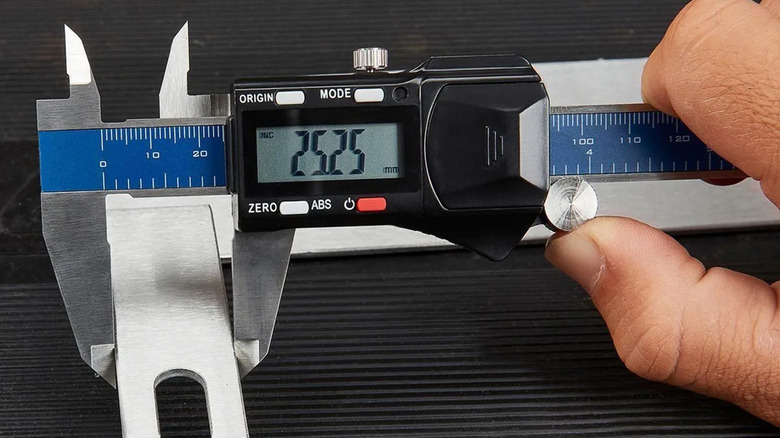
When it comes to measuring things, most stuff can be done with a tape measure or a ruler. However, for measuring on a very small scale, you'll need something a little more granular. There are few tools as good at that than the digital caliper. They're useful in virtually any field of home repair, whether it's carpentry, plumbing, or even electrical work if you need to measure wire gauges. I've used mine with my guitar because I couldn't remember what gauge strings I used last. I've also used them to measure a flywheel key on my riding mower.
If you dive into Reddit for more info on digital calipers, you'll see people recommending very expensive ones. This is warranted if you work as a machinist and you have to adhere to very strict tolerances. For homeowner use, though, any digital caliper is accurate enough to do the trick; you can buy whichever one you like that suits your needs. Harbor Freight's 6-inch digital caliper by Quinn is a good option, though it is a bit pricey (like many homeowner tools, you can get a decent caliper for usually under $20). It's accurate down to the thousandth of an inch, which is likely more precise than any homeowner will ever need.
Klein Tools 11-in-1 Magnetic Screwdriver
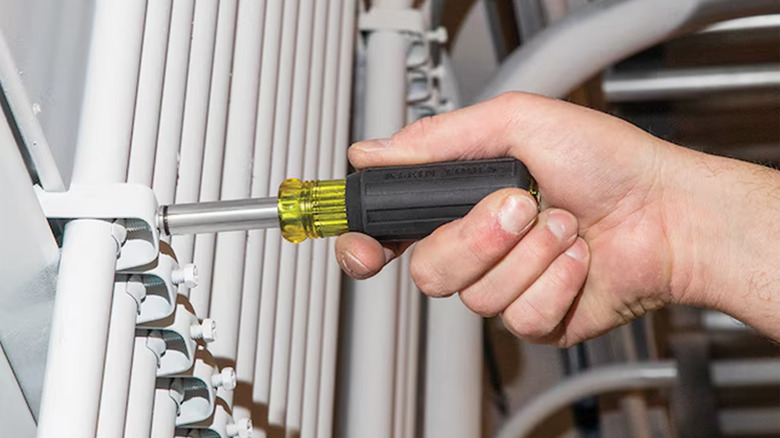
When it comes to tool sets, people usually eye those big kits with tons of tools and options. They aren't bad purchases for beginners, but the majority of those kits only have the most common tools in the most common sizes. This becomes a problem the first time you have to tackle something weird or obscure. That's why it's worth considering buying tool sets as you need them instead of just getting common sizes in a larger kit. In such cases, a more specific mini tool is an excellent idea — like a combination screwdriver that comes with specialty bits.
Klein Tools' 11-in-1 screwdriver is a great example. It features a space-saving small size and several swappable bits. The kit includes Phillips head, slotted, hex, and square recess bits, as well as three socket bits. For the most part, you probably won't use the socket or hex ones too often, but the square, flat, and Phillips head ones? Those are all extremely common. Having one single screwdriver that can tackle them all is nice.
A targeted mini tool like this offers great versatility. In the years since I bought my house, I have a full wrench set, a full ratchet set, and a full hex wrench set. However, I still use my all-in-one screwdriver more than any of my other tools by a wide margin.
Leatherman Bond
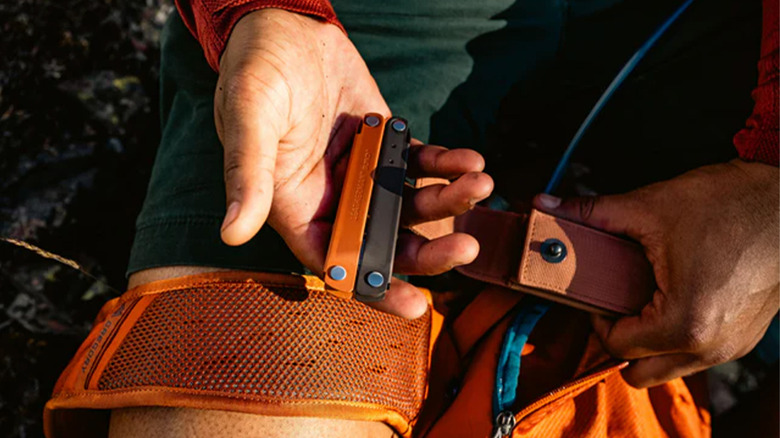
When I was a kid, the Swiss Army Knife was a must-have tool. The amount of pocket-sized utility it offered made it great for fishing trips, and I kept mine until it fell apart. Modern multitools have gotten even better. I haven't replaced my old Swiss Army Knife yet, but my neighbor carries around a Leatherman that he pulls out for tiny tasks all the time — when constructing this list, a similar multitool was one of the first things I thought to include.
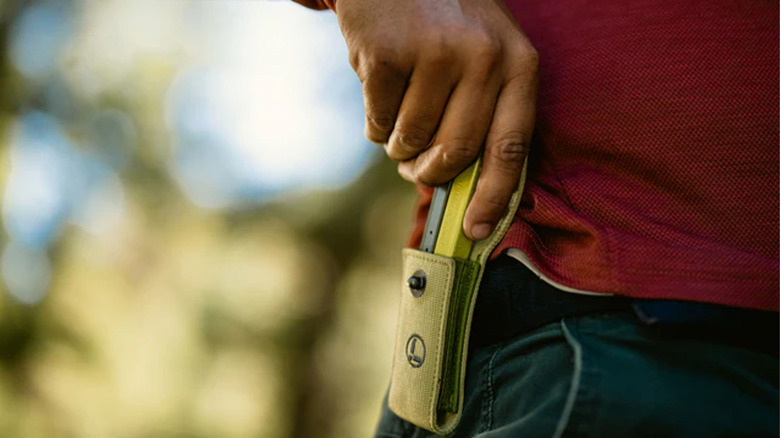
The Leatherman Bond is a good mix of utility and price, and it also comes in a few different colors. This little pocket-sized device has a knife, grinder, pliers, wire strippers, and a few screwdrivers, along with some other stuff. It's $70, which isn't exactly chump change, but keep in mind that it also comes with an absurdly long 25-year warranty. In any case, carrying one of these around in your pocket makes you prepared for small chores all over the house, whether it's tightening that loose screw to the medicine cabinet or opening a sealed-up tube of caulk.
Multitools these days range in size and price; there are tons of alternatives on the market made by brands like Gerber and DeWalt as well as Leatherman. If you want to go old school with it, Victorinox still makes the original Swiss Army Knife in dozens of different configurations as well.
Dremel 4300
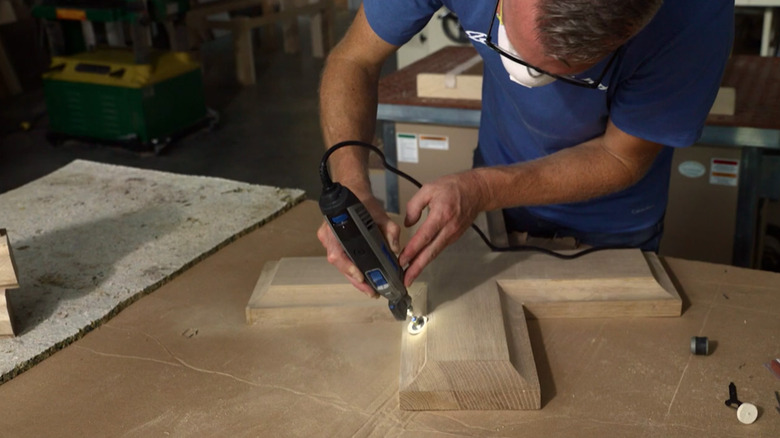
I will sit and sing the praises of my Dremel all day, every day. It is one of the most versatile tools I've ever owned, which is remarkable considering its small form factor. In terms of multitools, there are few things on Earth that can do more than a Dremel; they're also usually pretty reasonably priced for what you get. Thanks to their interchangeable bits, you can sand, carve, engrave, screw, cut, grind, and sharpen loads of things. A good example is how I once used my Dremel 4300 to remove a little wood from a door frame so I could fit a light switch plate.
The 4300 is the standard here, and the one I'd recommend to people. You can find kits on Amazon on sale for about $100 that include the tool and a variety of bits to get you started. From there, you can buy additional bit kits as needed to expand even further. I've used mine to do all sorts of stuff; it's even great for trimming pet nails, as the grinder tools help you round out any freshly-trimmed sharp edges.
This is definitely one of the bigger tools on the list, so I'm not sure if it strictly counts as a mini tool. Still, it's small enough to hold and use in one hand, which is good enough for me.
Hex Wrench Key Set
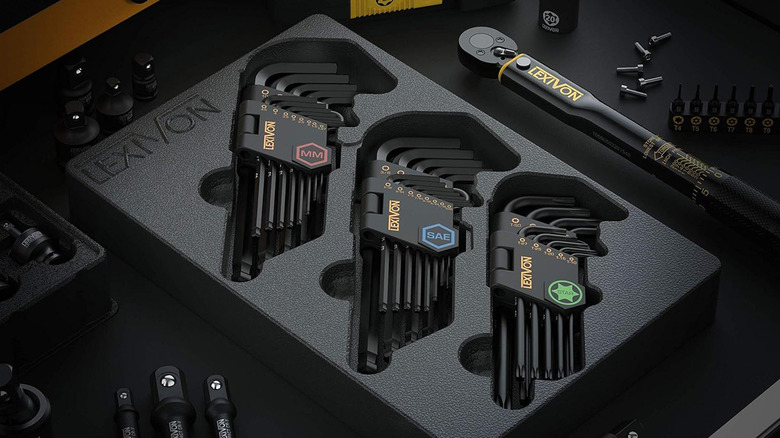
Loads of things use hex wrenches these days. I've used mine for putting together furniture as well as adjusting the truss rod and bridge action on my bass guitars. They're also good for electronics, automotive tasks, and bicycle maintenance. Even the desk chair I'm currently sitting in required one for assembly; while the manufacturer included a hex wrench in the packaging, it's still a good idea to keep a set of your own around in case you lose the original.
When buying your own set of hex wrenches, it's best to cover as many bases as possible. This Lexivon Master Wrench Key Set is a good place to start. It comes with both imperial (SAE) and metric sets along with a star head set for the handful of times in your life you'll need one of those. They also come with a lifetime warranty and a neat little box to store them in. If that's a bit much, you can get the more affordable Amazon Basics set, which I own and use myself.
These things don't take up much space, are easy to store in a toolbox or a cabinet drawer, and almost always come in a holder that keeps the whole set together. Most of them will feature clearly labeled sizes to help you stay organized and ensure you can grab the right size wrench for the job.
A magnetic parts tray
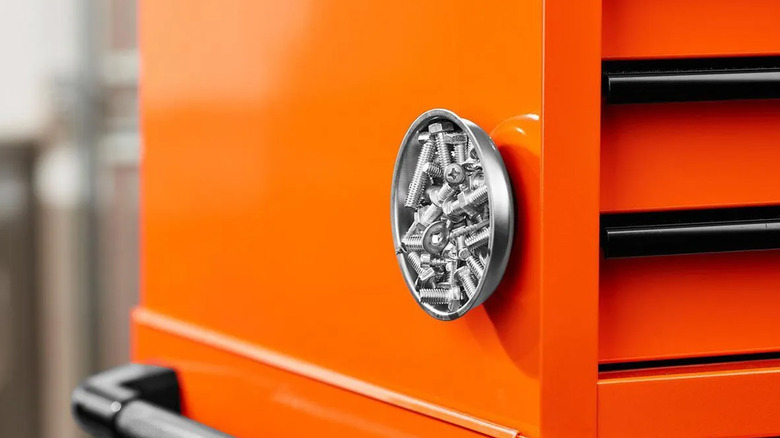
I could make an impassioned and logical argument about why the magnetic parts tray is easily the most underrated tool in the world. It's ridiculous how useful they are — and yet it's also ridiculous how you can read a hundred Reddit threads about tool recommendations before you see anyone mention one. These ingenious little devices are invaluable for their ability to hold various metal things like sockets, screws, and nails securely with their built-in magnets, preventing them from rolling away and getting lost.
The great thing about magnetic parts holders is that they're very inexpensive. This one from Harbor Freight costs $5, has four pounds of magnetic hold, a rubber base so as to not damage the surface it's placed on, and is strong enough to stay put when placed on a vertical surface of even upside down. You can typically find similarly priced trays in any hardware store, as well as online retailers like Amazon.
The versatility here is what sold me. I most recently used mine when cleaning my laptop to hold its case screws, and I used it again last summer to keep track of various components while replacing the alternator on my lawn mower. My favorite part about owning one of these is that these magnets are strong enough to stick to anything made of metal in your garage or home. I've placed mine on the side of my toolbox, on the support brackets of a shelf in my garage, and even once on my refrigerator.
Husky Stubby Ratchet and Socket Set
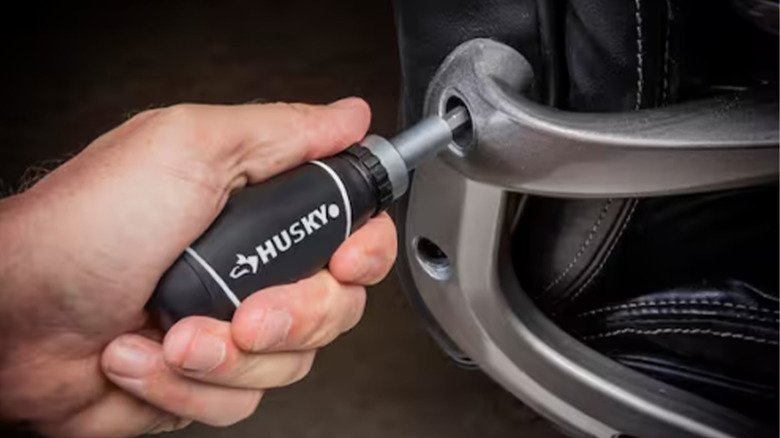
Some tool brands actually make mini tool kits, which is a nice way to get some usability without taking up a ton of space. These kits are sometimes hard to find, but they're great to have; they're easy to store and fit comfortably in your hand. They also tend to be pretty basic, which leaves room for full-size tools later down the line when you need something that the kit doesn't come with.
The best one I could find was the Husky ¼-inch and ⅜-inch Stubby Ratchet and Socket Set. This 46-piece set comes with an all-in-one screwdriver with about two dozen bits, an adjustable wrench, and a ratchet with 22 sockets. It's ideal because each tool is adjustable to do different jobs, offering a lot of functionality in a small package.
The Husky set retails for $30, which is quite reasonable for what you get. If that's too rich for your blood, you can wait until it goes on sale; I've seen it drop to as low as $20, and making it an excellent deal overall.
iFixit Mako Driver Kit
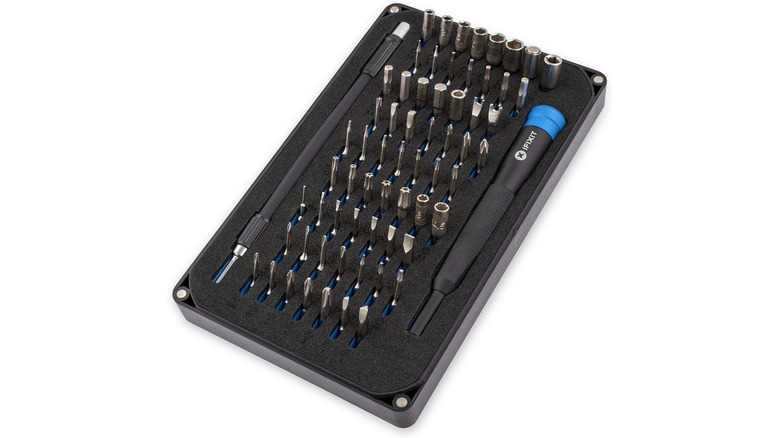
Of all the mini tools I own, the iFixit Mako toolkit is arguably my favorite. I don't use this so much for homeowner duties around the house, but I do rely on it all the time for electronics stuff. The kit has a small screwdriver that fits in the palm of your hand and includes a rotating base so you can keep going without having to lift the driver up or shift its position. The sheer variety of bits this kit comes with cover a wide range of use cases; for example, it includes a TR8 Torx security bit, which you can use to open up an Xbox Series X controller.
I bought my set some years ago when I wanted to build a DIY PC, which the Mako tackled without any problems at all. Over the years since I've used this kit for many other things, like repairing and cleaning my electronics. However, that's not all — these small bits also work for some homeowner tasks. I've used the smallest flathead bit as a wedge to open picture frame flaps and also to remove electrical socket plates.
Fine, detail-oriented tasks like those is where this kit excels, especially as these tools feel really comfortable while you're using them. To make things even better, iFixit includes a lifetime warranty. Not bad for a kit that retails for around $40.