

12 Common Problems With Garage Doors And How To Fix Them
We may receive a commission on purchases made from links.
Your garage door may seem simple because it only opens and closes, but it's likely the biggest moving part of your house. It impacts your home's security, its energy efficiency, and how good your place looks from the street. Since these doors cycle open and closed thousands of times over their life, it shouldn't shock you that they run into problems sometimes.
When a door breaks, it instantly throws a massive wrench into your routine and can cause you stress. Having your house feeling totally vulnerable overnight or while you're at work because it won't close can make anyone tense. You might also fear that it will be expensive or time-consuming to fix, but that doesn't always have to be the case.
Before you pick up the phone and call a repair company, you may be able to see an issue you can fix with what you have at home. There are many simple issues that happen all the time, which don't require that much technical experience. In fact, some of them can be solved within a few hours.
Dead transmitter batteries
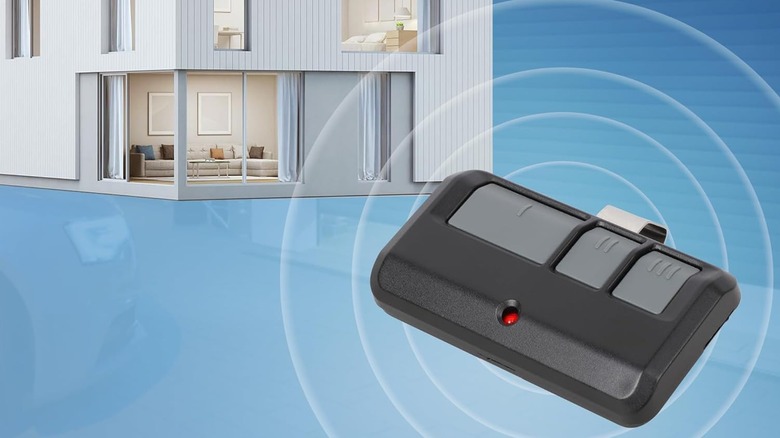
One of the easiest and most common headaches with a garage door is simply that the handheld remote has lost power. As you start figuring out what's going on, watch how the system acts when you press the three buttons on your controller. If the wall switch works perfectly, but the one you keep in your car is totally useless, then you need to swap out those batteries right away. If you have a few remotes, try testing all of them to confirm if the problem is just the battery or if the actual receiver inside the opener unit is fried.
A really clear sign that the power source is depleted is when the little LED light on the controller barely glows, or doesn't light up at all when you push the button. Also, before the battery fully dies, you might notice that its operating range is much smaller, forcing you to get significantly closer to the door for the signal to register.
To sort this out, you first have to figure out the right battery type, since garage door openers vary quite a bit. Common sizes include 3-volt lithium coin batteries (CR2032 or CR2016), although older systems often run on 1.5-volt alkaline batteries, such as the A23.
Misaligned safety sensors (photo eye lenses)
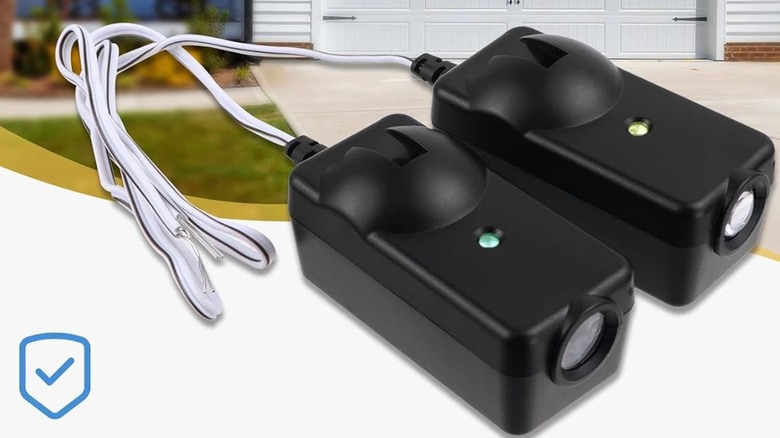
If your garage door opens flawlessly but then just won't close, or if the light on the opener flashes when you try to close it, you can bet the problem is with your safety sensors. These are sometimes called photo eyes, and they're a mandatory safety feature mounted close to the floor on your door tracks, usually within six inches of the ground. They work by shooting an invisible infrared beam from one sensor to the other.
If anything interrupts it, the door is automatically going to reverse back up to the fully open position to prevent accidents. When this safety lockout happens, the motor unit lights will usually flash ten times, letting you know exactly what the trouble is. Sometimes, all it takes is a little dust, a stray leaf, or something you need to toss out to block the signal. Spiderwebs are notorious for causing issues; They love building homes right across the sensor lens and can mess up the signal even if the path seems open.
If you've confirmed the path is clear and the lenses are spotless, then your sensors are probably just misaligned. To fix this, just loosen the wing nut on the receiving sensor's bracket. Then, gently nudge or wiggle the sensor until that LED light stops flickering and locks into a steady green.
Limit settings are off
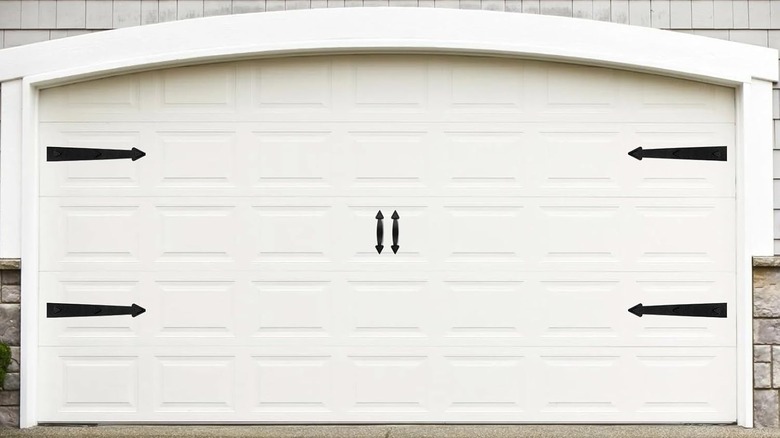
If your garage door slams down, hits the concrete, and then immediately pops back up, or if it stops short and leaves a gap six inches above the ground, the problem is almost certainly your travel limit settings. These are the mechanical or digital instructions that tell the opener precisely how far the trolley or arm needs to move to get the door fully closed or fully open.
When they're set wrong, the opener either thinks the job is done while the door is still floating above the ground, or it doesn't recognize the floor at all, forcing the door down until the safety sensors trigger and reverse it.
To sort this out, you'll need to locate the Limit adjustment screws on the motor unit, typically on the side or back. Look for markings like "Up" and "Down" or "Open" and "Close". If the door is slamming and reversing, it means the motor is traveling too far; You'll have to turn the Down screw just a tiny amount to reduce the travel distance. Make these adjustments in extremely small steps, like a quarter turn at most. On a lot of models, one full turn of it can equal two full inches of door movement.
Disconnect switch enabled (emergency release)
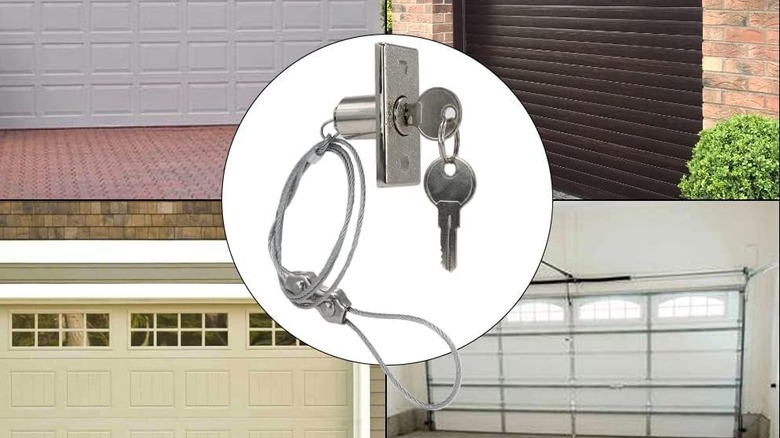
If your motor is running and making a ton of noise, but the door isn't moving an inch, you need to check that red emergency rope hanging down from the rail. This usually means the trolley mechanism has been detached from the track. That red cord hanging from your door is your emergency release, which lets you open the door manually if the power goes out or if something breaks.
If someone pulled it, or if it got accidentally snagged by a roof rack or a ladder, the opener will run fine, but the carriage will just slide back and forth along the rail without grabbing the door arm. To fix this, you just need to reset the mechanism. Pull the cord again, but this time pull it toward the door, or just snap the lever back up to re-engage the catch.
The goal here is to get that spring-loaded lever on the trolley back to its horizontal, locked position so it can connect back with the carriage. Once the lever is set correctly, run the opener again so it locks back onto the mechanism. When the two pieces meet up, you should hear a loud, distinct click, which confirms the system has locked together and automatic operation is restored.
Power source failure
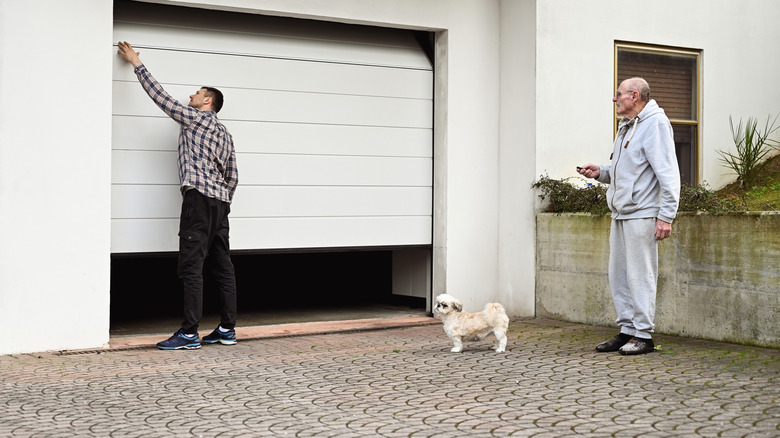
When your garage door opener goes completely dead, the problem is usually an electrical issue, not a mechanical breakdown. If the whole thing is totally unresponsive, the first step is just checking that it's plugged in. The vibrations from opening and closing the door every day can make the plug wiggle right out of the wall socket. If it's secure, go to your house's circuit breaker or the GFCI outlet (the one with the little reset buttons) to see if the power has tripped.
To confirm the outlet isn't the issue, unplug the opener and plug in a small appliance, like a lamp or a hair dryer, and see if it works. Sometimes an outlet can get faulty or fried from a storm surge, and you'll need a qualified electrician to swap it out. If it works and the breaker hasn't tripped, then the problem might be internal.
Check for a blown fuse inside the opener unit itself, which is there to protect the guts from power surges. You should also look at the starting capacitor. You can often visually inspect the capacitor for damage; Bulging, leaking fluid, or burn marks means it should be replaced immediately. If you catch a burning smell coming from the motor, that's a serious sign of electrical trouble or overheating. Motors usually have thermal overload protectors that shut things down if they get too hot from overuse.
Locked wall switch
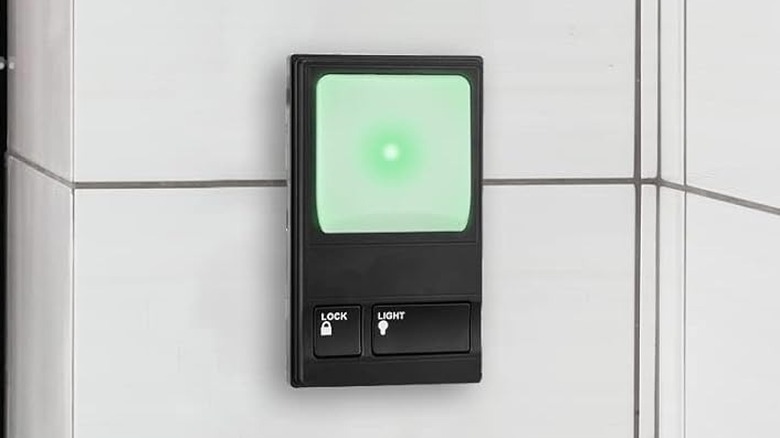
If your remote control suddenly won't operate the garage door and you see the wall switch flashing, there is usually an easy fix. If the door only works when you use the wall-mounted panel, it might be because of a security feature, not a mechanical failure. A lot of those wall consoles have a Lock or Vacation feature that turns off all your handheld remotes for security. You just need to press and hold that lock button for a few seconds until it switches off.
This particular feature is designed to give you peace of mind by stopping any unauthorized radio signals from opening your garage while you're gone for a long time. When this mode is turned on, the logic board inside the opener completely ignores incoming signals from your handheld transmitters. This effectively blocks any attempt to open the door wirelessly, although the wall button usually stays active for local control.
It's not hard to flip this switch by accident, maybe when you're cleaning the wall console or if a kid hits the button without realizing what it does. The clearest sign that this mode has been activated is the LED indicator light on the wall control panel. Instead of staying solid, it will flash continuously to tell you the system is in that secure, locked state.
Lack of lubrication (squeaking) or loose hardware
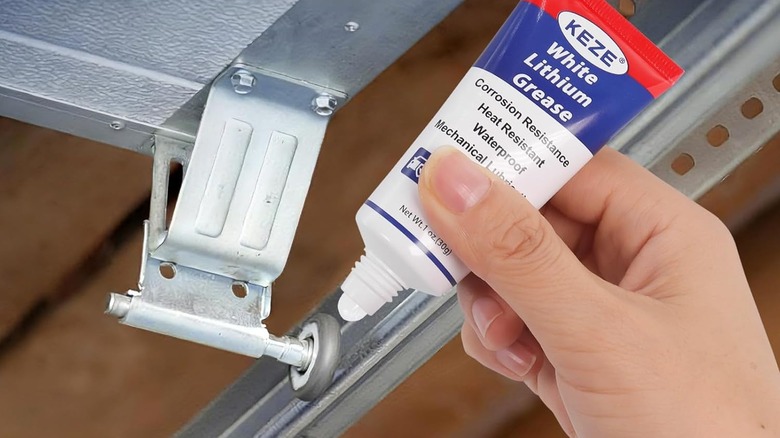
If your garage door is screeching like some rusty old ship every time it moves, those loud squeaks or grinding sounds usually mean your moving parts have dried out and are generating friction. You might also hear a rattling, or see the door actually shake as it travels up and down, which almost always signals hardware that's loosened up over years of vibration.
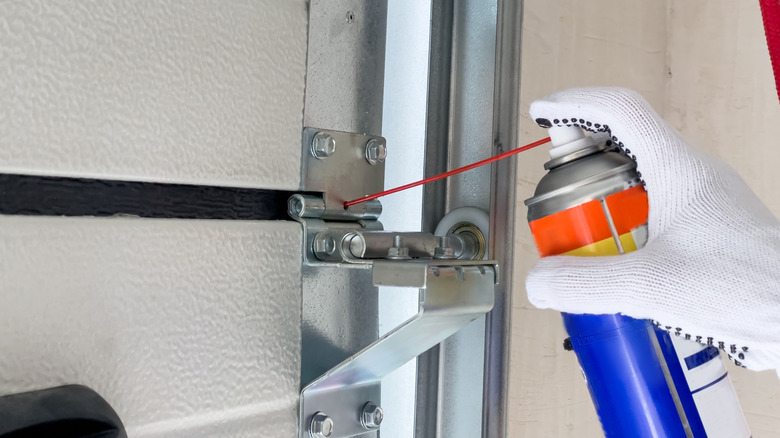
Steer clear of regular WD-40; That stuff is a solvent and a degreaser, meaning it actually dries things later and attracts debris. That standard formula tends to thicken up when it's cold and grab grit, transforming your intended lubricant into an abrasive paste that speeds up wear. That's why a WD-40 substitute is always better, so grab a lithium-based grease or silicone spray and hit all your rollers, hinges, and springs.
For the hinges, focus on the pivot points where the two sides connect and on the rod holding them in place. When you hit the rollers, make sure you apply the lubricant directly to the ball bearings inside the roller wheel. However, if you're working with nylon rollers that don't have exposed bearings, they typically don't need any lubrication at all. Make sure to treat the heavy-duty metal springs sitting above the door. Give them a nice coating of lubricant so the coils can slide against each other smoothly without making noise, but always wipe away the leftover product so it doesn't drip everywhere.
Track misalignment or door off track
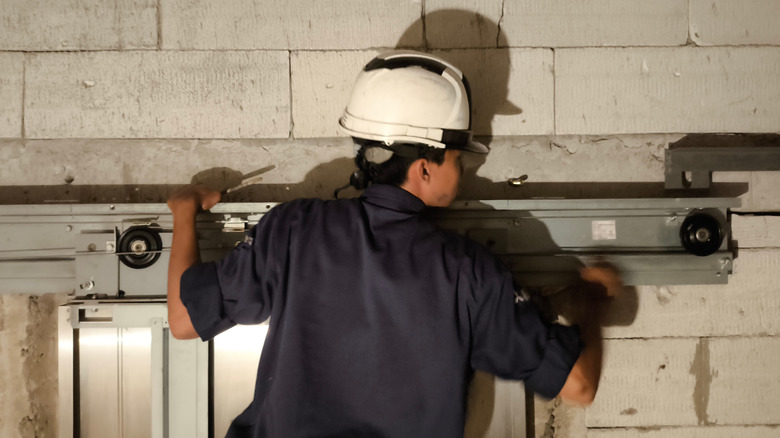
Those metal tracks guiding your garage door rollers keep things running smoothly and safely, but they can shift easily. This can happen because of loose hardware, maybe someone bumped them accidentally with a vehicle, or even just because your home's foundation is settling naturally. You'll know you have a problem if you start hearing loud grinding or scraping, or if the door looks noticeably slanted or crooked when it's shut.
If you see severe damage (bent rails or anything to do with high-tension springs), you need to call a professional technician. However, minor alignment fixes are doable yourself using basic tools like a wrench, screwdriver, level, and a rubber mallet. Remember to disconnect the power to the garage door opener before doing anything. You can gently tap the track with a rubber mallet until it lines back up vertically. Then just tighten those screws securely again.
If it's just a minor slip, you can disconnect the opener, slightly loosen the track mounts, pop the roller back into the track, and then secure everything tightly. When making these adjustments, be careful to only loosen the mounting bolts rather than removing them entirely. Once those tracks are vertical and parallel, make sure you tighten all fasteners, to prevent them from shifting again due to the vibrations of daily use.
The door opens by itself
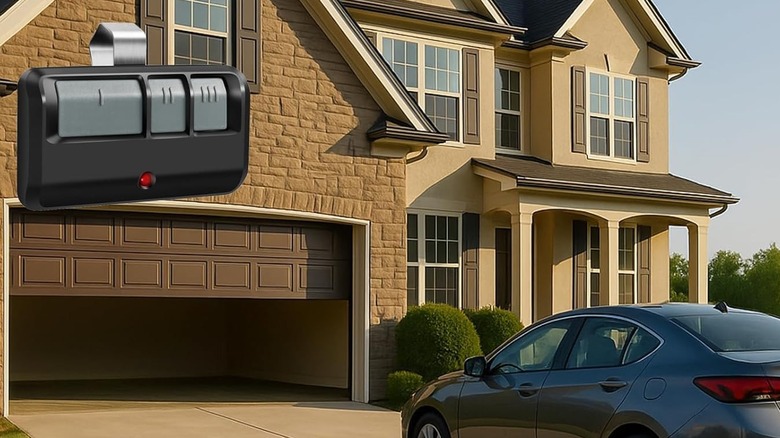
If your garage door just decides to pop open completely on its own, this usually points to a few common issues that aren't hard to fix. The wiring for the wall control is often the primary culprit. If a staple was driven in too tightly to a wire, it pinches the insulation and causes a short. If you find a pinched spot, try loosening it just a bit, and if the wire looks totally ruined, swap out that damaged section completely.
Sometimes the wall button itself is just worn out or has a mechanical problem that constantly activates the "open door" function. You can easily test this by unhooking the wires right at the terminal. If the door stops opening after you do that, then you simply need a replacement wall control. The same can happen with a remote. A transmitter with a stuck button, maybe due to sticky spills, crumbs, or being mashed against other items in your car, can constantly transmit an "open" signal to the motor.
You should also look out for radio frequency interference. This could come from nearby electronic devices, like wireless routers, baby monitors, or even a neighbor's old garage door opener that uses the same frequencies as yours. To fix interference issues, you'll probably have to clear the opener's memory and reprogram all your remotes to a totally new code, essentially switching the channel your door listens to.
Door frozen to the ground
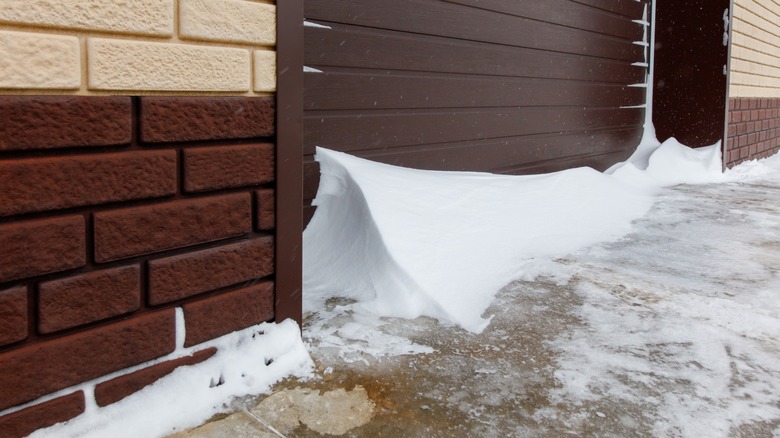
When it's freezing outside, you might notice your garage door won't lift at all, or maybe the opener just grinds for a second and then stops trying. Don't try to force it open by hitting the remote or wall button over and over. If you try to force the door when it's frozen, you could easily burn out the motor, strip the drive gears, or even tear that bottom weather seal right off the door panels.
Instead of risking costly damage, just grab a heat gun or even a simple hair dryer and carefully melt the ice around the garage door. Make sure you keep it moving constantly so you don't scorch the rubber or mess up the door's finish. While you're doing this, it's a good idea to pull the manual release cord to disengage the opener. This lets you test the door by hand to confirm the ice has broken free without putting any extra strain on the motor.
If you can't use heat, you could carefully chip the ice away using a plastic putty knife or scraper, but be extremely careful not to rip the door's rubber gasket. Once the door is actually moving, make sure you clear all the snow and remaining ice from the threshold and the driveway section where the door settles. Finally, spray some silicone onto the bottom rubber seal to keep it from sticking next time.
Worn weather seal (drafts)
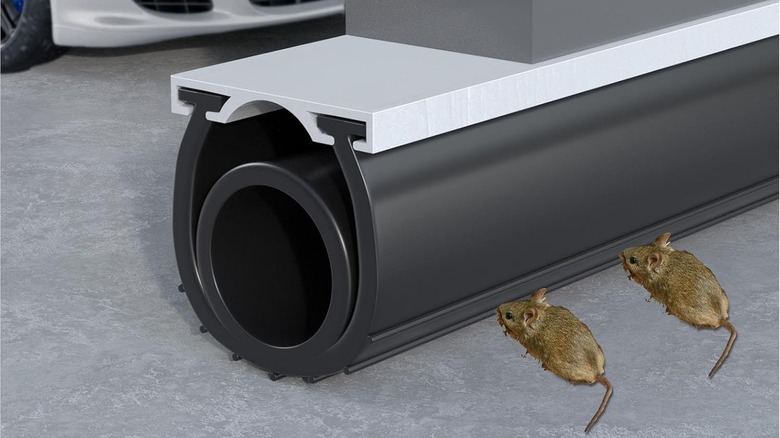
If you've noticed water, snow, or maybe even mice finding their way into your garage, just check the rubber seal running along the bottom edge of the door. A quick way to confirm this issue is to stand inside the garage with the door closed and look for daylight creeping in along the perimeter; Visible light shows a gap that requires adjustment or replacement.
If it looks cracked or brittle, head to the hardware store and pick up a replacement insert or a whole new aluminum retainer track. While vinyl is often budget-friendly, EPDM rubber seals offer much better flexibility and durability, easily withstanding extreme temperatures ranging from -50 to 300 degrees Fahrenheit without freezing or cracking. A garage can reach extreme temperatures, so need that durability for cold and heat; It's also why you shouldn't store certain items like wine in your garage.
It's usually easy to slide the new seal right into place, though the process requires some preparation. Raise the door to a workable height and secure it, then remove the old seal. Make sure to clean the retainer track with a stiff brush or vacuum. Apply a silicone-based lubricant or soapy water to it and the new seal. Once installed, trim the excess material, leaving a small amount to fold over and tuck into the track to prevent shrinkage from creating new gaps.
Rust on tracks
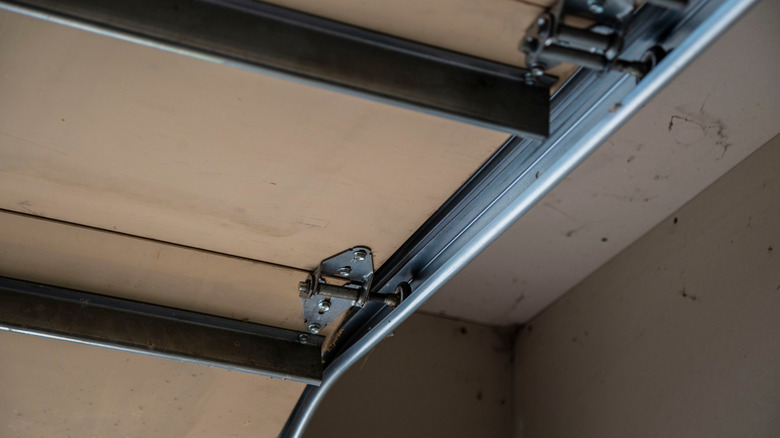
If your garage door feels weirdly rough when it's rolling up or down, you need to clean those tracks. That rough feeling is a clear sign that the metal channels that guide the door are collecting dirt or starting to rust. This isn't just an ugly problem; It boosts friction significantly, making the door stick, jerk, or move slowly. That puts a huge, unnecessary strain on your opener motor and can ruin the structure over time.
If you want the door to run smoothly again, you've got to get rid of that oxidized layer before it permanently pits the surface. Grab a rag and some automotive brake cleaner (or a mild solvent) to remove the built-up grime and surface corrosion. If that corrosion is really stuck, you can use a wire brush or steel wool to lightly scrub the trouble spots; Just make sure you're only removing the flaky bits without changing the actual shape of the track.
Remember that you should never grease your garage tracks. If you want a more natural solution, common household liquids like vinegar are also good at dissolving rust before you scrub it off. After it is gone, wipe the tracks down completely with a clean, dry cloth. You want to make sure there's no loose particles or moisture left, since dampness will just make it come back faster.