

5 Things In Your Garage You Probably Need To Toss Out
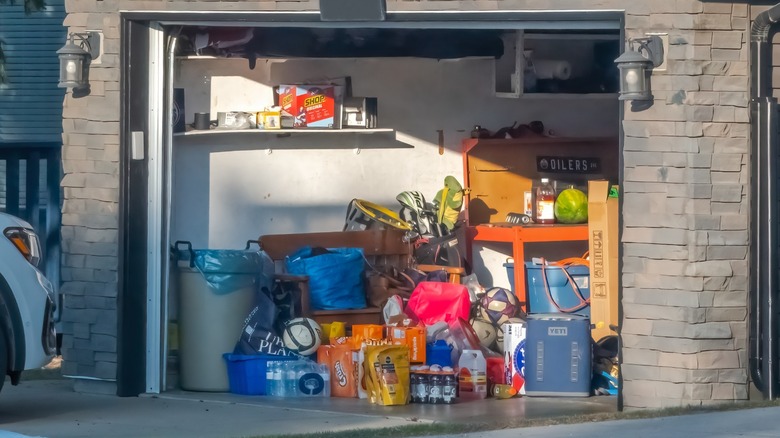
Whether you own or rent a home, you probably keep a lot of things in your garage. This could be stuff like leftover items from past projects, unused Christmas decorations, old tech gadgets, and several boxes that you've already forgotten about. While you're free to keep as much as you like in your home, you're probably missing out on a lot of space by not tossing out stuff that you don't really need. More importantly, all that clutter is also adding to your mental load and daily stress, especially every time you see them when you park your car.
You might think that it's ideal to keep everything in your garage untouched and only start sorting everything and disposing of unneeded items during spring cleaning. However, you can start cleaning up right now by tossing out some of these items. This way, you can start chipping away at the clutter in your parking area. More than that, some of these items could actually be a hazard, so it's best that you move them out of your house as soon as you can.
Old batteries and defective power tools
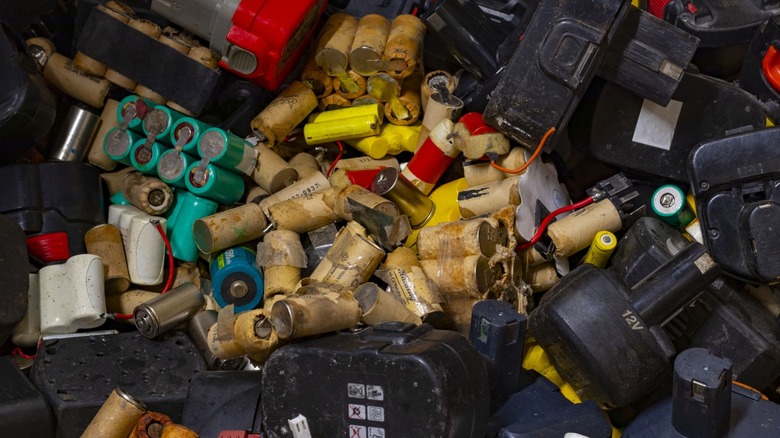
Whether you've just replaced your old cordless power tools with new budget-friendly ones from Amazon, or have a stack of batteries for your kit that you no longer need, you shouldn't keep them around in your garage. Batteries have a limited shelf life and will expire after a few years, so even if you keep them around as some sort of back up should you need extra batteries, they likely won't be useful anymore. Aside from that, tool batteries will not be compatible with your new tools, if you bought a different brand.
You should also consider safety when it comes to old batteries — they could bloat or leak once they reach their end of life or if you haven't used them for several years. These chemicals could potentially be dangerous, especially if you have kids around the house. Furthermore, lithium batteries could overheat, explode, or burst into flames if you break, bend, or crush them, so you should immediately dispose of them when they no longer work.
However, you cannot just throw away old batteries in the trash. You must first place each individual battery in a plastic bag or at least cover its terminals with non-conductive tape. From there, you must check your state's laws regarding safe battery disposal, as this may vary depending on the type of battery.
Leftover paint and other expired products or chemicals

Living in a house means you must maintain it as well. So, you likely have a stack of chemicals in your garage that you use for cleaning, repair, and beautification — this could include paint, bleach, toilet cleaners, WD-40, and more. While these things typically have a much longer shelf life than a carton of milk, they still have an expiry date. This is because they degrade over time, making them less effective at their jobs, or they dry out or evaporate, and all you're left with is an empty container.
So, you should check the household chemicals stored in your garage and see if they've already expired. For example, WD-40 might look like something that would last forever, but it actually has an expiration date. Once a chemical has gone past that date, it's best to dispose of it properly. As usual, you should check with local authorities how to throw away household hazardous waste.
Oily rags
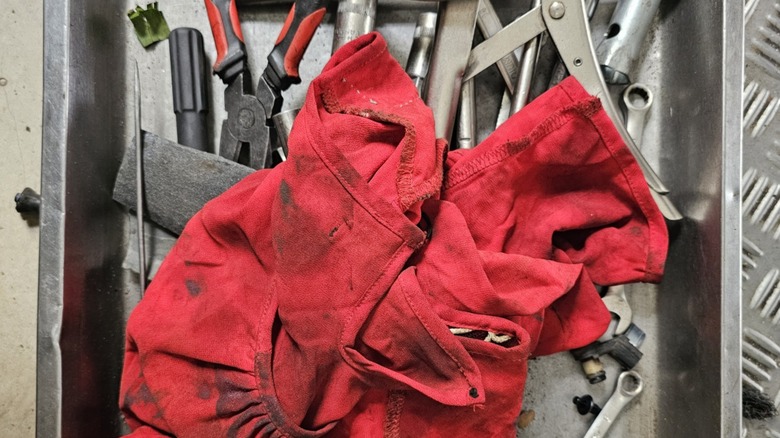
Whether you change the oil in your car by yourself or use other kinds of oil in your home, you should immediately dispose of oily rags after use. If you have a pile of these hanging out randomly in your garage, you should go out right now and put them in a safe container. That's because some oils heat up as they dry, and if you have oily rags bundled together, the heat could get trapped inside them and cause instantaneous combustion.
If you've just wiped up some oil with rags, you should set them apart and air-dry them outside your home. Ensure that they're secured so that they don't get blown around by the air and never put them in a pile. Once they're dry, put them in a fireproof, airtight container like an old paint can. Don't put anything else in the container, especially something combustible like paper, and be sure to bring it to your community's hazardous waste disposal site.
Broken bins and cardboard boxes for disposal
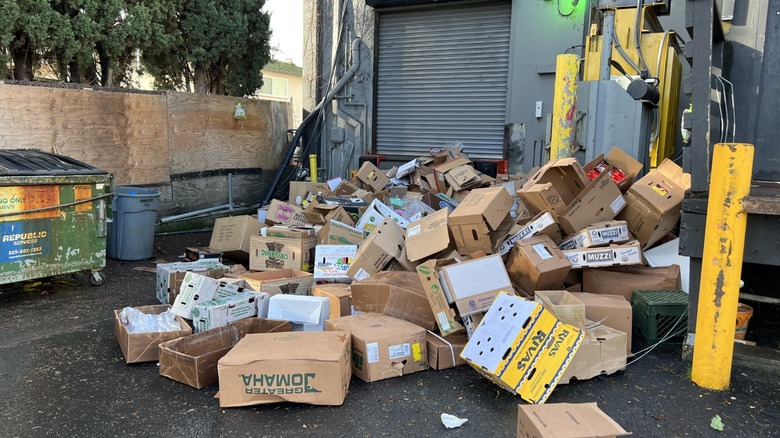
Boxes and bins are great for storing items that you have lying around at home. This is especially true for cardboard boxes that came with appliances or groceries that you bought, as you're essentially giving them a second life as a storage solution instead of throwing them away. But before you leave and forget about that cardboard box that your new coffee maker came in, you should check the space and see if you have several unused boxes stored in there. These things take up a lot of space, so you should check if those boxes you have stacked in your garage actually contain something. If they're empty, break them down. Keep a couple in a corner of your garage should you someday need one, but send the rest to the recycling center.
This is also true for old plastic bins, especially ones you've kept for several years. If you have several of these in your garage, check out their contents and see if they still have use for you. Unless they're important documents, your collection of power tools that require little maintenance, or items with important memories attached to them, you should dispose of them. Your future self will thank you for doing this, as you'll reduce the clutter and help give you more space in your garage.
Extra material from forgotten DIY projects
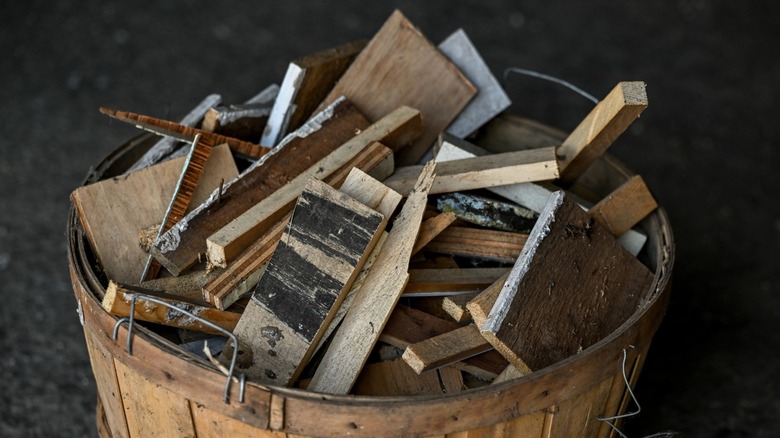
DIY enthusiasts have this tendency to keep extra material from old projects. But whether that's scrap wood from a small project you did years ago or that extra hook from that curtain upgrade you made last month, it's time to let go. Sure, if you have the space, you can absolutely store those leftover construction materials, especially if you're planning to do a small woodworking projects for beginners in the coming year. But if you don't foresee a use for these things in the next 12 months, it's best to dispose of these items and just get new ones when you'll need them.
You can give these extra items a second life by selling or donating them, so someone will use them immediately instead of having them sit gathering dust on a shelf for several years. Alternatively, you can send them to your local recycling center, where they will be processed and maybe even used as raw resources for new materials.