

13 Handy Ways To Use A Thermal Camera Around The Home And Garage

As far as household gadgets go, a thermal camera might not be a product at the top of your technology wish list. You might imagine that the home and garage applications of a thermal camera would be pretty narrow, but in fact, there are plenty of uses that make the up-front investment worth it. In most cases, there will be an investment, and possibly a hefty one. Despite the availability of many apps to turn your device into a thermal camera, those apps don't actually work unless your phone has built-in thermal capabilities.
Still, a thermal camera is a cool phone accessory, and you can find standalone thermal camera devices, too. So why would you want a thermal camera around your house or in the garage? Nearly any application involving differences in temperature is a scenario in which a thermal camera could provide helpful information. Whether it's water, walls, car parts, or any other material, all you need is a temperature difference significant enough that a thermal camera can pick it up, and you'll be able to investigate a host of home and vehicle issues.
Thermographic cameras, also called infrared cameras, essentially detect heat or infrared light. Then, the camera display shows the temperatures, usually with stark color differences for a range of temperatures. Here's how you can use that information to your advantage in your house and garage.
Detect water leaks
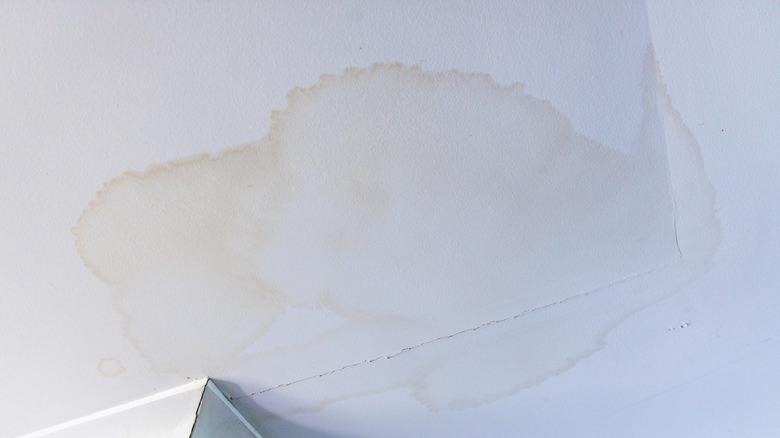
Unfortunately, water leaks are often silent until the problem is so bad that walls could start caving in on you. Especially with seepage over time, versus a massive one-time leak, you might not notice when things start to get a bit moist. In addition to water leak sensors, which may be more helpful for detecting standing water, a thermal camera could be a useful part of your diagnostic toolkit.
While a thermal camera won't show how much water lies behind walls or under floors, a temperature difference could reveal leaks. Water holds onto heat longer than the surrounding air, so you could find a hot spot from a leak. Conversely, frozen water could show up as a cold spot on a thermal camera.
Using an infrared camera to check for water leaks might be most helpful with a frame of reference. Regular checks will show you what's normal and what's not, depending on factors like how well insulated your home is and what the indoor and outdoor temperatures are. Then, when something suspicious shows up on the thermal camera, you'll know to investigate further.
Look for energy seepage
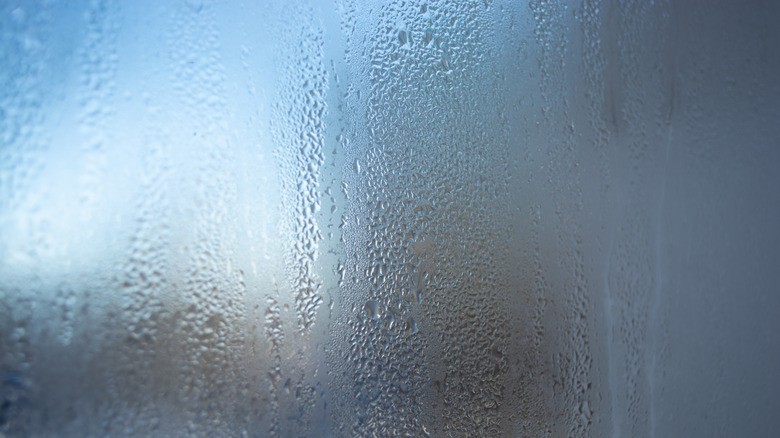
If you pay any kind of utility company for energy, you probably know that energy seepage can cause a seasonal spike in your bill. Your utility company might even send seasonal notices about replacing seals around doors and windows or adding insulation to make your home more energy efficient. If you're exploring what energy improvements your home might need, using an infrared camera to detect energy seepage could help expedite your planning.
While every home is different, using a thermal camera to scan the interior of your home during cold weather could show where cool air is coming in. It could also show warm air escaping, depending on how bad the energy seepage is. You may have to play around with the temperature to get clear results during moderate weather, but it should be fairly obvious on very hot or very cold days when you're running your HVAC system.
Once you find where the gaps are, it's simple enough to apply caulking or take action, like adding insulation to crawl spaces, blocking gaps under exterior doors, or applying insulation material to windows.
Scan for cold spots
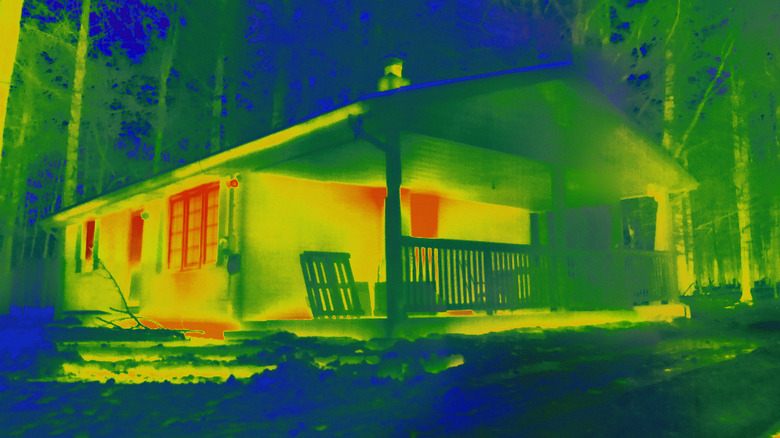
Another way to use a thermal camera around your home is by taking it outside to check for energy discrepancies. While using the camera inside your home could indicate where air is entering or exiting, you'll need to head outside for an all-around picture of what improvements you might need to make.
For example, if you stand outside your home with a thermal camera, you'd expect to see a hot spot where a wood stove sits and cooler temperatures where the doors and windows are. If you discover other cooler spots, you might need to add insulation, replace seals around doors, or replace windows and doors.
As with other temperature comparisons, this one is best explored by having a baseline for what's normal in your home. Generally, a stark contrast in temperatures anywhere in the scan will warrant a closer look. The best times for doing an infrared scan are also when the temperature inside versus outside is drastically different. For example, you might prefer to heat scan your home when it's around 35 degrees Fahrenheit outside, because the temperature should be far warmer inside, making any cold spots very clear on the scan.
Inspect for pests

Learning that your home or garage is home to a pest infestation is never fun. Nor is it fun to try and deduce, from droppings or other indicators, what type of pest has taken up residence in your walls or elsewhere. It's even worse when you suspect an infestation of some sort and decide to open up a wall purely based on guesses.
One potential solution that has even been the subject of scientific study is the fact that even termites can be detected based on temperature readings. Though termites are not warm-blooded, their colonies can generate heat signatures, in part because termites prefer moist nests. Regardless, a large heat signature in your walls, ceilings, or floors could help confirm the presence of pests so you know where to start if it becomes necessary to open up a wall or pull up a floor.
Similarly, a thermal camera can also catch other critters like mice and rats, in which case the temperature difference might be even more obvious, as those are warm-blooded creatures. While there are many things you shouldn't store in your garage since they attract pests, sometimes critters are just looking for a warm place to hunker down. Performing a thermal scan every once in a while can confirm that your risk of critters moving in is low.
Evaluate HVAC systems
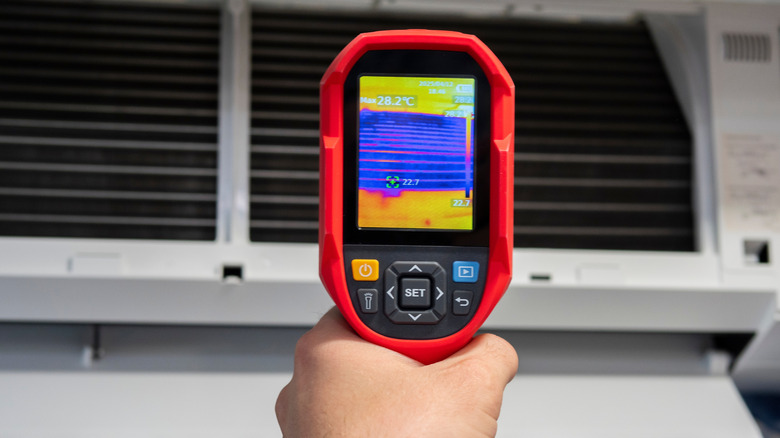
If you own a home, you probably know how quickly heating, ventilation, and air conditioning problems can turn both expensive and potentially dangerous. One way to try and head off severe problems or catastrophic failure is by regularly performing thermal scans on your system.
For example, a thermal scan of the ducts in your home (while the heat or AC is running) could reveal places where the hot or cool air is seeping out. If air is escaping from places other than the intended vents, you may need to call an expert or get your DIY fixes ready.
Beyond the ducts, infrared scans can help detect other problems with your HVAC system. For example, a poor heat pump connection could mean that warm air is being pumped into the surrounding area rather than through the ducts. A thermal camera could make those inefficiencies more obvious visually, which means you can start exploring solutions. Overall, being able to visualize temperature differences by way of a thermal scan could help you improve the efficiency of your HVAC system, saving money and stress.
Scan for insufficient insulation
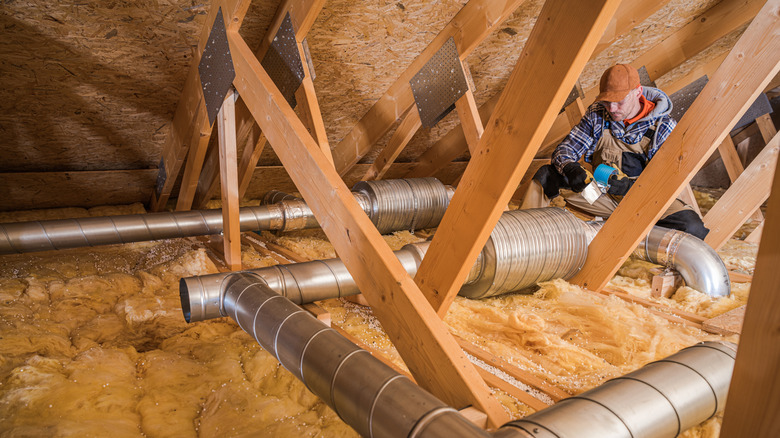
One of the major concerns when my husband and I bought our house a few years ago was whether it would be energy efficient. With wood stove heat and no AC, we wanted a nearly airtight home that wouldn't immediately seep warmed or cooled air. Our inspection report indicated that we needed more insulation in the attic space. An attic area or crawl space is generally a spot where you can visually observe and measure the depth of insulation. My question is, what about the walls?
It's hard to tell how much insulation you have by looking in from the outside without getting your demo hammer out. A thermal camera could provide some insight, though, as more insulation typically means more consistent temperatures as you heat or cool your home. Ideally, you'll want to scan the walls when the temperature is vastly different inside versus outside. Then, hot or cool spots (depending on the weather and ambient interior temperature) are easier to identify.
Keep in mind, however, that a thermal scanning camera cannot see through walls. It could be a good place to start if you're concerned about your home's energy efficiency.
Zero in on septic systems
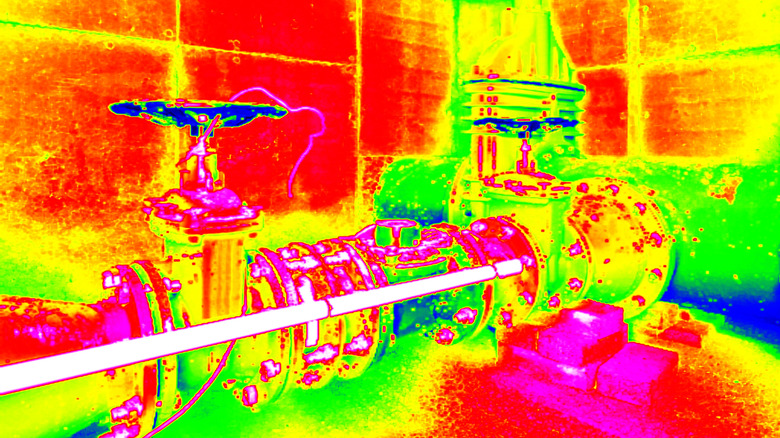
When we bought our home, I had zero clue where our septic system was, or even what kind we had. It took a shovel and a lot of trial and error to figure out where the pipes ran and where they ended. If you're in a similar situation and need to track down septic pipes for maintenance or to narrow down the location of a possible leak, a thermal camera could be a relatively inexpensive place to start.
Because thermal cameras can detect differences in temperature, you can use that ability to scan the ground where you suspect your septic pipes lie. It's unlikely that you'll find a significant temperature difference, even if you've just taken a hot shower or run a load of laundry, because of the way septic systems work. However, if you're closer to needing your septic tank pumped, that warm water (or effluent) might get through the pipes faster than if the tank is emptier.
Regardless, knowing what we do about how water hangs onto heat longer than air does, you might find some hints above ground as to where the pipes are, especially when stuff is flowing through them.
Monitor plant health
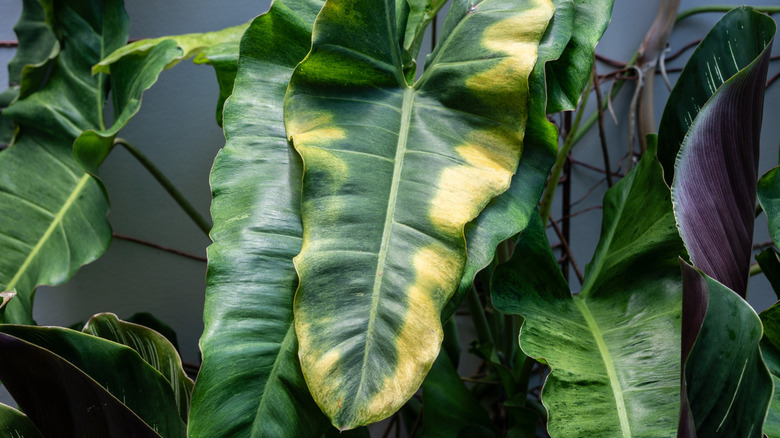
Potted plants can be hard to keep alive for a variety of reasons, and the lack of a green thumb is probably a significant one for most people. While there are lots of gadgets to keep your plants healthy, there are some basics to keep in mind. For example, a lot of plants are sensitive about light and heat, whether they want a little bit, a lot, or somewhere in the middle. To make sure you're choosing the right place for your indoor or outdoor plants, you can use a thermal camera to figure out what the temperature is in any given place.
In addition to scanning your plants' surroundings, you can also scan the plant itself to check for heat spikes. Direct sunlight, and light through windows, can cause sunburn in plants. Sunburn in plants is similar to that of humans, in the sense that the longer they're in the sun, the worse it gets. A quick scan can tell you whether your plant is too hot and in danger of sunburn, where a typical thermometer won't tell you the true temperature the plant itself is "feeling."
Compare brake heat
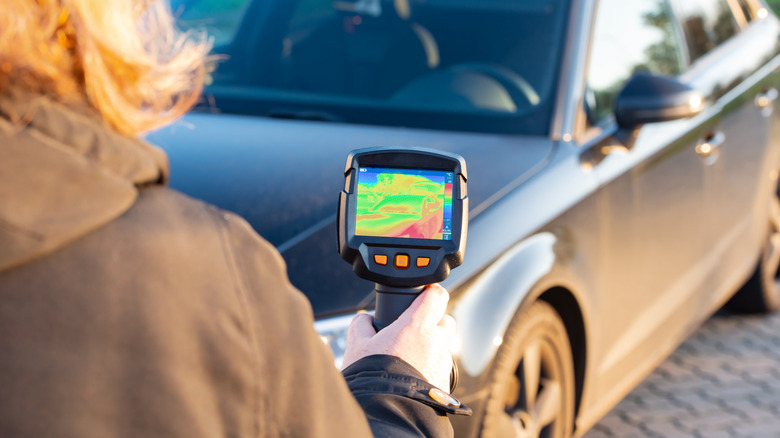
Knowing that infrared cameras detect heat and map out the different temperatures present in the scanned area, it's not hard to see where this logic applies in the garage. If you scan your car just after arriving home and parking in the garage, you'll immediately see how the different parts of the vehicle retain heat, and how they do so differently.
One potential application of heat scans on your car is checking your brakes. Though you might believe some myths about your brakes, like the rumor that bedding them in isn't necessary, a thermal camera could reveal the truth. As soon as you roll in from a long drive, your brakes will be hot. However, a difference in temperature between wheels might mean you have uneven wear on your brake pads. Just like it's easier to do a thermal scan before busting open a wall of your home, it's also easier to externally scan your brakes before you reach for your tools.
Check for electrical risks

Whether you live in an older home, have done some DIY repairs, or just don't trust your contractor, a thermal camera comes in handy for electrical checks. Varying heat signatures could reveal wiring problems and even help you avoid an electrical fire. You might need to flip some switches off and on, but it will likely be very obvious when viewing the thermal camera picture where any hot spots are.
The worst electrical work mistakes are not only expensive, they're also very dangerous. For that reason, we don't recommend relying solely on a thermal camera if you suspect electrical problems. Even in places where it's legal to DIY the electrical work on your own house, asking an expert is a good policy.
However, if you're viewing homes for sale or planning work on your own place, a thermal scan is really never a bad idea. It can also help indicate where problem areas are when you're ready to call a professional for another look.
Look for misfiring cylinders
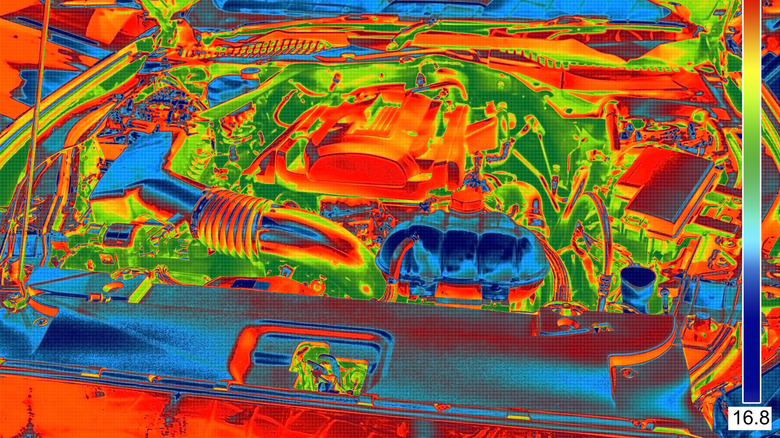
Like any other tool, a thermal camera can only do so much when it comes to working on your vehicle. However, it could help diagnose some preliminary issues so you can dive deeper to figure things out. For example, a misfiring cylinder will show as a cool spot in an otherwise hot engine. A thermal camera might clearly show the difference in temperature between cylinders, making the diagnostic easy. That first red flag can point you in the right direction when it comes to repairs.
Beyond misfiring cylinders, any vehicle issue that involves parts failing to function properly could show up on an infrared scan. From brakes to cylinders to fluid leaks (particularly a refrigerant leak in your car's cooling system), a thermal camera is a handy tool for your home garage. You might even grab your thermal camera to check that your car is cooled off enough for an oil change once you have it on hand.
Troubleshoot air vent concerns
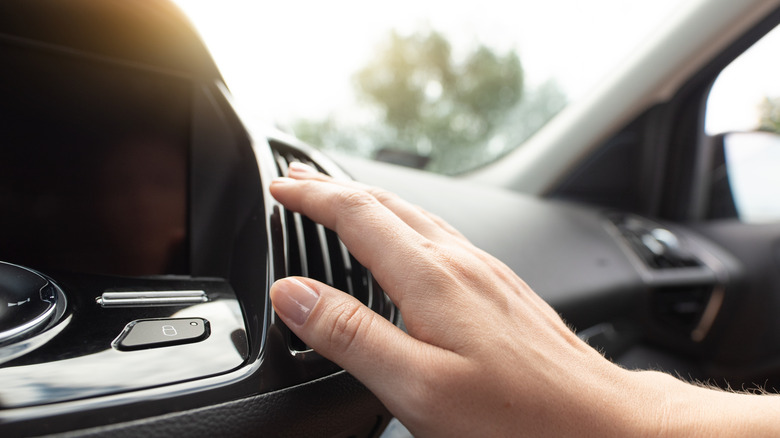
Sometimes when I turn on the AC in my car, I briefly wonder whether it feels warmer than usual. Other times, I might imagine that the heater isn't doing its job fast enough. One way to know for sure is to use a thermal camera to check.
Like other scenarios where comparison is king, having a baseline for comparison will come in handy. Over time, scanning your car with a thermal camera will indicate whether the AC or heat is struggling, and you might get ahead of a complete failure. Even with a one-time check, you might notice discrepancies that suggest a closer look would be helpful.
Infrared imaging could also be handy for figuring out if all your HVAC vents are running at full capacity. Whether it's your kids sticking stuff in the vents or some obstruction in the system, a quick thermal scan could help diagnose various problems with heating and cooling in the car.
General home inspections
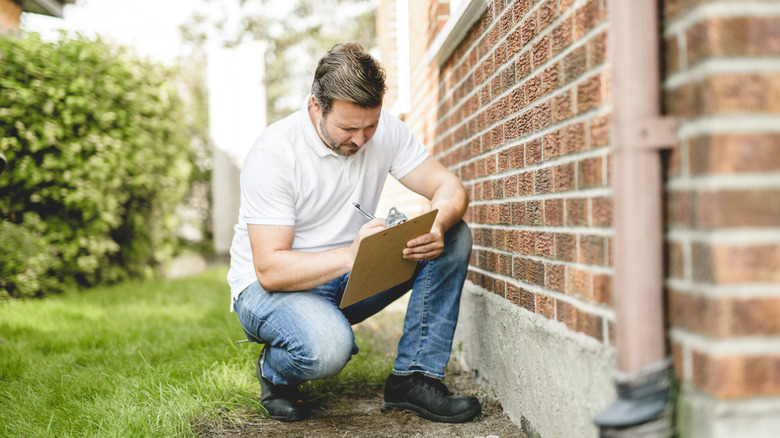
If you're planning to buy a home, are touring a rental, or if you're a realtor, you're probably far too familiar with the ins and outs of home inspections. While lenders don't generally require home inspections to issue a mortgage, some — like FHA lenders — require an appraisal that's akin to an inspection.
Often, a home must meet various requirements before the mortgage is funded, like having functional HVAC and safe electrical systems. It's also important to know everything you can about a property before you tie more money up in it. If a quick scan with one particular tool can give you more information, all the better.
In such cases, having a thermal camera to scan a property might make or break a sale. In fact, some home inspectors swear by thermal imaging in their work. As a prospective homeowner or renter, checking out your new digs with a thermal camera could help you avoid problems or even negotiate if you find anything worrying.