

5 Drawbacks Of Using Diesel Generators
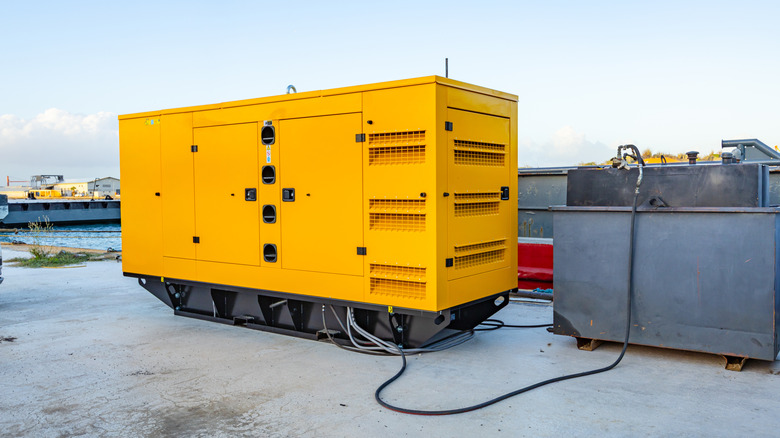
When it comes to choosing the right generator, there are a lot of factors at play. From installation to fuel costs and emissions, you have to consider everything. And when you do, you soon realize that not every generator will meet your requirements. Even diesel generators, which are a popular option, have major drawbacks.
A diesel generator, for example, is typically more expensive than its counterparts. And since these generators are bulkier, they are not as easy to move. So if you are looking for a compact, easily portable power solution, it's worth considering whether a diesel generator will be the right choice. There are several other downsides, some of which impact convenience, in addition to regulatory compliance requirements that can be a hassle.
Keep in mind that diesel generators, despite all their downsides, remain a feasible option. Many data centers have diesel generators lined up to use in case of an outage. Ultimately, it comes down to your budget, location, and requirements, as well as what you expect from the setup.
Higher initial cost
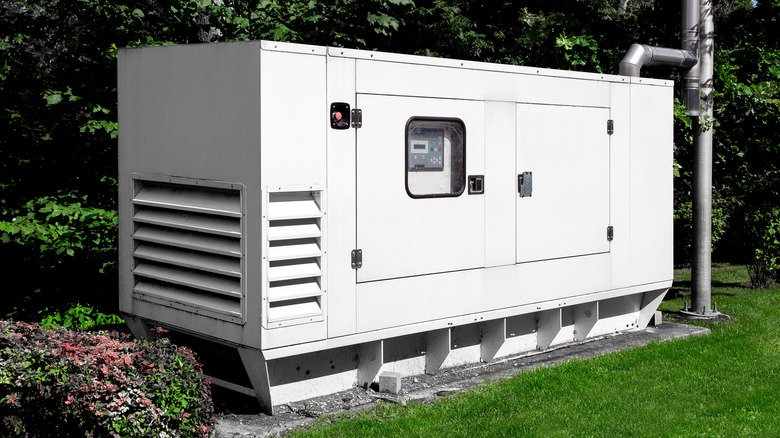
For anyone concerned about pricing, diesel generators are typically more expensive than their gas-based counterparts. If we look at the initial purchase price, a used 70- to 80-kilowatt diesel generator usually costs about $25,000, while one that runs on natural gas is around $18,000 used. Of course, the actual price comes down to power output, noise levels, size, fuel capacity, and more. But for the same set of features, you may end up paying more for a diesel generator.
There are several reasons diesel generators cost more. First, the engines are built using stronger, more durable materials, which adds to the overall production cost. Diesel generators also generally have a longer lifespan, provided they get regular and proper maintenance. However, the lack of ignition systems and spark plugs, which are components that quickly wear out in gasoline generators, helps to lower maintenance costs and offset the initial expenses in the long run.
If upfront cost is a concern, you may want to consider a smaller, more portable diesel generator. But if you plan to invest for the long term, diesel generators may be a smart option. As we said earlier, it comes down to your requirements and expectations.
Installation and relocation can be a challenge
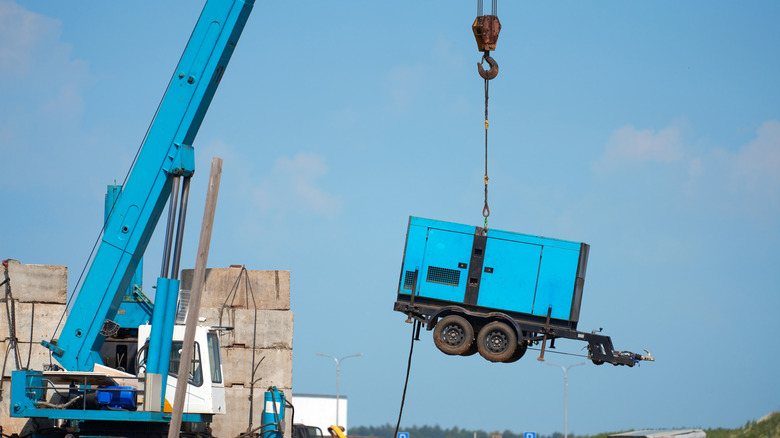
One of the biggest drawbacks of diesel generators is the installation, which is relatively complex because of a wide array of factors. Installation alone can add 20% to 40% to the overall cost, depending on your location and specific requirements. For instance, you will need a weatherproof enclosure for the generator, a foundation made of concrete that provides stability, and piping and ventilation systems. All of this adds to your overall expense, something some buyers initially tend to overlook.
Apart from that, their size may make diesel generators a less-than-optimal choice for many people, especially if the generator's use is temporary. A diesel generator is bulkier than petrol or gas-based alternatives because it features bigger mechanical components, in addition to the tank. Though portable options exist, a standard diesel generator can't be moved easily. So if you need something that can be transported from one place to another, these generators may not be the right choice for you. And the additional costs involved with relocation, should you need it, must be accounted for.
Fuel cost and storage
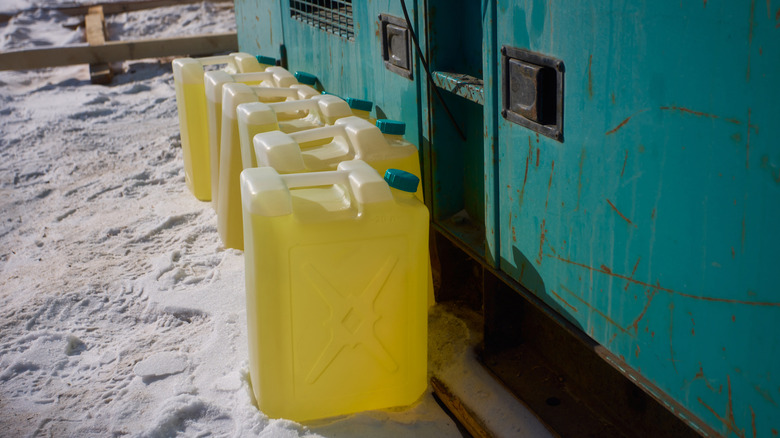
Another downside of diesel generators is associated with the fuel type itself. Diesel prices fluctuate over time, which directly impacts operating costs. Market volatility and government regulations can cause diesel prices to rise, making it more expensive to run the diesel generator. When there's a fuel shortage, your perfectly good generator may sit idle through no fault of your own. So if you are buying a diesel generator, it's worth understanding how global affairs impact diesel prices and what you may be paying for the same quantity of fuel down the line.
Additionally, proper fuel storage arrangements can be seen as another drawback by many people. Unlike natural gas generators that directly connect to a utility line, diesel generators require a systematic storage setup that is safe and close by.
There's another limitation: the length of time you can store the fuel. Generally speaking, you can store diesel for a maximum of six to 12 months, after which you run the risk of water contamination and microbial growth. And let's not forget you will need to manually refill the generator's tank from time to time, which can again be an inconvenience for some people. So unless you have a reserved location for safe diesel storage or are willing to set a space up, getting a diesel generator may not be the best choice.
Higher noise levels, vibrations, and emissions

Diesel generators can make a lot of noise. While newer models may be a little quieter, diesel generators are generally louder than their natural gas counterparts. That's why you need an additional acoustic enclosure, which adds to the overall cost. In environments where noise is a concern, say a densely populated area, you may be better off with other types of generators.
It's not just the noise, either. Vibrations can also be a problem for some people, especially when the generator is installed in the basement or on the rooftop. Even with soundproofing, these vibrations can travel through the structure, causing discomfort to the occupants. Of course, noise and vibrations may not be a problem when the generator's application is limited to construction sites, where the sound from heavy machinery already dominates. But in residential areas, the downside is worth considering.
At the same time, diesel generators produce more pollutants, such as carbon dioxide and nitrogen oxide, making them less environmentally friendly. Natural gas generators, on the other hand, don't emit as many pollutants. To address this problem, various countries across the globe have established emissions standards that diesel generators must meet. As a result, newer models feature advanced technologies and systems to keep emissions in check, but environmentally conscious people may want to rethink investing in a diesel generator.
Cold starts can be a concern
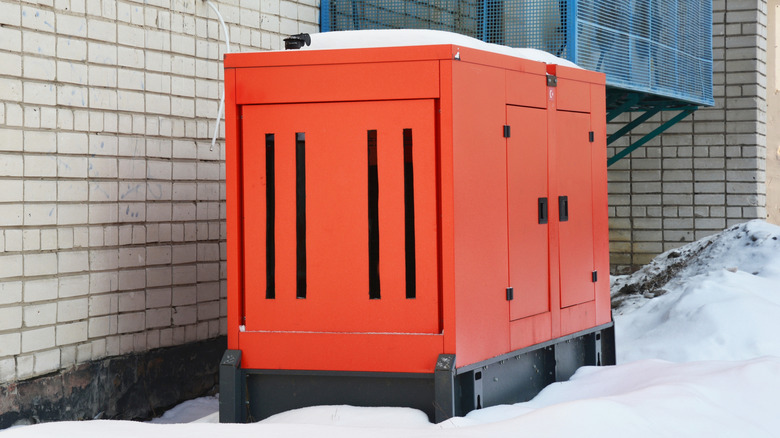
Lastly, there's the issue of cold starts, which is a major drawback of diesel generators. In colder regions, you may have trouble starting a diesel generator if it's been sitting idle for a while. That's because cold temperatures critically affect different parts of a diesel generator. First, the diesel thickens as the temperature drops, which can block filters and fuel lines. In extreme weather conditions, diesel can even solidify, leaving your generator nonfunctional. Second, at lower temperatures, the battery's capacity drops, and it may not be able to deliver the power required to start the engine. So in colder climates, and particularly in outdoor installations, where the temperature remains critically low, you may be better off with alternatives such as gasoline or propane generators.
It's worth noting that there are several ways to address the problem. These include the use of additional heating solutions and glow plugs, but that's another expense on top of the already pricier setup and installation costs. If you are getting a diesel generator for use in a region that experiences extreme cold, consult a professional to understand what additional measures are necessary for smoother operation and factor those in before making the final decision.