

Mazda Killed The CX-70 Right In The Middle Of My Review
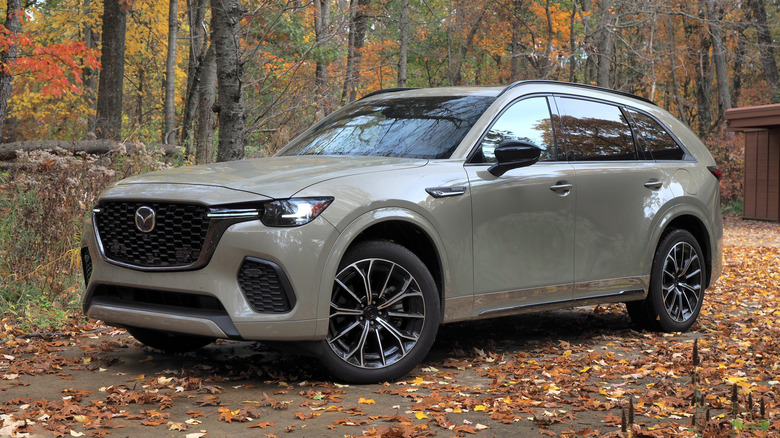
It fell to me, to break the news to the Mazda CX-70 that its time was up.
An automaker announcing its latest discontinuation while an example of that exact model is parked outside is rare, though I've been reviewing cars long enough that this wasn't my first time. Sometimes, when you see the news, it prompts surprise or even frustration. The cold, hard reality of finance sounding the death knell for something beloved (or even just weirdly appreciated) which wasn't making more money than it cost.
 Chris Davies/SlashGear
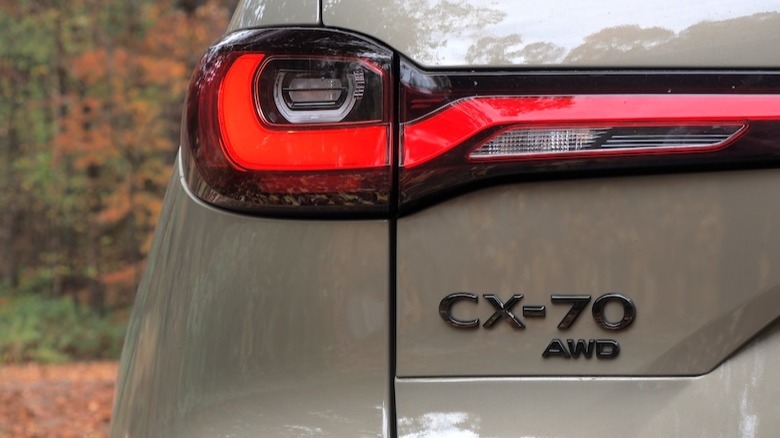
With the CX-70, though, it's difficult to claim shock. Even from its debut in 2024, the purpose of the big SUV was unclear. Mazda pitched it as the two row, five seat model "with active lifestyles in mind," but also "with drivers in mind" and "with electrification in mind." What it seemed less keen on thinking about was how it fit in with the existing CX-90.
There can only be one large Mazda SUV (for now, anyway)
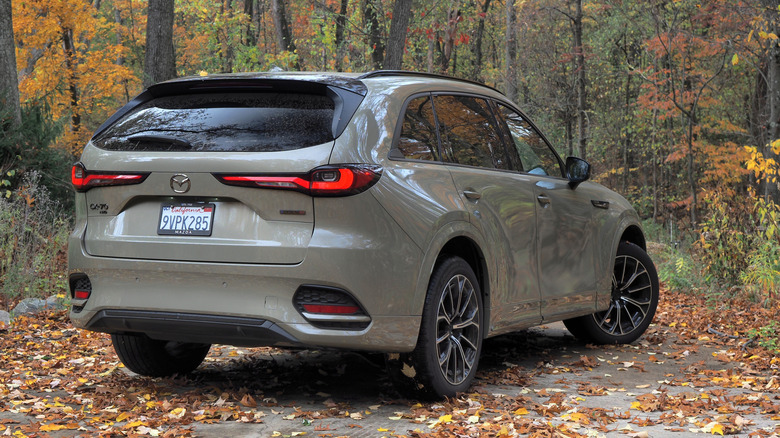
It's the CX-90 — basically the same SUV, only with a few largely aesthetic and trim material tweaks — which will survive where the CX-70 retires. The key difference had always been seating: three rows in the CX-90, to the CX-70's two. For the 2027 model year, Mazda will take the far more obvious approach of simply offering the CX-90 in both two- and three-row configurations.
While there'll be nine 2027 CX-90 trims in total, only two — the CX-90 3.3 Turbo Premium Sport and CX-90 3.3 Turbo S Premium Sport — will be offered as five-seaters. You'll save $1,200 on the sticker price for picking the two-row version of each.
 Chris Davies/SlashGear
Why was that not the strategy to begin with? It's hard to say, though the auto industry's fondness for treating model announcements alone as indicators of success should probably shoulder a chunk of the blame. Since then, the market has spoken louder than anything else: CX-70 sales in the U.S. last year were basically a quarter of CX-90 sales, a proportion which has carried through to 2026 sales so far.
The CX-70 never really delivered on all Mazda's promises
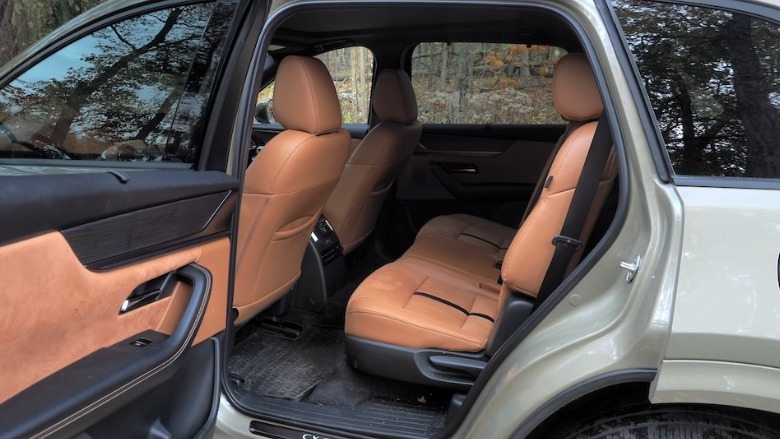
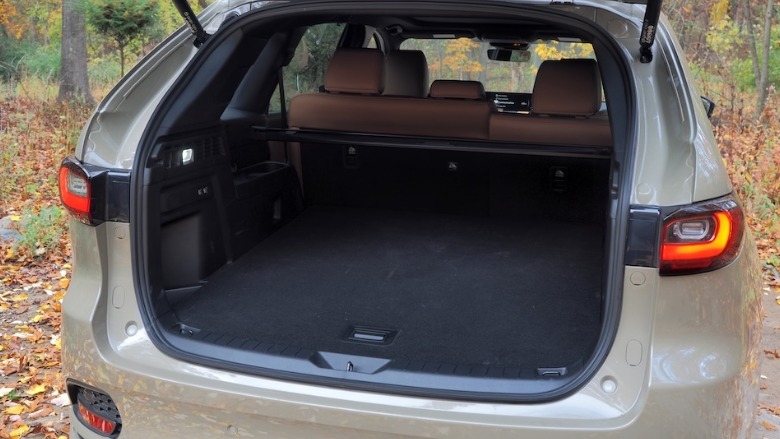
My most recent time with the CX-70 suggests there are no last-minute wrenches to throw in Mazda's plan. There's no real cargo compromise in the three-row configuration: fold those seats down in the CX-90 and you get about the same space behind the second row. Legroom in that third row means adults will probably complain on longer trips, but you can't argue with the flexibility.
It also allows Mazda to offer second-row captain's chairs in the three-row CX-90, something which doesn't make sense in the two-row car (unlike with Range Rover — or indeed Lexus – a four-seat Mazda would be an even tougher sell).
 Chris Davies/SlashGear
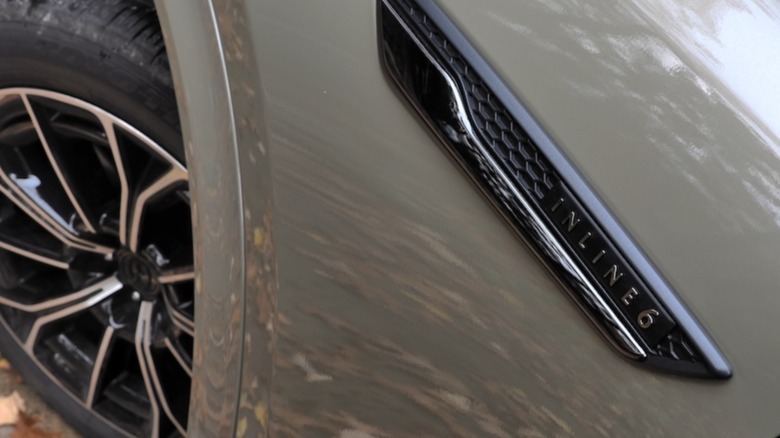
Mazda's insistence that the CX-70 had "drivers in mind" never quite rang true. The BMW-sourced 3.3-liter inline-six tuned for 340 horsepower and 369 lb-ft of torque in this Turbo S Premium Plus example was fast enough in a straight line but did nothing to encourage much enthusiasm outside of that. Sport mode instantly — and uncomfortably — forced the 8-speed automatic to hold lower gears, increasing volume though not really pace.
You get credit for a swift decision, but what comes next?
The only real absence left by this range rationalizing is the inability, for the moment, to get a two-row version with Mazda's plug-in hybrid drivetrain. If you want the 2027 CX-90 PHEV, you have to pick either six or seven seats, trim-depending.
 Chris Davies/SlashGear
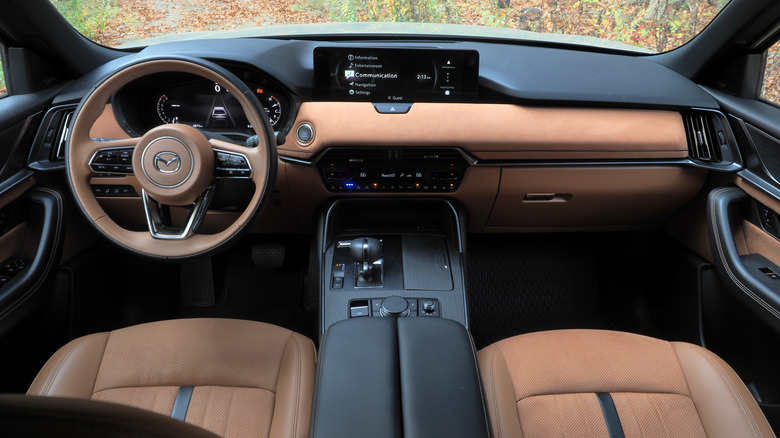
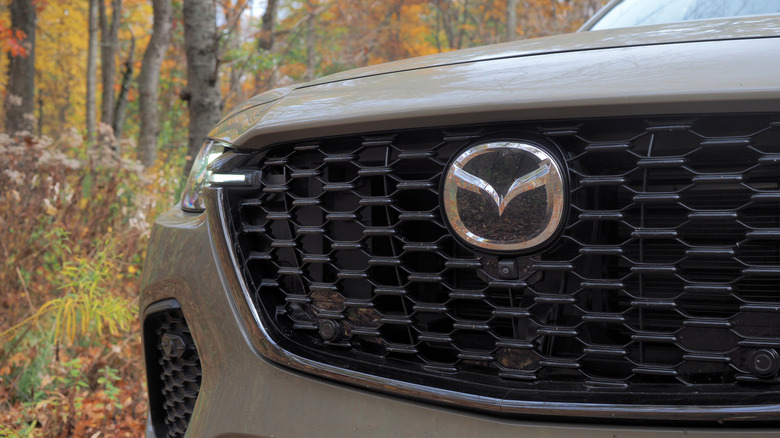
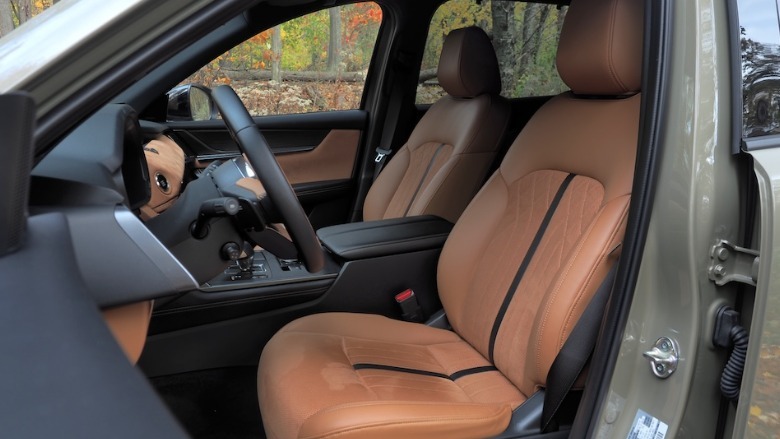
Mazda's largest model remains a plush way to travel — passengers marveled at the tactile, suede-like fabric stretched across the dashboard like the splayed underbelly of a vole; the ride is smooth and compliant; and only plasticky switchgear in places spoils the general BMW-on-a-budget feel — and in two-row configuration the trunk does feel cavernous. Its design is bold and, from the front at least, handsome; the rear is visually heavy, to my eyes, though that's the price you pay for such voluminous cargo space.
 Chris Davies/SlashGear
All fairly sad for the CX-70 badge, then, but sensible for the (itself eminently sensible) CX-90. Perhaps Mazda deserves kudos for correcting its mistake so rapidly, but I'd much rather save my praise in the hope of a more interesting — and more distinctive — new model to reclaim the CX-70 name.