

11 Common Problems With Gas Chainsaws (And Potential Fixes)
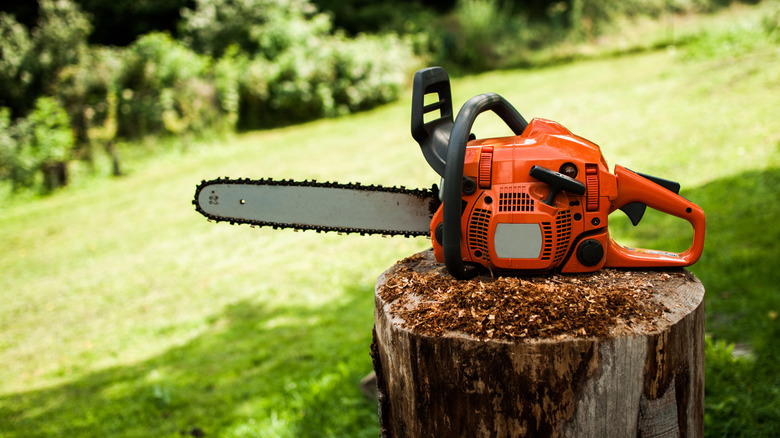
When shopping for a new tool these days, one of the first choices you need to make is the operating mode. The growing popularity of electric tools across virtually every area of work, from vacuuming to mowing lawns, means buyers no longer have to deal with the stress of maintaining a gas-powered engine. Chainsaws aren't exempt from this shift; electric chainsaws can be attractive for their reduced environmental impact (both from burning fossil fuels and noise pollution) and maneuverability.
Chainsaws need considerable power to cut thick branches and logs. If you're cutting regularly or have a large work area, the last thing you want is to be interrupted because your battery needs a recharge— getting the job done in one pass is far more attractive than repeated trips to a charging station.
That difference might make a gas chainsaw seem like an easier ride, but everything has drawbacks. Internal combustion engines typically require more maintenance than their electric counterparts, and you can still run into problems no matter how careful you are. Gas chainsaws are no different — you can run into a host of problems during ownership. We outline 11 common issues and how to fix them.
Chainsaw won't start
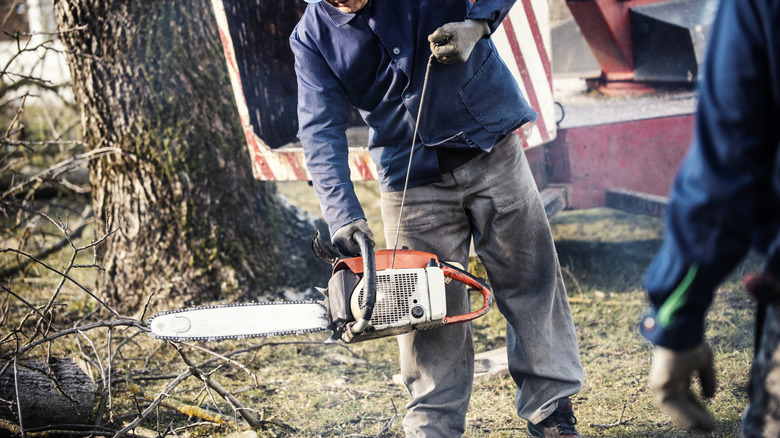
Ever been about to start a landscaping or DIY project, whip out the chainsaw, and give the rope a good tug, only to find the engine won't start? Or maybe the engine only roars to life after pulling the rope multiple times? If so, you need to investigate a few failure modes before confidently solving the problem.
Naturally, your first troubleshooting target should be fuel delivery. Check that the tank has fresh gas; empty it and replace the gas if it's old. Water builds up in old fuel and adversely affects its ability to burn properly. If all appears in order in that department, examine the fuel lines. Look for any cracks — air can enter the carburetor through them — and blockages preventing fuel flow. Next, check the spark plug for damage (corrosion or frayed ignition wires).
If the failure mode doesn't come from these components, the final items on your troubleshooting checklist are the filters, carburetor, piston rings, and the engine itself. A buildup of sawdust and debris could prevent the air filters from providing clean air for combustion. As for the carburetor, stale fuel can damage it by leaving varnish deposits, and a failing piston could cause the engine to lose spark when you try to start it. Pinpointing the culprit when your chainsaw doesn't start can be an exhaustive process, but going through it helps you avoid superficial fixes.
Engine bogs under throttle
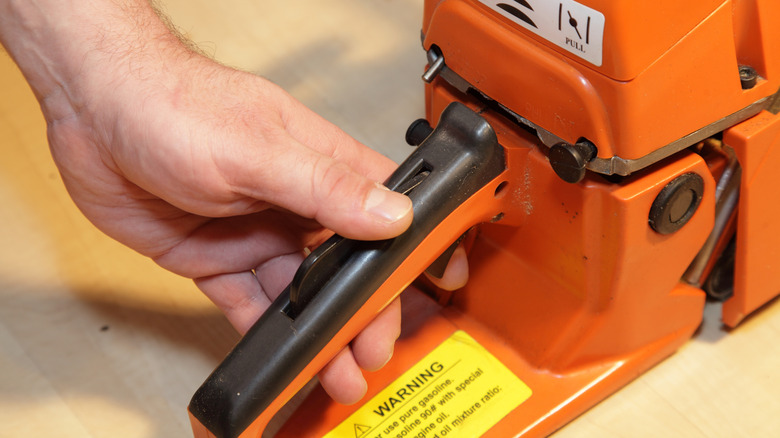
Starting your chainsaw is just the first hurdle to operating it — a lot can still go wrong even after the engine roars to life. In some cases, the engine might even start and die immediately. In others, it might idle for a while before dying. Another common problem is a chainsaw running normally before bogging down under full throttle. Unlike an engine that won't start at all, where you'd have to troubleshoot multiple failure points, this is much simpler to diagnose.
A chainsaw bogging under throttle can be narrowed down to four possibilities. First (and most likely) are the filters. You'll need to examine both the air and fuel filters closely; a dirty air filter starves the combustion engine of the oxygen it needs to burn properly, preventing your chainsaw from reaching full RPM. A clogged fuel filter, on the other hand, restricts the fuel flow needed to sustain heavy workloads. Clean the filters with some compressed air or soap and water, but replace them if the damage is extensive.
The next possible culprit is the carburetor. If fuel sits too long in the engine, the carburetor will likely clog, so cleaning it should do the trick—and remember to change out the bad gas. However, if old fuel isn't the issue, you might need a carb kit to tune the adjustment screws. It's a bit of trial and error, though.
Smoking bar
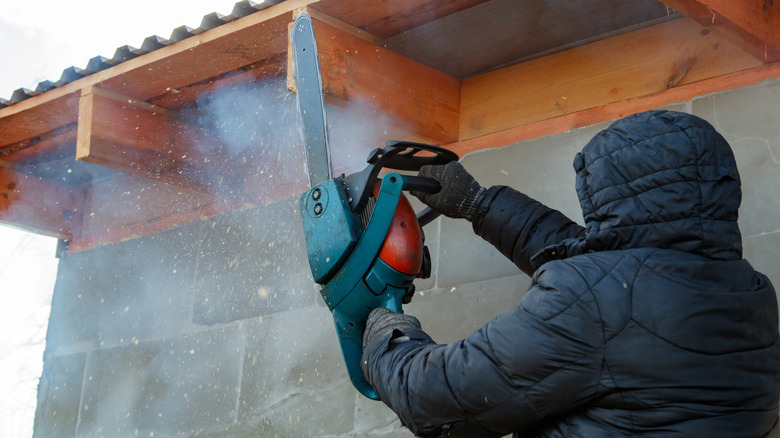
If you're new to using chainsaws, you might underestimate how important lubrication is to the entire workflow. The friction between the chain and the guide bar generates a lot of heat as the chain spins, so the chainsaw needs a constant flow of oil along the bar to manage temperatures and preserve cutting efficiency. If you notice wisps of smoke coming from the bar, it usually means the machine doesn't have enough oil. So, before it turns into a bigger problem, run a few tests.
First, check the chainsaw's oil level. Top it off if you're running low; otherwise, inspect the oil pump for leaks or debris to make sure oil is actually reaching the bar. Not all instances of a smoking saw are indicative of a problem with the lubrication system, though. For instance, if you haven't sharpened your chain in a while, its teeth could have dulled over time, meaning the chainsaw has to work harder to cut through wood. That increased friction could explain the smoke you're noticing.
A file gauge is all you need to sharpen it again, though signs of wear on the chain might point you toward buying a replacement instead. Finally, your chain could be too small for the chainsaw you're using it with, or it isn't suitable for the wood you're trying to cut. Check your user manual for the right specifications to replace it.
Running engine but stationary chain
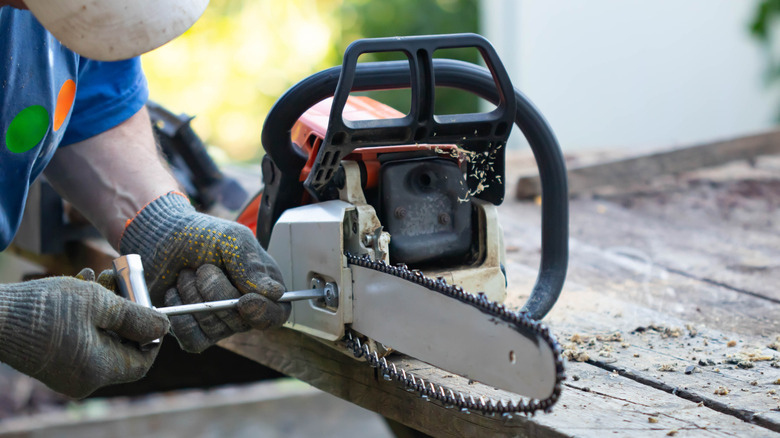
A chainsaw's engine can start perfectly but still not work as it should. A stationary chain is one such problem that hinders regular operation, and like many issues under a chainsaw's hood, it can be a headscratcher to solve. The first step to finding a solution is understanding how the chain moves: the engine turns gears through a centrifugal clutch, which in turn spins the chain on the sprocket.
Logically, if your chainsaw's chain isn't spinning, start with the clutch because it directly drives the chain. One possibility is that the chain brake may have been activated (manually or automatically) for safety reasons. Once engaged, the brake stops the chain from moving entirely. Resetting the brake depends on the brand, but a general method is to pull the handle back toward the top until you hear a click.
If the chain brake isn't engaged, the chain itself might be stuck. In that case, loosen the clutch cover and look for debris—a buildup of dirt may have caused the jam. Alternatively, a chain that fits too tightly or isn't properly lubricated can cause this problem. In that case, following the instructions in your user manual should fix it. The final reason, as you can probably guess, is a bad clutch. That's pretty much the worst-case scenario, though, since you'd typically have to replace the entire clutch assembly to fix the issue.
Chain moves when the engine is idle
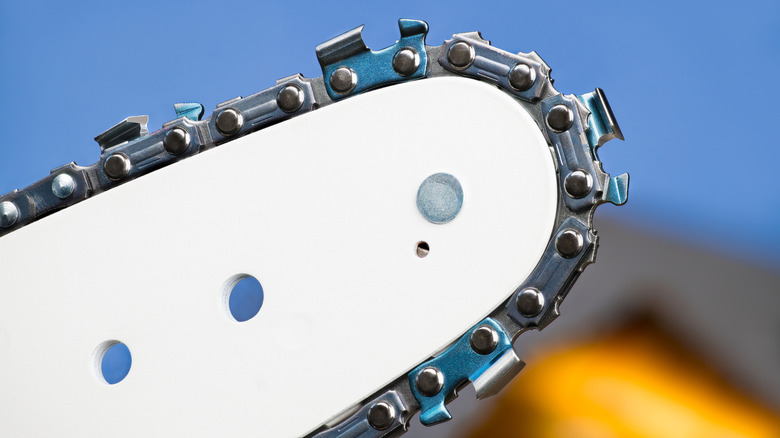
A chain can fail in more ways than just when the engine is under throttle. Another common problem chainsaw owners face is the chain moving when the engine is idle. This one's a major safety hazard, and fixing it should be a top priority to prevent injury.
Imagine you, the operator, relax your grip on the chainsaw because the engine is idle and you assume it's safe. If the active chain unexpectedly catches on clothing or skin, or if the tip bumps the floor while setting it down, it can cause deep lacerations and violent kickbacks. So, you should stop using a chainsaw if it starts showing these symptoms until you figure out what's causing it and how to fix it.
Two main reasons can cause your chain to roll even with an idle engine. First, the engine's idling speed setting might be high enough to engage the clutch. This failure mode is easy to fix: turn the idle speed screw counterclockwise until the chain stops moving. The next possible culprit is the clutch springs—if they're weak or broken, they can't pull the clutch shoes tight enough, so the chain still turns at low RPM. Replacing the clutch springs alone can fix this. However, it's good practice to investigate the entire clutch assembly in case it needs a more involved repair.
Chain loosens or comes off repeatedly
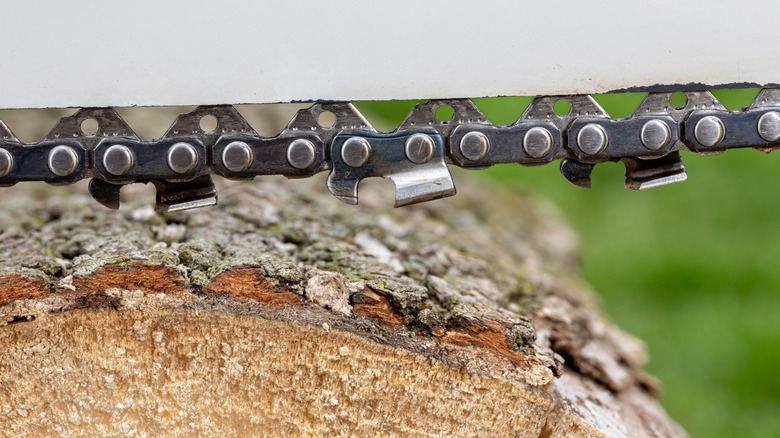
Maintaining a delicate balance of chain tension is central to how a chainsaw operates. We've already discussed the problems that fitting a chain too tightly can cause, from a smoking bar to a chain that won't move even when the engine is running at high RPM. On the flip side, a chain that fits too loosely is also problematic; under stress, it can easily fly off the bar, and at high speeds, the projectile can cause injury. It also increases the risk of kickback and equipment damage.
Managing chain tension is not a one-time job. Every time you use the teeth to bite into a log, the chain absorbs the most stress and friction. That stress builds over time and can cause the chain to lose its taut tension. So, if you notice your chain doesn't sit snugly (or even comes off entirely), nip that danger in the bud and adjust the slack. One way to prevent this is to check the tension before every use and set a schedule to tighten the chain periodically.
As a safety measure, only carry out this procedure when the chainsaw engine is off — it can slice through skin and bone if you lose your grip, and you could also sustain serious burns from parts that run hot. If periodic tightening still doesn't solve the problem, check the recommended chain length for your chainsaw; your chain could be too large for the machine.
Chainsaw makes sawdust, cuts slowly, or exerts weak pressure
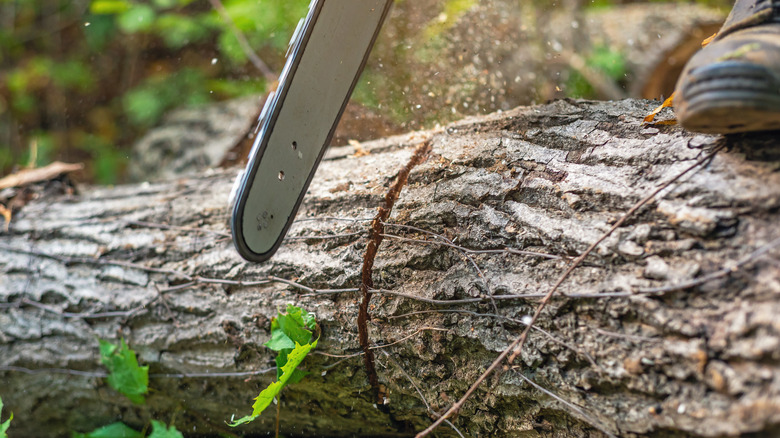
Ever noticed fine sawdust flying into the air when you cut wood with your chainsaw instead of solid wood chips? Or maybe it pulls awkwardly to one side, takes longer than it should, and you have to practically push the chainsaw through the wood? These are telltale signs that your blade's edge has dulled.
Few things are more frustrating than using a dull tool; wrestling with a chainsaw is physically demanding (and dangerous, too). Dulling isn't necessarily avoidable either. Through friction from regular use, bumps with soil, rocks, or metal, and cutting dirty wood, your chainsaw chain won't stay sharp forever. When its cutting efficiency inevitably fades, you need to choose the best course of action: sharpen the chain or buy a new one.
The latter choice may sound extreme, but you can't always sharpen a dull blade. If the cutters are damaged or the links have visible cracks, it's time to shop for a new chain.
Chainsaw makes crooked cuts
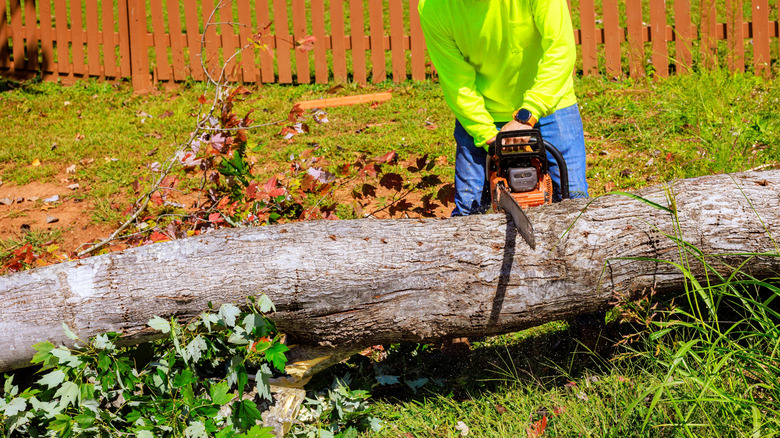
When working with a chainsaw, few things are more frustrating than your machine pulling to one side while cutting. This doesn't always mean that your chain needs sharpening. Sometimes, it could point to improper sharpening or a structural problem with the guide bar.
Sharpening a chainsaw is a delicate process. You could mess up your chain's alignment by using the wrong file size or sharpening only one side. Both sides of the chain must be equally sharp so that the impact on the blade is evenly distributed. Keep a close eye on your filing angles, too: a chain sharpened at an awkward angle can become misshapen and start making unpredictable cuts, even with the right file size.
The chain isn't always the root cause of crooked cuts, though. The guide bar itself can be the culprit; uneven wear on the rails can cause angled cuts even when the chain is perfectly straight. In this case, grinding the bar with a flat file could fix the alignment issue, or you can replace it outright.
Chainsaw is leaking fuel or smells strongly of gasoline
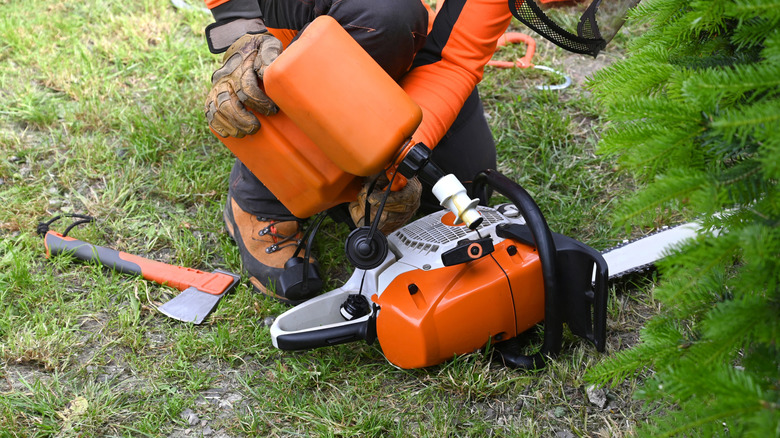
It's good practice to inspect your fuel system before using any tool that has an internal combustion engine. Chainsaws are no different; check fuel levels, make sure the cap is properly fastened, and perform other maintenance. But what if you notice a stronger-than-usual gasoline smell from the engine, or worse, detect a leak?
Take a safety-first approach: don't start the chainsaw until you locate the source and resolve the issue. Breathing gasoline fumes can cause headaches and dizziness; a fuel leak is a fire hazard — gasoline can easily ignite if the ignition system sparks or it touches hot metal components. With a handheld tool like a chainsaw, the fuel could also soak your clothes, which would irritate your skin at best and make you an ignition risk at worst.
The next step to take is to identify the leak. Start by inspecting the chainsaw's orientation. The problem might stem from mounting the machine at an angle or in the wrong direction. If so, correct the stance and let the fuel settle. If the chainsaw is properly seated, the fuel lines, carburetor, and fuel tank are next: inspect them for cracks and other damage. Once you find the source, replace the faulty component. No makeshift fix will suffice; a stopgap can only stem the leak for so long before it finds its way through again.
Chainsaw leaks bar oil in storage
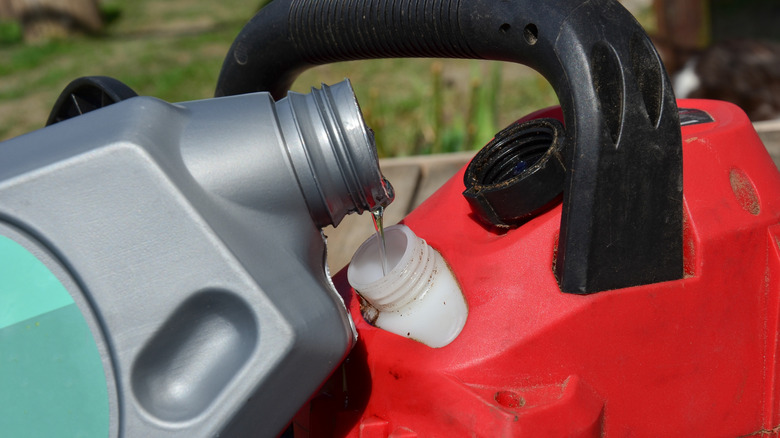
Fuel isn't the only fluid that can leak in a chainsaw even when the machine isn't running. Bar oil is another factor: chainsaws usually drip small puddles of oil after use. That's because chain oil residue can remain in grooves and recesses throughout the chainsaw's body — all that splashing when the chain spins at high speeds while oil moves along the guide bar adds up.
So, although cleaning up after your chainsaw can get repetitive (and annoying) over time, it usually doesn't indicate any underlying issues. That being said, your chainsaw shouldn't leak oil indiscriminately. If you notice your unit leaking oil days after your last use, it might be time to investigate the vacuum relief valve for debris buildup. If there's any debris, poking a small pin into the valve hole a few times should clear the blockage.
Cleaning up loose oil can be messy; a pro tip to reduce spillage and save time is to set the chainsaw on a replaceable platform, like shopping bags or old cartons. You can also reduce the oil spillage by resting the chainsaw on its side with the bar side elevated.
Stubborn starter rope
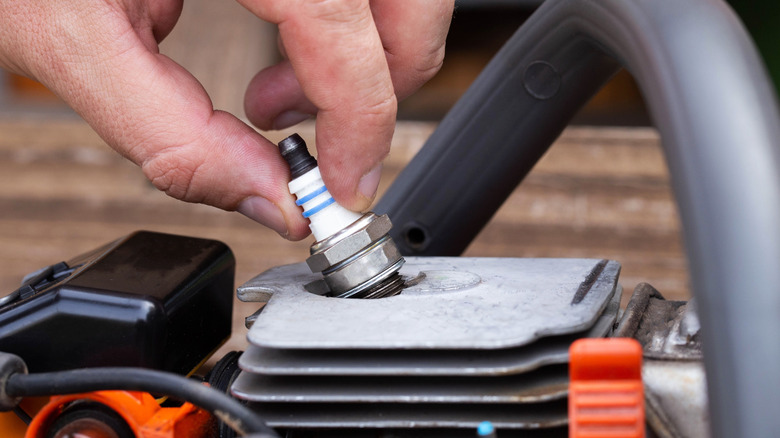
An uncooperative starter rope on a machine like a generator can be frustrating: it's strenuous to operate, and the cord can snap if you pull at the wrong angle or with too much force. With a chainsaw, a rope that doesn't pull as it should is often more than an inconvenience: it could compromise your spark plug.
A quick way to check whether the spark plug is at fault is to take it out and pull the rope to see whether the crankshaft rotates freely. If the spark plug is faulty, removing it should make the rope easier to pull, meaning that you'll need a new plug. You can also inspect the plug's body: a cracked insulator or a damaged electrode signals a faulty plug.
However, if the rope doesn't ease up, then you're probably facing a more serious mechanical problem like a seized piston. Pour any penetrating oil of your choice into the spark plug hole (we've covered the best oils for seized bolts according to reviews) and let it sit overnight — the lubricant may let you rock the crankshaft gently until the piston loosens up.