

5 Car Parts You Might Not Realize Can Be Made Of Aluminum
When you think about the most common materials used in vehicle construction, steel and iron are probably the first things that come to mind. Then, of course, you have your other expected materials that play a smaller but also very important role — the rubber in the tires, the plastics and fabrics in the interior, or even the exotic, lightweight carbon fiber that supercars and high-end performance cars use liberally.
Then there's aluminum — the lighter metal that, in some ways, has been quietly transforming the auto industry. Aluminum's presence in the global car industry is nothing new. In fact, use of aluminum by car builders dates all the way back to sports and race cars the late 1800s and early 1900s. Car makers continued to use aluminum throughout the 20th century and then into the 2000s, though the more ambitious uses of it were usually limited to expensive, specialized luxury vehicles and performance cars.
However, thanks to 21st century advancements in technology, the overall use of aluminum in the auto industry has dramatically increased, to the point where you don't just find it in small parts or on high-end cars, but being used on almost every type of vehicle. Sure, steel might still be the industry standard, but many modern, mainstream vehicles use aluminum in significant ways, with the material found in everything from engine blocks and brake parts to complete truck bodies. Below, you'll find five different, perhaps unknown parts from today's vehicles that regularly use aluminum construction.
Engine blocks
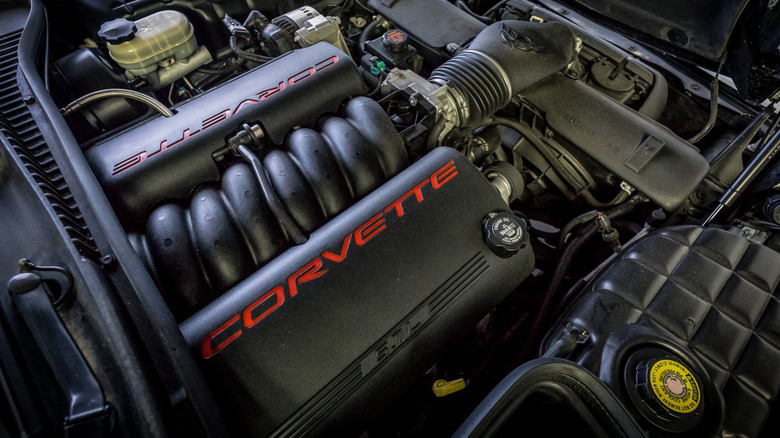
It's hard to think of a more vital component for a car than its engine block. As the key structure that houses the engine's moving parts, strength is of the utmost importance, so one might assume that the vast majority of engine blocks would use steel construction. Cast iron engine blocks were indeed the norm at one point, but in the modern era, many cars and truck have switched over to aluminum engine blocks.
Buick first made waves with its all-aluminum V8 engine way back in the early 1960s with its promise of V8 power without all the nose weight associated with a large, cast iron engine. It took a few decades, but aluminum engine blocks eventually became the norm for many automakers. In the 1990s, lightweight aluminum construction was one of the things that set GM's new LS1 engine apart from its predecessors, and these days, aluminum blocks are used on everything from the Honda K-Series to the Ford Coyote V8 and even Toyota's venerable 2.5-liter hybrid four-cylinder engine.
While cast iron blocks can still provide an advantage in ultimate strength that makes them favorable among high-horsepower engine builders, for modern production cars, aluminum blocks have proven themselves capable of power and longevity while also saving valuable weight. It may happen out of sight, under the hood, but the arrival of aluminum engine blocks has changed the industry in a big way.
EV battery housings
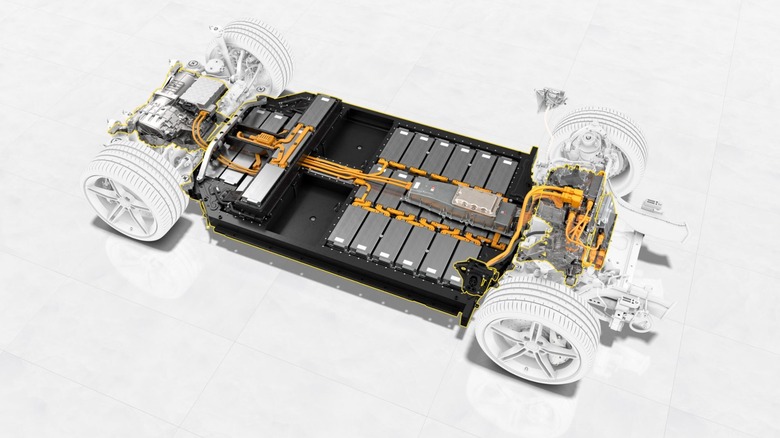
With the rise of electric vehicles, the auto industry has found new ways to use aluminum in vehicle design and construction, and one of the most important aluminum applications in EVs is battery housings. Because EVs need to carry heavy batteries, controlling weight is one of the biggest issues for them, thus making aluminum even more important.
While trimming weight can be desirable on any type of vehicle — electric or otherwise — it's especially important for high-performance electric sports cars, where added mass can be one of the big negatives compared to internal combustion sports cars. This is one of the big reasons why Porsche uses an aluminum battery housing on the Taycan EV. More than just the part of the car where the battery sits, the battery housing is a critical, load-bearing part of the vehicle, and the high-strength aluminum allows the Taycan to use a larger battery with a lower effect on vehicle weight.
This intense focus on trimming weight is just one of the things that make models like the sweet spot Taycan Cross Turismo 4S perform so well. However, it's not just on high-end, high-performance EVs where you'll find aluminum battery housings. Volkswagen's MEB platform uses an aluminum battery housing with an integrated crash frame, while the ultra-popular Tesla Model 3 and Tesla Model Y have a battery tray that uses both steel and aluminum.
Driveshafts

On a front-engine, rear-wheel-drive vehicle, the driveshaft is one of the most vital components, using its centrifugal force to feed power from the engine and transmission to the rear differential. Because of its high strength and low cost, steel is the most common driveshaft materials, but aluminum driveshafts have long been popular among performance and race car builders, and have even been factory equipment on some models.
Whether it's an aftermarket upgrade or factory equipment, the benefits of an aluminum driveshaft come from its reduced mass, which not only trims total weight off a vehicle, but also allows more of the engine's power to reach the rear wheels by reducing parasitic loss. While they might not have the same ultimate strength as steel driveshafts, some aluminum driveshafts can still handle up to 1,000 horsepower, making them a common upgrade for street cars.
Interestingly, one of the best-known models to come with a factory aluminum driveshaft isn't a sleek, high-end sports car– it's the workhorse Ford Crown Victoria Police Interceptor. Ford began using an aluminum driveshaft on the P71 Crown Victoria in the early '90s, and the swap is a popular upgrade for owners of non-Police Interceptor models.
Brake calipers
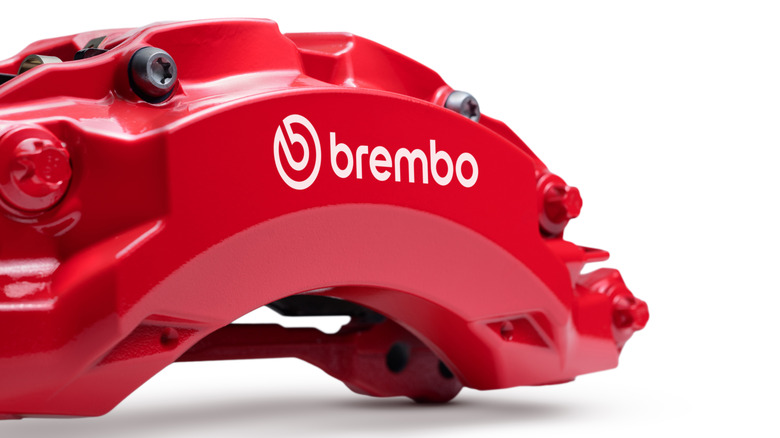
Another car part that sometimes uses aluminum construction is brake calipers. Brake calipers vary in size, with a varying number of brake pistons inside them, and some performance-oriented calipers are made with aluminum. Even if they aren't as obvious, a lot of the reasons that aluminum brake calipers are desirable are the same reasons that aluminum wheels are desirable — a reduction of unsprung weight and improved heat dissipation.
Some of these high-performance, aluminum brake calipers are designed and built by the automakers themselves, while others are made by brake companies (and suppliers) like Brembo or Wilwood. Aluminum calipers aren't just used on lightweight sports cars either. Brembo's new Bodika-branded six-piston calipers use a combination of aluminum and steel components and are designed for use in pickup trucks and SUVs that weigh nearly 9,000 pounds, and are the most powerful brakes the company has ever made for a non-commercial application.
For the time being, aluminum caliper designs are mostly limited to higher-end, performance-spec brake systems, but as with other auto industry uses of aluminum, don't be surprised to see them trickle down to more mainstream applications in the future. Recently, Brembo even debuted an OEM-spec aluminum brake caliper that's made from 100% recycled aluminum alloy material.
Complete car and truck bodies
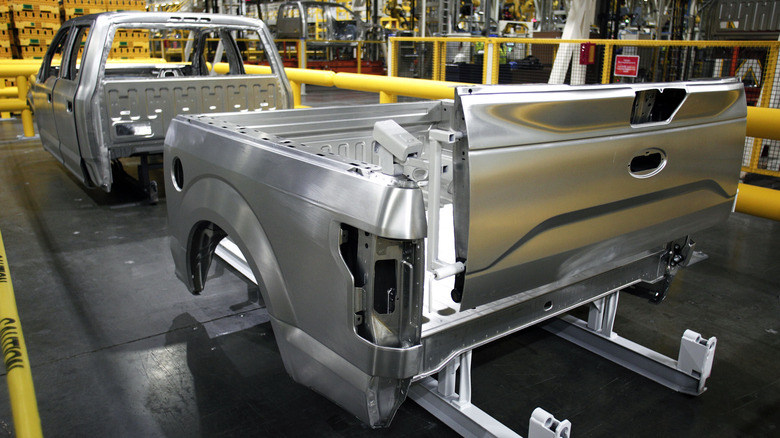
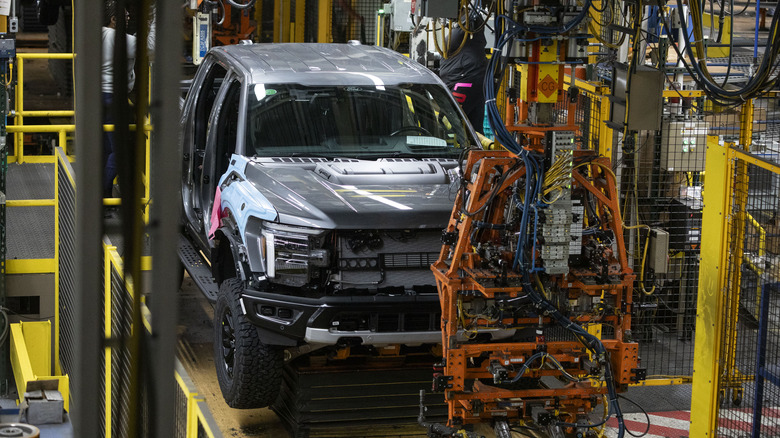
If you want to see just how prevalent aluminum construction can be in the modern auto industry, look no further than the Ford F-150 pickup. On one hand, this is the best-selling vehicle in America, meaning the F-150 is as mainstream as it gets, but it also happens to use an all-aluminum body — which is a pretty big deal, even if many F-150 owners don't even notice it.
The F-150 switched to an aluminum body beginning with the 2015 model year, but that doesn't mean it was the first vehicle ever to use a body made completely out of aluminum. The decade-defying Tesla Model S uses an aluminum bodyfor example, and before that, Honda wowed the world by using an all-aluminum monocoque body on its iconic NSX in 1990.
What sets the F-150 apart, though, is that it's not a mid-engined sports car or a high-tech electric luxury sedan — it's a body-on-frame pickup truck with owners that demand toughness and longevity over exotic lightweight materials. Using a military-grade aluminum body trimmed a substantial 700 lbs from the F-150's curb weight, helping to improve its performance and fuel efficiency in a big way, and more than a decade later, it's looking like the move has paid off for Ford.