

Bluetooth Isn't Owned By Intel – Here's Who Actually Controls It
The Bluetooth wireless connectivity standard was designed to enable electronic devices to connect to each other cable-free, without the need for a router, access point, or other networking hardware using the 2.4 GHZ radio frequency band. It's instantly recognizable logo is found on smartphones, tablets, laptops, headphones, speakers, computer peripherals, smart home devices, and car infotainment systems, among other things. While chipmaker Intel was instrumental in Bluetooth's development, and continues to include it in its products, it doesn't own the standard, nor does it control it. That responsibility lies with the Bluetooth Special Interest Group (SIG), an international standards development organization established in 1998, of which Intel was a founding member.
The mission of the Bluetooth SIG is to create new specifications for the technology that expand its usefulness and ensure that licensees using the standard implement it in a way that allows for interoperability and complies with the organization's certification requirements. In 2025 alone, nearly 80,000 new products qualified for certification.
Where Bluetooth is now, and where it's headed
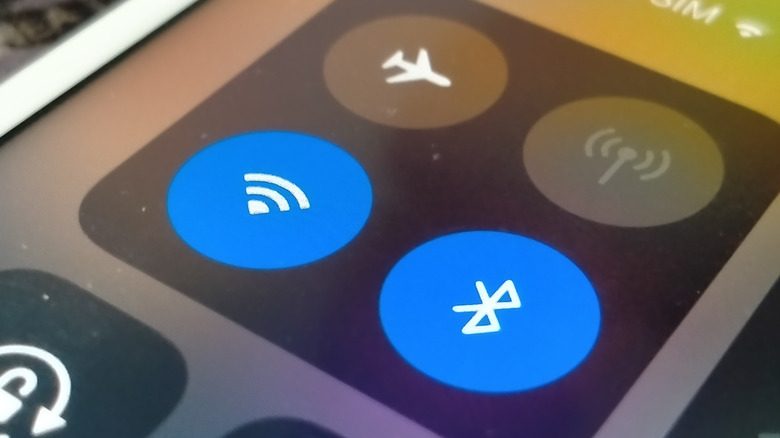
Bluetooth comes in two main formats, Classic and Low Energy (LE). Bluetooth Classic uses 79 channels of the 2.4 GHz radio frequency band, and it's what you'll find in most headphones, speakers, cars, or other devices that stream audio, but can also be used for more esoteric purposes, like wireless printing. Bluetooth LE, meanwhile, uses 40 channels of the 2.4 GHz band, and it's what you'll find in tracking gadgets like Tile devices or Apple's AirTags because, aside from using very little power, it enables a device like a phone or tablet to tell if another device is present, how far away it is, and in which direction.
However, Bluetooth isn't standing still. A new feature called Auracast makes it possible to broadcast audio to compatible devices. So, for example, if you and a friend both have headphones that support the technology, you can use it to both listen to the same audio from an Auracast-compatible device, like a smartphone or an airline's in-flight entertainment system, or to connect two Bluetooth speakers to one another for stereo listening. Auracast also makes it possible to receive audio from a muted TV at a gym or sports bar, or tune into an audio tour at a gallery or museum using your own compatible headphones (or supplied ones). Auracast also promises to be boon for those who need assistive hearing solutions in noisy environments. Bluetooth may be nearly 30 years old, but there's plenty of life and innovation left in the standard yet.