

14 Tech And Video Game Brands Invested In Or Owned By Tencent
Tencent is one of the biggest companies in the world, with a market capitalization of over $1 trillion and over $10 billion in revenue from its overseas video games alone in 2025. The company was founded in 1998 and became a force in the tech industry through the messaging apps QQ and WeChat, essentially the Chinese equivalent of WhatsApp. While WeChat (and its mainland China version, Weixin) are successful apps with a massive number of active users, the corporation has expanded far beyond that initial remit and made a name for itself in the world of entertainment and pop culture.
Its Tencent Pictures subsidiary, for example, has produced movies such as 2017's "Wonder Woman" and 2018's "Venom," the latter in collaboration with Marvel and Columbia Pictures. But Tencent's biggest involvement in consumer entertainment is likely in video games. The Chinese corporation has purchased or invested in a wide range of studios and publishers, big and small, over the years. And don't think it's only ever gone after the small fry, either: some of the companies it backs are genuine household names that have developed games that even casual players will be aware of. Let's run through some of the highlights.
Riot Games
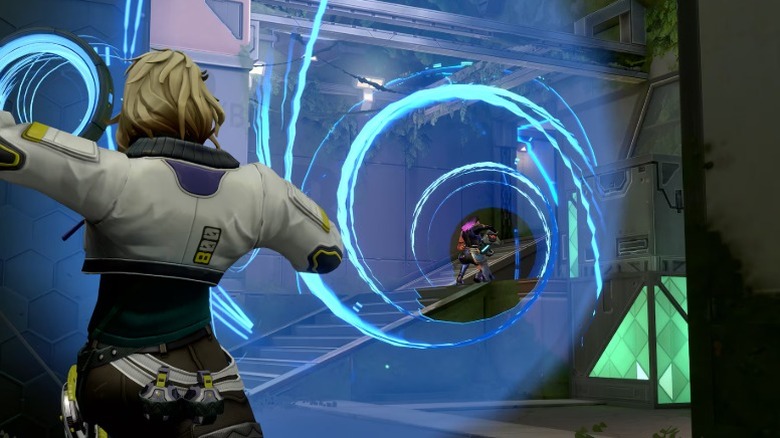
Riot Games is a popular American brand you may not realize is under Chinese ownership. The studio, best known for "League of Legends" and "Valorant," first partnered with Tencent in 2008, when it signed a distribution deal to offer the as-yet-unreleased "League of Legends" to Chinese players via Tencent's QQ platform.
Tencent deepened its involvement with Riot just under a year later, joining Benchmark Capital and FirstMark Capital to invest $8 million in Riot in September 2009. That wasn't the end of it, though: after "League of Legends" launched in Europe and North America in 2011, the Chinese company went all-in on Riot and its MOBA, buying out Benchmark and FirstMark for a purported $400 million to gain a majority stake in the developer.
Tencent's bet paid off. "League" topped the charts after its September 2011 launch in China and, in the years that followed, grew popular enough to become an integral part of Chinese popular culture. In 2015, Tencent took the logical final step and made Riot Games a wholly owned subsidiary by buying the remaining shares of the company.
Epic Games
Tim Sweeney founded Epic Games in 1991 as Potomac Computer Systems, later renamed Epic MegaGames, the name under which it developed shareware games like "Jill of the Jungle" and the classic "Jazz Jackrabbit." It became Epic Games in 1999, by which point the studio had already released "Unreal" and started licensing the engine to other developers, setting the stage for much of its business model going forward.
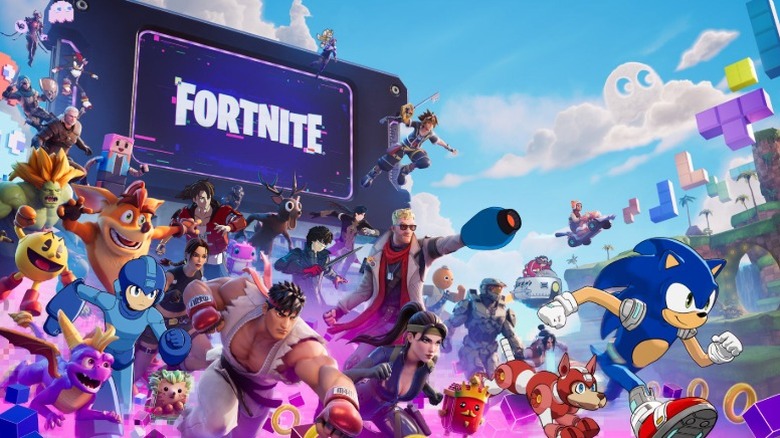
If you're familiar with gaming, you'll know the rest. "Gears of War" and its iconic "Mad World" trailer; successive versions of Unreal Engine, leading up to the 2022 launch of Unreal Engine 5; and the all-conquering cultural phenomenon that is "Fortnite," to name a few. Amidst all that, though, Epic received a financial boost from Tencent in 2012, when the Chinese corporation paid about $330 million for what was then reported as 40% of the studio.
Tencent continues to own a decent chunk of Epic as of late 2026, with reports indicating a 28% stake. It hasn't been entirely smooth sailing, however, with two Tencent-appointed directors stepping down in 2024 amid antitrust concerns and, in 2026, rumblings from President Trump's camp about forcing the Chinese firm to give up its shares over security concerns.
Larian Studios
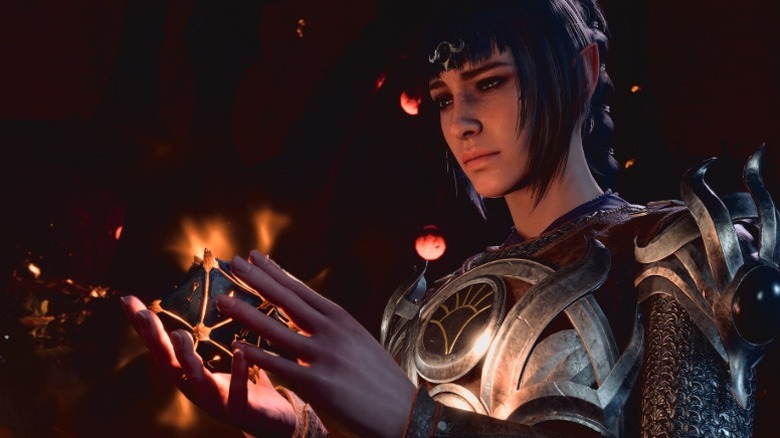
Larian Studios was founded in 1996 by Swen Vincke and, for most of its life, was likely a name known only to PC gamers. This isn't to belittle the studio, of course, only to say that early titles like "Divine Divinity," while solid, didn't really set the world on fire. 2017's "Divinity: Original Sin 2" is likely where non-RPG fanatics really first paid attention to the studio, but the game that really put the studio on the map was the all-conquering "Baldur's Gate 3," which has likely sold over 10 million copies and swept all five major Game of the Year awards in 2024. Not bad for a plucky independent, owner-owned studio.
Well, kind of. While the most recent data available (from 2020) indicates that Vincke is indeed the majority shareholder with over 60% of the studio's shares, Tencent is the second-largest shareholder at 30%, with the remaining shares held by Valerie Coessens. Crucially, for fans wary of corporate interference, Tencent's 30% stake is in the form of preference shares, which gives the company little say in how the studio is run.
Supercell
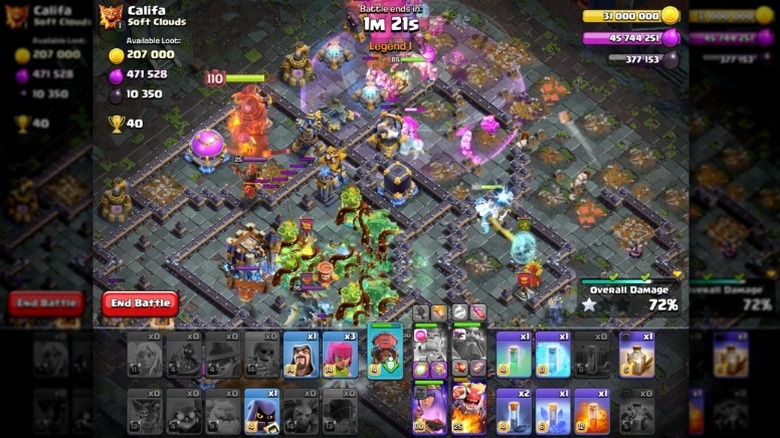
Finnish studio Supercell has a string of popular mobile games under its belt, with the crowning jewel undoubtedly being "Clash of Clans," one of the highest-grossing video games ever, if not the highest-grossing outright. Tencent purchased Supercell from SoftBank in 2016, paying a massive $8.6 billion for SoftBank's 72.2% stake and an additional 12.1%, giving it 84.3% ownership of the studio.
If that seems like a lot of money to spend on a mobile game developer, consider the fact that Supercell was already raking it in at that point, and that Tencent wasn't buying some small-scale upstart. Analysts estimated that "Clash of Clans" alone made $1.8 billion in 2014, which is what undoubtedly allowed the studio to casually drop $9 million on a "Clash of Clans" Super Bowl ad featuring Liam Neeson.
Supercell remains headquartered in Finland, with offices in cities around the world. "Clash of Clans" isn't quite the force it used to be, having been overtaken by newer titles (including Tencent's own "Honor of Kings") in the popularity stakes, but it still has enough of a presence to spawn an animated series and collaborations with superstar soccer players such as Norway's Erling Haaland and WWE wrestler John Cena.
Remedy Entertainment
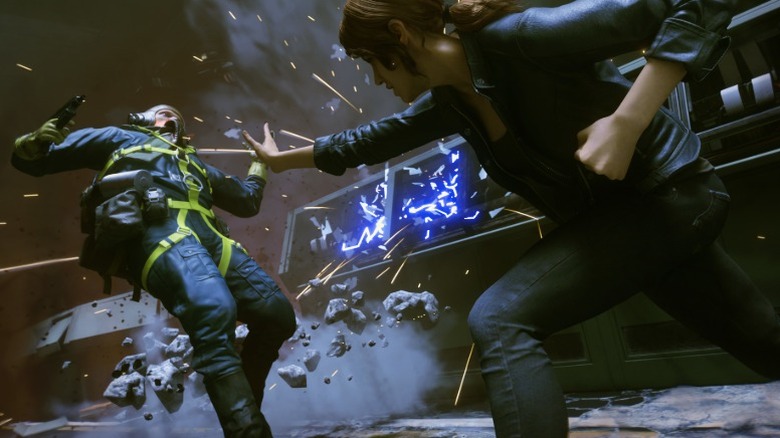
Finnish studio Remedy is a bona fide critical darling, with a track record that includes genre-defining fare like the first two "Max Payne" games, the enjoyably weird "Control," and the even quirkier — and very graphically intensive — "Alan Wake 2." It's a body of work that almost any studio would be proud of — although the less said of missteps like "FBC: Firebreak," the better.
Remedy was founded in 1995 by members of the Finnish demo scene and launched its first game, "Death Rally," in 1996. The years that followed saw both "Max Payne" games, the first "Alan Wake," and "Quantum Break" hit the shelves before the studio went public in 2017. Tencent made its first move four years after that, purchasing 3.8% of the company's shares in 2021. It increased its stake to 14.08% via its Hong Kong-based subsidiary, Image Frame Investment, in April 2024.
In September that year, Tencent gave Remedy a 15 million euro loan, with the Chinese company having the right to convert the loan into shares from the third anniversary of the drawdown. Assuming Remedy accesses the money immediately, we may see Tencent become a larger shareholder in late 2027.
FromSoftware
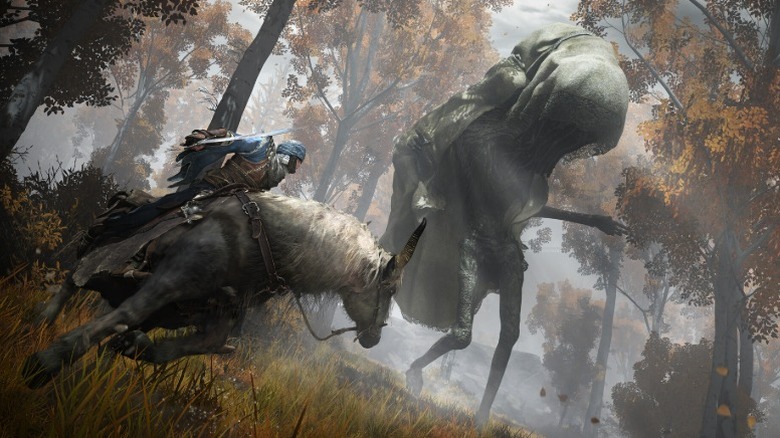
If there's one Tencent-backed company that can give Remedy a run for its stakes in the critics' hearts, it's got to be FromSoftware. The Japanese studio has a long history, having released its first game, "King's Field," in 1994, but it's best known for the lineage of tough-but-fair third-person action RPGs that began with 2009's "Demon's Souls." FromSoftware would go on to develop games such as the incredibly well-received "Dark Souls" series, 2019 Game of the Year winner "Sekiro: Shadows Die Twice," and our favorite RPG of 2022, "Elden Ring" — and spawn a whole new genre of "Souls-like" games in the process.
FromSoftware is primarily a subsidiary of the Japanese company Kadokawa, which owns 70% of the developer. The remaining 30% is split between Sony and Tencent subsidiary Sixjoy, which purchased 14.09% and 16.25% of the developer, respectively, in August 2022. However, Sony also owns about 10% of Kadokawa itself, giving it an edge, in a sense, over Tencent. Sony's stake in Kadokawa is second only to activist investor Oasis Management which, as of mid-2026, had been using its 15.25% ownership of the corporation to (unsuccessfully) push for Kadokawa CEO Takeshi Natsuno to step down.
Grinding Gear Games
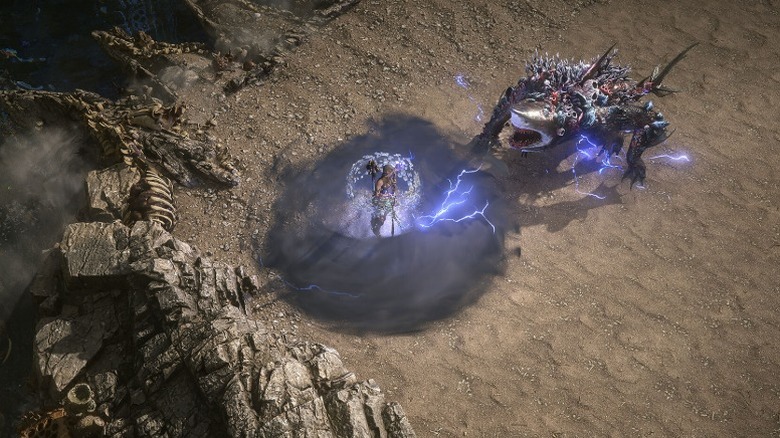
Grinding Gear Games has only two games to its name: the action RPG "Path of Exile" and its sequel, "Path of Exile 2." Despite — or, perhaps, because of — that, the New Zealand-based studio has managed to carve out a niche for itself by offering ARPGs possessing the sort of chunky combat, satisfying progression, and complexity that certain types of ARPG fans adore.
Grinding Gear first began working with Tencent in the mid-2010s to bring "Path of Exile" to China, a process that allegedly took a couple of years to get past the censors. Much like it did with Riot, Tencent used this deal as a springboard to purchase a stake in the studio, becoming the majority shareholder in 2018, about a year after the Chinese version launched.
The studio continued to operate independently, with founders Arik Olofsson, Jonathan Rogers, and Chris Wilson staying at the helm. That ownership structure, at least, looks to have changed in 2024, however: According to a filing with the New Zealand Companies Office, all three sold their remaining shares to Tencent in March, giving the Chinese firm total ownership of Grinding Gear.
Techland
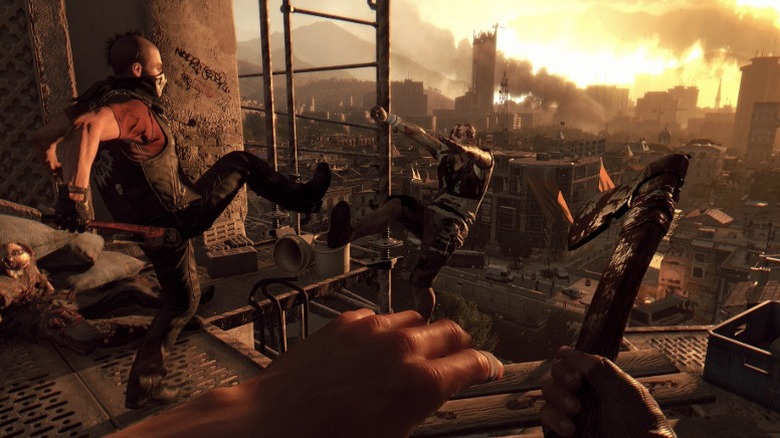
Tencent purchased a majority stake in Polish studio Techland, probably best known for developing the "Dying Light" series of video games, in 2023. Founder and CEO Paweł Marchewka announced the deal in July that year, with his open letter to players emphasizing that the studio would retain its independence and that he would remain at the helm of the company.
Neither Marchewka nor Tencent disclosed the terms of the deal, but analysts estimated that the latter paid $1.5 billion for a 67% stake in the Polish studio. The deal was completed by the start of 2024, at which point Techland was reportedly working on an open-world action-RPG with a new IP that has yet to see the light of day as of Q3 2026.
While Techland stated that it would retain creative freedom, Tencent has not necessarily stayed away from exerting an influence on other aspects of the studio's operations. The Chinese company sent staff to work alongside and support Techland after its 2024 acquisition, and also had a role in the developer's decision to release 2025's "Dying Light: The Beast" as a standalone title.
Leyou Technologies
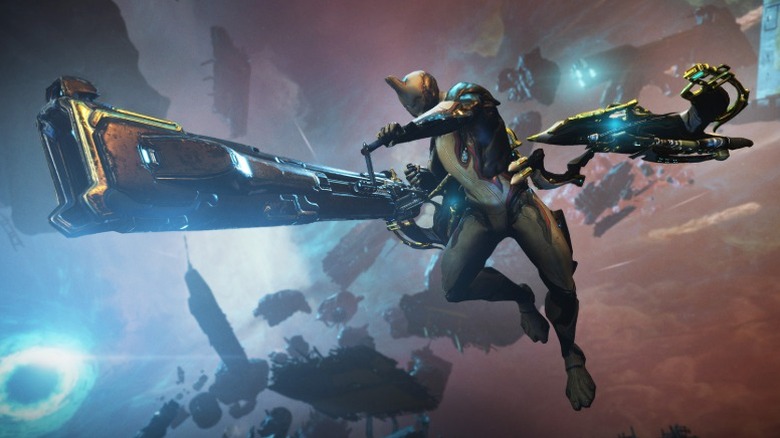
Leyou probably isn't a name gamers will recognize, but some will certainly know one of the companies it owns: Digital Extremes, the developers behind the reasonably popular free-to-play multiplayer game "Warframe." Tencent purchased Leyou in 2020 for a cool $1.5 billion, with Leyou-owned studios such as Digital Extremes, Splash Damage, and Certain Affinity becoming part of the Tencent corporate family.
Tencent has, however, seemingly done little with Leyou since the acquisition. As early as 2021, reports emerged of failed projects and employees leaving (or being let go), and the company's corporate decisions have corroborated this somewhat grim view. In the years since those reports, Tencent has sold both Splash Damage and Certain Affinity: Splash Damage went to private equity investors in 2025, while "Hogwarts Legacy" co-developer Certain Affinity was sold to Keywords Studios in 2024.
It's worth noting that Leyou, much like Tencent, did not start out in the games business. However, unlike its parent company, which at least started out in the tech and app sphere with its messaging apps, Leyou's roots lay in poultry as Sumpo Food Holdings, and it only began investing in game studios after poultry income began to fall in 2013.
Krafton
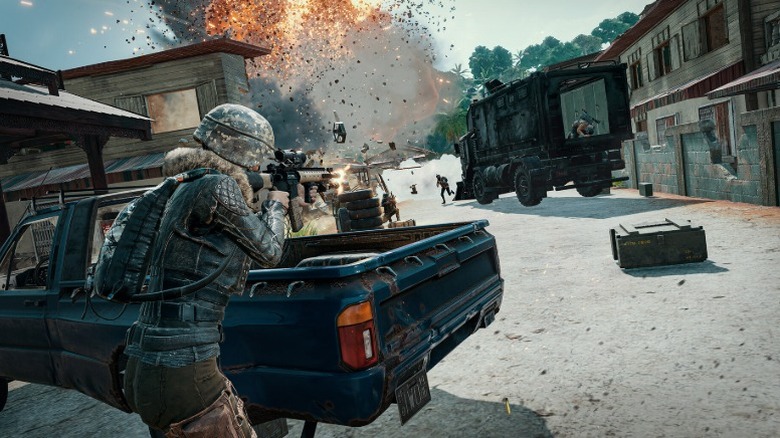
"Fortnite" may have elevated the battle royale genre to unforeseen and, as yet, unequaled heights of pop culture prominence, but the genre's existence can arguably be traced to "PUBG: Battlegrounds," formerly known as "PlayerUnknown's Battlegrounds." The game launched in Early Access in 2017 and was a hit, selling 20 million units in seven months and defining the genre in the process.
"PUBG"'s success, likely aided by a deal with Tencent that saw the firm publish the game in China in late 2017, allowed Korean developers Bluehole to establish a holding company, Krafton, in 2018. Tencent had initially considered investing the equivalent of $468 million in Bluehole earlier in the year, but seemingly shifted its focus to the new holding company after Bluehole's rebranding.
While the dates aren't entirely clear, we do know that the Chinese corporation already held a stake in Krafton when Krafton went public in 2021. As of December 2025, it holds a 14.08% stake in Krafton via Image Frame Investment. Since going public, Krafton has acquired and founded a handful of studios, including Neon Giant and Tango Gameworks in 2022 and 2024, respectively. Bluehole, for its part, was spun off into an independent subsidiary in 2020.
Ubisoft
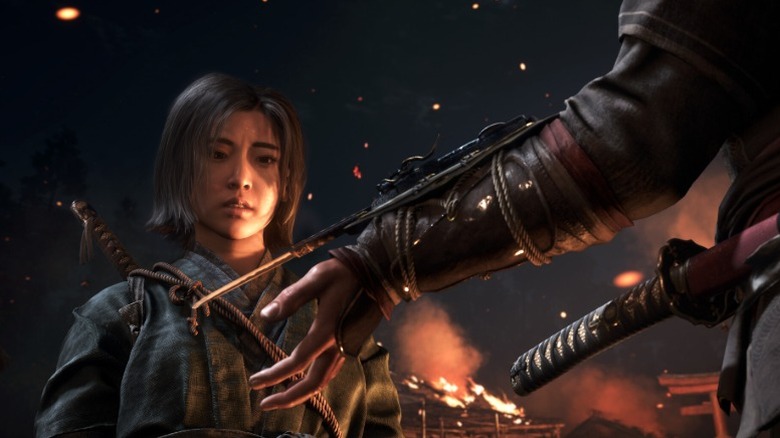
Ubisoft might be the biggest video game company Tencent is currently involved with in terms of sheer AAA presence. Tencent's dealings with the French publisher began in 2018, when it was one of a handful of companies that purchased Vivendi's shares in Ubisoft, as Vivendi agreed to give up all of its shares. Tencent ended up with 5% of the company and signed an agreement not to increase its stake (or share of voting rights) in Ubisoft.
Tencent's next move came in late 2022, when it invested €300 million in Guillemot Brothers Limited, Ubisoft's primary shareholder. This deal, however, did not directly affect Ubisoft, although the situation changed drastically just a few years later. After the French publisher endured a terrible 2024 that saw its shares drop by 40%, it decided to restructure by establishing a new subsidiary — and allowing Tencent to take a significant $1.25 billion stake in said offshoot.
Vantage Studios, as it's called, began operations in October 2025 and will be responsible for developing franchises such as "Assassin's Creed," "Far Cry," and "Rainbow Six Siege." Tencent's investment has given the company a 25% stake in the studio and an advisory role.
Funcom
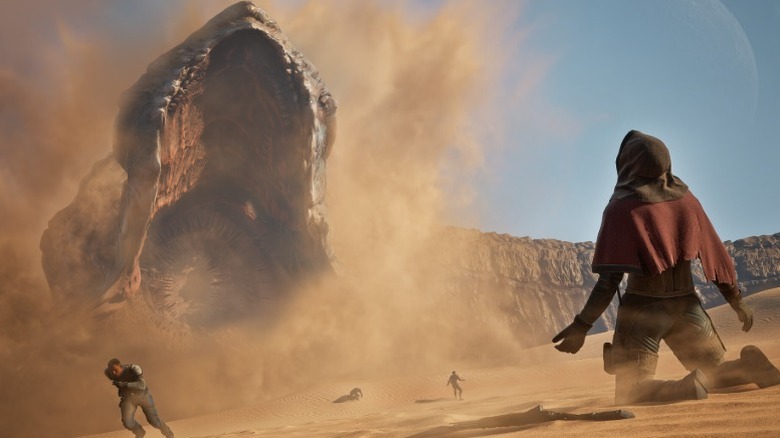
Tencent has stakes in many video game companies, but it doesn't own that many outright. One example of the latter, alongside studios like Riot Games and Supercell, is Funcom. Funcom is a development studio and publisher that's been around since 1993 and is likely best known for its MMOs, including 2001's "Anarchy Online" and, more recently, survival MMOs "Dune: Awakening" and "Conan Exiles."
Tencent first acquired a 29% stake in the publicly listed company in 2019, buying out the Norwegian investment firm KGJ Capital. The news came soon after Funcom acquired the rights to develop "Dune" games for the next six years, which may or may not have been related. That 29% soon became 100% when Tencent offered to purchase the company outright in January 2020, about three months after acquiring its 29% stake.
Tencent's offer valued the company at $148 million. Tencent and Funcom completed the deal in July, after which the studio was delisted from the Oslo Stock Exchange. The purchase allowed Funcom to dedicate more resources to its then-upcoming "Dune" MMO, a move that seems to have paid off — if critical opinion is anything to go by, at least.
Sumo Digital
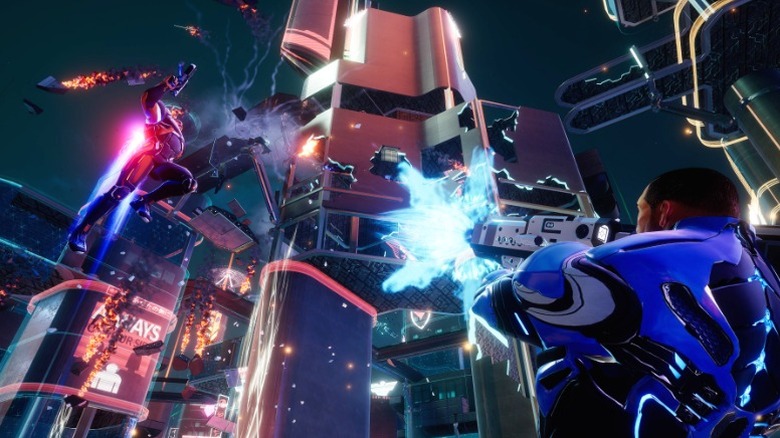
British studio Sumo Digital has developed entries in reasonably well-known franchises such as "LittleBigPlanet" and "Crackdown," but that's likely not how most gamers will have engaged with the studio's work. Instead, you're more likely to have enjoyed Sumo's work through its co-development efforts, which include levels for IO Interactive's "Hitman" games and porting 2021's very enjoyable "Forza Horizon 5" to PC.
The studio floated itself as Sumo Group in 2017 and was valued at 145 million pounds. Tencent bought 9.96% of the company from investors, Perwyn Group, two years later. In 2021, Tencent announced it would pay the equivalent of $1.3 billion to buy the company outright, with the purchase made through its subsidiary, Sixjoy.
The years since have not been that kind to Sumo, however. The company laid off 15% of its staff in 2024, saw subsidiaries Secret Mode and The Chinese Room go independent in 2025, and be forced to give up original franchises in favor of co-development work. By the end of 2025, Tencent began taking a more hands-on role in Sumo's operations, with the parent company supporting Sumo's decision to focus on contract work.
Fatshark
If you were a PC gamer in the late 2000s, then you probably played "Left 4 Dead" (or the sequel, imaginatively titled, of course, "Left 4 Dead 2") at least a few times. Both were defining titles for many millennial gamers, with their co-operative PvE gameplay establishing a template that countless games have tried to follow, to varying levels of success.
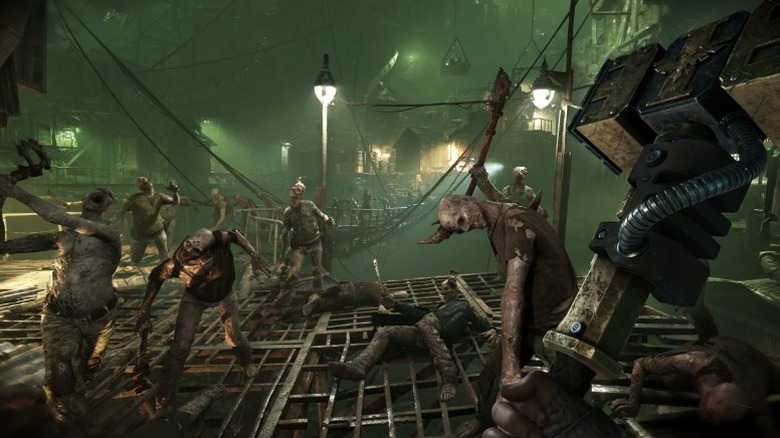
Fatshark has been one of the few developers to successfully and consistently offer worthwhile takes on the basic "Left 4 Dead" formula. Titles like "Warhammer: End Times – Vermintide" and "Warhammer 40,000: Darktide," while unashamedly influenced by Valve's co-op shooters, were excellent co-op experiences that managed to set themselves apart from the originals.
Tencent obviously saw something in the studio too, purchasing a 36% stake in the company for the equivalent of $56 million in late 2019. As with many of Tencent's other investments, that initial stake quickly grew, and the corporation purchased additional shares from Fatshark's founders in 2021, becoming the majority shareholder. Neither company disclosed how many shares changed hands nor for how much, although official documents (via Dagens Industri) recorded a company valuation of 2.2 billion Swedish kronor as part of the transaction.