

Why Modern Engines Keep Getting Smaller While Cars Keep Getting Bigger
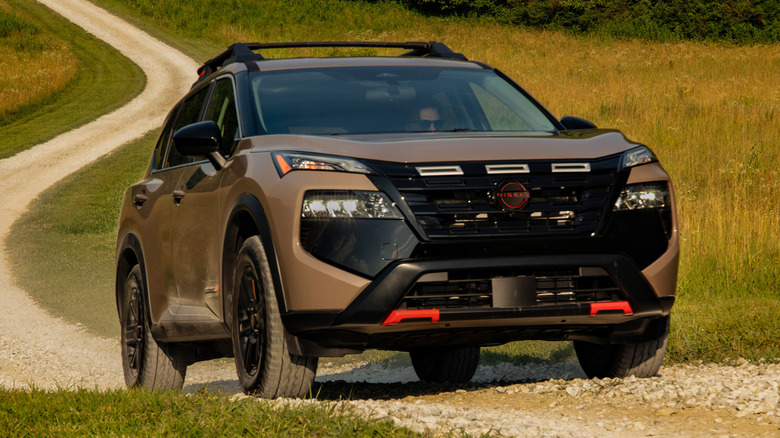
Shop around for a new car today and you might be surprised to learn which engines lurk underneath the hoods of many popular models. Many bigger cars now come with surprisingly small engines, with some family-hauling SUVs sporting four-cylinder engines with displacements of 2.0-liters or less. Some compact SUVs like the Nissan Rogue even come with 1.5-liter three-cylinder engines as standard, despite the previous generation Rogue sporting a 2.5-liter four-cylinder engine. The Nissan isn't alone either, since the latest Ford Bronco Sport features a three-cylinder engine of the same displacement, and the Chevrolet Trailblazer is equipped with a 1.2-liter three-cylinder engine.
It's easy to assume that an engine with a smaller displacement and fewer cylinders will end up feeling feeble when you put your foot to the floor. In some cases, that is indeed true. However, the most powerful 2.0-liter engines on the market churn out more than 300 horsepower, with advances in component design and turbocharging technology making them far more powerful than the humdrum small engines you'll find in many older cars.
Even if they're not high performance four-cylinders with huge turbos, modern small-engined cars can feel surprisingly brisk off the line thanks to hybridization, which pairs the combustion engine with an electric motor (or several motors). A four-cylinder 2026 Toyota RAV4 Plug-In Hybrid, for example, has a 0-60 mph time of 5.4 seconds, making it quicker than some old-school sports cars.
Larger vehicles are now more efficient than before
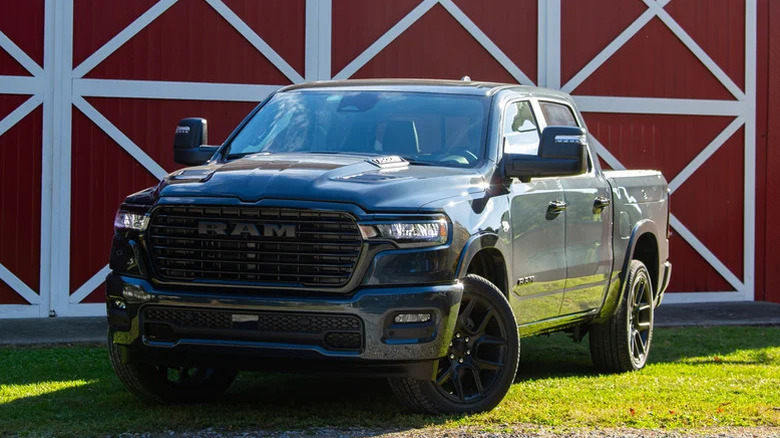
Turbocharging and electrification give automakers plenty of options for extracting maximum power out of their small engines, all while offering efficiency improvements that make small-engined cars significantly less costly for their owners at the gas pump. It isn't just compact cars and SUVs that are making the switch either; some previously V8-powered trucks now feature smaller V6 engines that offer better fuel efficiency without compromising on power.
One of the most notable is the Hurricane inline-6 engine that's available in the 2026 Ram 1500. It remains controversial because it briefly replaced the Hemi V8 before Ram changed course and brought the Hemi back. On paper, however, the smaller engine is still the obvious winner. The Hurricane engine offers more horsepower and torque, drinks less fuel, and is cheaper than the Hemi. Our reviewer concluded it simply wasn't worth bothering with the Hemi engine unless you're particularly fond of a V8 soundtrack.
Even when you're presented with a set of figures proving that a smaller engine is better, it might still feel like an unnatural choice to opt for lower displacement and fewer cylinders, especially since many modern cars and trucks are now physically larger than their predecessors. This increase in size has happened for various reasons, including regulation changes and evolving buyer preferences.
Many drivers think larger cars are safer
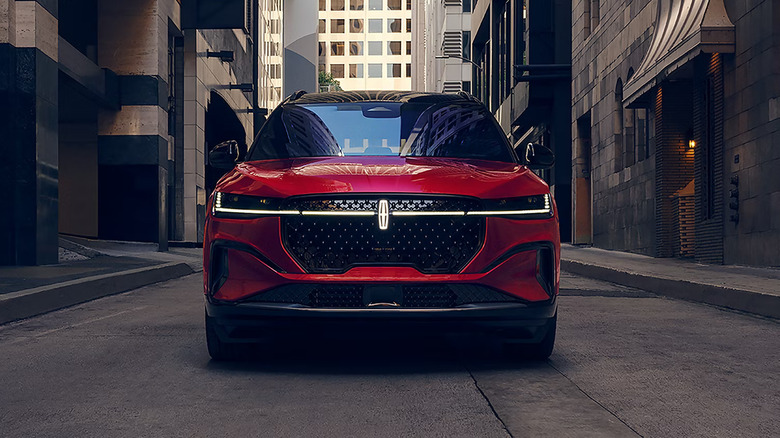
Various regulations introduced over the course of several decades have incentivized automakers to prioritize larger vehicles. Arguably none did so more than CAFE standards, which set out minimum efficiency requirements for new vehicles but mandate different requirements for passenger cars than light trucks. The requirements for light trucks are lower, and they also include SUVs. That's a win-win for automakers: They get less strict efficiency targets to hit by focusing on bigger trucks and SUVs, and truck sales also come with higher margins than passenger cars.
Plenty of American drivers also associate larger vehicles with being safer overall, though a 2025 report by the Insurance Institute for Highway Safety (IIHS) found that its data doesn't entirely back that idea up. In recent years, it found both the average weight of cars and pickups has increased, but picking a vehicle that was heavier than average did not decrease the risk of death for its occupants in an accident. In a multi-car crash, a heavier-than-average vehicle that hit a lighter-than-average vehicle was more likely to cause the deaths of the occupants of the lighter vehicle, however. Senior IIHS statistician Sam Monfort summed up the findings, saying "choosing an extra-heavy vehicle doesn't make you any safer, but it makes you a bigger danger to other people."
Nonetheless, many drivers feel reassured by driving a vehicle that's larger than average. As the average size of vehicles continues to increase, so does the size of the largest vehicles on the market. All the while, efficiency improvements continue to drive down the average size of vehicle engines, leaving automakers fitting increasingly small engines to ever-bigger cars.