

5 Useful Tips For CD Collectors In 2026

There was a time in the 2010s when music streaming looked like it had changed the face of the music industry for good. Spotify and its ilk essentially took over the market that decade, going from having a tiny 7% share of the U.S. market in 2010 to a whopping 80% in 2019, according to the RIAA.
What seemed like an inevitable victory is now not quite so certain, though. Physical media is making a serious comeback, with Gen Z embracing the notion of physical ownership and offline media libraries, a concept that many millennials had so hastily abandoned just a decade before — no doubt to create minimalist homes with nary a misplaced book, CD, or vinyl record in sight. While being a collector and record store employee during the years when my peers were ditching physical media allowed me to score some great deals, I firmly believe that the more people interested in, and celebrating, physical media, the better — and there are few places to start more ideal than with CDs.
They're cheaper than vinyl, sound better than cassette tapes, and thanks to the abundance of great modern CD players (many of which are portable), arguably more accessible than both. That said, while physical media is fun, it's also not without pitfalls. Thus, here are some useful tips for anyone interested in collecting CDs in 2026, drawn from my experience and those of my peers. Many of these tips apply if you're buying used vinyl records, too, so you may find something useful even if you prefer wax.
CDs are pretty durable, but not invincible
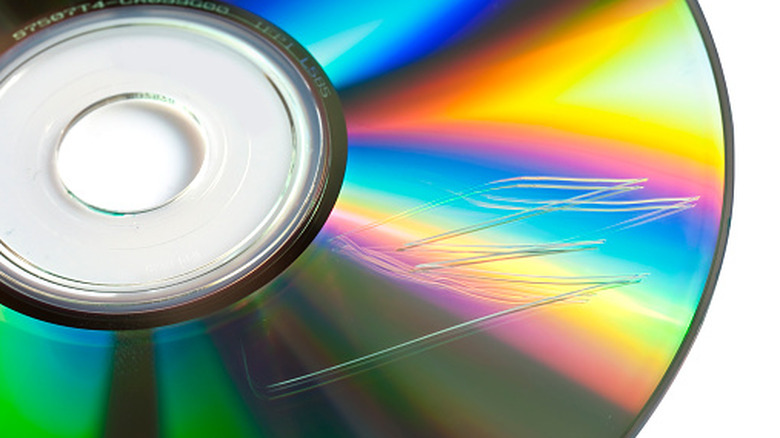
You generally don't have to worry about a CD's condition quite as much as vinyl or tapes. For one, laser playback means there's no friction to wear the medium out. On top of that, CDs are also reasonably resistant to light scratches, partly because of the error correction available on CD players. You can even polish or resurface CDs to remove scratches, so don't be turned off by some scuffs.
That said, there are issues to watch out for. The most infamous is disc rot, which manifests as either a bronzing of the disc itself, rot on the edge of the disc, or pinholes and eventually renders the CD unplayable. Thankfully, disc rot is mostly limited to discs manufactured by PDO between 1988 and 1993. Unless you're specifically after one of the albums pressed at Philips and DuPont Optical (PDO) during that period, you're probably safe. Even if you are, you may still be able to find good copies, as PDO offered replacements for affected discs until 2022.
While you can sidestep disc rot, there are other condition issues to be aware of. Scratches on the label surface can actually be more problematic than ones on the data side, so you may want to avoid discs with those. You'll also want to watch out for plastic smears or stains on the data surface that can be caused by plastic melting onto the CD over time. If you can bring a portable CD player with you when you go looking for CDs, do it. It'll save you a lot of heartache.
Pay attention to (re)masters

Music is much more than the songs and performances that a band commits to tape. The mixing and mastering can have an equally significant impact on the listening experience as the songs themselves. Bad mastering can ruin an album — Metallica's "Death Magnetic" and its compressed-to-the-point-of-distortion mastering, anyone? — and so it pays to be aware of the specific master on the CD you're thinking of picking up.
Now, to be clear, this isn't always relevant. If an album has never been remastered or remixed, then you're stuck with what you have. However, many albums tend to get remastered every few years, and that isn't always a good thing. For example, the so-called Loudness War of the 2000s led to albums, such as Michael Jackson's "Thriller," being remastered to maximize loudness above all else, in line with new music being released at the time. Vinyl doesn't necessarily sound better than CDs, but in my (and many others') experience, many albums released during this period, whether new music or remasters, are more tiring to listen to on CD than on vinyl, which puts limits on loudness — even if the jury's still out on what exactly causes this fatigue.
Conversely, there are times when remasters can help. That aforementioned Metallica album? It was remastered in 2015 with much less compression; if you're interested in it, make sure you pick up a CD with the newer master. Similarly, Steven Wilson's anniversary remixes and remasters of King Crimson's albums might even be better than the originals and are well worth picking up.
Versions and pressings matter too
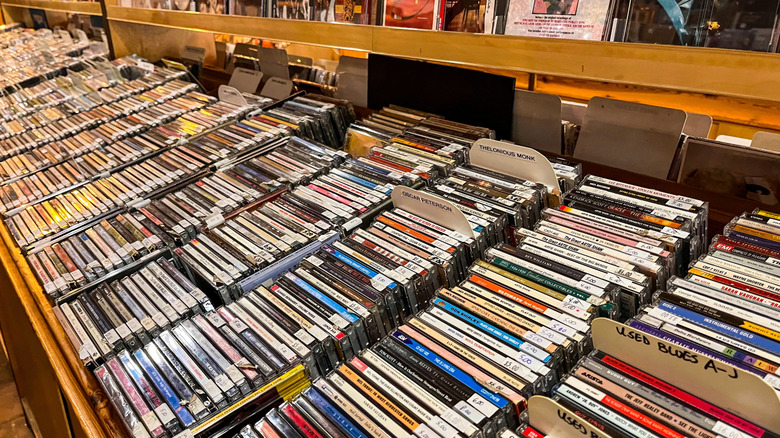
Even if you don't have to worry about remixes or remasters changing how the music sounds, you should still be aware of the different versions (or pressings) of an album that are available. In some cases, this will allow you to avoid discs with problematic manufacturing, such as the PDO-made ones subject to the disc rot issue we discussed earlier.
That's just one example, of course. If you're rooting around for used CDs at your local thrift store, you may also find cut-price CD club discs from companies like Columbia House. There have been claims that these sound worse than standard CDs, although none of these assertions have stood up to scientific analysis as far as I know. But if you're anything like me, you'll want a version from the original label anyway, if only to satisfy some strange collector urge. Some also claim that CDs pressed at different plants will sound different which may be another motivating factor for you to track down specific pressings of an album. I will admit to being skeptical of this, but I also can't say it's definitely untrue; feel free to experiment and see what you find.
Finally, there's also the allure of country-specific editions, such as the famed Japanese pressings with their colorful obi strips and, more often than not, bonus tracks. They're not necessarily better, but they are different enough to keep an eye out for (or avoid), depending on what you're after. I'm partial to an obi strip myself, but I wouldn't pay over the odds for one, either.
Keep track of your collection (and don't go overboard)
If there's one thing I've learned over years of collecting music, it's that it's very easy to get carried away. Whether it's a massive $1 (or your local equivalent) bin at a thrift store or a bunch of tasty CDs your favorite record store just got on consignment, it's very easy to find yourself leaving a shop with a huge chunk of CDs in your bag that you may not have intended to buy.
Is it fun? Yes. Can it be rewarding? Definitely. But I, and many collectors, have learned the hard way that just because you can buy a CD or three doesn't mean you should. That whole stack of CDs you paid pennies for? Unless you got really lucky, you'll probably only listen to them once, if ever. Belatedly realize that you already own a few of the CDs you purchased during that thrifting trip? Been there, done that.
Thus, it's really important to rein yourself in, not buy on impulse, and have a good list of what you already own. A cheap CD isn't always a good CD, and owning two copies of the exact same pressing is often pointless. While it's always good to take chances once in a while, you should focus primarily on music you know you like and really want to own on CD before branching out. Discogs is a very handy site for this, as it lets you catalog your collection and create a wantlist to guide you when you're out hunting for music.
Cast your net far and wide
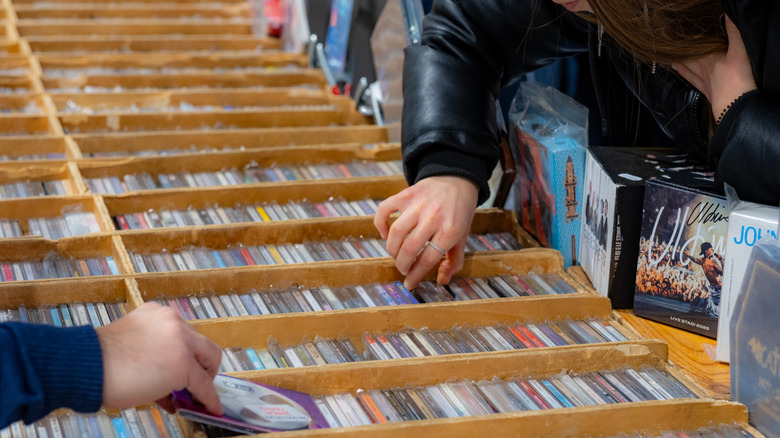
There are many places to get your CD fix. The easiest is, of course, online: Discogs lets you shop for CDs and vinyl according to pressing, so you can hunt down the specific version you want. EBay is a good source, too, especially for CD lots. These lots will mostly be trash, but I've bought some that had a handful of good CDs that were worth the entire package, so you may get lucky.
My favorite thing about collecting physical music, though, is that it encourages me to hit up as many record stores and thrift shops as I can. Not only does it get me out of the house, it has also allowed me to get to know the people who run and work at these stores. I even ended up working part-time at one in the mid-2010s simply because I hung out at the store a lot. Of course, this isn't going to be something you can do at every shop, but it's a nice bonus if it happens.
Even if your digging remains a resolutely solitary affair, I recommend visiting shops because you never know what you'll find when you walk in. Trust me: There are few better feelings in a collector's life than visiting a thrift shop only to find that they've only just put out new stock — and you're one of the first ones there. Does it guarantee you'll find something you want? No, of course not. But it's a lot more exciting than listlessly browsing through titles on a music streaming service like Spotify.