

Pixel 11 Pro, Pro Fold, And More: Everything Google Just Released (And What They Cost)
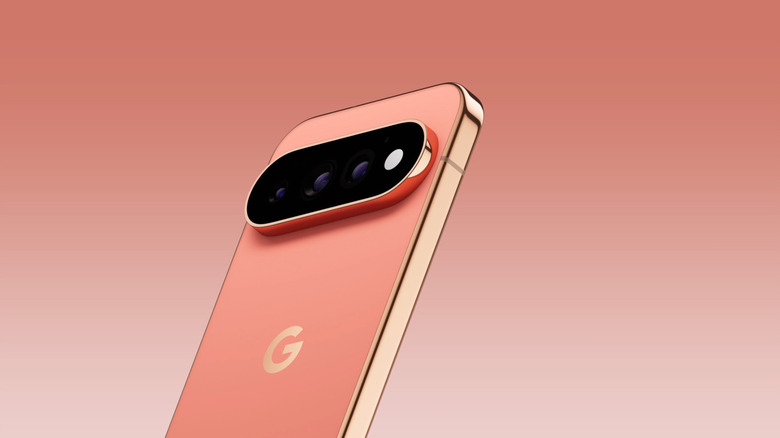
The 11th generation of Google's Pixel devices is here, and like the previous few iterations, upgrades are rather incremental on the hardware front. The Pixel 11, Pixel 11 Pro, and Pixel 11 Pro XL all share the same new Tensor G6 chip — which Google claims is up to 15% faster when it comes to launching apps than the Tensor G5 — with a TPU (Tensor Processing Unit) that's packing in 50% more compute. Design-wise, the Pixel 11 series is unmistakably Google, retaining the same glass and aluminum construction with the distinct camera bar at the rear.
The thickness of the camera bar on the base model Pixel 11 has been reduced by 40%, which should help with making the phone feel less bulky. There are major upgrades to the camera system across the lineup. The Pixel 11 features a larger 48-megapixel main sensor, and the 5x telephoto lens now supports 30x Super Zoom. As for the Pro models, both the main and telephoto lenses have been upgraded, allowing you to crop in much closer with Pro Zoom at 120x.
There is one new hardware addition to the Pixel 11 series — a cluster of colored LED lights around the flash module. Google is calling this feature "HiLight," and it pretty much works like the notification LED on older Android phones used to. Pricing has seen a bump and now starts at $900 for the Pixel 11, $1,100 for the Pixel 11 Pro, and $1,300 for the Pixel 11 Pro XL. Fortunately, all models start with 256GB of capacity.
The Pixel 11 Pro Fold is here too
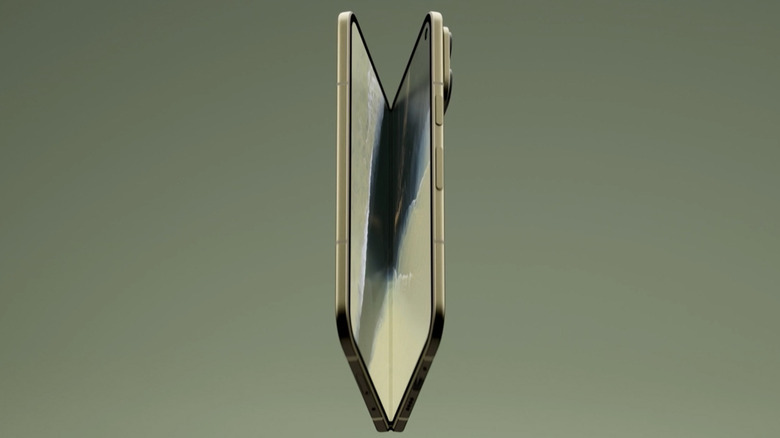
Some of the best foldable smartphones you can buy come courtesy of Samsung, but Google's Pixel Fold series has been doing a lot of things right, too. The new Pixel 11 Pro Fold brings refinements to Google's foldable, featuring a slimmer and lighter construction than the Pixel 10 Pro Fold. It also features a new glass fiber composite back cover, which Google says is "impossible to crack." Upgrades to the hinge mechanism are to provide better crease performance, too.
Like the Pixel 11 Pro devices, the Pixel 11 Pro Fold features a brighter Super Actua display at 3,600 nits. The main camera has been swapped out for a new 48-megapixel sensor, and the telephoto lens can now zoom up to 30x with Super Zoom. All Pixel 11 devices come with support for 25W Qi2.2 wireless charging and Pixelsnap. The Pixel 11 Pro Fold supports faster charging at 30W, and the Pixel 11 Pro XL can be topped up even quicker with a 45W brick.
All phones come with Gemini Intelligence — Google's suite of AI features — and the Pixel 11 Pro Fold has a user interface that conforms to the foldable form factor. The HiLight LED makes an appearance here, too. You can assign different colors to different contacts, and the system works in real-time to show you the status of Gemini when you're speaking to it. Pricing starts at $1,900 for the 256GB model, which comes with 16GB of RAM.
The Pixel Watch 5 is smarter than ever
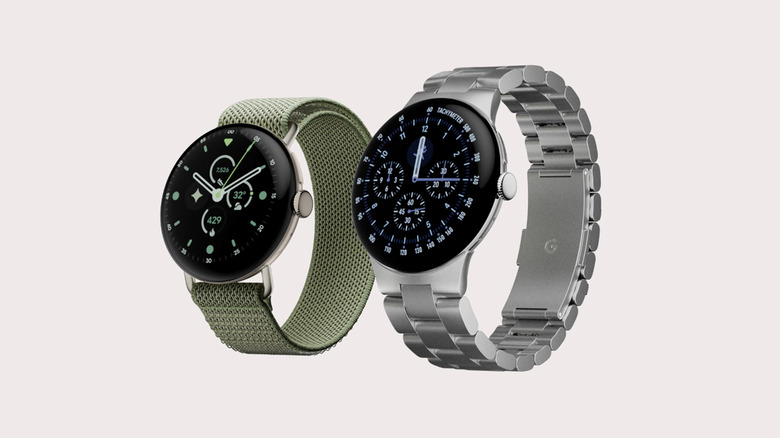
The Pixel Watch 5 is perhaps the most improved product Google announced this year. It's powered by the Snapdragon W5 Gen 2 Accelerated SoC and more RAM, which Google says makes the watch 20% faster. The display is now brighter at 3,000 nits, and the 45mm variant is rated to last up to 40 hours on battery. Besides new watch faces, the Pixel Watch 5 comes with a handful of new Pixel goodies. At a Glance has made its way to Google's smartwatch and now brings live activities like boarding passes to your wrist.
Gemini Intelligence powers the experience, so you can simply raise your wrist and ask the Pixel Watch 5 to start workouts or set timers. Core actions don't require an active internet connection. Proactive Suggestions make it easier for you to reply to messages with one-tap actions that the watch generates based on the context of the conversation and any information it can pull from your calendar or emails.
The Pixel Watch 5 boasts GPS route tracking that's twice as accurate as before and 15% better sleep detection. Health Guardian is a new suite of features Google has announced. It comes with industry-first Breathing Emergency Detection, alongside monthly summaries for blood pressure, sleep breathing quality, and insulin resistance. This is in addition to Google Health Coach, which provides personalized fitness guidance. The watch is priced at $400 for the 41mm model and $430 for the larger 45mm variant.
Don't forget the Pixel Tag
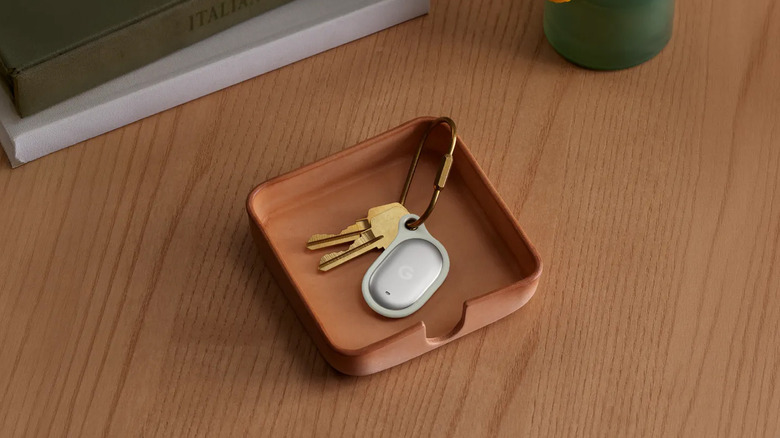
There are a lot of options if you're in the market for Bluetooth trackers, but sticking to one that works best with your ecosystem of devices is what we recommend. Apple has the AirTag, Samsung sells the Galaxy SmartTag, and it's about time Google had its own solution. The Pixel Tag is a small Bluetooth tracker that you can buy for $30 a pop or $100 for a four-pack. There's nothing unique about what the Pixel Tag does — it has but one purpose — helping you track items you've misplaced or lost.
It's made out of stainless steel and is IP67 certified. It comes with a speaker that chimes when you need to locate it, but the Pixel Tag itself can also be used to ping your phone back. Google says the Pixel Tag can last up to one year before requiring a battery replacement, which users can carry out by themselves. The Bluetooth tracker relies on Google's Find Hub network, which is crowdsourced by over a billion Android devices globally. This also means that the Pixel Tag isn't exclusive to Google's smartphones.
Any phone running Android 9.0 or higher can be used with a Pixel Tag, and pairing is effortless thanks to Google Fast Pair. You also get ultra-wideband support here that helps you use precision finding with compatible smartphones. The Pixel Tag has Left Behind alerts and tracking information that can be shared with up to ten other people.