

Android Just Lost A Major Player: Why OnePlus Leaving The USA Matters
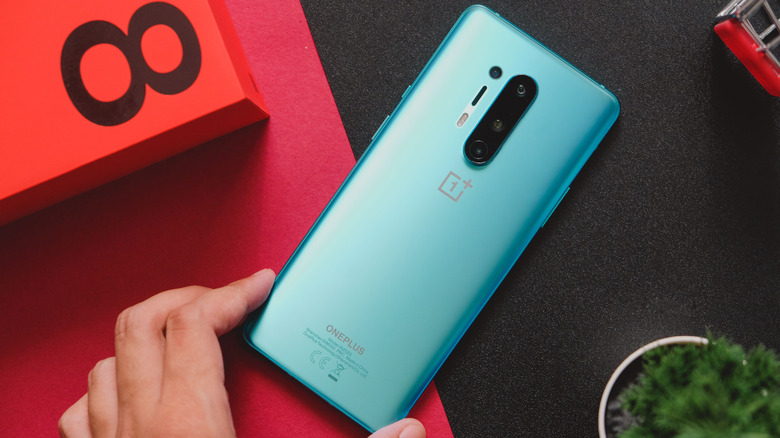
At a time when flagship smartphones from Samsung, Apple, and HTC were priced at a then-expensive price north of $600, a new and upcoming brand decided to completely disrupt the market. Nobody had heard of OnePlus until April 2014, when the brand announced its first smartphone — the OnePlus One. It came with a flagship Snapdragon chipset, a massive display, and an enthusiast-friendly OS all for $299.
OnePlus undercut its competition by more than 50 percent, which meant that enthusiasts were flocking to buy the phone — or they would have if they'd been able, that is to say. Whether it was due to supply chain constraints or another of CEO Carl Pei's genius marketing ploys, OnePlus would only sell its first phone to those with an invite. Despite the hurdles, OnePlus ended up moving more than 1.5 million units of the OnePlus One in just a year — a phenomenal number for a new brand.
Top-of-the-line specifications at a price that was unheard of before — this became the mantra OnePlus followed for years to come. Whether it was the mid-range OnePlus X that followed or the successor to the OG (the OnePlus 2), the brand's devices became synonymous with value-for-money phones that offered the best bang for your buck. Over the years, the company made a place for itself alongside the big names in carrier stores in the U.S. I still vividly remember how OnePlus would give you a brand-new phone for destroying your existing one from a different brand. Despite these highs, 12 years after launch, OnePlus has wound up its operations in the U.S. The brand will no longer sell its phones in the country, and here's why it's a huge deal for consumers.
Why it's so difficult for new phone brands to operate in the U.S.
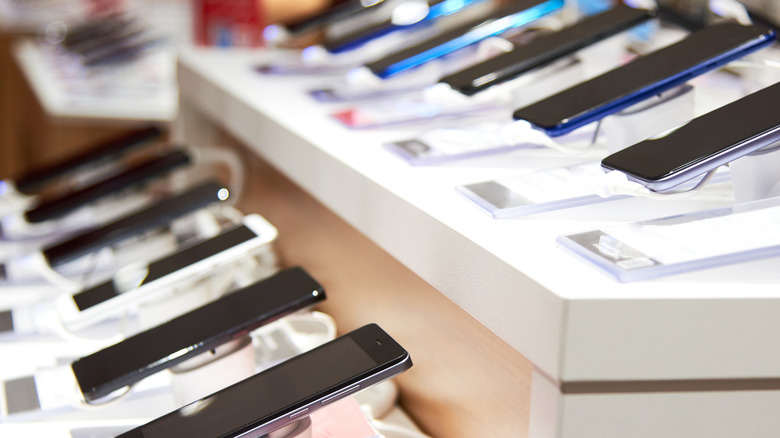
The U.S. smartphone market works differently compared to other regions. Most people prefer buying their phones via a carrier since they can get it on a contract instead of paying for it upfront. You head into a store, take a look at the phones on display, and pick what catches your eye. Over the years, big brands like Apple and Samsung have established strong relationships with carriers, so there's a good chance you may find a lot more phones from these brands when you enter a carrier store. Add to it the fact that both these brands have traditionally had more SKUs than OnePlus. Owing to this, newer brands have always had a hard time making space for themselves in a market dominated by legacy brands and long-lasting relationships with carrier partners. This is the exact challenge faced by OnePlus, too.
It's also why the U.S. market doesn't get several Chinese phones that can give flagships from Apple, Google, and Samsung a run for their money. Phones like the Oppo Find X9 Ultra, Vivo X300 Ultra, and the Xiaomi 17 Ultra offer top-of-the-line features with stellar hardware and attractive pricing. However, these phones rarely make it to the North American shores since they won't stand a chance against carrier deals on the latest Samsung S-series phone or the newest iPhone. While OnePlus managed to make space for itself on carrier store shelves a few years after launch, the fact that it had lower sales volumes meant that it was always playing catch-up instead of cementing a place. This is a massive entry barrier for any new brand that wants to sell in the U.S.
A not-insignificant amount of government blacklisting took its toll in the early 2020s, as well.
From an enthusiast-focused brand to mass-market adoption
Right from the beginning, OnePlus had a clear philosophy — provide flagship specs at affordable prices. Owing to this strategy, the brand had to cut a few corners in certain departments. However, the compromises were carefully chosen in a way that wouldn't bother the target consumer.
For instance, those who preferred OnePlus devices were primarily tech enthusiasts or gamers who wanted the best performance with no lags or stutters. As such, OnePlus made certain to use the biggest-name chipset on its flagships. The brand was also known for clean yet functional software — a combination that's still rare to find in the Android world. Enthusiasts preferred a vanilla Android interface, and the way OnePlus married that with useful features that made a difference in everyday life was commendable.
However, in an effort to cater to enthusiasts, the brand had to compromise on other aspects that the masses cared about, such as cameras and design. For the longest time, OnePlus phones would fall behind in the camera department. While it was forgivable while the prices were low and the phones only catered to a certain niche, these were key considerations for mass-market consumers.
With phones inching closer to the $700 mark, OnePlus soon began to play in the dangerous Apple territory, where even the base iPhone had reliable cameras and a timeless design. The brand course-corrected soon, though, with some special edition devices co-branded with Marvel Comics and Star Wars. After all, OnePlus realized it couldn't sustain being a niche brand for long.
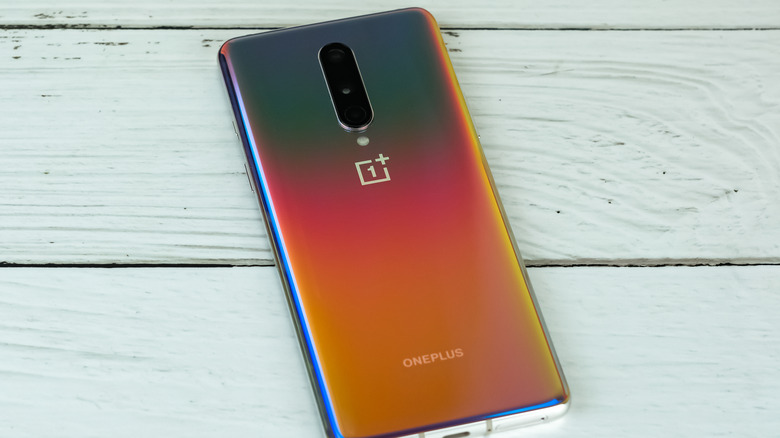
With the OnePlus 8, it positioned itself as a brand that no longer catered to just enthusiasts, but to every average consumer who was in the market for a phone. Despite the efforts, the camera woes continued.
Pushing the envelope
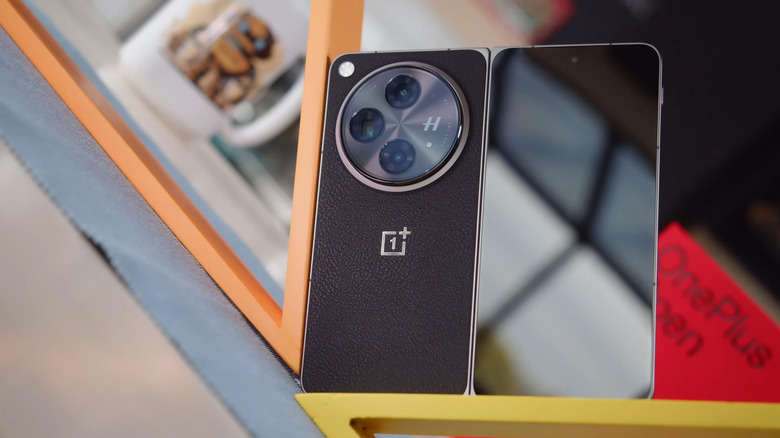
That's not to say OnePlus didn't try to improve. With the OnePlus 9, the brand partnered with renowned camera maker Hasselblad to give its camera processing a boost. While the results weren't drastic, it showed OnePlus' commitment to listening to its users and fixing shortcomings. Meanwhile, the company's first foldable smartphone, OnePlus Open, was ready to do battle with Samsung and Google's respective foldable devicesright out the gate.
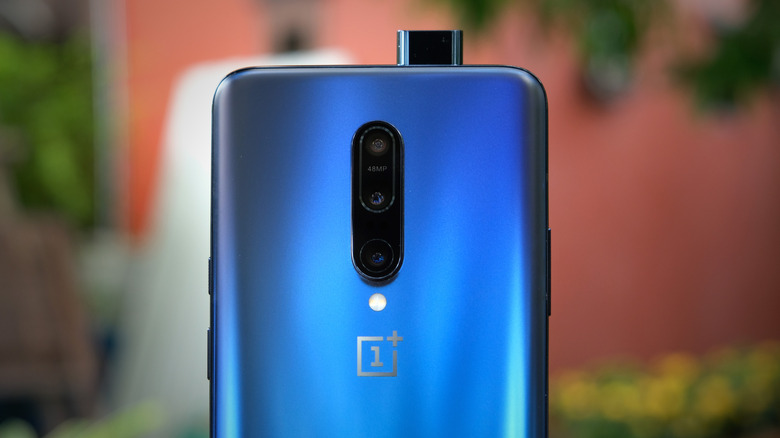
OnePlus Open was slimmer, had a bigger battery, and had better cameras. Prior to that, the OnePlus 7 Pro adopted a full-screen display with zero distractions, making it the absolute best phone for content consumption. A few years before that, Dash Charge on the OnePlus 3 revolutionized smartphone charging, and it wouldn't be an exaggeration to say that the brand pioneered super-fast charging tech in the smartphone world.
Being able to charge your phone to 50 percent in just 20-odd minutes seemed like a dream in 2016, until the OnePlus 3 made it a reality. It also made sense for OnePlus to introduce this technology first, since it fit right into its perceived value of "fast". These are just a few examples of how OnePlus pushed the envelope with its innovation. Even in terms of software, the brand developed Oxygen OS from scratch after ditching CyanogenMod, which eventually became the identity of OnePlus phones. The OS retained smooth performance as its core trait while adding features suggested by the then-massive OnePlus community. It's one of the few brands that listened to its users, suggesting how consumer satisfaction was a key metric for the company. The last flagship from the brand in the U.S., the OnePlus 15, was probably the best phone from the company for an average consumer. It nailed all the basics while retaining the core of a true OnePlus phone — killer performance and smooth software.
The OnePlus exit leaves behind an unwanted smartphone duopoly
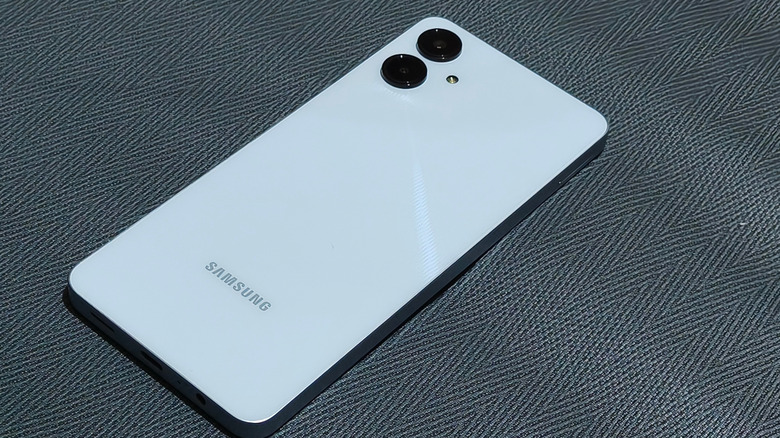
A brand that kept innovation and listening to its users at the forefront quitting the smartphone market leaves a massive void to be filled. Not to forget, it leaves conglomerates such as Samsung and Google with a duopoly in the premium Android smartphone segment, and that's never a good thing for consumers. Samsung has taken a sort of a backseat in terms of innovation for the past few years, as is visible from the iterative upgrades on its S-series smartphones. Google's Tensor chipsets have consistently fallen behind the competition in terms of performance and efficiency, and the brand seems to be doing nothing about it. OnePlus' exit from the U.S. market gives these brands more reason to be complacent and launch new devices every year with minute upgrades and call it a day. More competition is always healthy, as it motivates brands to make compelling devices.
Of course, brands like Motorola, Kyocera, and HMD are still widely available in the U.S. However, these are brands one mostly associates with entry-level and mid-range phones that are priced under $500. Moto's Edge lineup has a lot of things going for it in the higher segments, but the majority of consumers looking for an Android phone in that price bracket will lean toward Samsung and Google, thanks to better software support and brand value. While budget phones from OnePlus didn't really have the same appeal as its flagships, the Nord series arguably offered better value than several entry-level devices from Samsung's A-series. Now, it seems like the Moto G series is your best bet, unless there are options from Carl Pei's Nothing in your preferred price bracket.
Why competition is essential in the U.S. smartphone market
That brings us to the fact that there's a huge dearth of Chinese brands in the U.S. smartphone market. Whether you would purchase a phone from a Chinese OEM is secondary, but just the fact that there are no brands offering cutting-edge technology and challenging bigger brands with a competitive edge has made large conglomerates lazy. Samsung can get away with using almost the same completely unchanged 10MP 3X zoom camera from five years ago on its $1200 phone simply because it knows that there's very little competition for consumers to pick a phone from a different brand. The Galaxy Z Fold lineup had nearly the same, stale 4,400mAh cell for seven long years, while Chinese brands have added 6,000mAh+ batteries on their foldables while maintaining a slim form factor.
Several Chinese OEMs use massive 1-inch camera sensors on their devices while also ensuring the sensors used for ultrawide and zoom photos are also large enough to let in more light, and Chinese phones have been incorporating advances like substantially bigger batteries, faster charging speeds, and unique designs for a long, long time. Consumers in the U.S. have no or very little exposure to these advancements, since they simply can't buy a phone with these features via official channels. OnePlus was one brand that introduced several of these features, if not all, to the American market. But with the brand now ceasing to exist in the region, the hope is that more Chinese brands make inroads and offer devices with cutting-edge technology. That would be a huge win for consumers. Until then — you will be missed, OnePlus.