

5 Things To Stop Doing If You Use An Electric Lawn Mower
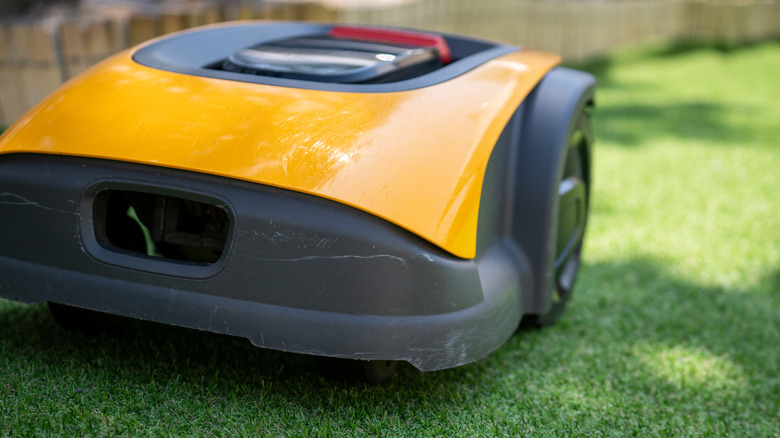
Anyone who has to mow a big lawn regularly knows how difficult that can be, especially as the weather heats up. Spending a morning mowing on the weekend isn't everyone's idea of fun, but letting the lawn get wild and overgrown can attract pests like mice and ticks, not to mention that it simply looks bad.
A robot lawn mower (also known as a smart lawn mower or electric lawn mower) can take some of the pain out of the landscaping process. Instead of having to pull out the push mower weekly, this smart home device runs multiple times a week and keeps the grass neatly trimmed.
But like any piece of technology, robot lawn mowers can be delicate, and proper care is important to keep them running without issues. If you're doing any of the below, make sure you stop before you need to repair or replace your robot helper.
Don't leave it out during the winter
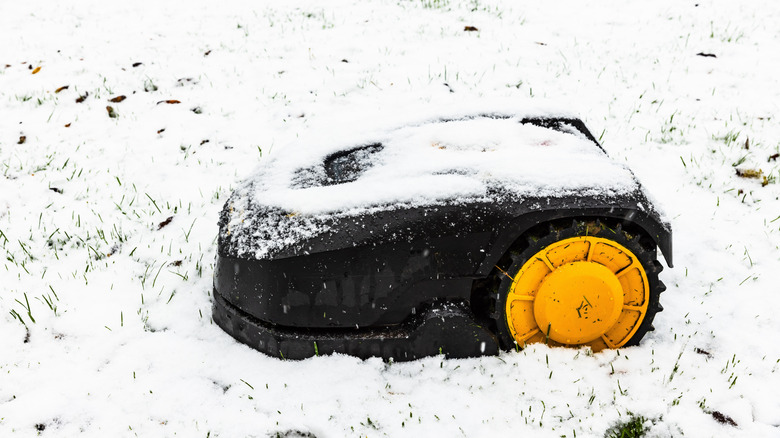
You wouldn't leave your normal lawn mower out during the winter, and the same goes for your smart lawn mower. The winter months are hard on machinery, and robot lawn mowers are extremely expensive. The last thing you want is for parts to break down due to moisture and cold.
Leaving a lawnmower of any sort out during winter means leaving it out to be snowed on. The cold and the moisture will cause some parts to degrade faster, and the melting run-off will dull and rust your blades. It's unlikely you'll need to mow anyway, as even if you don't get snow, the cold will stunt grass growth.
Just make sure to properly store your lawn mower: It's important not only to clean and charge the device before storing it indoors, but also to check for any last-minute firmware updates to ensure it's ready for spring.
Don't mow in the rain
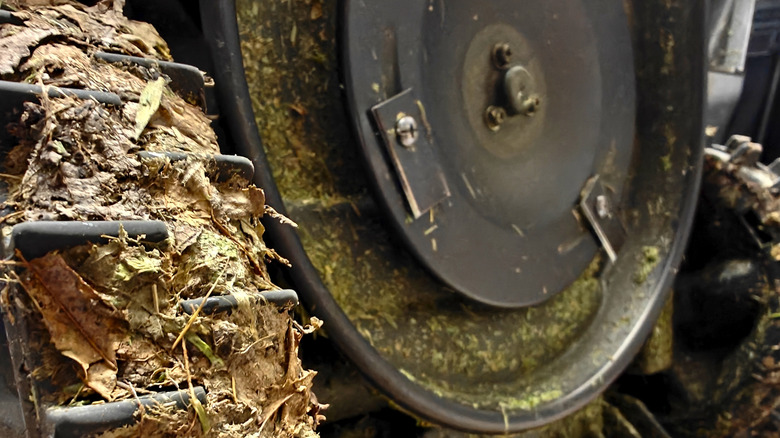
Similarly, you don't want to mow your lawn during bad weather, and it's one of the biggest mistakes you can make when using your smart mower. While robot lawn mowers are somewhat water-resistant and won't be damaged if they're rained on while charging, the same can't be said for the machinery underneath when it's actively mowing.
Mowing in the rain allows moisture to get inside the machinery and onto the blades, causing rust and other damage. In addition, mud can work its way inside and onto the tires, making it harder for the device to trim and move without cleaning it off.
Thankfully, many robot lawn mowers have sensors that track the rain and, if it's raining too hard, will automatically return to the base. But if you know a storm is coming, make sure to turn off any scheduled tasks to avoid damage to your expensive smart device.
Don't leave your lawnmower unattended
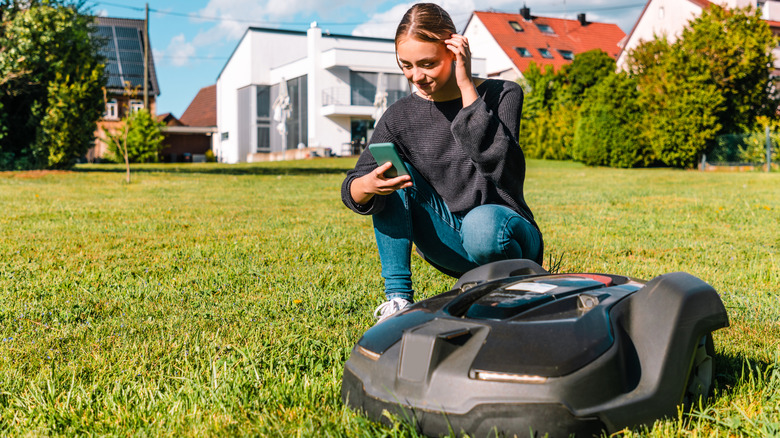
It can be easy to assume that once you set up your robot lawn mower, you can leave it to trim the lawn in peace. However, leaving it unattended can have its own consequences. While robot lawn mowers aren't the most common thing to be stolen off a lawn, it does happen often enough that it's best to watch the device while it's working. Many robot lawn mowers now have features like alarms and app tracking to help prevent theft, but simply being outdoors while the lawn mower is running is also a good deterrent.
Besides that, just like a riding lawn mower, a robot lawn mower can run over or get stuck on something, or simply encounter other errors. By watching it, you can quickly resolve any issues it encounters.
Since they're technology connected to the internet in some fashion, there's even the risk of security flaws and a hacker taking over the robot lawn mower. If you happen to see your device trying to drive away into the sunset, you can pick it up and save yourself the trouble of trying to find it.
Don't leave your wires exposed
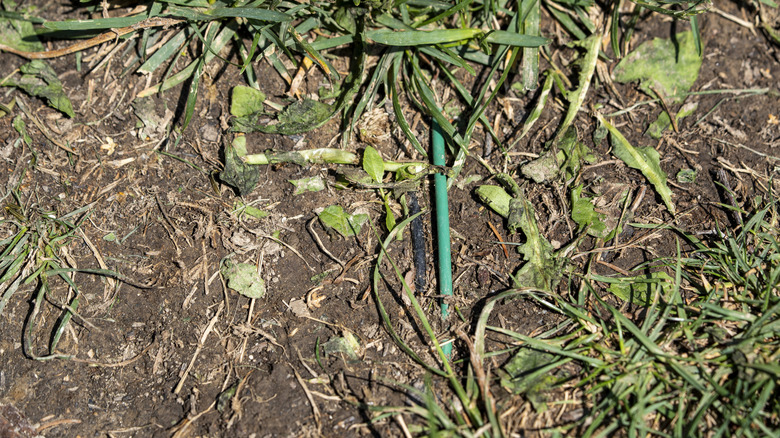
Whether you have an older robot lawn mower or a newer LiDAR- or GPS-based model, you'll need to lay out some wires for the device's base station for it to charge. It might be tempting to just place the cord down along a fence and leave it, but doing so is asking for them to be damaged.
For one, your robot mower can run over the wire. The blades could easily shred a power cord if it's in their way, so it's important that you lay the wires so they stay out of the general path. In addition, wildlife can find and chew through the wires, so even if you have the cord completely out of the lawn mower's path, a critter might end up damaging it regardless.
If you lay the wires properly and wrap them in protective material (or bury them), you won't run into any mishaps. Given this is one of the most common problems you run into with robot mowers, you want to do whatever you can to mitigate possible issues.
Don't expect a full mow
Anyone with a robot vacuum knows that it's not a complete cleaning replacement. Even if you have the vacuum running daily and the mop running regularly, you'll still need to do the occasional deep and detail clean.
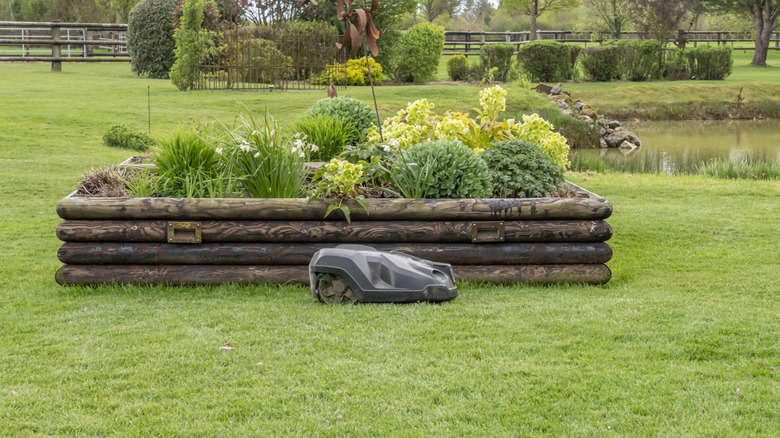
Robot lawn mowers are similar in that way. They can't mow down taller grass as easily as a manual or riding lawn mower could. Instead, robot mowers are meant for trimming grass that's already on the short side. The device runs more often than someone mows, but it skims the lawn rather than cutting it, keeping the grass low.
But depending on your mower's settings, you may still need to mow occasionally or physically trim the edges — it's just that you have to do them way less often. This is one advantage a robot lawn mower has over bulkier and less precise riding mowers.
Methodology

While researching this article, we reviewed a variety of sources on how people use their robot lawn mowers and the common issues they encounter. This includes hands-on articles on sites like T3 and CNET, as well as general guides on robot lawn mowers and even regular lawn mowers.
From there, we determined which of these problems are more likely to be caused by human error than others. Some issues, such as dealing with hilly or oddly shaped lawns, cannot be resolved by simply not taking a specific action. Minimizing wear and tear on your lawnmower, however, can be done by avoiding use under certain conditions. We looked at explainers from sites like Tom's Guide to see what problems can be solved and how to nip them in the bud.