

BMW Transforms 2027 X5 With Electric Power, More Tech And Questionable Styling
BMW has produced many memorable cars since the turn of the century, from performance icons like the seminal E46 M3 and V10-powrred E60 M5, to daring experiments like the original i3 and the i8 plug-in hybrid, and of course plenty of race cars to justify that "Ultimate Driving Machine" tagline. But the most important BMW of the past 25 years is something a bit more mundane.
Launched in 1999, the X5 was BMW's first SUV, and making SUVs is a much bigger factor in the automaker's continued success than all of the race wins and thumbs up from Piloti-wearing journalists combined. Americans especially love an SUV, which is why BMW has been building the X5 in Spartanburg, South Carolina, from the beginning. And that will continue with the fifth-generation 2027 X5, which was unveiled in Spartanburg on Tuesday and launches this October.
After years of playing it safe, the new X5 is likely the most significant update of BMW's original SUV to date. The styling takes a radical turn, and the expected lineup of gasoline and plug-in hybrid models will be joined for the first time ever by an all-electric iX5 incorporating tech from the Neue Klasse EVs. Like so many recent BMWs, it's not subtle, and isn't meant for traditional fans of the brand. But can it keep the X5 relevant as the SUV enters its next quarter century?
X marks the spot
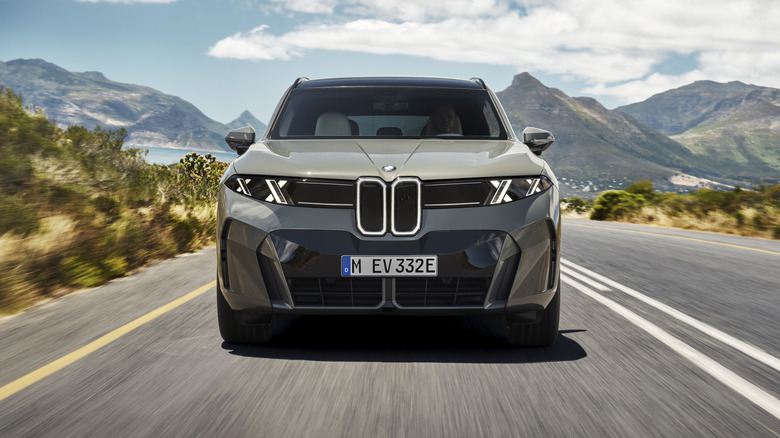
When I got my first glimpse of the 2027 X5 in the automaker's hometown of Munich, Germany, my first thought was, "are they serious?"
In a large warehouse-turned-studio that, in true European fashion, was just a bit too warm, X-shaped headlights stared through a translucent curtain. BMW has made some unusual styling choices recently, but surely it wouldn't commit to this visual pun. But house lights came up and, sure enough, those deadeye lights belonged to the new X5. They can be switched off, though reverting the lights to diagonal hash marks.
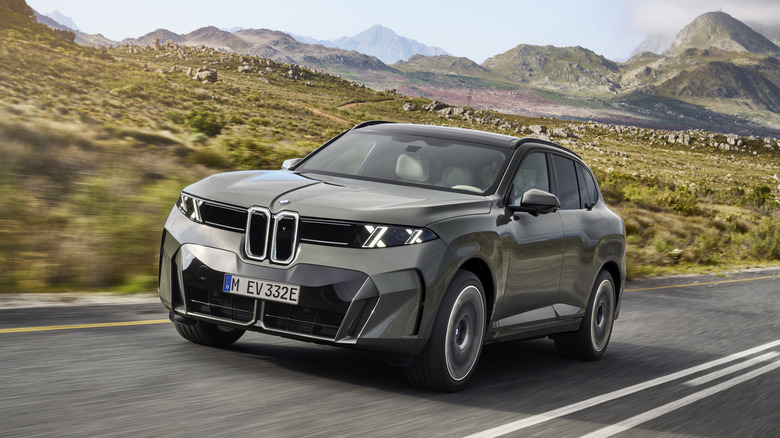
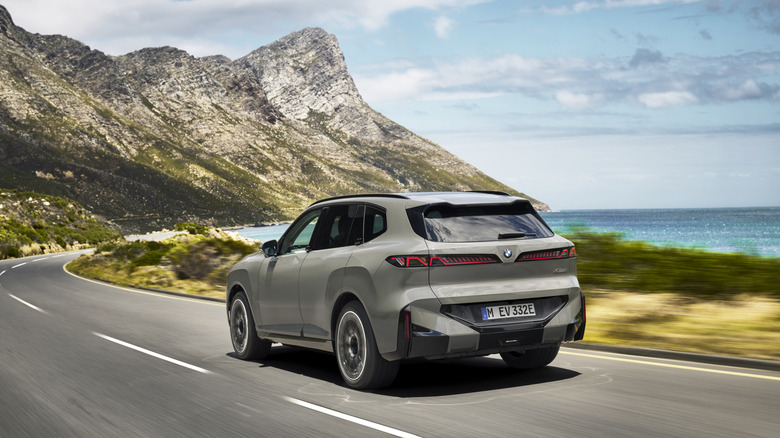
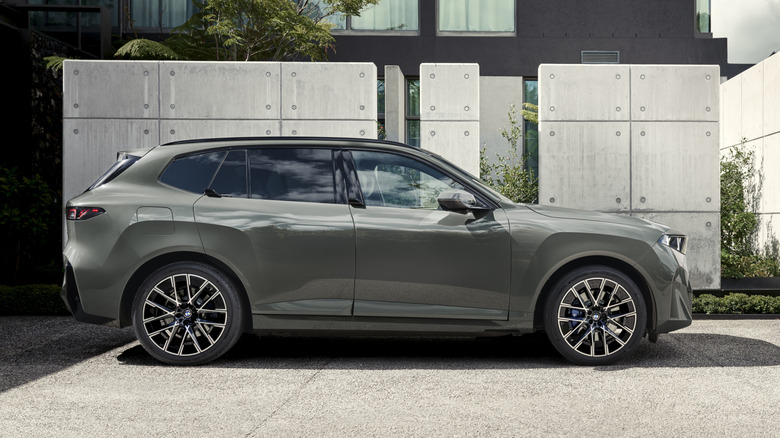
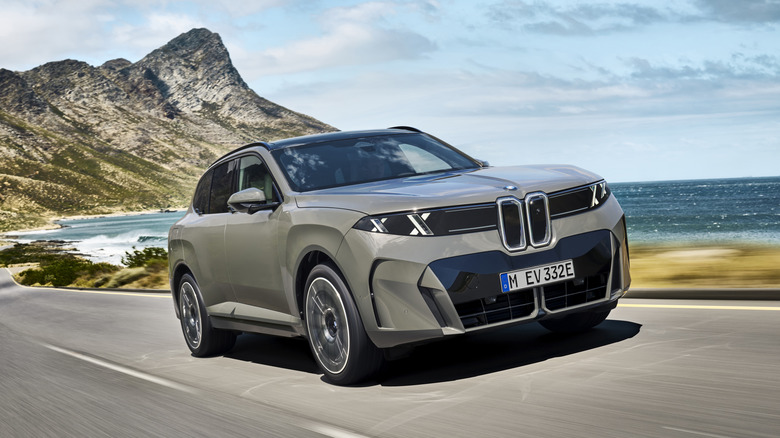
The rest of the front end echoes the iX3 EV, but otherwise visually moves the X5 further upscale. In person, it feels more substantial the current model, looking more like an X7 (that flagship SUV will likely get its own redesign in the near future). That's due in part to what product launch manager Nina McFadden called the "highest front ever" on an X5, and an elongated shape that also makes this SUV look a bit wagon-like in rear three-quarter view. Boxy fenders add a bit of ruggedness to compensate, but the door handles are dainty little winglets.
The X5 definitely needed more flash; I tended to forget what the last one looked like until I saw one on the road. But like other recent BMW models, I found design flourishes like the iX3-style grille and X-shaped lights too distracting. A good design isn't reliant on one or two gimmicks.
Interior goes hard on luxury
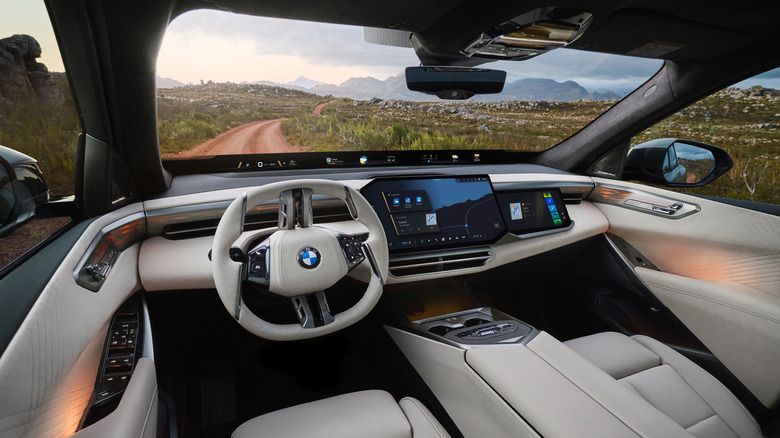
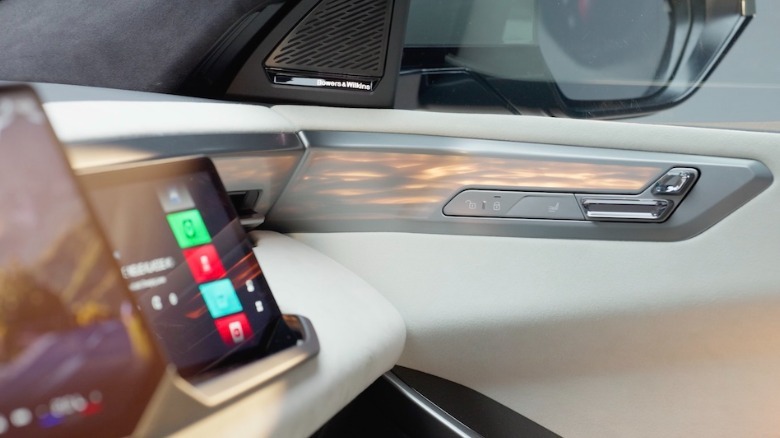
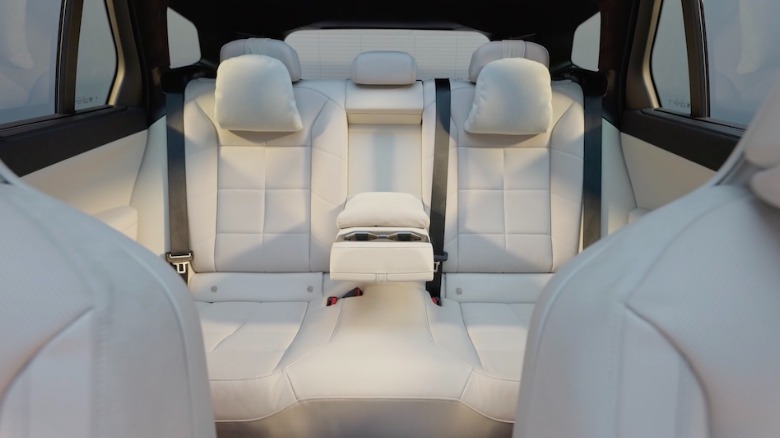
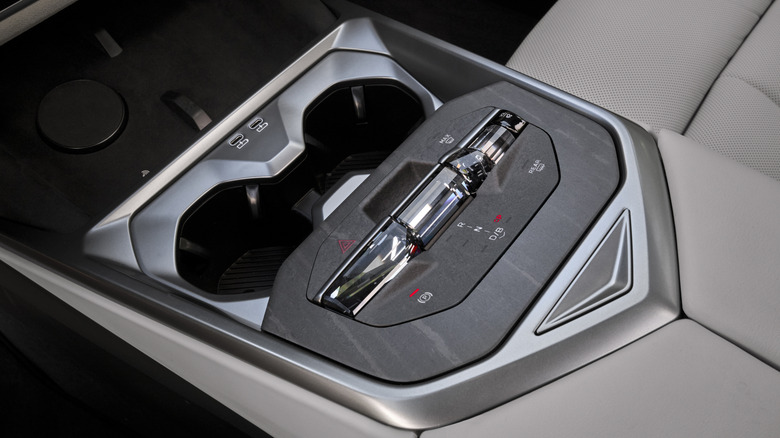
Inside, the X5 is more luxurious than ever. Standard soft-close doors that can be automated (with the optional Luxury Package) set the tone. Slate trim on the center console is a nice alternative to the usual wood or carbon fiber, and pairs well with the available crystal shifter, volume knob, and seat adjusters. Wrapround ambient lighting embedded in the dashboard and quilted material on the dash and door panels are equally creative touches that make the X5 cabin feel special.
 BMW
BMW
BMW is still a bit stingy with standard equipment, though. The standard front seats are heated and have generous cushioning, but you have to select the Luxury Seating Package or Climate Package to get ventilation and massage. You also have to dig into the options list to get Merino leather upholstery, as only Veganza artificial leather is standard. Four-zone climate control and a panoramic glass roof are standard, though.
 BMW
BMW
Also missing—but unavailable at any price—is the split tailgate that had been a signature X5 feature since the first-generation E53 model. BMW still includes 40/20/40 split-folding rear seats, at least, and claims increased rear-seat knee room from a 2.4-inch wheelbase stretch compared to the previous-gen X5.
Lots of new tech features
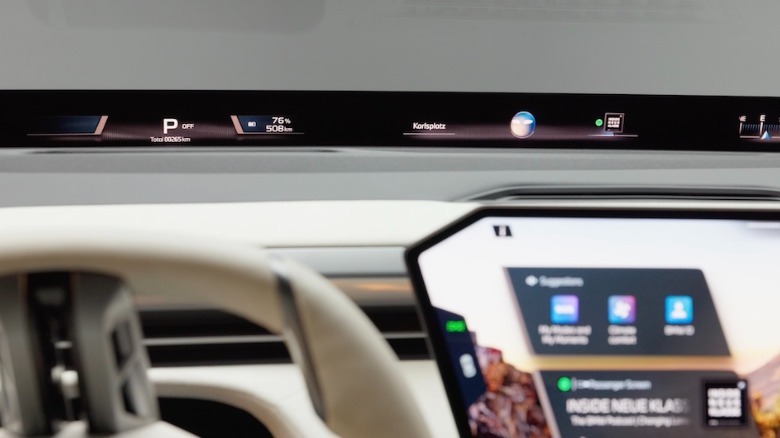
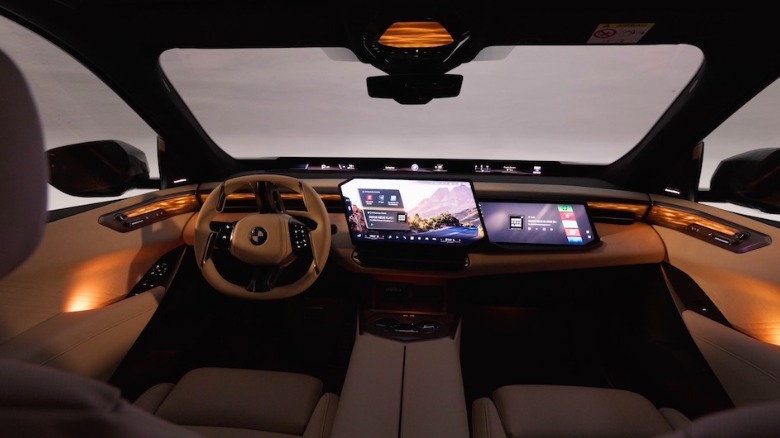
Infotainment tech grows more elaborate, showing influence from both the Neue Klasse EVs and the refreshed 7 Series sedan. As in those cars, the Panoramic iDrive display spans the entire dashboard, placed high enough to stay within the driver's line of site (without interfering with the standard head-up display). A separate 17.9-inch touchscreen serves as the main interface for the display-only panoramic screen, and as in the 7 Series there's a 14.6-inch touchscreen for the front passenger.
 BMW
BMW
The Android-based BMW Operating System X brings the screens to life, while enabling Amazon Alexa+ AI and BMW's own voice assistant, as well as wireless Apple CarPlay and Android Auto. Alexa can answer general knowledge questions, but the native assistant is more deeply integrated, allowing to make proactive suggestions or preset things like interior temperature based on a driver's routine.
 BMW
BMW
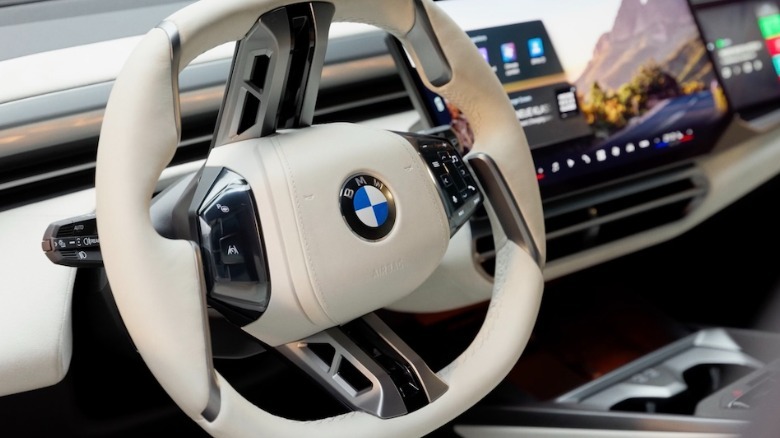
In addition to voice controls, drivers can use the Neue Klasse-style steering wheel. It's got unorthodox vertical spokes and minimalist haptic controls. Only the functions that are usable at a given time are illuminated.
An optional Digital Premium Package adds in-car gaming and video-streaming options as well as real-time traffic information and a dashcam that can automatically send push notifications of possible fender benders to the My BMW App. The app can also be used to remotely raise and lower the windows, as well as preset the climate control in all-electric and plug-in hybrid models.
Plenty of powertrain options
Globally, the fifth-generation X5 will appropriately be available with five powertrains. In the U.S., the rollout starts with the non-hybrid X5 40, the plug-in hybrid X5 50e xDrive, and the all-electric iX5 60 xDrive. A V8-powered M Performance model is scheduled to arrive in 2027, and it's reasonable to expect a full-fat X5 M sometime after that.
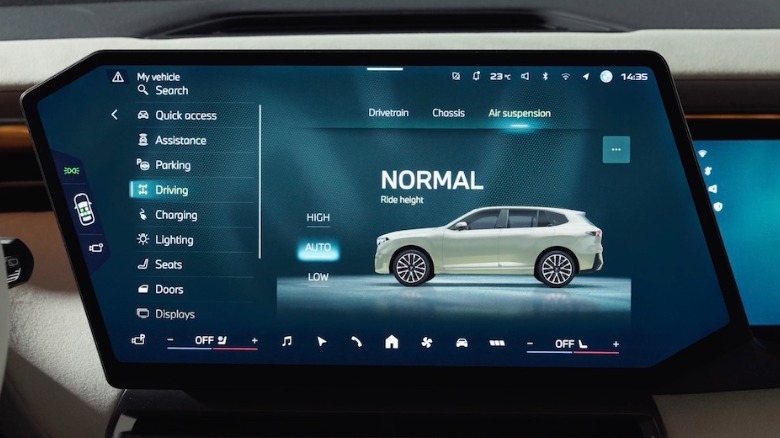
The base X5 40 will be available with rear-wheel drive or xDrive all-wheel drive, and uses an updated version of the B58 turbocharged 3.0-liter inline-six from the current X5, teamed with a 48-volt mild hybrid system and eight-speed automatic transmission. A new turbo raises output by 19 horsepower and 45 pound-feet of torque, to 394 hp and 428 lb-ft. BMW quotes zero to 60 mph times of 5.1 seconds from a standing start, or 4.8 seconds with a one-foot rollout, and electronically-limited 155 mph top speed. Adaptive air suspension is standard, and BMW claims an ideal 50/50 front/rear weight distribution when unloaded.
 BMW
BMW
The new X5 plug-in hybrid adds an electric motor, integrated with the transmission, boosting total system output to 483 hp and 516 lb-ft. That gets it from zero to 60 mph in an estimated 4.6 seconds, and BMW expects 44 miles of electric range in EPA testing. It also unlocks the option of an active anti-roll system to improve handling and ride quality.
The electric iX5 might be the one to have
Like the refreshed i7, the first-ever BMW iX5 combines a platform shared with internal-combustion models and tech from the Neue Klasse dedicated EVs. That includes the Heart of Joy integrated vehicle dynamics controller and Symbiotic Drive driver-assistance controller, both of which are designed to make the responses of the various driver aids feel more natural and complementary to the driver's own inputs.
The iX5 also uses cylindrical battery cells like the Neue Klasse models, with the same chemistry, but the cells are taller, boosting usable capacity by 30%, BMW claims. The usable capacity of the entire pack is 144 kilowatt-hours, which BMW estimates will provide up to 435 miles of EPA range.
 BMW
BMW
Another impressive number is the maximum DC fast-charging power rate of 460 kilowatts, enabled by an 800-volt electrical architecture derived from the Neue Klasse. At maximum power, a 10%-80% charge takes 22 minutes, and 170 miles of range can be added in just 10 minutes, according to BMW. A standard 15.4-kW AC onboard charger is likely necessary to recharge that massive pack overnight.
At launch, the iX5 will be the quickest and most powerful X5 model available in the U.S. Its dual-motor powertrain generates 570 hp and 593 lb-ft of torque, enabling a zero to 60 mph time of 4.4 seconds. However, top speed drops to 130 mph.
Ready to take on updated rivals
Pricing starts at $71,250 for the base rear-wheel drive X5 40. That's a couple of grand more than a 2026 base model, but the price hike isn't surprising given the infusion of new features. All-wheel drive is an extra $2,300, while the X5 50e xDrive plug-in hybrid starts at $78,950 with standard all-wheel drive. The iX5 60 xDrive starts at $81,250—appreciably cheaper than an all-wheel drive version of the iX that it effectively replaces.
The new X5 faces plenty of competition from BMW's traditional rivals. The Audi Q7 and Mercedes-Benz GLE-Class are both redesigned for 2027. Audi is avoiding electrified powertrains for now, but Mercedes packed the GLE lineup with both a plug-in hybrid and an AMG performance model with a 603-hp V8. BMW will likely have an answer to that eventually, granted.
The German trinity are all banking on an avalanche of tech and convenience features, and styling that's more imposing than handsome. As the third of the trio to show its revamped midsize SUV, BMW is following rather than leading. But that was also the case with the original X5—which came after the genre-defining Mercedes M-Class—and the all-electric iX5 helps set the new model apart.