

5 Things It's Best To Unplug Before A Bad Storm Hits
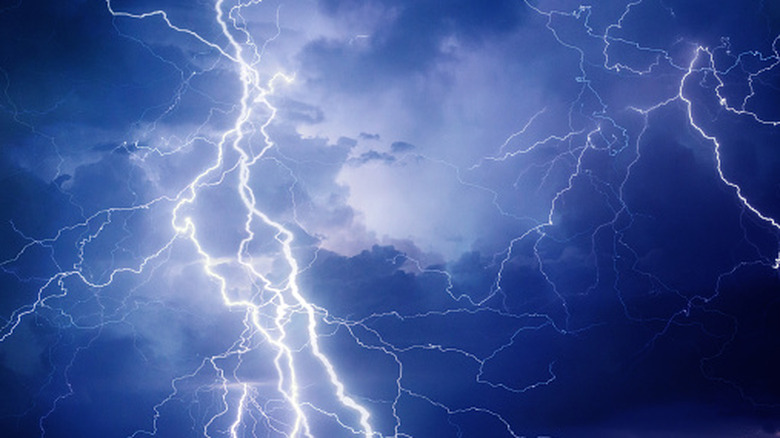
Every year, the U.S. sees about 100,000 thunderstorms across the country. They occur in every state and can happen day or night. Most common during the warmer months, thunderstorms require three ingredients: moisture, unstable air, and a source of lift. According to the National Weather Service, only about 10% of storms in the U.S. are considered severe, but that doesn't make them harmless — they have the potential to wreak havoc on your electronics.
We know how to protect ourselves in the event of a severe storm: stay inside, away from windows, and avoid electrical equipment. You should also take steps to protect expensive or susceptible electronics. Even if lightning only strikes nearby and doesn't hit your home, it can send a surge of electricity that may destroy anything that's plugged in.
According to the National Centers for Environmental Information, the damage caused by storms added up to over $46 billion in the U.S. in 2024. Filing an insurance claim for storm-related damage is something many homeowners hope to avoid, which is why unplugging certain devices is a good idea. Here are five things you should unplug before a storm hits your neighborhood, including TVs, computers, and AC units.
TVs and gaming systems
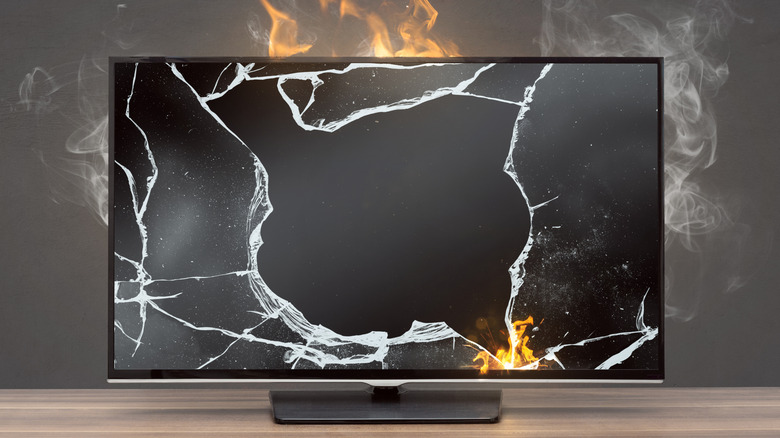
We know, we know, this one may be a pain if you have cords hidden behind an entertainment center or even your wall. But your television and gaming systems likely represent a hefty investment. A power surge caused by lightning might not only fry electronics, but it may also void any manufacturer's warranties that protect these products.
According to CNET, the average American expects to spend $1,177 on a new TV, so it's likely one of the most expensive electronics in your home. Consoles aren't cheap, either: A new Switch 2 currently costs $449.99 (and that price is going up by $50 in the fall), and a PS5 retails for at least $599.
When a thunderstorm is on the horizon, turn off your TVs and gaming systems and unplug them from the wall. If you want to make things a bit easier on yourself, you can invest in a power strip with surge protection, but most experts recommend that you unplug that power strip as well. If you're not home to unplug your system, that surge protector may provide protection, and if you are home, it's easier to unplug one thing than every device separately.
Desktop computers

Your boss may think you're just dreaming up an excuse to take a break from work, but if you have a desktop PC at home, you should turn it off during a storm. If your boss gives you a hard time about prioritizing your safety during a thunderstorm, remind them that the CDC recommends that you do not touch anything connected to an electrical outlet during a storm, including computers! Laptop users are out of luck — it's safe to keep using it as long as it's not plugged into the wall.
To protect your desktop computer, shut down and then unplug all components, including the tower, monitor, keyboard, mouse, modem, router, and printer. If all items are plugged into a power strip, simply unplug the power strip from the wall. Your computer is susceptible to any power surges, even from an indirect strike, and while the damage may be repairable, it's likely to be pricey. In the case of a power surge, items with delicate circuitry are most at risk, including the motherboard, and replacing the motherboard often carries other costs, such as a new power supply or processor.
Kitchen appliances
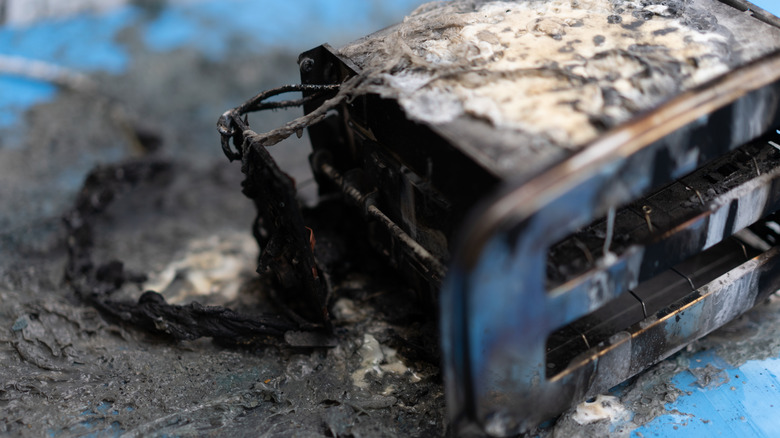
Your toaster or blender may be the last thing on your mind when severe weather strikes, but even small appliances contain complex electric components that may not survive a lightning strike or power surge. Major kitchen appliances like your refrigerator and stove can remain plugged in. You certainly don't want your food to spoil, but if you're evacuating due to a weather event, you should unplug larger appliances except the refrigerator until you get home.
When the thunder starts to boom, unplug smaller appliances like toasters, coffee makers, mixers, air fryers, and even microwaves. A power surge may affect the digital displays and internal circuitry. In fact, experts recommend that you unplug some small appliances when they're not in use, including toasters and coffee makers, to reduce the risk of fire. You may be more worried about expensive electronics like your television, but small appliances don't have the built-in protection that larger appliances boast, and are more vulnerable.
Smart home devices
While it's easy to take modern conveniences for granted, the rapid integration of technology has almost entirely rewritten how we live. Most of us carry tiny computers in our pockets, wear smart devices on our wrists, use GPS when we drive somewhere unfamiliar, and meet virtually with people who may live thousands of miles away.
Technology has also changed how we live in our homes. Doorbell cameras allow us to see who's knocking without leaving our living room, and smart thermostats automatically adjust the temperature to keep us comfortable. Robot vacuums can do housework while we're away, and voice-controlled systems allow us to easily check the weather. Even if you only have one or two smart devices, you should consider unplugging them during a storm. Devices that are connected to cable, internet, and even satellite systems are especially vulnerable, as power surges can pour through those pathways.
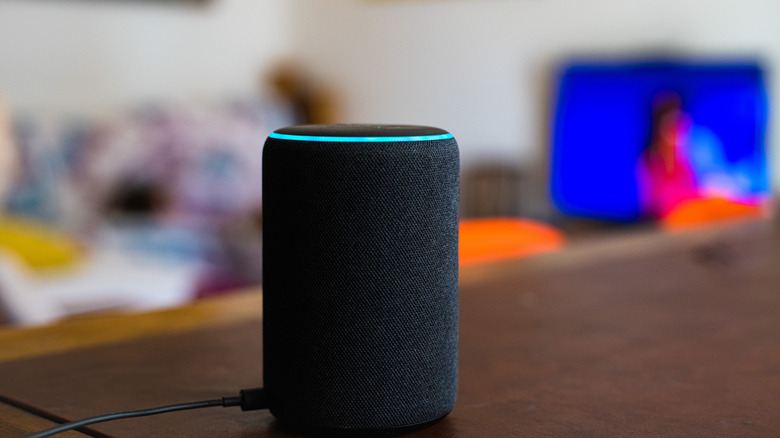
You may not be able to unplug your doorbell camera, but you can protect any smart hubs like Amazon Alexa, smart plugs, and your streaming devices. Even if the devices are turned off, they're often still drawing some power, and a lightning strike could be disastrous.
Air conditioning units
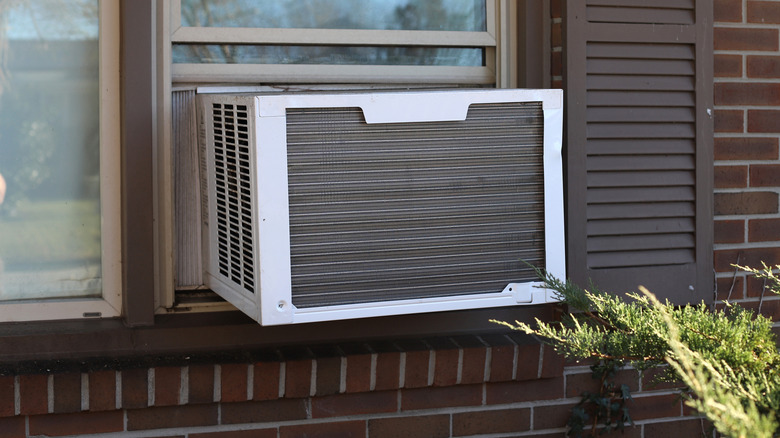
Many of us have some form of air conditioning in our homes, whether it's central AC or a few window units. It's probably the last thing you want to do when a thunderstorm hits on a hot, muggy summer evening, but experts agree that both types of systems should be shut off during a storm.
Turn off your central air conditioning during a thunderstorm. In the event that lightning strikes your home, it can cause a power surge that could significantly damage the system. If it's the compressor that gets damaged, replacing it might be almost as expensive as simply installing a new one in its place.
Debris can also damage the exterior portion of your unit and block airflow, causing additional damage to other areas of the system, while a power surge potentially causes heat spikes that melt plugs and components like control panels. Prevent all this by simply turning off the system at your thermostat.
If you have a window unit, you can leave it plugged in if it's difficult to unplug, but you should turn it off. Window unit lightning strikes don't happen often, so the biggest threat is a power surge that could damage the unit.