

OSHA's 5 Basic Safety Rules For Hand And Power Tools And Why They're Important

OSHA, or the Occupational Safety and Health Administration, is a federal body dedicated to overseeing safe working conditions wherever Americans ply their trade. OSHA operates as a regulatory agency with sanction power and plenty of muscle. The organization also produces guides and best practices for workers to ensure they're always operating as safely as possible, aiming to limit the need for intervention.
OSHA's internal documentation includes some key safety rules, and it has published what it calls "five basic safety rules" that can prevent hazards when using hand and power tools. These rules are essential for professionals working with tools on a daily basis, but they're equally important for DIYers and other amateur tool users to follow.
There are obvious hazards to remain wary of while operating machinery. There's also the important step of avoiding using gasoline-powered tools indoors (alongside some other power tools that should remain strictly outdoor-use only). But these basic frameworks extend to cover virtually all interactions you might have with tools of all sorts, and they can help keep you safe through all of the ambitious projects on your to-do list.
Maintain your tools to prolong their life
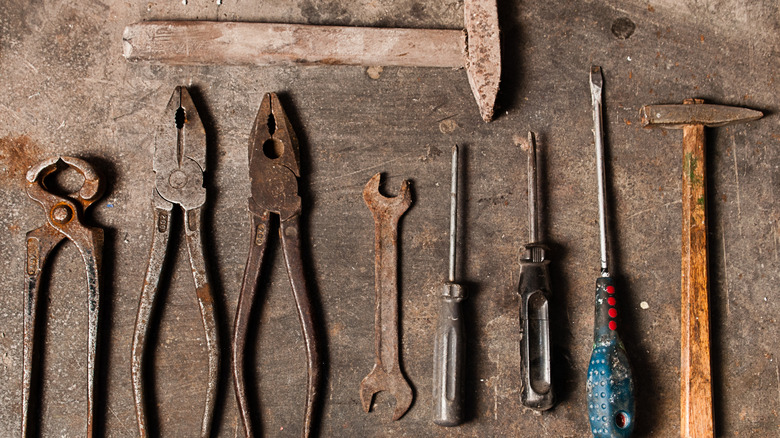
Proper tool maintenance is one of OSHA's most important rules. Tools of all varieties get put through the wringer as they go about their business. Heavy-duty power tools like impact wrenches take a beating, and so do basic implements like utility knives and screwdrivers. To make matters worse, tool users often operate in dirty workspaces.
Home mechanics often seek to build entire tool sets that feature oil and solvent-resistant handles and sealed encasements for power tools that protect against the chemicals and other substances found within the workshop. But this doesn't mean that these tools are impervious. A tool that has been hit with oil or water might become slippery, making it a little less safe to use. But if you leave those irritants on the tool, they can lead to rust or corrosion that degrades its long-term function. Wiping down your tools after use and scrubbing away debris that might have accumulated in grooves are just some of the key practices that all tool users should engage in regularly.
Always use the right tool for the job
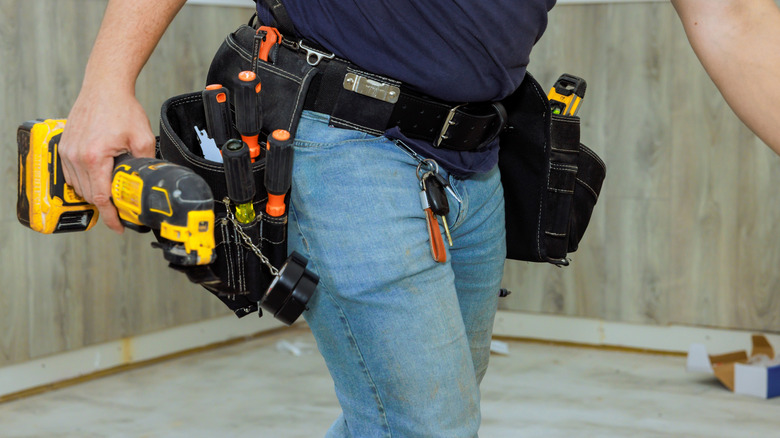
No matter the job you're facing, there's probably a niche piece of equipment designed to handle that specific demand. For every obscure tool you might encounter, there's a versatile alternative that can probably get the job done. For instance, there are plenty of alternatives to the angle grinder. But this one tool offers coverage for a wide range of tasks, making it a frequently useful inclusion. I'm a tool user with only a few niche solutions in my own collection, and the idea that has stuck with me for many years is that 'every tool is a hammer.' In a pinch, you can swing just about any implement at a fastener or workpiece. But this approach runs completely counter to one of OSHA's critical safety rules.
The reality is that just because you can swing a wrench or even the back end of a drill at a target, this is rarely a good idea. In this example, alternative tools can easily be damaged when used this way, and you may even create more problems than you solve by kicking debris into the air. Using the wrong tool is frequently less efficient, often making your working conditions less safe while adding numerous complications.
Don't use damaged tools
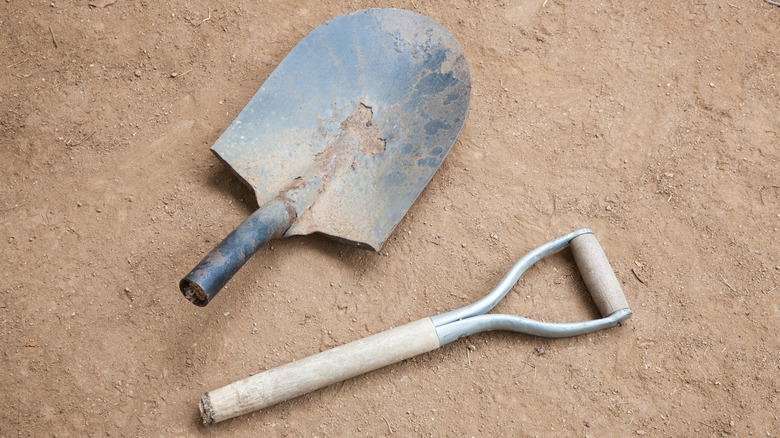
In the same way that using incorrect tools for a job can introduce wild variables into the mix, damaged tools are also a significant hazard. Broken bladed instruments may expose your hands or other body parts to a rapidly spinning cutting edge. This can introduce a grisly hazard to your workspace. Similar issues arise with striking and prying tools. Working with broken instruments can cause additional damage to workpieces, yourself, or the people with whom you share the space.
Damaged equipment will frequently operate in unexpected ways. This creates uncertainty and many unforeseeable potential problems. It's entirely possible that a broken tool will continue performing the way you anticipate, with only small issues outside its primary function. But you can't be certain that this is the case and that some kind of hidden structural issue isn't lurking beneath the surface. The potential for harm or unexpected damage to other equipment or material is just too great. Therefore, damaged gear should be repaired or replaced instead of being used.
Use your tools as they're intended
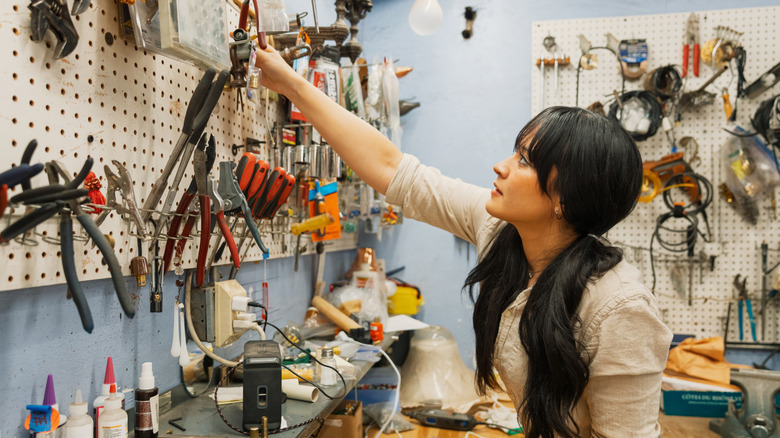
Sometimes, there is a case to be made for improvisation and augmentation of tools. Cutting away the top of a wrench's box end, for instance, might provide just enough extra clearance for a tool user to handle work in a uniquely tight area. This should only be done by experienced tool users, however, as it's reserved for rare situations where standard tools don't fit. An augmented tool is typically one that has been altered to handle one hyper-specific task. This kind of modification may run afoul of OSHA's advice.
By intentionally using your equipment outside of its operating guidelines, you place additional strain on the tool. This can also create working conditions vulnerable to new and unexpected hazards. One example that I've been guilty of, for instance, involves pushing a circular saw past its stated beveling capacity. My tool was inexplicably able to do it, but the entire experience of using the tool outside of its scope was harrowing to say the least. It felt incredibly dangerous, but I was only cutting a small segment of MDF baseboard material, so it wasn't a particularly demanding task. Even so, it's not something I'd recommend and goes directly against the OSHA guidelines for safe tool operation.
Use the correct personal protective equipment (PPE)

Lastly, if you're using inadequate personal safety equipment, you're placing yourself in harm's way. Operating heavy machinery without ear protection can lead to tinnitus and other negative ear health issues. The same can be said for eyewear, which keeps flying debris out of your eyes and protects you from things like sparks and even dust that can irritate you or temporarily impair your vision. Masks are important, too. When painting, sanding, or using chemicals, wearing the correct type of mask to protect your lung health can make a huge difference.
Must-have jobsite protective gear isn't just essential for those using power tools. When removing nails or hand-sanding, these same key protective elements remain at the forefront. Your health is the most important thing, and it stands far above the outcome you're looking to create with any project. If you aren't around to fully enjoy the fruits of your labor, these tasks will not have been worth much in the grand scheme of things. Protective equipment is typically fairly inexpensive, and most DIYers and other tool users have been guilty of overlooking these accessories. This is not something that any tool user can afford to do if they want to protect their health and the safety of the people working with them.