

Why Is Samsung's A Series Cheaper Than Its S Series
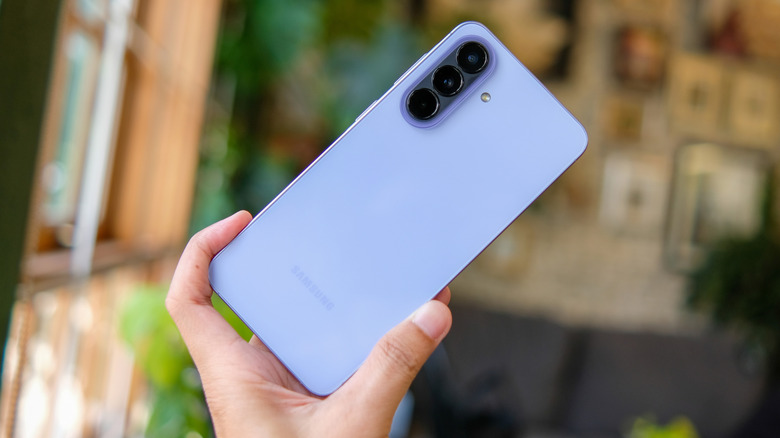
For people who love the Android operating system, Samsung is one of the leading mobile phone manufacturers because of the many unique features that it offers, such as its Secure Folder, Air Actions, and Private Share. There's also the added benefit of being part of the Samsung smart home ecosystem. But if you're in the market for a Samsung phone, chances are you may have encountered the different series models: A, S, and Z. While it's easy to differentiate the Z series, which denotes its foldable offerings like the Galaxy Z Fold 7, you might be wondering what sets the S and A series apart. In general, Samsung notes that its S series gets its latest technology first, while its A series is geared towards ordinary smartphone users, who are looking for value for money.
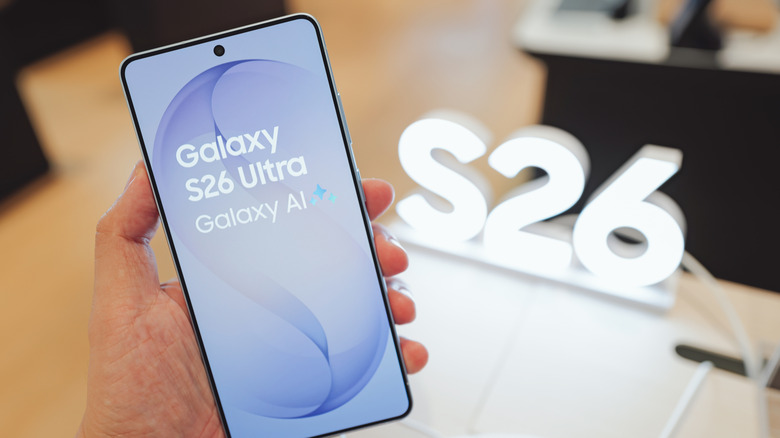
On its website, Samsung lists six models under its A series category, with prices ranging from $199.99 to $549.99. On the other hand, under its flagship S series the cheapest offering is the $649.99 Galaxy S25 FE (128GB). As for its most expensive model, the Galaxy S26 Ultra 1TB retails at $1,599.99. Although the company lists several certified refurbished options, like the Galaxy S23, which starts at $439 (or cheaper than the Galaxy A57 5G).
What difference does it make for you?
Even with smaller battery sizes, the series S models offer some unique advantages in terms of efficiency. For example, the Samsung Galaxy A55 5G has a 5,000 mAh battery with an expected wireless video playback time of up to 28 hours. On the other hand, the Samsung Galaxy S25 has a 4,000 mAh battery and 29-hour video playback estimate. This means the S25's chip can do more with less battery usage.
As its flagship phones continue to evolve, the latest models of the Samsung A series also get upgraded to catch up. In 2016, Samsung announced its first IP68 certified model with the Galaxy S7. It took only a year later before it became available for the Galaxy A series (A3, A5, and A7). In recent times, the IP68 rating has become the standard for both Samsung product lines. Similarly, fast charging capabilities were also a delayed benefit. First released in 2020 with the S20 Ultra, the 45W super-fast charging features are now available in both the Galaxy A56 and Galaxy A57.
In 2026, Samsung released the Galaxy A57 5G, which boasts an impressive camera and has AI-focused capabilities that were once limited to its S series models. Although it's definitely not as cheap as its predecessors, it offers more competitive features that let it go head-to-head with older S series models.
Which Samsung series should you get?
When it comes to choosing the right Samsung series, it's important to evaluate what your actual priorities are as a user. Some of the most important things to consider are expected usage, lifestyle, and budget. More expensive doesn't always mean better. The A series models may even be more suitable if you're the kind of person who doesn't have a foreseeable need for the S pen, wireless charging, or high-powered processors. If you're not a heavy user, wherein you primarily use your device for casual use, the A series is more than enough for light browsing, social media, and messaging. Not to mention, it can be better suited for older users, who don't need all the processing power.
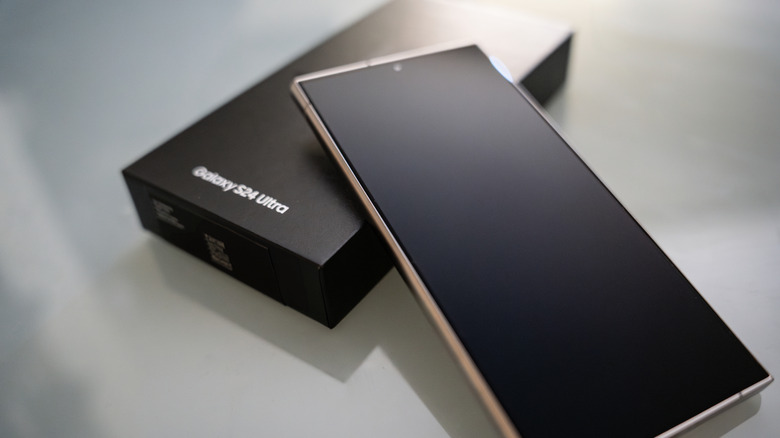
If you want a flagship phone, with a lot of power and great cameras, but you're also on a budget, the Samsung Galaxy S24 Ultra still performs well two years later, but its base S24 model isn't as competitive anymore. That said, if you have all the money in the world, the latest S series models guarantee the most powerful hardware available at the time, which makes it a better future-proof investment. With the rate technology is advancing, this offers more longevity in terms of performance as apps become more demanding in the future.