

Consumer Reports Says This Simple Habit Can Save You Big On Gas
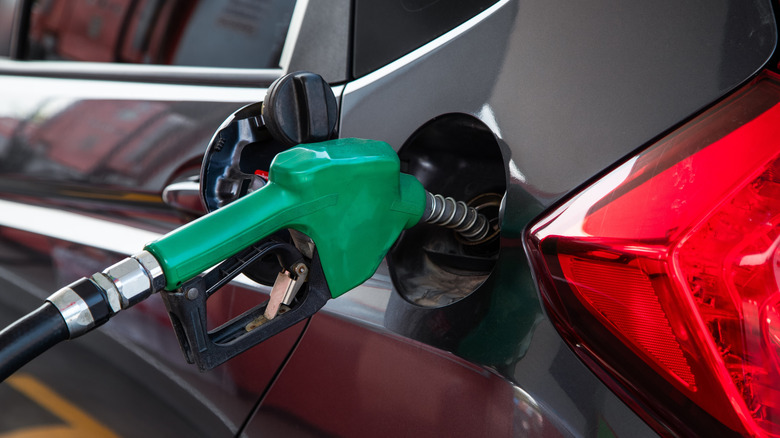
Disruption caused by the continuing war in Iran has led to gas prices rising across the country, while tariffs have pushed up costs for many other consumer goods in 2025 and 2026. Drivers looking to offset these increased expenses will want to make sure that they're not spending more at the gas station than they have to, and that means they'll want to take advantage of as many fuel-saving tips and tricks as possible. A recent study by Consumer Reports found that one tip in particular can save drivers hundreds of dollars on gas per year, and it won't take any effort to implement either.
The study found that driving 10 mph slower than usual on the highway can make a surprisingly big difference, with CR reporting that its test team recorded efficiency increases of up to 8 mpg. The average new car in 2024 achieved 27.2 mpg, but drivers of cars that get 35 mpg or more could save over $400 annually at the gas pump by cutting their speed. For habitual speeders, slowing down has the added benefit of reducing the chance of an encounter with local law enforcement.
Setting a slower cruising speed is far from the only way to avoid wasting fuel. Among other things, accelerating more slowly to reach your cruising speed and removing heavy, unnecessary clutter from your car can also help reduce fuel costs.
Modern cars are more efficient than their predecessors
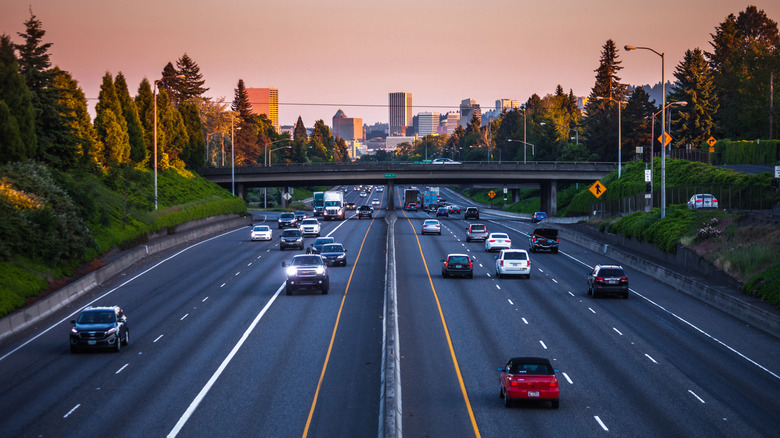
While drivers can make a significant difference to their fuel costs by altering their driving style, modern cars feature several systems designed to reduce fuel usage without the driver doing anything at all. One of the most noticeable modern fuel-saving systems is auto start-stop. A 2022 study published in the Environmental Pollution journal found that start-stop systems can reduce fuel usage by more than 4%, with drivers in warmer climates seeing bigger efficiency increases than those in colder climates.
It's sometimes claimed that using start-stop is bad for your engine, but modern engines are designed to accommodate the technology, so it won't cause significant additional wear. However, drivers of cars without start-stop shouldn't attempt to turn their cars off at junctions or intersections to save fuel. It usually won't increase efficiency, and it might prematurely wear out the car's starter motor, since the motor isn't designed to be repeatedly used during a journey.
Other fuel-saving systems are less noticeable, such as variable valve timing (VVT) systems. The first engine with VVT was designed by Alfa Romeo in the '80s, but it has since been adopted by many major automakers. Turbochargers and continuously variable transmissions can also help save fuel, along with many other hidden fuel efficiency technologies in modern cars. However, even the most technologically advanced, fuel-efficient car should see its efficiency increase when drivers reduce their speed by a few mph.