

What Could Happen To Gas Prices If The Iran War Continues? Here's What Experts Say
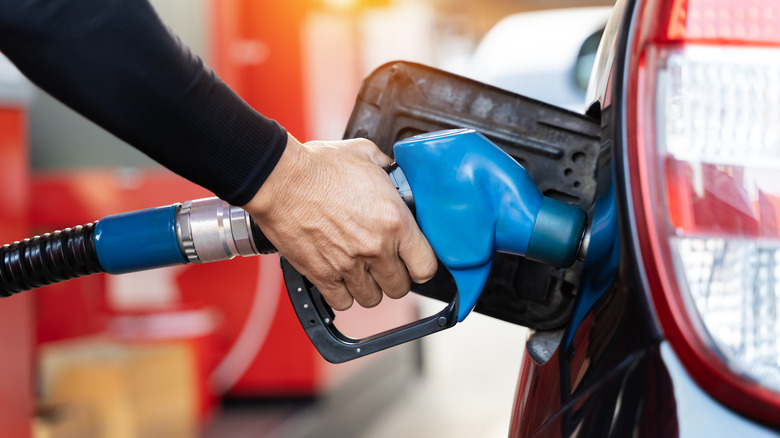
Drivers pumping gas across the United States have noticed gas prices skyrocketing after the attack on Iran. In California, for example, there has already been about a 44 cent increase in one week, making the average cost over $5 a gallon. With a barrel reaching over $90, Americans are wondering how expensive gas will get — and for how long.
Over the past few decades, the ongoing conflicts between the United States and countries in the Middle East have affected gas prices. The average price per gallon in early 2003 was $1.45, but it went up to $1.60 in March when then-president George W. Bush invaded Iraq and crude oil went up to $30 a barrel. It never got above $1.70, but it was the beginning of continued price increases over the next year, getting to above $4 by 2008.
When President Donald Trump issued a drone strike in Iran in 2020 that killed General Qassem Soleimani, oil prices skyrocketed again. Crude oil prices jumped to $70 a barrel and gas prices went up as the fear of a continued conflict loomed overhead. However, the spike only lasted a few days once the tension faded. What are we in store for this time around?
Why do conflicts with the Middle East result in rising gas prices?
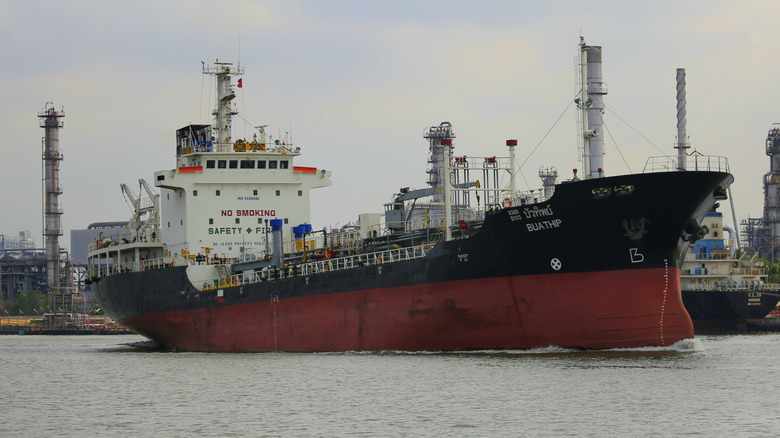
Attacks on the Middle East often lead to rising gas prices because oil production and shipping are usually disrupted. This particular attack on Iran stranded ships in the Persian Gulf. These ships, which carry 20 million barrels of oil a day, were unable to safely pass through the Strait of Hormuz, interrupting supplies. Unable to ship oil, many large oil producers then reduced oil production as the conflict continued. This causes wholesalers to panic, worried they will get hit with massive price increases, said oil analyst and advisor Tom Kloza to CNN.
It's unfortunately too soon to know how high gas prices will rise, but it will depend on how long there is a pause at the Strait of Hormuz — one-fifth of the world's oil comes through there. Jay Young, CEO of King Operating Corporation, told KXAN that he believes barrels could reach over $100 if the conflict goes on for a month or more, as Trump once stated. GasBuddy analyst Patrick De Haan (via CNN) mentioned it could even reach $150 if the straits remain closed (so maybe plan to go on certain days).
"It'll start hitting really soon; it doesn't wait for the oil that's produced and bought," Young said. "It can go to five, six dollars. [...] Fill up anything you can right now, because if this does continue to escalate or continue, then we are going to see prices that will go higher."
Kolza, on the other hand, said he doesn't believe it will reach the $5.02 record set in 2022 when global markets were disrupted. While the Middle East is a big crude oil supplier, there are others around the world. Either way, expect prices to go down once the straits reopen, although they may never fully return to previous prices.