

5 Ways You Can Save Money On Gas As Prices Rise At The Pump
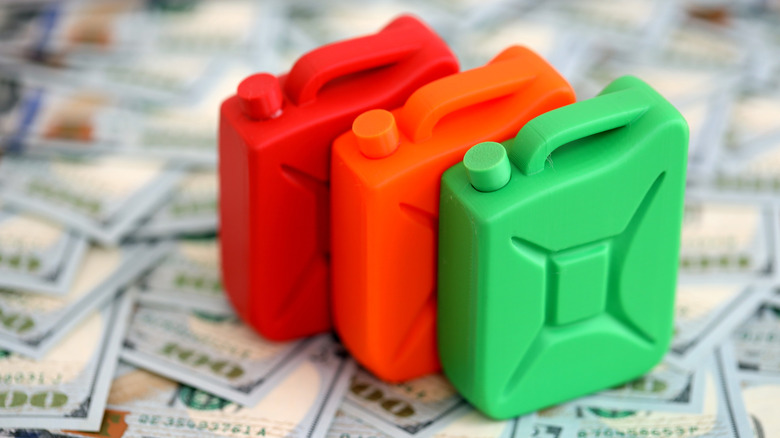
The days of not needing to factor gas into your budget are over. Across the country, drivers are watching the numbers trickle higher and higher as global events, supply chain complexities, and seasonal demand push fuel prices to uncomfortable and extreme levels. Driving is often a necessity, from commuting to work to taking children to school. When the cost per gallon jumps, so does your budget, which forces you to cut back in other areas.
While you can't control the international oil market or the taxes levied by your state, the good news is you aren't entirely at the mercy of the gas pump's flashing display. There's a proactive solution to reclaim some of your hard-earned money and reduce your reliance on volatile pricing. By making a few simple, conscious adjustments to your habits, you can find savings at the pump.
These habits are high-impact, easy-to-implement methods to help you fight back against soaring fuel costs. These strategies are the most significant yet neglected factors in fuel economy. Trying just one of these techniques can make a noticeable difference, but adopting all of them will change your relationship with your money and the gas pump.
Lighten the load
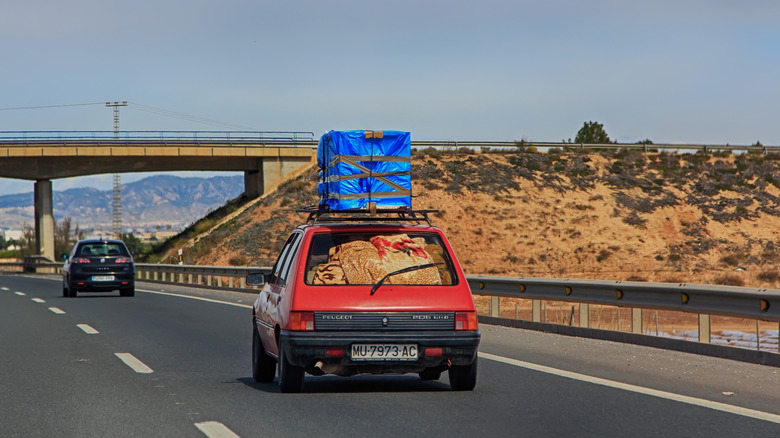
You might be surprised by the financial cost of keeping unnecessary items in your trunk and backseat. Your vehicle needs more energy to move and overcome resistance when it's heavier. Every extra 100 pounds can drop your fuel economy by about 1%, but you'll really notice this in smaller vehicles. Driving with your vehicle's load above the manufacturer's recommended limit is a habit that is making you spend more on gas.
That's why automakers make cars lighter. Regularly clear out heavy tools, sports gear, and unneeded luggage from your storage to keep the engine from working harder than it should. It's not just about the inside — the exterior plays a big part in efficiency, too. Take off roof racks or cargo carriers when you aren't using them; that aerodynamic drag at highway speeds just eats up fuel.
When you drive fast, wind resistance really shoots up. At highway speeds, your output goes into pushing through drag from things like a roof rack. Keeping your vehicle streamlined cuts the workload for its engine and gets you the most distance out of a tank. So if you don't need something, it may be a good idea to keep it at home.
Use gas-specific apps and loyalty programs

Before you pull over to fill up, check apps like GasBuddy or its alternatives. Even Upside or Waze can help you be sure you're getting the best deal. Fuel costs can change quickly from one station to the next, and prices might vary by 20 cents or more just a few blocks away. Using real-time, crowdsourced data lets you compare prices and map out the cheapest stations on your route.
Upside offers rewards you can stack on top of other discounts. Just claim an offer in the app before you pump and pay with a linked card, then you'll earn cash back you can transfer to your bank or redeem for gift cards. You can also use credit cards that reward you with rebates for getting gas or making purchases in general, and pay it back immediately, so you don't forget.
Signing up for brand-specific gas loyalty programs is another easy way to cut down on expenses. Most major chains like Shell, Exxon, and BP have free programs that knock three to five cents off every gallon. You have to make sure this matches with the gas provider, but it's an easy way to get regular savings without trying.
Don't idle if you can help it

One easy way to stretch your fuel budget is to avoid letting your car run when it doesn't need to. If you're waiting for someone for more than 60 seconds, just turn off your vehicle. Depending on your vehicle's size, an idling engine uses a quarter to a half of a gallon of fuel every hour, and it's even more for bigger eight-cylinder units.
Those minutes add up over weeks, burning money while you stay in place. A common myth says restarting an engine uses more gas than letting it run. In reality, modern units use very little fuel to start. So you should not waste gas idling your engine.
Any time you idle for longer than 10 seconds, you're wasting more fuel than you would by turning it off and back on. Sticking to a 60-second rule for shutting off your vehicle balances fuel savings with convenience. Don't worry that frequent restarts damage the starter motor or battery, but components are made to handle this use. Instead of idling in long drive-through lines, just park and walk inside. When waiting at a train crossing or school pickup, just turn off the ignition.
Keep your tires inflated
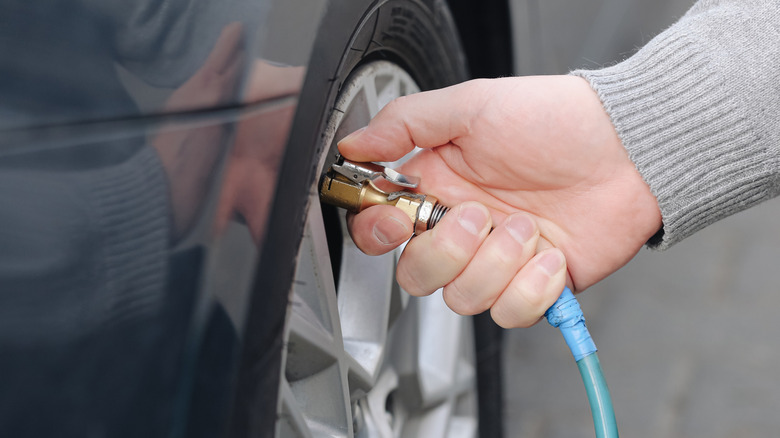
Under-inflated tires increase their rolling resistance, which you should know because makes your engine work harder. Properly inflated ones can boost gas mileage by up to 3%. When a tire doesn't have enough air, it gets softer and sags, increasing the surface area touching the road. This causes more tire deformation and flexing, creating drag.
For every pound per square inch (PSI) a tire is under-inflated, rolling resistance grows. Driving with tires at only 75% of their recommended pressure lowers fuel economy by roughly 2% to 3%, while 50% pressure causes a 10% drop. Check the PSI at least once a month with a reliable gauge. Many cars can tell you the tire pressure through a menu setting, so check that every month.
Check the pressure when tires are cold, which means the car hasn't been driven for at least three hours. Driving creates friction and heat, which expands the air and gives you an artificially high reading. Always follow the manufacturer's recommended numbers; you'll find it on the driver's side door jamb or in the owner's manual. Never use the maximum PSI limit on the tire sidewall, since over-inflating causes uneven wear and less traction.
Use cruise control on highways
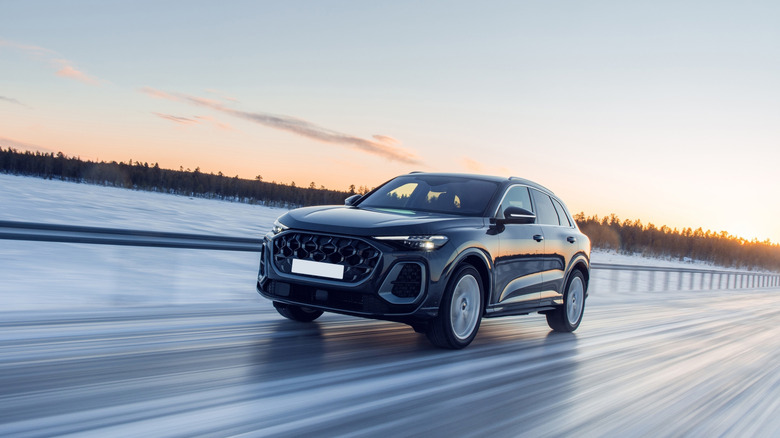
Keeping a steady speed is better than making tiny adjustments with your foot. People aren't great at keeping an exact pace, and the accordion effect of slowing and speeding up forces your engine to work harder to regain momentum. Using cruise control gets rid of these wasteful cycles and lets your car stay in its highest gear.
Fuel economy improves when you avoid sudden braking and hard acceleration on the highway. Cruising steadily at 50 miles per hour instead of revving up and down can cut gas consumption quite a bit. Cruise control could save you money, but it works best on long, flat highways. Using it on hilly terrain can make fuel efficiency worse since the system can't anticipate the road and will apply heavy throttle to get up steep inclines.
Avoid using it in stop-and-go traffic or bad weather for safety reasons. On flat roads with clear traffic, letting the computer take over the throttle is an easy way to stretch every gallon. Also, you don't want to relax when you are making multiple stop because it could lead to an accident.