

5 Clever Uses For Car Jacks (Besides Lifting Your Car)

A car jack is usually just a dusty, single-purpose tool, hiding in the trunk or under a seat — maybe a hydraulic bottle jack, a floor jack, or a scissor jack. You probably only pull it out when you get that dreaded flat tire. It's a tool of sheer, controlled force, built to beat gravity and lift thousands of pounds of steel and rubber with little elbow grease.
We rarely put this power to use around the house. The problem isn't that you don't have the tools for tough home jobs; it's that you don't recognize the huge strength hidden in a tool you already own. You probably just see it as a specialized machine for car maintenance, and nothing else.
This way of thinking stops you from solving common problems that seem to need specialized, expensive equipment, like professional-grade jacks or heavy-duty construction gear. Instead of costly rentals or calling a contractor for what seem like huge tasks, the answer often sits in your car's trunk. Your car jack is one of the most underrated and versatile heavy-lifting tools you've got, so you should start using it like one, instead of relegating it to your vehicle.
Straightening a sagging gate

If your backyard shed has settled into the dirt and its doors don't close, a bottle jack is the best tool for the job. Soil shifting, freeze-thaw cycles, and erosion warp the foundations of heavy outdoor structures over time. Before you lift anything, empty the shed to make it lighter and reduce the stress on the frame. You should use a 4-foot carpenter's level to find how off-level the structure is.
Once you're ready, dig a small spot for a solid base, hoist the sagging section of the floor frame, and slide in pressure-treated shims or pavers. Hydraulic bottle jacks and floor jacks create a lot of concentrated pressure, which is why you should know the six types and when to use them. You must place a sturdy piece of scrap wood, such as thick plywood or a heavy lumber block, flat on the ground beneath the jack to provide a stable base. Without this, the jack will sink into the soft soil under the load.
If you're lifting a sagging deck, lay a 2x4 cross-brace perpendicular to the underside of the joists and place the jack under that brace. This spreads the lifting force and ensures individual joists don't crack. When the corner is level, slide in permanent supports immediately. Once the supports are in place, slowly release the jack pressure.
Leveling an old shed or deck

Moving 300-pound rocks or bulky machinery is dangerous if you rely on raw strength. Instead of struggling to heave heavy items, use a hydraulic bottle jack or a floor jack to tilt the object just enough to slide a transport mechanism underneath. By using a furniture dolly or cylindrical rollers, you can avoid the strain of deadlifting and lower the risk of injury. This is a good reason to pick a popular brand that is ranked highly.
Preparation is important since heavy objects like rocks have unpredictable centers of gravity. If you're working on soft soil or gravel, a jack can sink or tip. To prevent this, make a firm foundation by putting thick plywood or a wide steel plate under the jack base. Once positioned, slowly pump the handle to raise one side a few inches. Remember to follow the 3/4 rule and pick a jack that can handle the weight.
With the item angled, slide your mobility helpers under. For indoor projects on concrete, a furniture dolly works well. For outdoor areas or extremely heavy items like a 1,200-pound rock, use schedule 40 PVC pipes, metal scaffolding tubes, or smooth wooden logs as rolling cylinders. Then, slowly release the jack valve to lower the load onto the rollers.
Fixing a leaning post
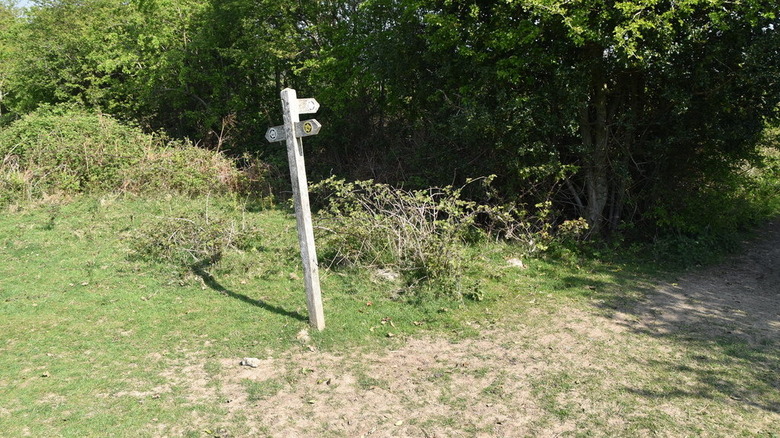
When heavy winds come, wood fences may start to lean. Instead of rebuilding the fence, you can use a car jack to push the structure back into place. Dig around the base of the leaning post to loosen the dirt and old concrete. Drive a sturdy stake deep into the ground a short distance away on the side of the fence that is leaning toward.
Cut a 2x4 to use as a diagonal pusher. Place your jack against the ground stake and run the 2x4 diagonally from the jack's lifting pad up to the leaning post. As you pump the jack, the force transfers through the 2x4 pusher to nudge the post back to vertical. Check the progress with a level to make sure the post is straight.
Moving slowly prevents you from overcorrecting or snapping the fence panels. Once the post is straight, leave the jack and brace in place. Fill the hole with fast-setting concrete and wait at least 24 to 48 hours for it to harden before removing the jack. This method saves you from wrestling the fence into alignment by hand, and you get a quick fix without the cost of replacement materials, and you make a new fence post. Make sure you don't go cheap with a jack in this case, because you don't want it breaking before the concrete sets.
Reshaping dented metal
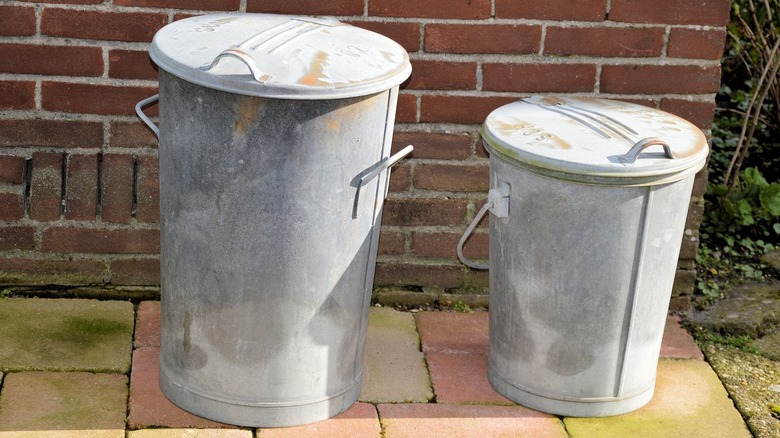
If you've crushed a metal trash can or bent a lawnmower deck, you can use a scissor jack, but make sure not to confuse this with a hydraulic jack. Use it to stretch the metal back into shape. These tools are designed to lift thousands of pounds, giving the controlled external pressure needed to reshape heavy-gauge steel. When metal is bent past its limit, it becomes work-hardened and stiff. To reverse this, you must apply steady pressure from the inside, pushing outward.
Remember that a jack's lifting pad is small, and applying that much force directly to sheet metal might punch a hole or create a sharp peak. Instead, use scrap wood. Place a piece of 2x4 or a wooden block between the jack and the metal to distribute the pressure. Brace the base of the jack against a sturdy opposing surface inside the object.
As the jack expands, the crushed metal will begin to unfold. Controlling the force lets the surrounding warped metal spring back into its original contour. Always work slowly, because rushing the process can cause even more damage. You want to monitor the metal as it goes back into place, and stop if you notice any dents forming.
Knocking over items onto a dolly
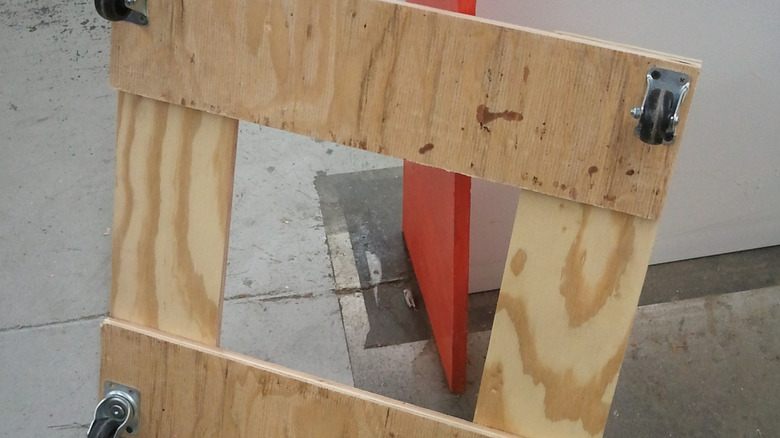
Gates sag since gravity and moisture pull the frame into a rhomboid shape. This makes the latches misalign and causes the bottom corner to drag on the ground. You can use a car jack to bring the frame back into alignment, and if you're a mechanic, you likely have this in your garage. Place the jack under the sagging lower corner on the latch side. Use a wooden board or paver under the jack if the ground is soft, and put a scrap piece of 2x4 between the jack and the gate to protect the wood.
Slowly pump the jack to raise the drooping end. Check it with a level until the gate is square and the latch aligns. While the jack holds the gate in position, you need to apply a permanent fix. You can screw a wooden diagonal brace across the back of the gate using galvanized screws.
You can also install a metal anti-sag kit. These use a steel cable and a turnbuckle to pull the frame square. Tighten the turnbuckle or fasten your wooden brace while the jack bears the weight. Also, tighten any loose hinge screws before releasing the jack. You can save a good deal of money by fixing this yourself.