

Driving At 65: 7 Tips For Staying Safe On The Road

The open road represents independence, freedom, and an essential connection to the community. However, as we celebrate people living longer, healthier lives, the conversation around mobility tends to shift. The truth is, aging naturally brings about subtle changes that can make the already complex task of driving more challenging. This isn't a problem of competence or skill; it's a simple matter of adapting to physiological realities that everyone faces with time.
For older adults, remaining a safe, confident, and independent driver means proactively addressing these changes rather than waiting for them to become a hazard. Instead of going straight to hanging up the keys, you should become aware of practical steps you can take to make sure that commuting remains a safe activity for years to come.
It's time to focus on critical health checks, smart defensive driving tactics, and other ways that help you mitigate risks and keep your peace of mind behind the wheel. These strategies will work together to give you a comprehensive plan for maximizing safety. Sometimes, small adjustments to health maintenance and habits can make a significant difference in your continuing to drive safely.
Annual and eye exams are important
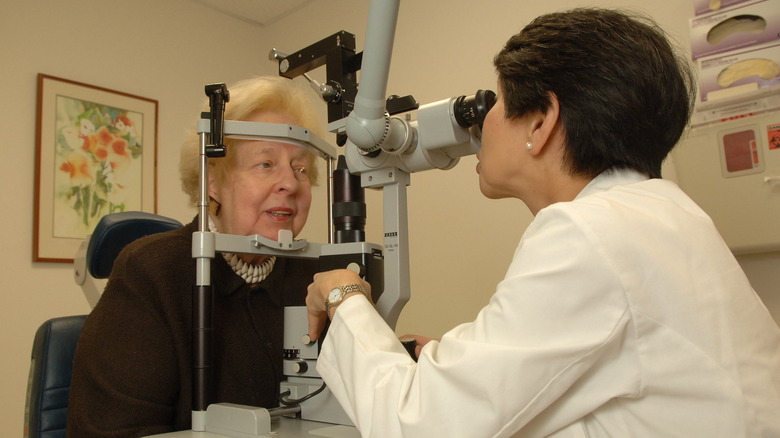
Vision is your most important tool when it comes to operating a motor vehicle safely. As you age, your vision undergoes natural structural changes that can directly compromise your driving performance. For example, a reduction in pupil size and the thickening of your lens can significantly limit the amount of light that reaches your retina. Due to these natural and gradual visual declines, you should be checked yearly for cataracts, glaucoma, or macular degeneration.
These common age-related diseases can severely affect both your central clarity and peripheral vision, making it difficult to spot hazards, judge distances, or read street signs in time to react safely. Cataracts, for instance, cause the lens of the eye to become cloudy, while glaucoma gradually damages your peripheral vision.
In addition to monitoring for diseases, make sure your prescription is up to date. If you happen to break or lose your glasses, don't rely on an outdated pair. You should replace them immediately with your current prescription lenses. Nighttime driving presents a unique set of hazards because the aging eye is highly susceptible to disability glare, a condition in which scattered light from oncoming headlights creates a contrast-reducing veil inside the eye.
Make sure your medication doesn't have bad side effects

As you get older, you may need to take different prescription and over-the-counter medicines, and sometimes, these drugs can mess with your driving. Lots of common prescriptions for things like blood pressure, sleep, or anxiety can cause potentially dangerous side effects, like feeling drowsy, lightheaded, or having brain fog. These can really impact your ability to drive safely.
These substances can make you less alert, dulling your judgment and slowing down your reaction times when you're driving. Drugs like tranquilizers, narcotic pain pills, sleep medicines, antidepressants, antihistamines, decongestants, and muscle relaxers are all known to carry a high risk of making it unsafe to drive. Even everyday medicines you take for allergies or to help your mood can put your safety at risk because they might cause dizziness, confusion, or blurry vision.
Some sleep medicines also make you drowsy the morning after, and that feeling can stick around for much of the day, quietly affecting your motor skills long after you have swallowed the pill. It's possible to feel perfectly fine before you head out, only to suddenly feel tired, disoriented, or have heart palpitations while you're trying to get through a complicated or busy intersection.
Get your hearing checked
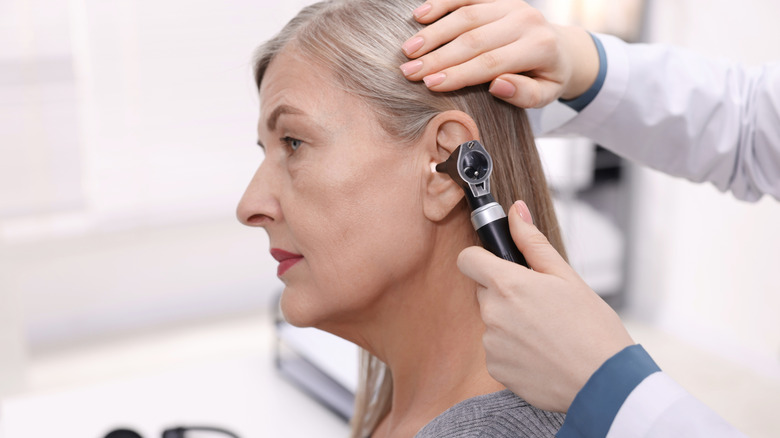
As you get older, you can experience hearing loss, which doctors call presbycusis. Since this decline usually happens slowly, you may not even realize how much it has worsened until it becomes a real safety issue on the road. That's why it's a good idea to have a medical professional check your hearing every few years, and even more often if you have risk factors like frequent exposure to loud noises over time.
Regular auditory check-ups are important because they let doctors catch problems early and give you options that can help keep you safe and independent while driving. If you find out you have hearing loss, you can consider using one of the best hearing aids to improve your driving safety.
You need to hear the loud wail of sirens from emergency vehicles coming closer, the sudden honk of horns from other drivers trying to warn you about a possible crash, or even a strange, quiet mechanical sound from your own engine that tells you something is wrong with your car. These sounds act as critical warnings that tell you when you may need to pull over, yield, or safely get out of danger.
Increase your following distance
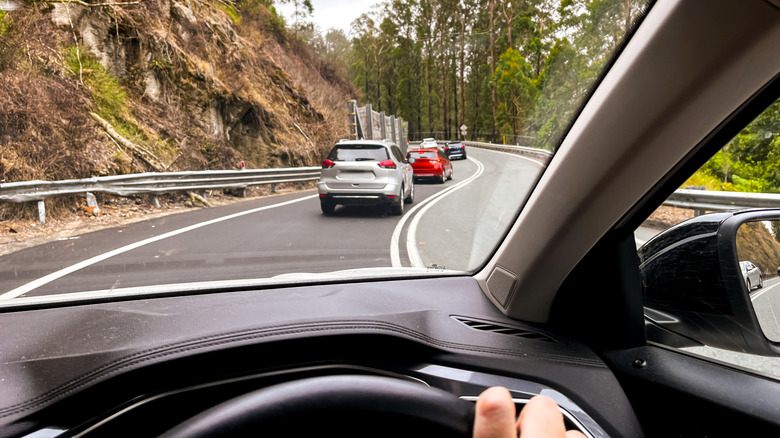
While following the four-second rule sounds like it is just for bikers, you should keep a three- or four-second distance to have more time to react if the car in front of you brakes suddenly. As you age, it's completely normal to experience subtle shifts in your physical and cognitive capabilities, including gradual declines in processing speed, visual acuity, and reflexes. Due to these natural physiological changes, your brain and body often require a fraction of a second longer to perceive a sudden hazard, decide on the appropriate evasive action, and execute the movement.
By widening the gap between your vehicle and the one ahead of you, you can better compensate for these delayed reaction times and reduce the cognitive demand of dividing your attention among multiple rapid events. This is an effective defensive driving strategy that gives you the crucial extra distance needed to slow down safely and avoid a serious rear-end collision.
Modern and innovative vehicle safety features can also help you. Many newer vehicles are equipped with adaptive cruise control, which automatically regulates your car's speed to keep a safe, pre-selected distance from the leading car. It would be a good idea to do so on highways and freeways.
Plan your route in advance

One of the best things you can do to stay safe on the road is to plan your route before you leave. Before you even start your car, take some time to use a GPS or check a map. Navigation system devices really help with safe route planning. They give you a clear picture of your path before you even start driving. Doing this means you won't get forced into making last-minute choices about which lane to be in.
It's easy to get flustered when you're lost, and that frustration can quickly make you drive distracted or erratically. Knowing exactly where you're headed cuts down on this stress and lowers the chance of drifting between lanes. While Google Maps has other powerful features, it is still great at giving basic directions.
Careful route planning lets you pick the safest roads possible on purpose. When you map out your trip ahead of time, you can choose routes that keep you on streets you know, ones that are well-lit and have lots of traffic, even if the drive takes a bit longer. You can also intentionally steer clear of stressful places, like roads with faster speed limits or areas known for heavy rush-hour traffic.
Know when to delegate
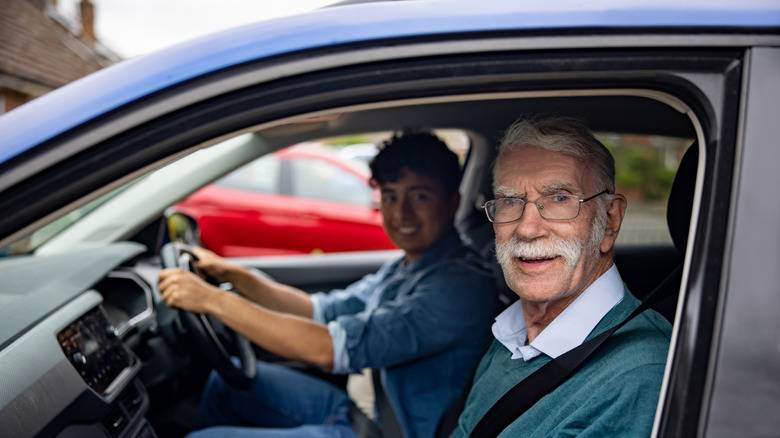
As you get older, it's important to know that being a safe driver sometimes means letting someone else take the wheel. If you've got a long trip coming up, think about carpooling or asking a younger family member to drive. Pushing your physical limits on extended journeys can put you and others on the road in danger.
It isn't necessarily that you are too old to drive. It's natural to experience physical changes as you age, like less muscle strength, joint flexibility, and general stamina. Because of this, long stretches behind the wheel, especially on straight or boring roads, can easily make older drivers lose focus and get tired, which increases the chance of an accident.
Checking in with your own endurance is a key part of being a responsible driver. If driving for an hour or more leaves you wiped out, or if you feel numbness or tingling in your hands or feet, let someone else take the wheel. By giving the keys to a friend or a younger relative for the tough parts of a trip, you can reduce that mental and physical load on yourself. This kind of self-care lets you preserve your alertness and reflexes for essential daily errands, like driving on familiar local streets or going to important appointments.
Adjust your car to fit you
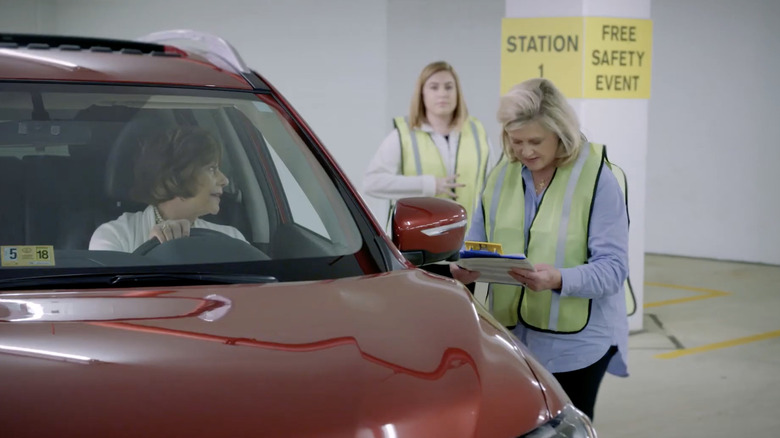
As you get older, making sure your vehicle is properly adjusted for your changing physical needs can make a real difference in keeping you and others safe on the road. To start, you'll want to make sure your seat is high enough so you can see at least 10 feet in front of the car.
This good line of sight, where your eyes are at least three inches above the dashboard, is important for a clear view of what's around you and can help reduce glare from oncoming headlights at night. Glare sensitivity also tends to increase with age, which makes proper positioning even more important.
AARP created CarFit, a program designed for seniors to make sure the steering wheel and mirrors are placed to lessen blind spots. AARP, AAA, and AOTA developed CarFit together as a free educational program that gives older adults a chance to check how well their personal vehicles actually fit them. At a CarFit event, a team of trained technicians and health professionals works with each person to complete a full 12-point checklist in about 20 minutes.