

Cheaper Alternatives To Expensive Smart Home Sensors
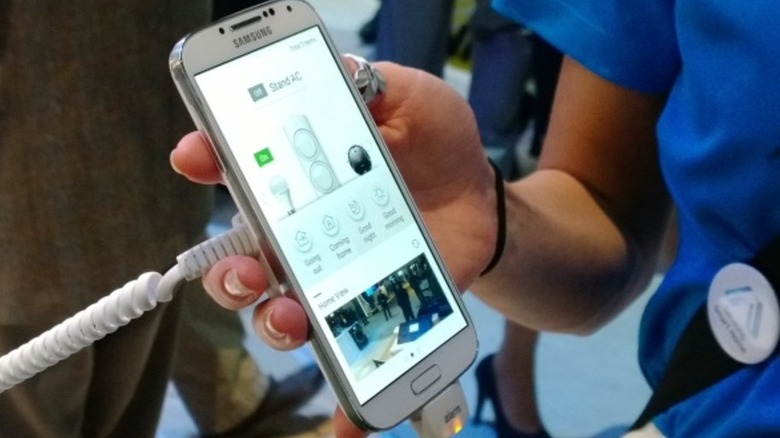
Smart home technology promises you an easier, more automated life, but it often comes with an intimidating price tag. To fully deck out a home to sense motion, sound, light, and presence, you're expected to spend a lot of money on a collection of dedicated, single-purpose gadgets.
Whether you're just starting with home automation or you're an experienced tinkerer wanting to expand your coverage, relying on expensive, proprietary hardware creates a major barrier. It seems every new automation idea requires another trip to the store for yet another specialized component. However, the answer to this problem might not be buying more things, but instead cleverly repurposing the really sophisticated electronic devices you probably already own.
You likely have devices that are sitting unused in drawers or regulated to just one limited task. By taking advantage of the open-source spirit of platforms like Home Assistant, you can use them for many smart home functions. This approach gives you the functionality of expensive commercial alternatives with a big privacy advantage by keeping all data processing local to your machine. Check to see if you have these devices so you can bypass the high cost and limited use of dedicated smart sensors.
PC microphone for acoustic event detection
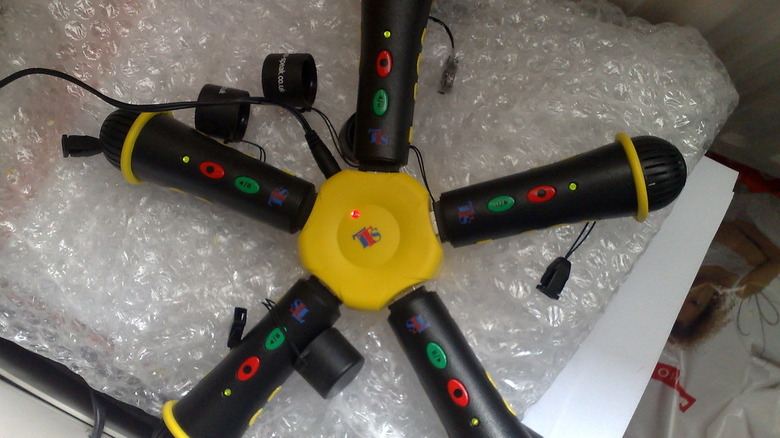
Instead of dropping hundreds of dollars on a bunch of expensive, one-trick smart home gadgets, you can get the same functionality just by using a plain old PC microphone or a Bluetooth microphone that records high quality sound. Connect a cheap peripheral, or even one you already have, to a computer, and you can turn it into a powerful, general-purpose system that listens for sounds.
Using a computer for this lets you keep all your data processing saved locally, which gives you a big privacy advantage over commercial systems that send your audio to cloud servers. All you have to do is install software like Snooper to constantly listen to the sounds in your home and find specific, recognizable sound patterns.
With digital signal processing and machine learning, the computer looks at the sound signatures of the incoming audio to find distinct frequencies and timing features. You can set up software to hear the loud, piercing chirp of a regular smoke alarm, the sudden crash of glass breaking, or even everyday sounds like a doorbell ringing, a baby crying, or a dog barking. There are some open-source audio classification models that can tell the difference between dozens of detailed household activities, things like a running faucet, a microwave beeping, or a door closing.
Laptop lid status as a workflow trigger
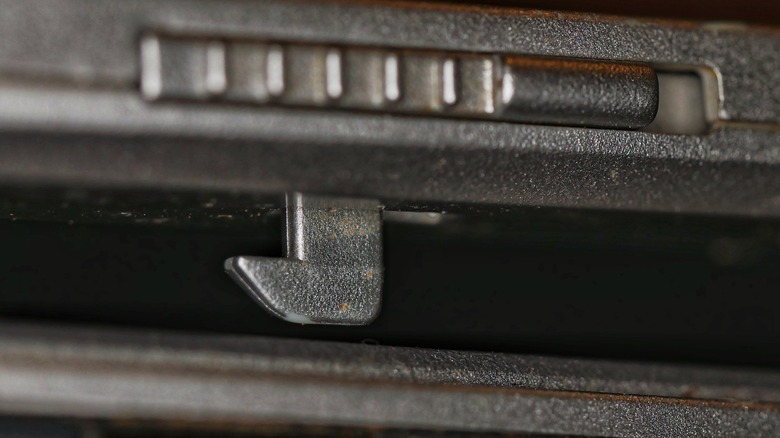
Before you rush out to buy expensive infrared motion detectors or dedicated presence sensors for your home office, think about all the powerful sensors you already have. If you have a laptop that stays at your desk, you can easily repurpose its built-in hardware to act as a very accurate smart home trigger. Modern laptops use integrated mechanisms, like Hall effect magnetic sensors or physical switches, to instantly tell when the display lid is opened or closed.
Instead of letting this data stay isolated within the computer's operating system, you can connect it to your smart home ecosystem. This way you can create automations and get all of their benefits without spending any money on extra hardware. To do this, you can use software like Home Assistant's desktop integration to report the state of the laptop lid and your overall user activity.
Depending on your specific operating system, you can install the official Home Assistant Companion apps. These programs act like a bridge, securely passing a wide variety of hardware indicators to your central smart home hub using protocols like MQTT.
Repurposed webcams for motion detection
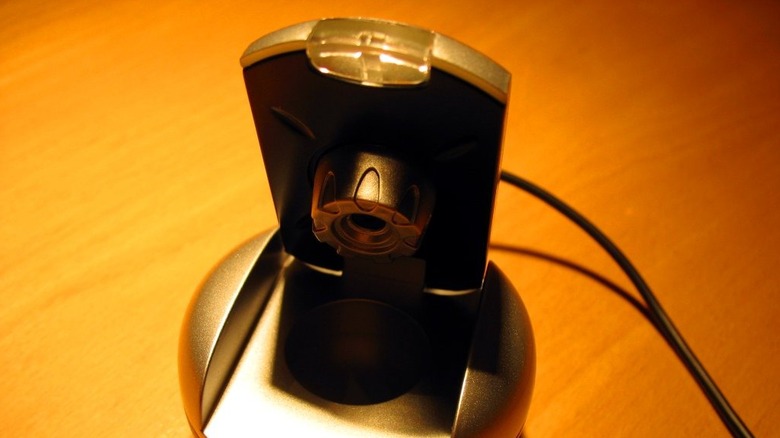
While you can get a great smart security camera for your home with great user reviews, you don't need an expensive one. An old USB webcam is a really cost-effective option that will also keep electronic waste out of landfills. Units that aren't being used for video conferencing anymore can easily connect to an always-on desktop PC, a spare laptop, or an inexpensive microcontroller like a Raspberry Pi to keep an eye on a doorway, a hallway, or a yard.
To get this hardware working, you can use powerful, free software like MotionEyeOS. This is an open-source operating system made specifically to turn a Raspberry Pi or a similar single-board computer into a clever, network-attached camera system. Alternatively, if you're connecting the webcam directly to a regular computer, apps like iSpy have similar local motion-sensing abilities without any hidden fees.
In this situation, your repurposed webcam just needs to act as a responsive motion sensor. It can watch the live video signal, spot movement by checking the percentage of changed pixels between frames, and know when something physical has come into the area it's watching. Once it confirms movement, the software just needs to send a motion-detected signal or webhook to your central smart home hub, like Home Assistant.
Old android smartphones as multi-sensor hubs
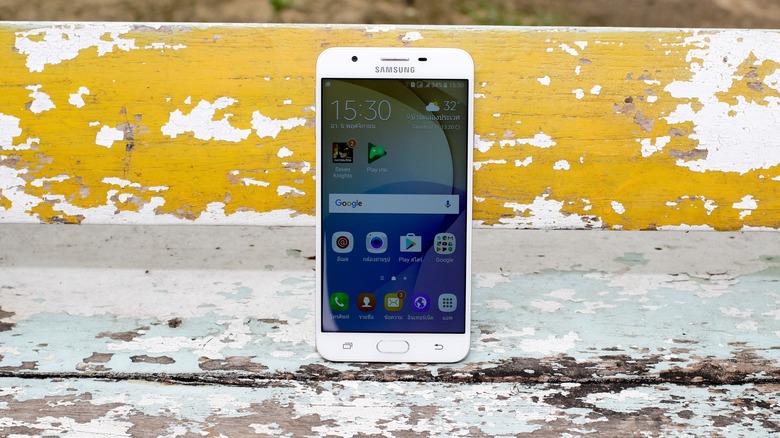
An old Android phone is basically a Swiss Army knife of sensors. Instead of letting old devices sit there collecting dust, you can turn them into a multi-sensor hubs. While there are other helpful ways to use your Android, this is a great move because it saves money on a hub.
By using the Home Assistant Companion app, you can show the phone's internal sensors directly to your automation system without any complicated wiring or cloud servers. The sheer variety of built-in parts, things like the accelerometer, gyroscope, proximity sensor, and GPS, opens up endless possibilities for smart home automations that know what's going on.
For example, you can put the device in a hallway to turn on lights based on how much light there is, making sure your path is lit up automatically only when the room naturally gets dark. The smartphone's audio, visual, and radio features make it way better than a regular motion detector. Using apps like Tasker or IP Webcam alongside Home Assistant, the device's microphone can act as a continuous sound sensor, listening for specific audio triggers.
Video game controllers

This peripheral is probably the most commonly available on this list. Video game controllers are everywhere, feel great in your hand, and are made for easy physical interaction. Instead of paying extra for dedicated, single-purpose smart home buttons or pricey proprietary touch panels, you can probably just use a gamepad you already have sitting in a drawer.
Game controllers work like standard peripherals, so any computer or Raspberry Pi running your smart home hub can pick up button presses, joystick movements, and even accelerometer data as different inputs. Whether you've got an old Nintendo Wii remote, an Xbox controller, a PlayStation gamepad, or Nintendo Switch Joy-Cons, you should be able to connect these devices with standard Bluetooth or USB. It's a good idea to use a controller that is already great for PC since you likely have used that outside its console.
The real power here comes from software integration bringing a ton of customization options to you. Platforms like Home Assistant, Node-RED, or OpenSensorHub can grab the inputs from these controllers and turn them into things your smart home system can actually do.