

5 Tasks A Roku Device Handles Better Than Your Smart TV
We may receive a commission on purchases made from links.
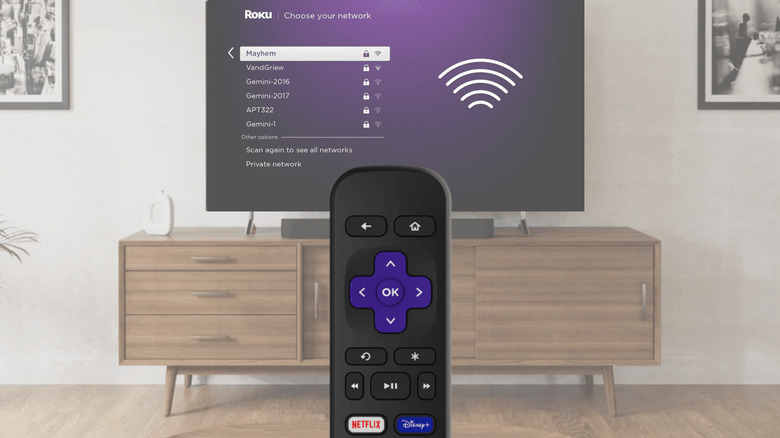
When you buy a new smart TV, you're probably focused on the display quality, but as TV displays evolve, so does the software powering their smart features. Within a couple of years, that quick, full-featured built-in operating system can begin feeling slow, unsupported, and buggy. It doesn't help that many make you wade through a ton of corporate self-promotion just to find something to watch.
This is where a dedicated device, like a Roku streaming player, can really change how you experience home entertainment. Unlike some other tech companies that always push their own content and services, Roku offers a consistently updated and easy-to-use OS. Instead of fighting a TV that wants to sell you its own ecosystem, a Roku device works as a universal mediator.
The shift from relying on your TV's built-in intelligence to using an external streaming device isn't just about how fast things are; it's about control, consistency, and neutrality. While many smart TV operating systems don't deliver on key consumer-friendly features, like universal search or basic guest security, Roku has created solutions that tackle these issues directly. The following explains a few essential tasks that a dedicated Roku device handles not just adequately, but better than the software built into most modern smart TVs.
Universal search across services
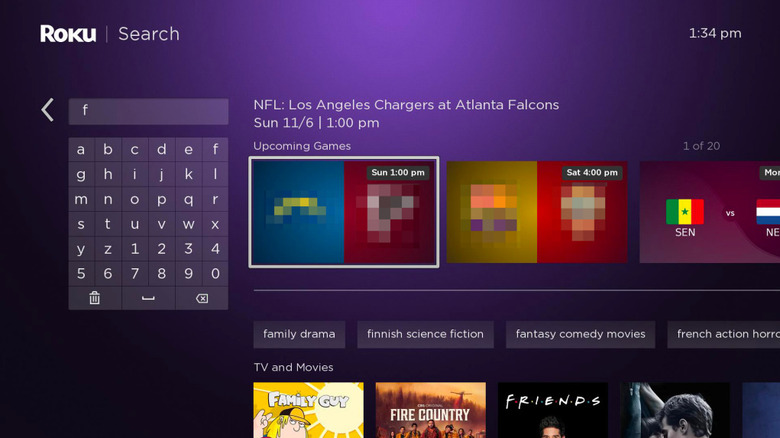
When you're using your smart TV's built-in operating system to find something to watch, you're often navigating a really biased system. Smart TV makers and even some streaming device companies are heavily invested in the streaming world. Some of these companies, like Amazon, run a huge content platform while selling TVs with their proprietary OS. While it's hard to prove, the native search algorithms of these companies sure seem to sometimes prioritize their own products and those of their partners.
This lack of neutrality risks turning what should be a simple search into a frustrating maze of self-serving corporate promotions. Roku not only has a Subscription Menu, which helps you find what you're actually looking for, but it also has a mostly neutral search area. While other brands operate their own streaming services, like Prime or Apple TV, Roku just has a streaming platform. When the search results pop up, Roku clearly lists where the requested title is currently available to stream for free, where it requires a premium subscription (that you might already be paying for), and where it costs the least to rent or buy.
Receiving consistent software updates
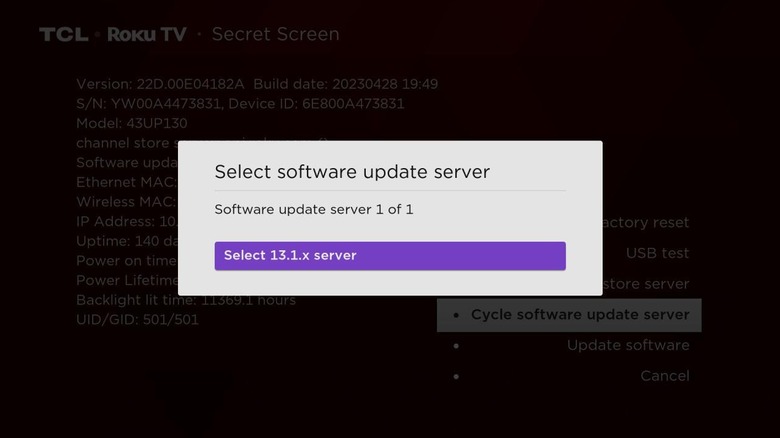
When you buy a brand-new smart TV, its built-in interface usually feels quick, responsive, and full of the latest apps. However, there's a huge difference between how long a TV display can last and how long its software remains supported. While you might expect a TV to last about ten years, smart TV manufacturers often stop supporting their older models much sooner.
Using a dedicated Roku device instead of your TV's built-in software prevents the quick obsolescence that can affect the smart TV industry. Roku avoids this by supporting its operating systems across almost all its hardware, minus a few legacy models. Whether you're using a premium Roku Ultra or a more affordable Roku Express, the software stays updated, and the experience is smooth across the board, which is great because updating software is one of the ways to troubleshoot common Roku problems.
Guest mode for rentals
If you host an Airbnb, manage a short-term rental property, or simply have a frequently used guest room in your home, providing excellent entertainment for your visitors is a must. However, letting guests use a standard, built-in smart TV OS can quickly become a logistical and security nightmare. Many built-in smart TVs require users to manually sign out of every single application.
If a guest simply forgets to log out in the rush of packing and checking out, their personal accounts remain fully accessible to the next person who turns on the television. This creates a massive security risk, potentially exposing their private viewing history, profiles, and in the worst case scenario, even their payment information. Many proprietary smart TV OS are also invasive when it comes to privacy, with some manufacturers being caught tracking everything users watched without explicit consent, and connecting that data to IP addresses to serve targeted ads.
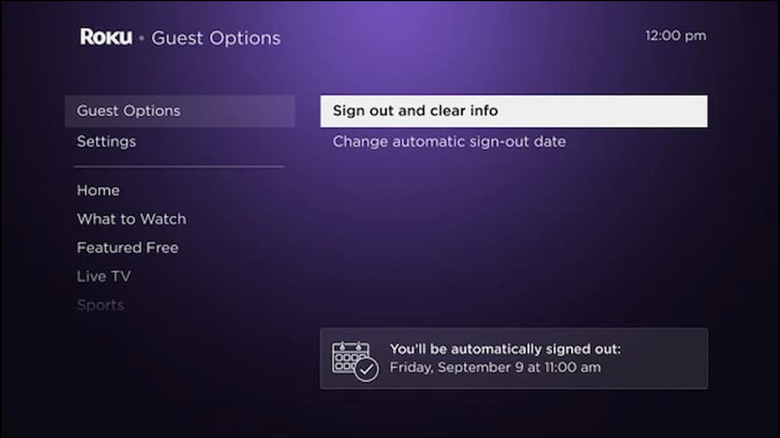
When you enable Roku's Guest Mode, which is one of the hidden features of your Roku, your visitors can sign in to their own personal streaming service accounts. More importantly, the system lets them set their checkout date upon logging in. On that date, the Roku automatically signs them out of all applications and completely clears their login info and viewing data from the system.
Creating a master save list
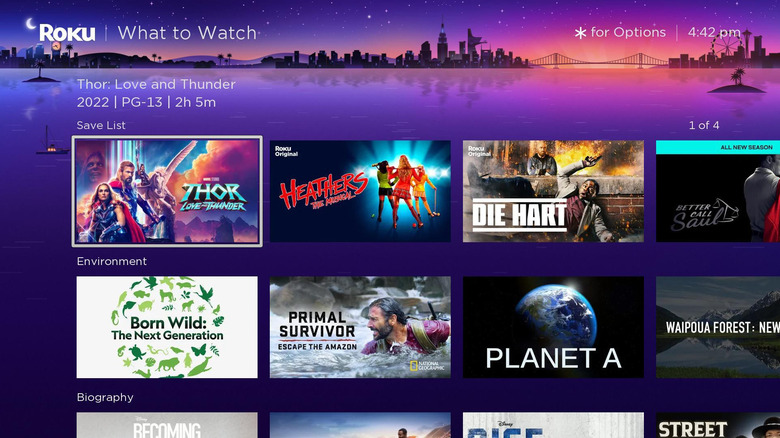
It's frustrating having different watchlists for Netflix, Hulu, Disney+, and all the other services fighting for your attention these days. You can easily get lost in a maze of individual apps, trying to remember which service has the movie or show you want to watch next. Your regular smart TVs, which usually run on proprietary operating systems that change a lot between different brands, often make this problem worse by keeping your media completely separate.
In contrast, Roku's Save List acts as a seamless, universal hub for all the entertainment you have access to. When you find a show or movie through the device's main search function, you can add it directly to your Save List, no matter which app it's actually in. This feature really breaks down the walls between competing streaming platforms, giving you one easy-to-access home base for your content right from the Roku home screen. It's one of the reasons why Roku is one of the best streaming devices for your TV.
Private listening through your mobile or remote
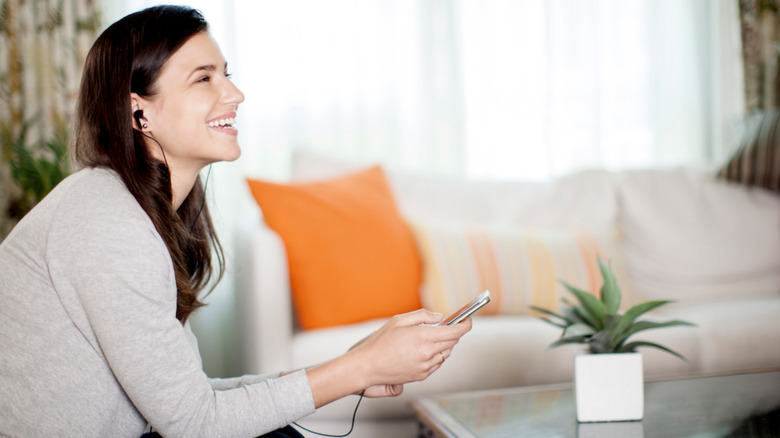
When you're trying to watch an action-packed movie late at night or catch up on your favorite television shows without waking up your partner, children, or roommates, audio management becomes pretty important. Most smart TVs let you pair Bluetooth headphones, but it's usually a frustrating and limited experience because you'll usually have to dig through clunky operating system menus just to connect one wireless device.
Roku devices offer a user-friendly private listening option that beats what you get with standard smart TVs. For starters, Roku lets you completely bypass the whole wireless pairing hassle, as you can just plug a pair of headphones into the Voice Remote Pro.
If you prefer a totally wireless experience, or if your particular Roku model doesn't come with a remote with a headphone jack, you can just use the Roku mobile app to stream audio to your phone. This is a hidden feature of Roku's companion app that lets you control your TV while simultaneously using the private listening feature through your phone. This multi-listener private listening feature means a group of friends or a family can gather in the living room to watch a loud, explosive blockbuster movie late at night, but since each person uses their own phone and headphones, it keeps the room totally silent.