

Toyota's 2026 C-HR Is An All-Electric Do-Over That Delivers
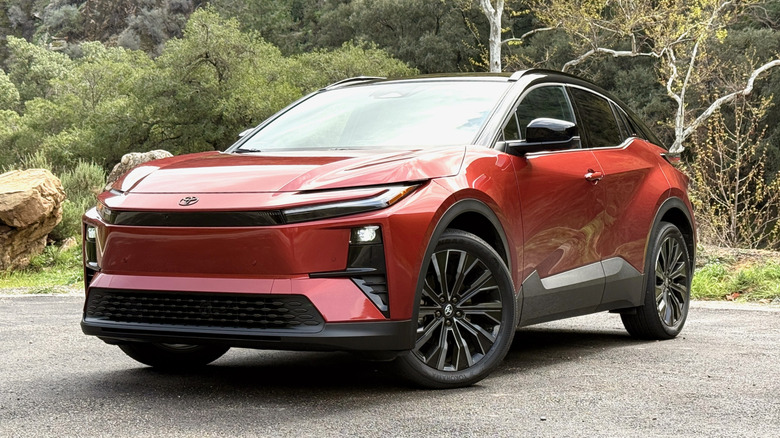
Not too long ago, the Toyota C-HR seemed to be relegated to a small page in the automotive history books. The internal combustion C-HR was discontinued after five short years, with slow sales to blame. It was low on power, and didn't carve out a particularly large niche for itself, no matter how much quirky styling it had, so it was killed off.
It's also worth considering that the C-HR was one of many hatchback/SUV options in Toyota's lineup that were around the same size. Models like the RAV4 and the Corolla hatchback likely stole the C-HR's thunder, and they had better name recognition.
 Travis Langness/SlashGear
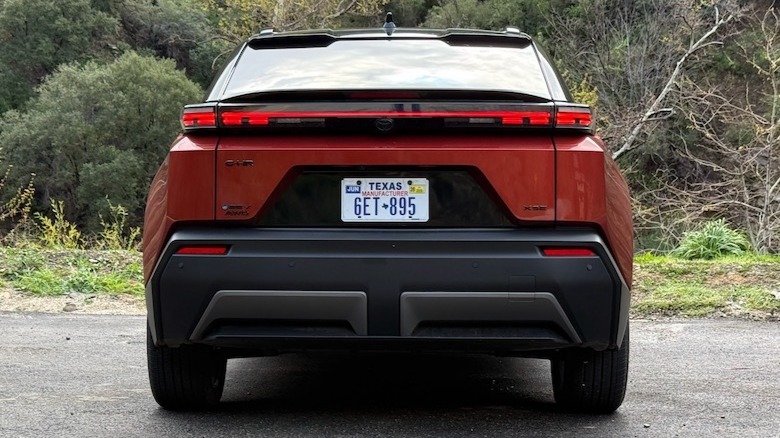
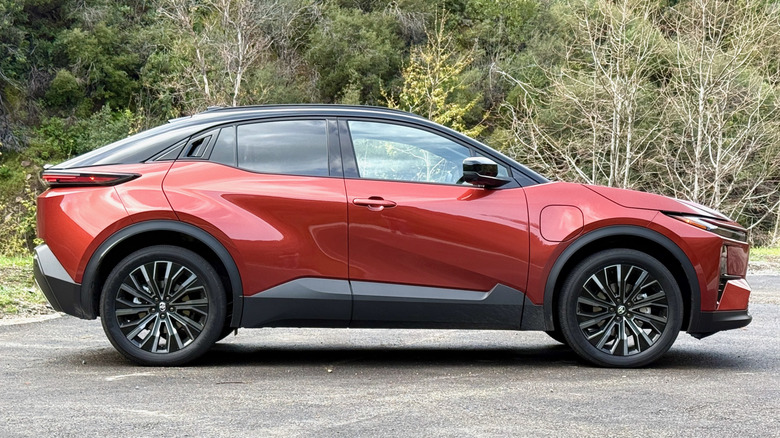
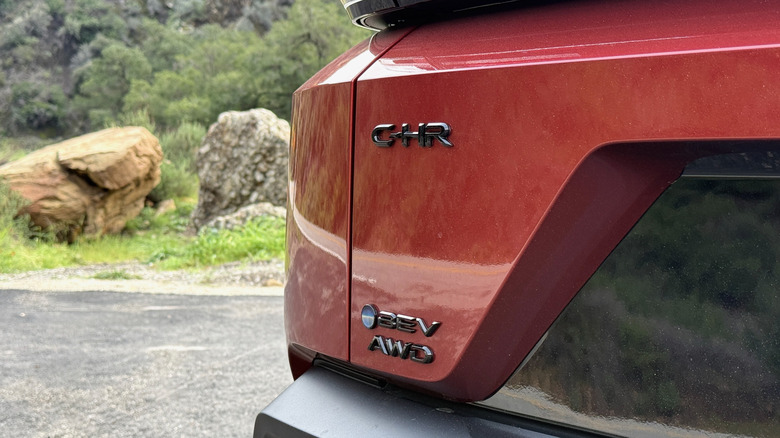
Now, the C-HR has returned with a different approach. It's all-electric and it's got power to boot. Alongside other new EVs from the brand like the three-row Highlander they showed off, and the outdoor-themed bZ Woodland I tested, Toyota invited me out to drive the new C-HR recently. It offers similar electric specs and performance to the bZ, but in a smaller and marginally more affordable package. Built on a shared platform with the Subaru Uncharted, the 2026 C-HR is much more powerful than previous internal-combustion models ever dreamed of being, and it's larger, with more cargo space, so I figured that the C-HR could attract a whole new crowd. It didn't disappoint.
Feels more powerful than the numbers would suggest
Toyota claims a zero-to-60 time of just 4.9 seconds for the C-HR, and I thoroughly believe it. In fact, I wouldn't be surprised if they were underselling its power a bit. The C-HR uses a relatively sizable 74.7-kWh battery, and it comes standard with all-wheel drive. The bZ uses the same size battery pack to produce 375 horsepower, while the C-HR has to make do with 338 ponies.
The C-HR puts less power to the rear wheels, so it's slower by the numbers, but feeling the difference in real life — even on back-to-back drives — is extremely difficult. The C-HR is still properly quick, with strong throttle response and plenty of high-speed passing power.
 Travis Langness/SlashGear
With some differences in curb weight and which wheels come standard, the SE and XSE trims have slightly different maximum range estimates: 287 and 273 miles on a single charge, respectively. They're decent numbers for the class. Every version of the C-HR uses an 11 kW onboard charger and has a max charging input of 150 kW. With a level 2 charger at home, Toyota estimates the C-HR will take about 7.5 hours to fully charge up; at a DC fast charging station, it can go from 10 to 80% charge in about 30 minutes. Like many new EVs, the C-HR uses an NACS charging port.
Driving on the open road
The new C-HR has a 108.3-inch wheelbase, which is about 5 inches longer than the old gasoline-powered model, and that extra length gives it significantly better handling. It's been a while since I've driven the old C-HR, but this new one feels much more stable in long sweeping corners, with a decent amount of grip from the Yokohama Geolander tires. It maneuvers well, with a well-weighted steering wheel, making it easy to navigate tight spaces or crowded city centers: just what you want from an EV SUV.
 Travis Langness/SlashGear
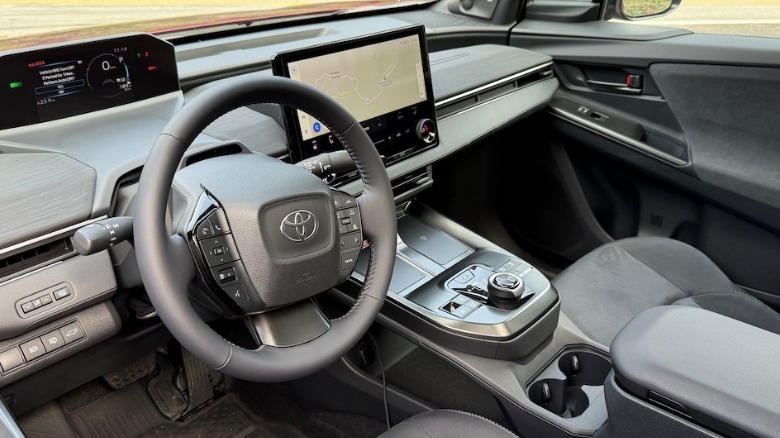
There's no one-pedal drive in the C-HR so, unlike many other EVs, you have to use the brake pedal to come to a complete stop instead of relying on the strength of regenerative braking. Toyota provides you with shift-paddle-style buttons behind the steering wheel that adjust the strength of the regen, which will get you almost all the way down to a stop, but you'll need to use the brake pedal for that last bit. Adjusting the settings helps dial in the experience in the mountains at a fast pace, where the C-HR really impressed.
Modern tech doesn't disappoint
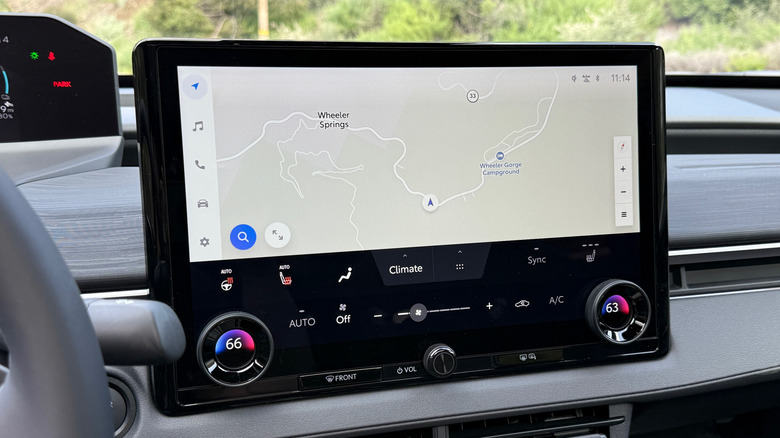
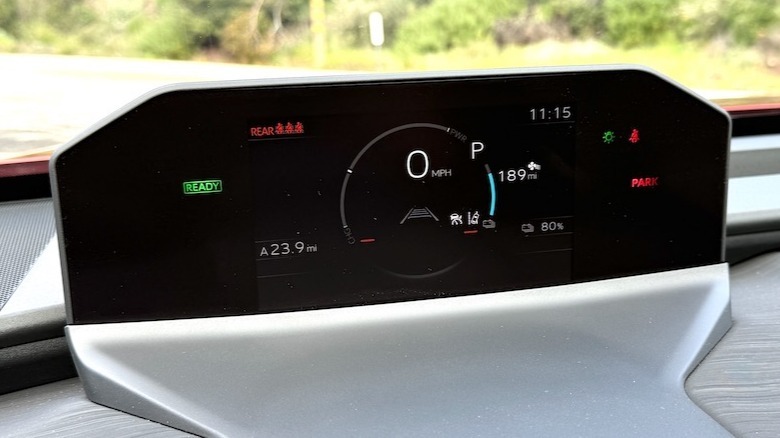
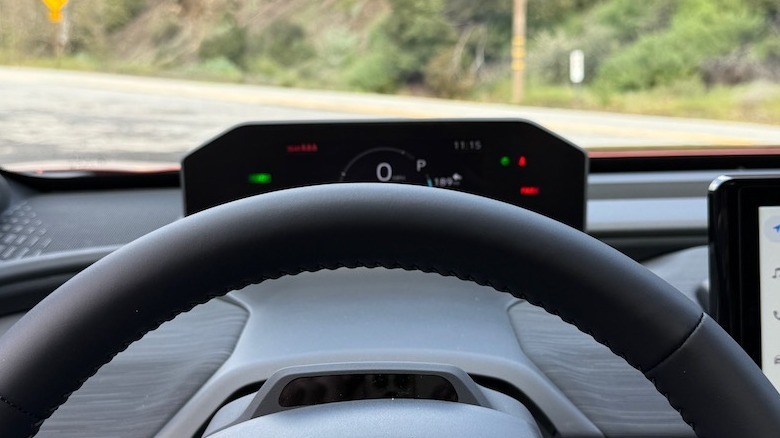
Like the other new EVs in Toyota's lineup, the C-HR gets a big 14-inch center touchscreen as standard and a 7-inch driver display. The temperature dials are the biggest physical controls on display, with a small volume knob at the center and some smaller buttons below it. Most of the infotainment functions are done via touchscreen or doubled-up on the steering wheel.
 Travis Langness/SlashGear
Sitting in the bZ Woodland and the C-HR back to back, you'd be hard pressed to find any differences with the view forward. Still, it's worth noting what I like about the C-HR, even if it's an echo of my feelings on the bZ Woodland. The dashboard is well organized, with buttons that are easy to see and use. Everything feels logically placed, with the exception of the driver display. The view of the driver's display screen can easily be obscured by the steering wheel, however, and I had to peer over a bit to see some of the information displayed on the dash. Overall, it's an easy interface to deal with.
 Travis Langness/SlashGear
A six-speaker stereo comes standard on the C-HR, along with wireless Apple CarPlay and Android Auto. CarPlay connected quickly, and there were no drop-outs during my test. The optional 9-speaker JBL stereo fitted to the C-HR XSE I drove was a pretty nice upgrade, with decent sound quality and volume. It's definitely worth the extra $600.
No compromises to comfort
I didn't spend much time on the highway with the C-HR, but what time I did spend at highway speeds was quiet and relatively isolated from outside noises. Over the relatively smooth roads that line Ojai, California, the C-HR's ride quality was naturally refined, and over broken surfaces, it was pretty unbothered too.
 Travis Langness/SlashGear
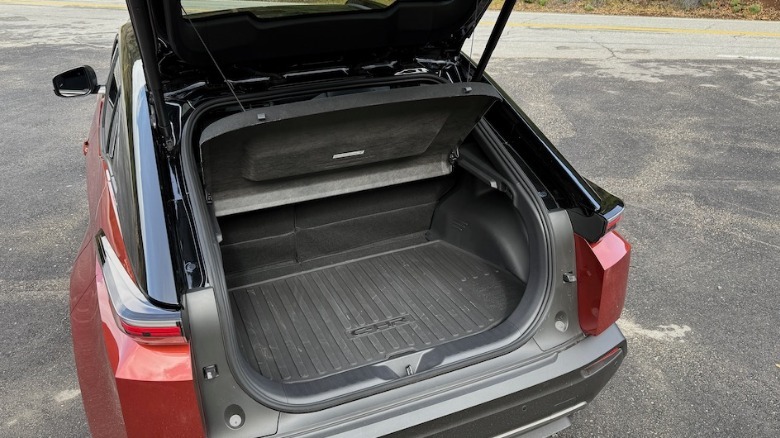
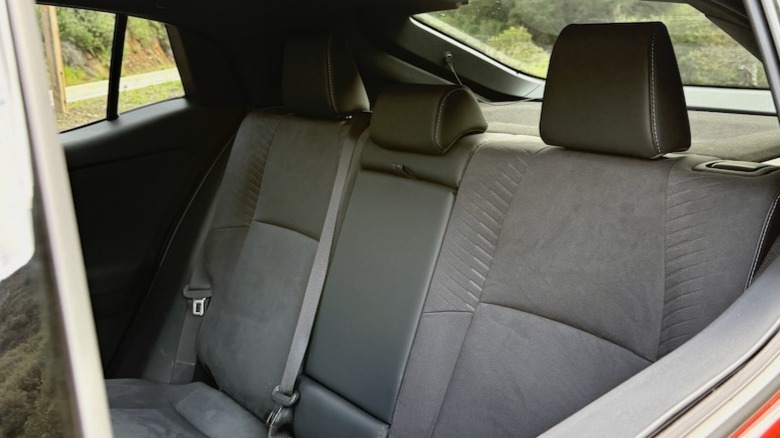
With the sloping rear roof, the C-HR is a bit difficult to load into if you're an adult climbing into the back seat. Once you're inside, though, there's enough headroom and legroom for most trips. With the second row occupied, the trunk has 25.3 cubic feet of space, and with the second row folded down, that space grows to 59.5 cubic feet of storage. Plenty of space for a few small suitcases.
 Travis Langness/SlashGear
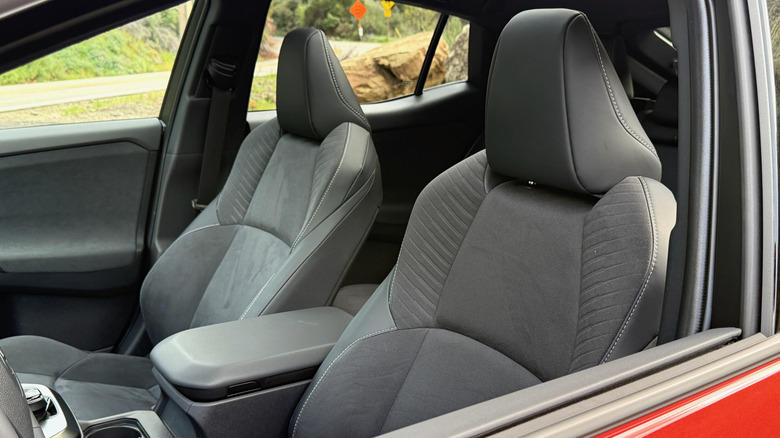
The faux-suede-esque seat fabric was a highlight of the interior for me. It looked and felt much better than some of the faux leathers that line many SUV interiors lately. The standard upholstery for the C-HR is a combination of fabric and SofTex, but the upper-trim XSE gets this combo of synthetic suede and SofTex instead, which is certainly worth the cost of entry. The 8-way power-adjustable seats were also pretty supportive and held me in place around the curvy bits of road I explored. The several-shades-of-gray interior color scheme wasn't exactly thrilling, but it didn't distract too much from the overall experience at this price point.
Pricing out the C-HR
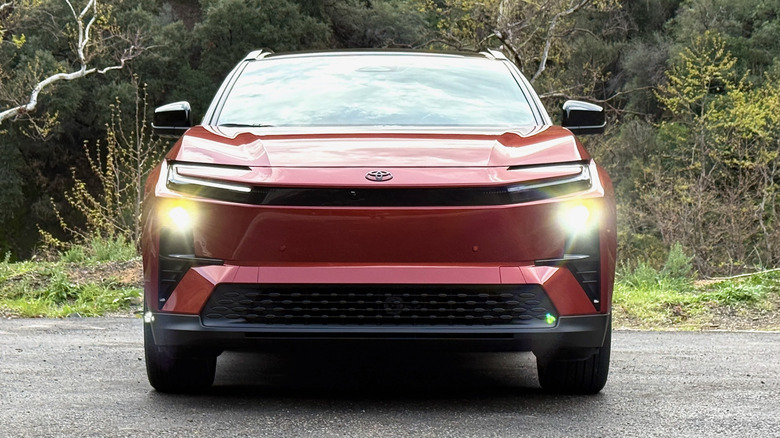
The C-HR has impressive standard equipment, a few optional extras on the top trim, and even more standalone options that help you choose your own adventure when it comes to comfort and convenience. The base SE starts at $38,450 (including $1,450 destination fee), while the top-trim XSE rises just a bit to a starting price of $40,050.
On the base SE, you get aforementioned features like the big 14-inch screen and the full 338-horsepower, along with heated front seats and dual-zone climate control. Adaptive cruise control, blind-spot monitoring, and lane-departure warning are all standard, too.
 Travis Langness/SlashGear
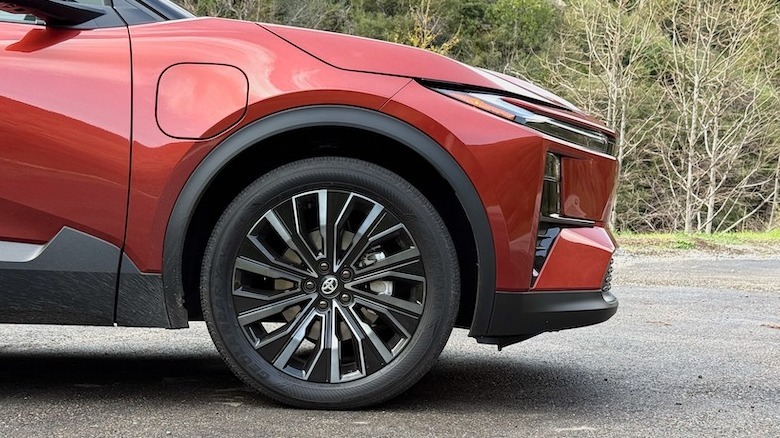
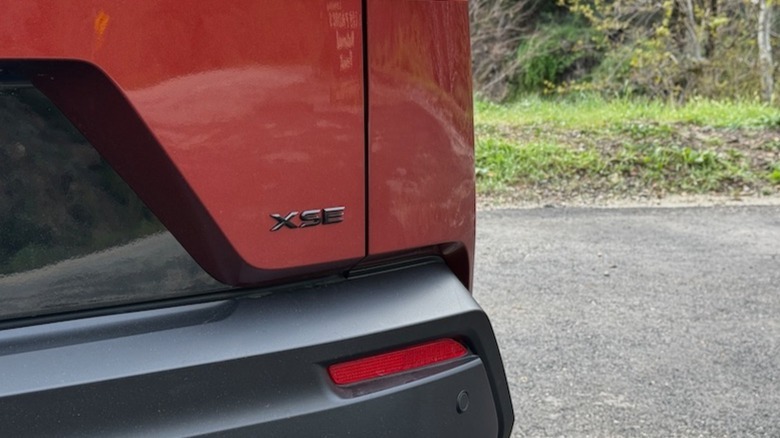
There's definitely some extra value in the XSE, though, which adds more standard features and access to standalone options. The XSE comes with the upgraded upholstery, 20-inch wheels, front and rear parking sensors, and lane-change assist. Plus, you can pick and choose from options like the upgraded stereo, heated rear seats, two-tone paint, and a panoramic sunroof. It's not a particularly luxurious vehicle, but the C-HR has all the basics covered.
2026 Toyota C-HR verdict
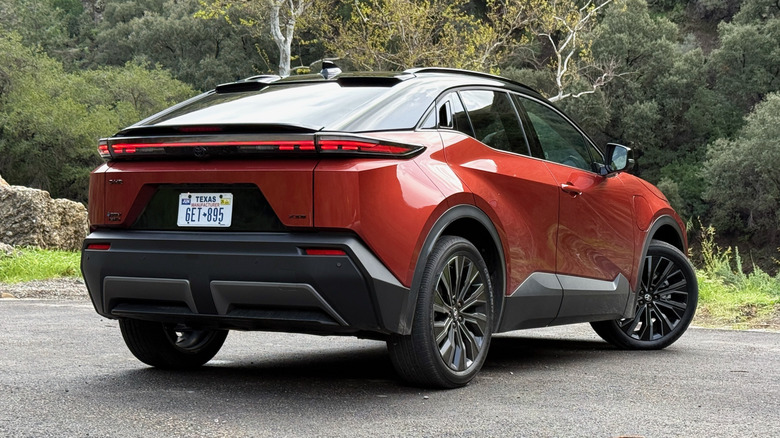
The new C-HR is a thoroughly fun vehicle to drive and a great addition to the compact EV segment; it goes well beyond the expectations set by any previous gasoline-powered versions that used the same name. The robust power and the impressive handling capabilities make it an EV SUV I'd be happy to live with. A short commute through any mountain pass with the C-HR would be an entertaining and comfortable way to get to work. The back seat is a bit limited in terms of legroom and headroom, so it's not the perfect family-mobile, but I'd have no problem putting a few friends back there for the occasional trip.
Considering its price, the C-HR does feel a bit underwhelming from a materials-quality perspective, but you're still getting a fair amount of equipment and performance for the money. If you want more range and you don't require all-wheel drive, Subaru also offers a front-wheel drive version of the Uncharted (the C-HR's twin) that starts at just $36,445. According to EPA estimates, the Uncharted will do over 300 miles on a single charge, but it's significantly less powerful, putting out just 221 hp. It's less dynamically impressive than the C-HR, but the newest Nissan Leaf should be considered too, especially by frugal shoppers.