

2027 Toyota Highlander EV First Look: 3 Rows, 2 Batteries, 1 Big Question
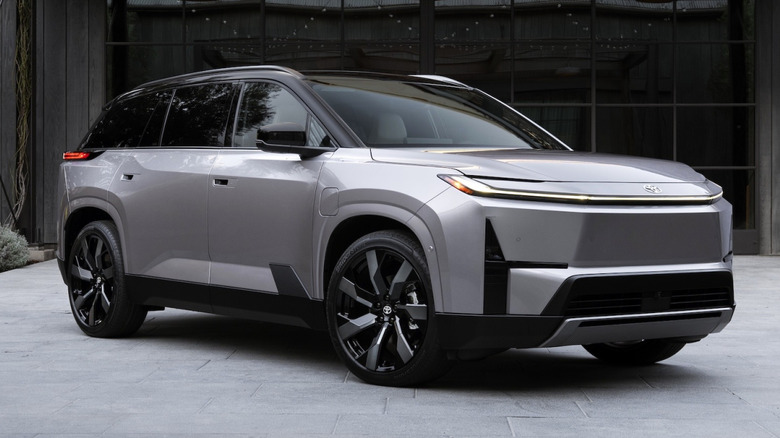
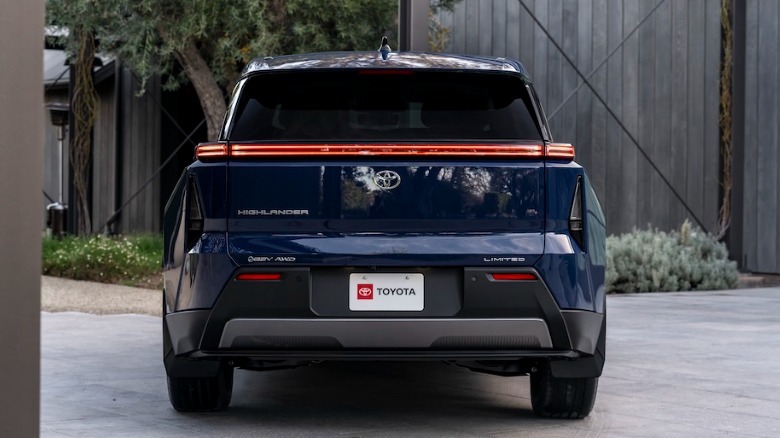
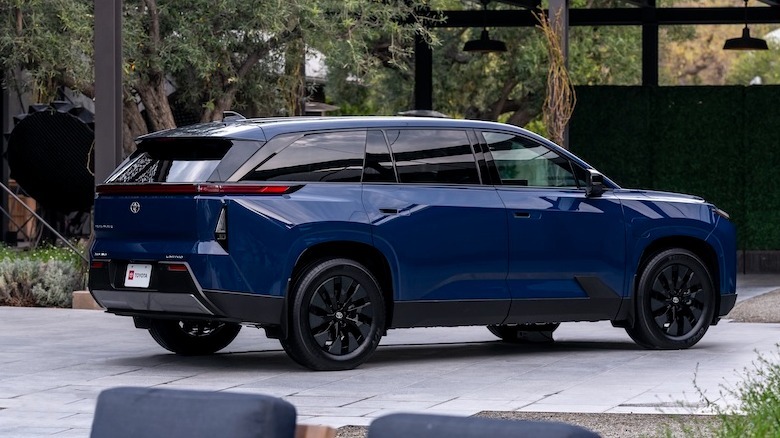
The Toyota Highlander is completely redesigned for 2027 with a fresh new look, but the changes go way beyond just the cosmetics: the Highlander has ditched internal combustion power, going fully electric for the first time ever in 2027.
Just a few years ago, Toyota announced plans to offer 30 battery electric vehicles by 2030, and this Highlander was likely a big part of that plan, but there's been a shift away from EVs in the United States in recent months. So, when you consider the unsteady position of all-electric vehicles, this is a relatively bold move.
 Toyota
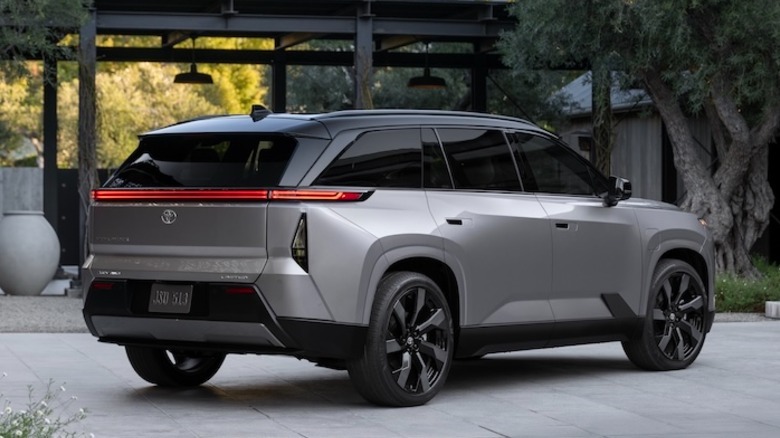
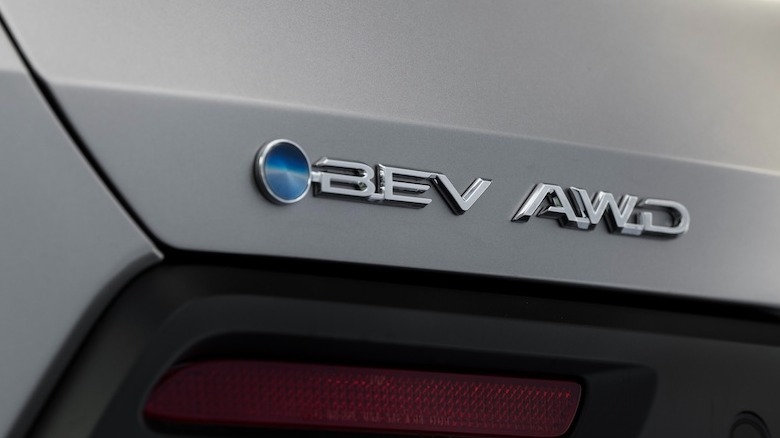
With the addition of an all-electric Highlander, there are now four full EVs in Toyota's lineup, but this is the first EV from the automaker to offer three rows of seating and a truly family-friendly layout. The new fifth-generation Highlander offers two batteries to choose from, one of which promises over 300 miles of range. There are also a number of standard driver aids, all the latest tech you'd expect from a modern Toyota, a real-deal third row, and decent cargo space.
 Toyota
It's a big shift for the Highlander, but one that could pay off. The three-row electric SUV segment is largely filled with expensive luxury options, and with the likelihood of new models being introduced to the class, a reasonably priced Toyota could attract a lot of attention.
Different batteries, power levels, and range
Depending on which trim level of the new Highlander you select, there are two different power ratings. The base XLE with front-wheel drive puts out 221 horsepower and 198 lb-ft of torque. The XLE with all-wheel drive and the top-trim Limited (which gets all-wheel drive as standard) both put out 338 hp and 323 lb-ft of torque. For a big family SUV, that's not exactly high-performance, but it's still adequate.
These power ratings come via two different battery sizes. The standard battery is a 77 kWh unit, while the Limited (and all-wheel-drive XLE models) get a larger 95.8 kWh battery. Here's how the range estimates break down: 287 miles on the base front-wheel drive XLE, 270 miles on the all-wheel drive XLE with the smaller battery, and an estimated 320 miles on a full charge with the larger 95.8 kWh battery, regardless of trim.
 Toyota
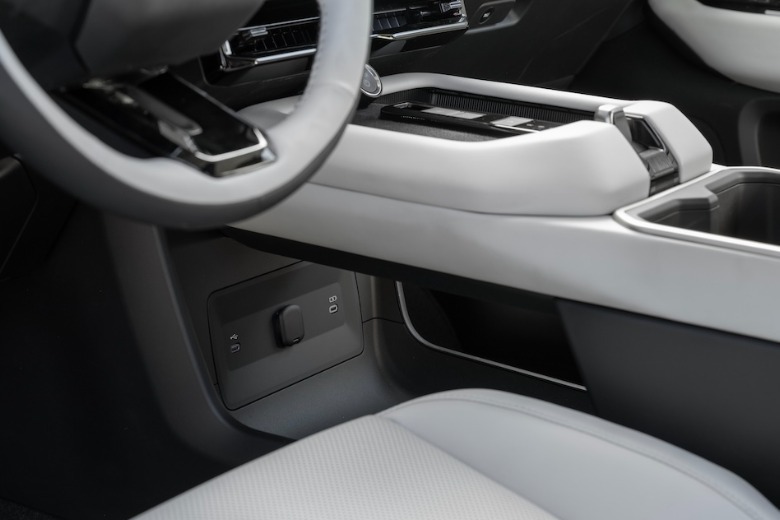
Like most EVs these days, the Highlander will use an NACS charging port, and–according to Toyota's estimates–on DC fast charging stations it will be able to go from 10 to 80% charge in "around" 30 minutes. For Level 2 charging at home there's an 11kW on-board charger, and the new Highlander will also have the ability to use its batteries to power external devices. Toyota says things like tailgate parties and appliances can be powered via bi-directional charging accessories, and the Highlander can even be used for backup power in the case of an at-home outage.
Breaking down the features
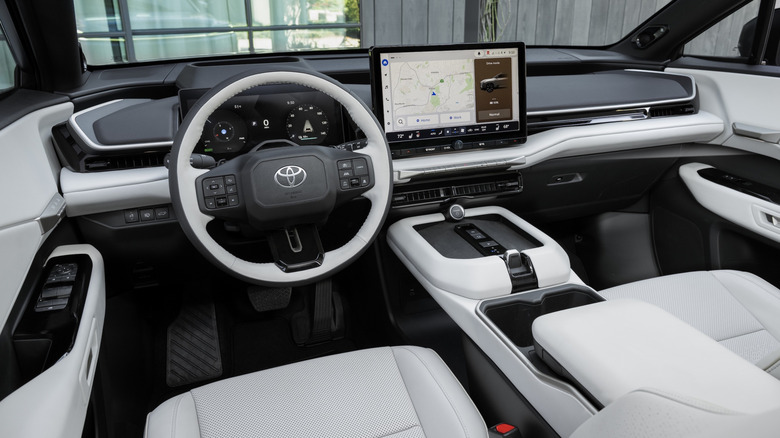
With only two trim levels available at its launch in late 2026, there isn't exactly a wide spread of features to list for the Highlander, but there's still a decent amount of equipment worth mentioning on even the base XLE model. Standard kit includes 19-inch wheels, a 14-inch center touchscreen, 12.3-inch driver display, wireless Apple CarPlay and Android Auto, heated front seats, and a 6-speaker stereo.
 Toyota
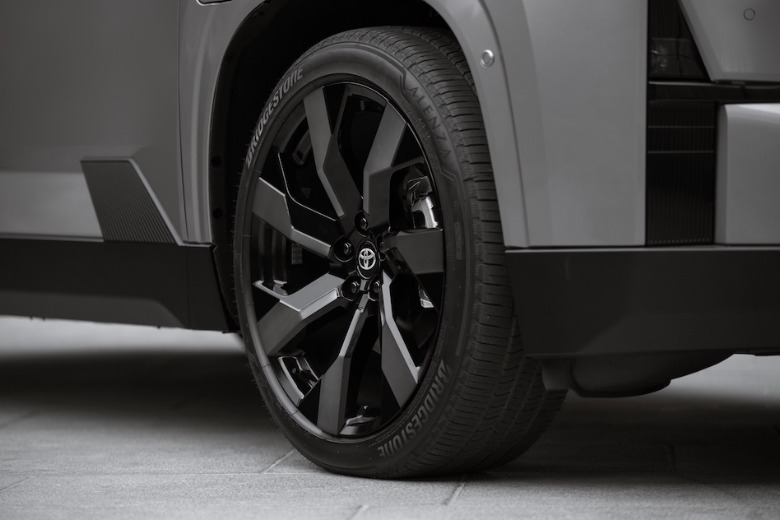
The XLE adds some creature comforts and tech upgrades like a head-up display, ventilated front seats, heated second-row seats, a 360-degree camera, and lane-change assist. Options? Sure, there are a few of those, too. Every trim has an available panoramic sunroof, while the all-wheel drive models can add an 11-speaker JBL stereo. The Limited trim is also available with two-tone paint and some stonkingly large 22-inch wheels.
 Toyota
Standard driver aids for every Highlander come as part of the Toyota Safety Sense (TSS 4.0) package. Blind spot monitoring, adaptive cruise control, lane-departure warning with steering assist, hill-start assist, and a tire-pressure monitoring system are all part of the package. There's also a built-in dash-cam style Drive Recorder that can save clips of accidents under certain circumstances.
Dimensions and space for passengers
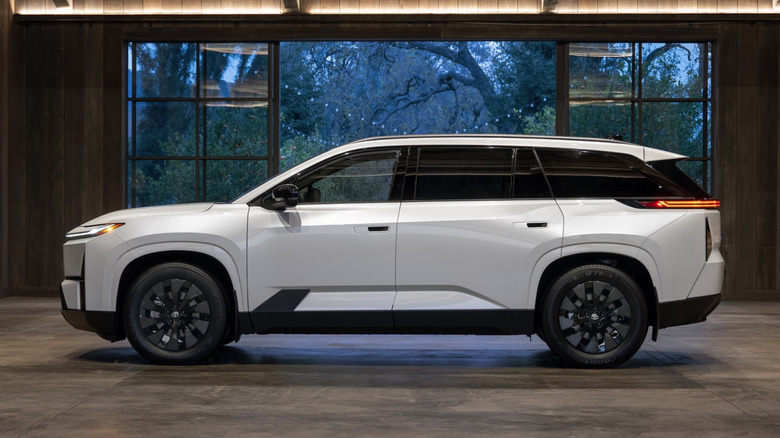
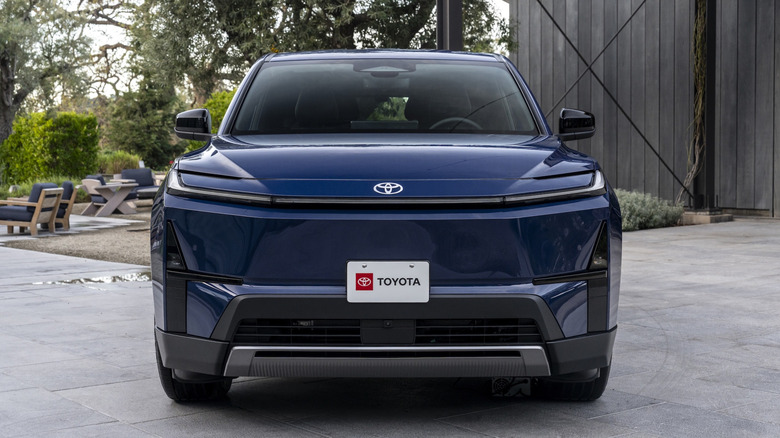
In the transition from internal combustion power to electric propulsion, the Highlander has grown a little bit. From nose to tail, the new 2027 Highlander is 198.8 inches long. That's about 4 inches longer than the current Highlander, 2 inches shorter than the current Grand Highlander, and 1.5 inches longer than the three-row Kia EV9. The new Highlander is also wider and lower than the current model, with a lower roofline, but with a much longer wheelbase.
 Toyota
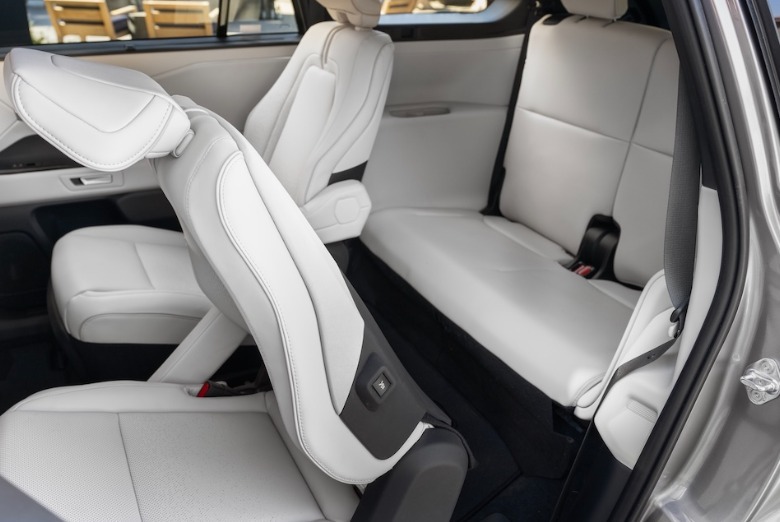
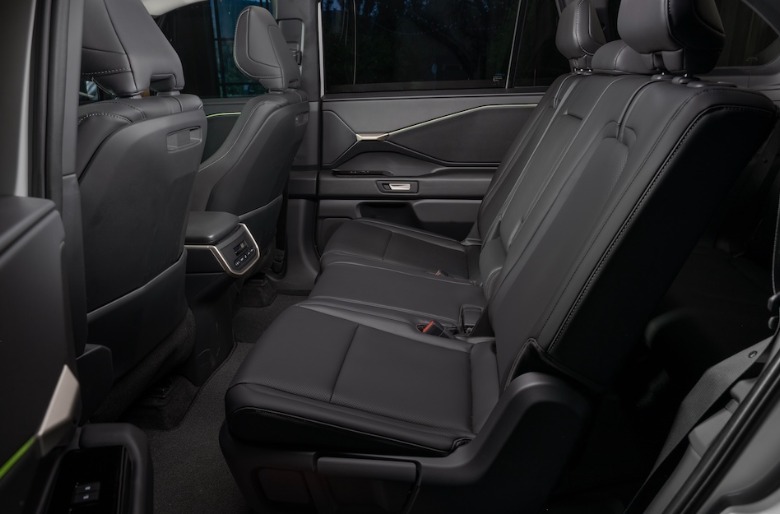
At 120.1 inches, the 2027 Highlander has about 8 inches of additional wheelbase compared to the old SUV, and side to side it's 2.3 inches wider. All of this translates into a wider and longer stance which should help improve handling, though Toyota hasn't revealed any data about the Highlander's suspension. Numbers aren't available yet on the legroom and headroom that the new Highlander provides, but it should be spacious enough for adults in all three rows (one of the reasons Toyota launched the Grand Highlander – which will continue to offer gas and hybrid (HEV) powertrains — in the first place).
 Toyota
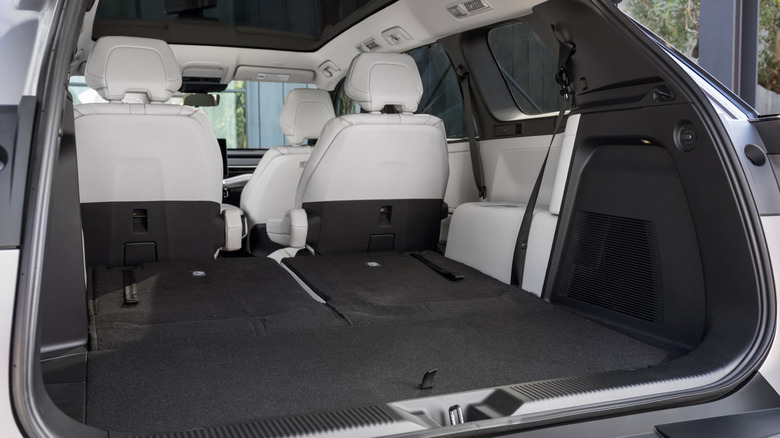
Cargo volume has dropped, ever-so-slightly compared to the outgoing Highlander, but even owners aren't likely to notice the difference. The new Highlander has 15.9 cubic feet of cargo space in the third row, while the old model had 16.0 cubic feet. Fold down the third row, and the difference is a bit more significant, with the old Highlander offering 48.4 cubes and the newest model offering a still-voluminous 45.6 cubic feet of space.
How much will the new electric Highlander cost?
It's big, has the updated tech you'd expect, and a decent range for its class, but how much will the new Highlander cost? Toyota hasn't released any pricing details for the new Highlander just yet, but we can speculate based on some rivals and on the pricing for Toyota's current offerings.
The current 2026 Highlander and Grand Highlander models range from around $43,000 on base trims, all the way up to $62,000 on top-of-the-line hybrid models. With the added cost associated with most EVs, it's likely that the 2027 Highlander will start somewhere north of $50k.
 Toyota
What will assuredly be one of the Highlander's key rivals, the Kia EV9, has a price range between $56,000 and $73,000. Nearly every other all-electric three-row SUV that's currently available comes from a luxury brand: examples like the Cadillac Vistiq, Rivian R1S, and Hyundai Ioniq 9 all offer premium three-row electric-powered transport. If the new 2027 Toyota Highlander can undercut those rivals while offering a relatively plush and refined driving experience, it should be competitive right out of the gate.