

5 Tiny Gadgets For Your Home That Produce Big Results
We may receive a commission on purchases made from links.
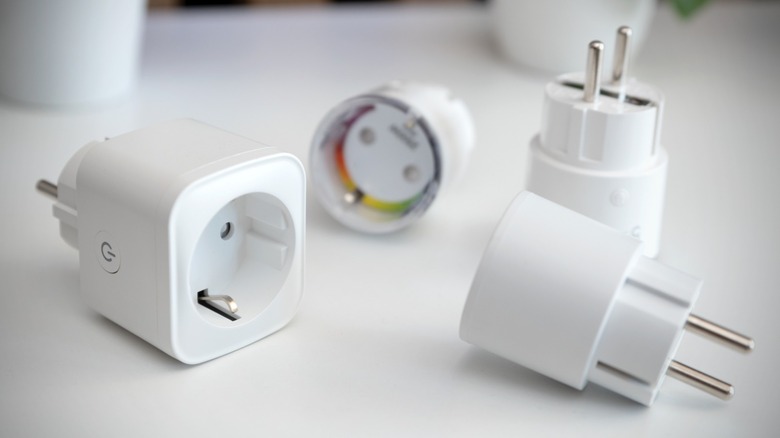
We often think of big and expensive appliances when we look for items that will improve our home life. And while refrigerators and smart vacuum robots have indeed made living in and maintaining a house so much easier, a lot of other little things can also deliver a big positive impact on everyone in your household. Although these gadgets may be small and pocketable, they produce big results like helping you stay safe, making your life simpler, and even saving you money in the long run.
There are a few smart devices on our list, especially as their programmability makes them quite versatile. However, we're also adding a couple of non-smart gadgets that would work straight out of the box. Aside from that, we're limiting the prices of these items to less than $60. That way, you don't need to spend a fortune just to add these tiny improvements to your abode.
Night lights with sensor
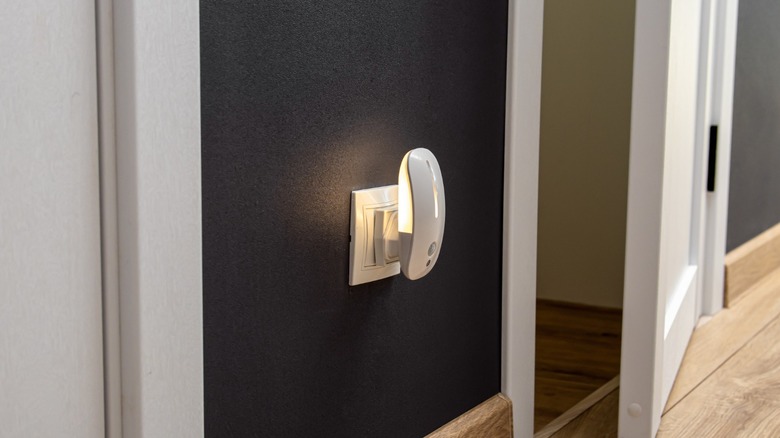
We're starting our list with something simple — a night light with either a light or motion sensor. These devices plug directly into an outlet and usually emit a soft, warm white light that's easy on the eyes. More importantly, they automatically switch on when the area turns dark, or, if you pick a model with a motion sensor, will only turn on when they sense movement in the dark.
This can be a game-changer as you don't need to turn on the lights and disturb everyone in the room when you need to get up in the middle of the night. It will also keep you safe, as you can see any obstacles around the area, ensuring that you won't stub your toe on furniture, slip on a toy left in the hallway, or fall down the stairs. You don't have to worry about setting up these lights if you buy them, as they're usually plug-and-play — no need to download an app, create an account, or connect them to Wi-Fi.
Another great thing about them is that they're pretty cheap. This GE LED Night Light only costs $7.32 on Amazon, and you get two of them in a single order. If you want one that comes with a motion sensor, you can choose the GE LED Motion Sensor Night Light model, which will set you back $21.24 on Amazon for a pack of two. Aside from being affordable options, these lights are quite popular and come with great reviews.
Smart remotes
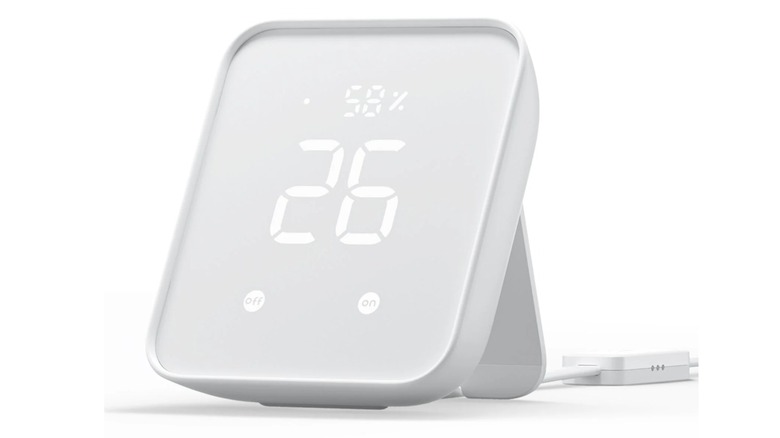
Even though there are already a lot of smart appliances on the market, they're often far more expensive than non-smart options that only come with an ordinary remote. But, instead of spending a fortune to upgrade your perfectly working HVAC unit with a smart one, you can just add a smart IR remote to your home. Besides "smartifying" your already existing appliances, it's also a great option if you live in a rental unit, making it a smart home gadget you can use to upgrade your apartment.
Some smart IR remotes also serve as a hub, allowing you to control multiple smart devices remotely, like smart plugs, smart switches, and smart locks. For example, I have a SwitchBot Hub 2 in my home that costs around $60, and while I primarily use it for controlling my SwitchBot Mini Robot Vacuum K10+ and other SwitchBot products, it also serves as a remote control for my living room TV and air conditioning unit. Aside from that, it's equipped with a thermometer and hygrometer, ensuring that it can monitor the climate on the ground floor of my house.
With those features, I've automated the temperature and humidity control in my home, ensuring that it always stays comfortable no matter how extreme the weather outside becomes. And when I leave my house or go to sleep, I can ensure that everything in the living room is turned off with one command, helping me save on electricity.
Smart plugs
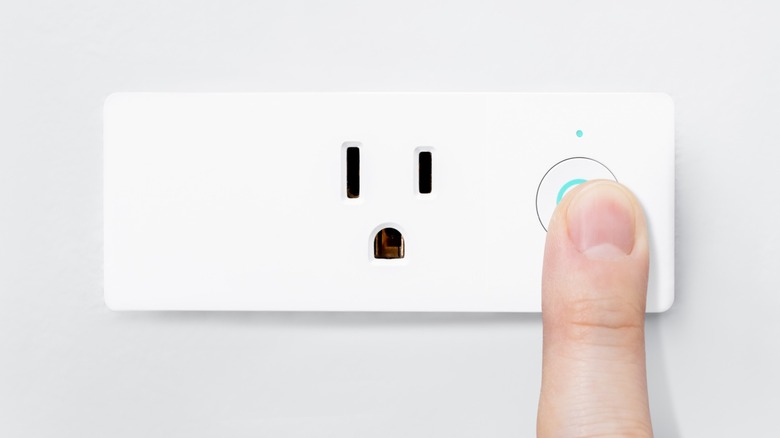
While smart remotes are useful for controlling non-smart devices, they only work with appliances that have an infrared remote receiver. For devices that do not have an IR remote, a smart plug is the way to go. While the only thing that a smart plug can offer you is power control (and maybe monitoring), it's sometimes all that you need to make your life convenient.
For example, all the floor lamps in the different rooms in my home are attached to smart plugs, which are then controlled by smart switches. That way, I just need to press one button, and the three lamps in my office turn on simultaneously.
You can also use a smart plug with an ordinary coffee maker — just prepare the machine the night before and then set the smart plug to switch on at a specific time or with your alarm, which will allow you to wake up to a hot cup of coffee first thing in the morning. There are a lot of smart plugs worth buying, and they're mostly affordable, with prices ranging from around $10 to $30.
USB rechargeable AA/AAA batteries
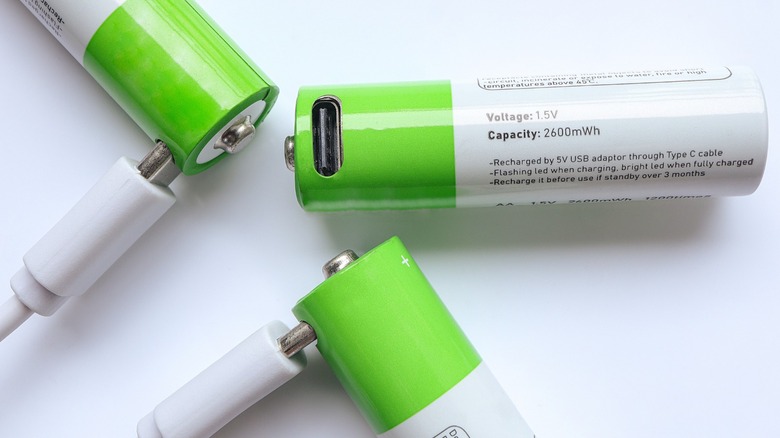
Even though a lot of our devices now come with built-in Li-ion batteries, you cannot deny that many electronic items in our homes, like remote controls, wall clocks, and even some smart locks, still use AA or AAA batteries. You can always buy disposable batteries from a nearby convenience store for your home, especially as they're often pretty cheap. However, the cost of regularly replacing them will add up in the long run, and you're also adding to e-waste every time you throw them away.
So, instead of that, consider purchasing USB rechargeable AA or AAA batteries, which have their own pros and cons. For one, they're a bit more expensive than disposable options, and they might even charge a bit more slowly than traditional rechargeable batteries that require a charging cradle. But on the flip side, this is a more cost-effective measure over time, especially for items that periodically need battery replacement. And because you can recharge them with a USB-C cable, you don't need to purchase a separate charger.
Wireless smart switch
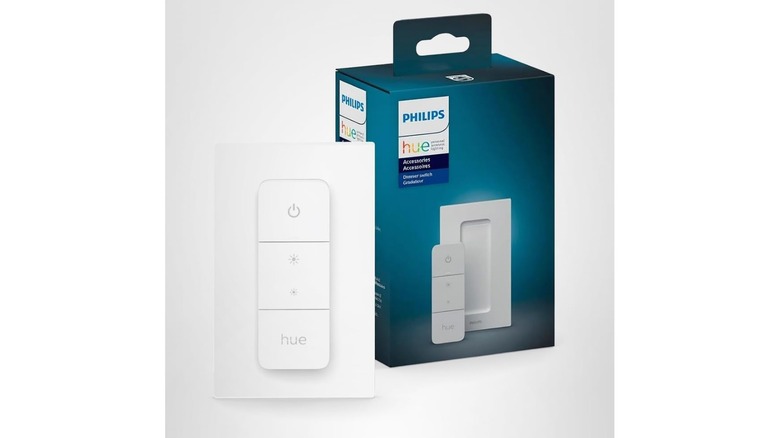
Smart switches are great options if you just want a reliable way to control your home's lights; however, they are permanent fixtures. This means you need to get a professional if you're not into DIY projects, and you cannot install them at all if you live in a rented home and you're not allowed to make any changes. On the other hand, smart bulbs will give you a similar functionality, but they can be a bit more finicky to control, and you lose the smart benefits if someone accidentally turns off their switch. That's why there's a debate about whether a smart bulb or a smart switch is more cost-effective.
If you opted for smart bulbs, you have to use your voice and a smart speaker or your phone app to control them. While that is a doable solution, it can get inconvenient at times. Thankfully, you can solve that by installing a wireless smart switch. These little buttons connect wirelessly to your smart home network, and they're either powered by a AAA or button battery. You can then program them in your smart home app to control one or several lights, acting as a physical switch for smart bulbs, smart plugs, and even other smart switches.
I have several wireless smart switches (sometimes called smart buttons to avoid confusion with in-wall smart switches) in my home to help me control the various lamps and lights I have per room. They're pretty cheap, too, starting at just around $10 a piece. You have to ensure, though, that the smart button you're getting is compatible with the rest of your smart home, as some of them only work within their own ecosystem, like the Philips Hue Wireless Smart Light Switch, which requires a Philips Hue Bridge to work.
Why I recommend these tiny gadgets
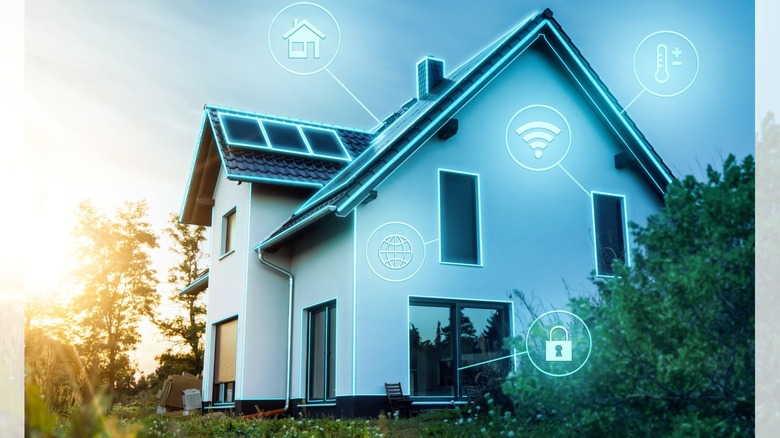
I chose these items based on my experience in running and maintaining my own home. I've also set up my own smart home that allowed me to make the most out of the gadgets that I bought for my house. As for specific product recommendations, I chose them because I've either personally owned them or they've been recommended by other SlashGear writers (except for the night lights, which I've based on the Amazon reviews).