

4 Samsung Galaxy S26 Ultra Camera Upgrades That Need To Happen
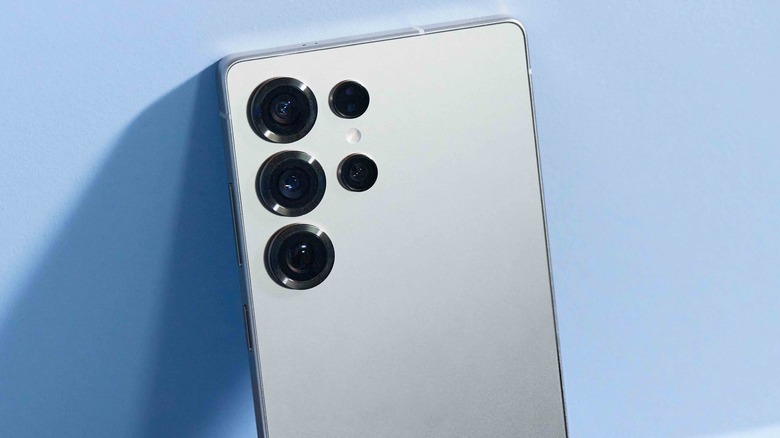
It's the start of the year, and that means new Android flagships are hitting the shelves, though the race hasn't quite reached the U.S. shores yet. Xiaomi and Vivo have unveiled their camera-centric warriors, but all eyes will be on the upcoming Samsung Galaxy S26 Ultra. Samsung's Ultra phones set new standards in the early days, but competition from the East has pushed the envelope in recent years. Even Google and Apple are going all-in on their cameras with hardware and software advancements.
The situation is pretty dire for Samsung from a competitive perspective, even though the Galaxy S25 Ultra is not a bad camera phone by any stretch of the imagination. If you look at the camera performance rankings compiled by DxOMark, Samsung is not even in the top 20. Apple makes multiple appearances, and so does Google. The rest of the places are occupied by the likes of Oppo, Vivo, and Xiaomi. So, where does that leave Samsung?
Well, one can argue that camera tests are subjective, but that's not the whole picture. I've tested every single Samsung Ultra phone since the Galaxy S20 Ultra came out, and I can confidently say that Samsung has lost its imaging edge to the competition. It's quite odd, since Samsung has more control over the camera stack of its Galaxy S Ultra phones compared to any other brand on the planet. The company has been producing a wide array of ISOCELL series camera sensors for years, and makes its own signal processing hardware, too. The Galaxy S26 Ultra could revive Samsung's fortunes, though, if it were to make the following camera tweaks.
A bigger sensor
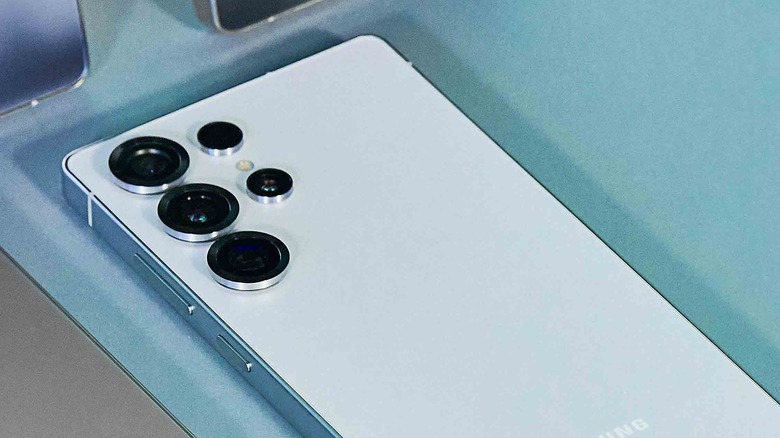
The Galaxy S25 Ultra is the most expensive camera-centric phone sold in the U.S., eclipsing even Google and Apple. And yet, it didn't offer any camera breakthroughs, nor did it emerge as a clear-cut winner. On the other side of the pond, brands such as Xiaomi and Oppo delivered astounding results with a few ambitious camera decisions, including the use of 1-inch sensors on the 17 Ultra and Find X8 Ultra, respectively.
So, what's the core benefit of a larger sensor, instead of simply boosting the resolution? A bigger sensor features more photosites, which lets the sensor capture more light. This translates to a better signal capture per receptor for each exposure without having to amplify the signal by boosting the ISO. This results in a more pristine signal and a more natural and detailed picture with less noise. The benefits are especially noticeable in low light.
Now, fitting a 1-inch sensor is not only expensive, but it also requires more space. As a result, the camera hump must be bigger. But the difference in image quality is easily noticeable. The Oppo Find X8 Ultra, which came equipped with a 1-inch sensor, was my favorite phone of 2025. It captured the most detailed and vibrant pictures that I've ever achieved. The phone's night photography performance took me by surprise, and it easily dethroned Google's Pixel phones. The Oppo Find X8 Ultra's main camera sensor achieved all that at a 50-megapixel sensor resolution. For the Galaxy S26 Ultra, Samsung needs to level up its game by adopting a 1-inch sensor and giving it the signature color processing that its Galaxy S phones are known for.
Step up the zoom game
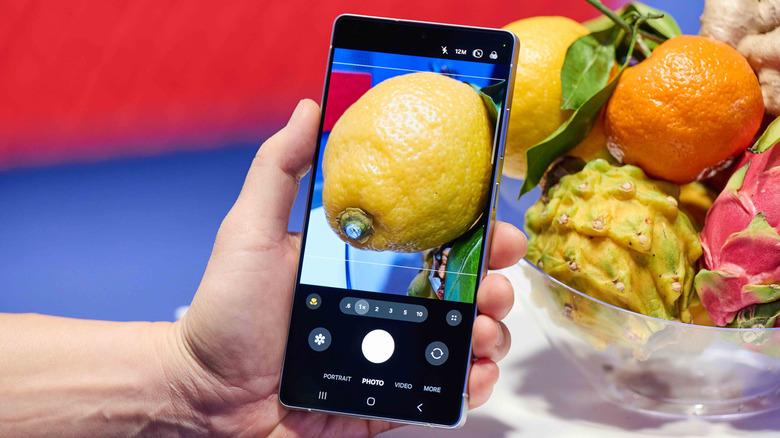
Back in 2020, the Galaxy S20 Ultra was one of the first phones to offer 100x zoom. It had a folded lens zoom system on a 48-megapixel sensor capable of 4x optical, 10x hybrid, and 100x digital zoom. Over time, Samsung raised the bar to 5x optical zoom. But the competition quickly surpassed Samsung. Take, for example, the Oppo Find X8 Ultra, which came equipped with not one, but two periscope zoom cameras. Each telephoto camera relied on a 50-megapixel camera sensor, while Samsung limited the secondary camera on the Galaxy S25 Ultra to a meager 10-megapixel resolution.
The Oppo rival, meanwhile, also raised the bar for optical zoom capture to 6x, with the digital zoom hitting 120x magnification. Now, one can argue that digital zoom is terrible, but Oppo's implementation of AI-assisted pixel reconstruction and the excellent hardware-level sensor stabilization ensured that even long-range shots turned out noticeably better than what Samsung's phones can accomplish. Additionally, these zoom cameras on the Oppo Find X8 Ultra helped capture the sharpest and most accurate long-range portraits that I've ever achieved on a smartphone.
Samsung needs to make a statement with the Galaxy S26 Ultra by focusing on the one crucial aspect that made the "Ultra" a hot favorite among enthusiasts. The best way to achieve this would be for a dual-periscope telephoto camera layout. Alternatively, the company can draw inspiration from the Huawei Pura 80 Ultra, which delivers an astounding 9.4x optical zoom on a 12.5-megapixel sensor. Either way, the Galaxy S26 Ultra can't simply retain the same zoom camera hardware as its predecessor and hope that algorithmic tuning can create some magical results out of thin air.
Play to its strengths
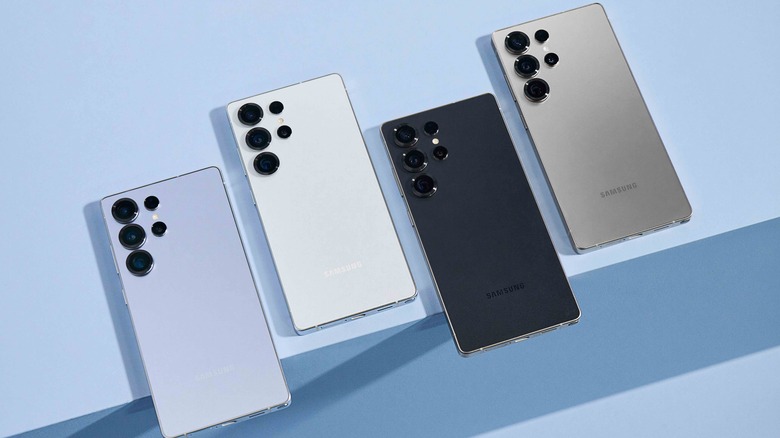
Based on leaked renders, it seems the Galaxy S26 Ultra will have the same basic design as the Galaxy S25 Ultra. While that's not necessarily a bad thing, it means that the phone's zoom camera or the periscope telephoto lens tunnel likely hasn't been upgraded. Otherwise, the camera lens layout would be different, and the hump would be much bigger, as well. That leaves us with one plausible upgrade scenario — a higher-resolution sensor. Now, Samsung is no stranger to big sensors. In fact, it was among the first to exceed 100 megapixels, and then stepped up to the 200-megapixel mark, as well.
And yet, those developments are yet to bear fruit on its flagship smartphones. The competition, on the other hand, has evolved. The Xiaomi 17 Ultra, which launched late December 2025 in China, features a 200-megapixel zoom camera paired with folded lens periscope optics. I am currently testing the Vivo X300 Pro, which also has a 200-megapixel ZEISS APO telephoto camera with periscope optics. It can even capture live burst shots at 20x range. The results speak for themselves.
In my side-by-side comparison with the iPhone 17 Pro — which features a 48-megapixel zoom camera — the Vivo X300 produces long-range pictures with noticeably higher levels of detail and texture. It takes better photos across a wider zoom range than the Apple flagship, with less noise and fuzziness in the pictures. I dearly hope that Samsung adopts a 200-megapixel zoom camera on the Galaxy S26 Ultra. The company, interestingly, has the recipe at its fingertips. Back in October, Samsung introduced the ISOCELL HP5, a 200-megapixel sensor featuring 0.5-micron pixels that is tailor-made for zoom camera modules.
Embrace AI or go artsy
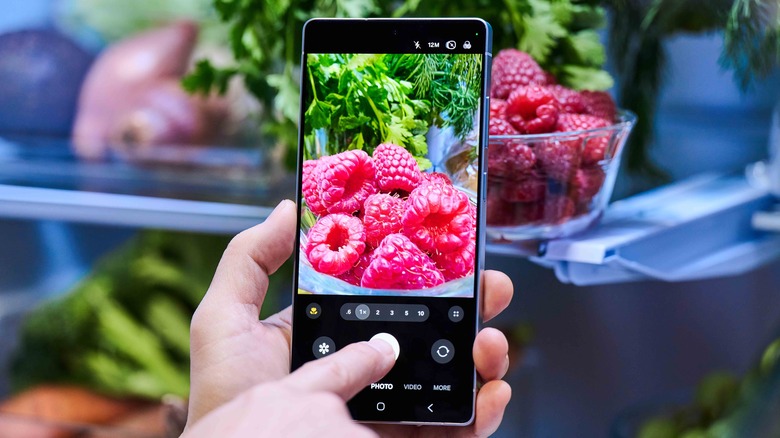
Over the course of 2025, I noticed two major smartphone camera trends. AI became the focus (despite plenty of valid skepticism), and artistic filters gained more attention. Samsung, unfortunately, didn't excel at either. Google's Pixel 10 Pro is arguably the most AI-focused phone out there, and that's visible in the camera experience too. Features such as Camera Coach, Add Me, and Magic Eraser rely heavily on AI, but the feature that impressed me the most is Pro Res Zoom.
Pro Res Zoom kicks into action beyond the optical zoom range and uses AI to ensure you get terrific pictures even at 80-100x magnification. At this range, most phones rely on overprocessing to handle noise and details. The Pixel 10 Pro offloads the process of pixel-level reconstruction to the cloud. As a result, you need an internet connection (and some patience) to see the final results. But they're well worth the wait.
Another approach that smartphone makers have taken recently is partnerships with legacy camera labels such as Zeiss, Leica, and Hasselblad. Beyond the tuning, these partnerships have also spawned a healthy few filters and image presets that inject new life into even the most mundane frames. The Zeiss portrait filters and film effects for videos on the Vivo X300 Pro have produced some exquisite memories for me. Now, Samsung hasn't engaged in such partnerships lately, but it can certainly offer its own take that gives more versatile capture options to users, instead of forcing them to work with editing apps. Apps like VSCO Capture and Adobe Project Indigo are terrific learning materials for Samsung to draw some inspiration from and level up the camera experience on Galaxy S26 Ultra this year.