

6 Of The Worst Engine Recalls In 2025 (And How Many Vehicles Were Affected)
This last year has seen some pretty significant engine recalls from many of the nation's top automakers. All in all, the numbers reach into the millions. And whether the cause of the recall be a full-fledged federal investigation or a concerning number of consumer complaints, it might feel like no car engine is truly safe... No matter the manufacturer, the brand name, or the price tag, either.
As these recalls continue to unfold (and they no doubt will), owners may be left wondering what the big picture looks like for the past year as a whole. That's why we've put together a clear look at 2025's most significant engine-related recalls. From General Motors to Nissan to Ford and others in between, let's take a look at the all automakers involved, the total number of cars affected, and what vehicle owners can expect next as manufacturers work to tackle these major engine issues.
General Motors hit over 700,000 vehicles recalls this April
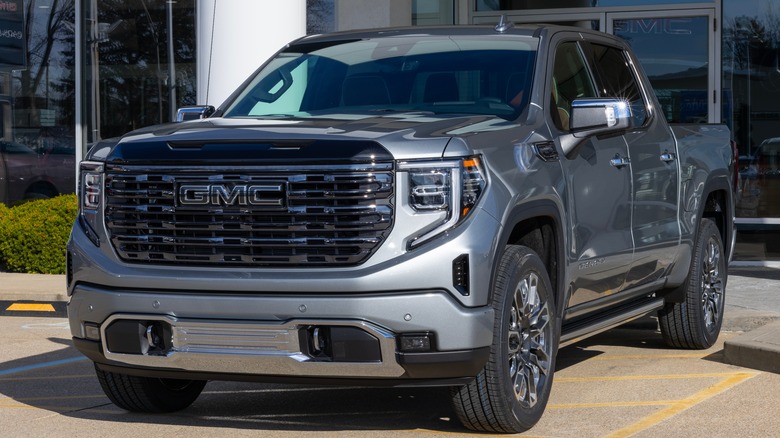
First, there was that major 721,000-vehicle recall from General Motors back in April. The affected trucks and SUVs were suspected to have an issue with the connecting rod and crankshaft that could result in a dangerous loss of power to the engine while driving. The recall covered 2021 through 2024 Cadillac Escalade and Escalade ESVs, Chevrolet Silverado 1500s, Suburbans, and Tahoes, as well as the GMC Sierra 1500, Yukon, and Yukon XL. Essentially, many of the brand's trucks and SUVs with 6.2-liter V8 gas engines.
GM asked that drivers bring their vehicles into the dealership, where cars that pass inspection would be serviced with higher-viscosity oil (including a new fill cap and replacement filter). The company linked 12 crashes and 12 injuries in the United States to the defect, so if your car's included, it's definitely something to take seriously if you haven't already.
Nissan recalled 480,000 vehicles in August
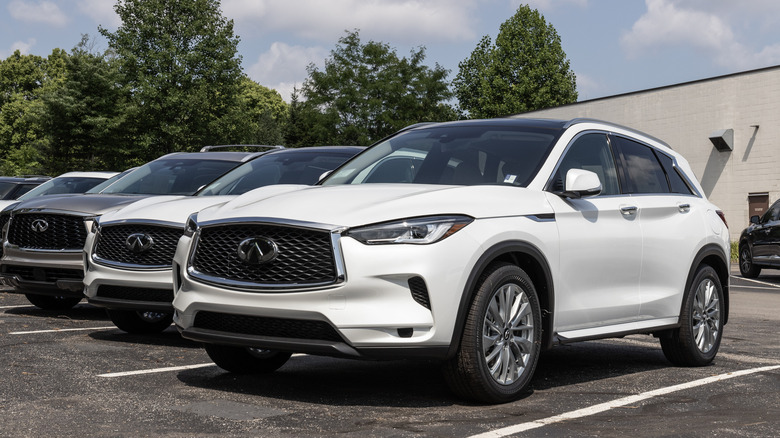
Over the summer, Nissan recalled more than 480,000 vehicles across the United States and Canada for engine bearing failures. The recall included multiple models with 1.5-liter or 2.0-liter variable-compression turbo engines: 2019-2020 Altimas, 2019-2022 Infiniti QX50s, 2021-2024 Rogues, and the 2022 Infiniti QX55. (This was followed by an additional October recall of 170,000 Nissan vehicles for a fuel pump fuse issue.)
More specifically, the engine bearings in these vehicles were suspected to contain manufacturing defects that caused them to wear down prematurely and potentially lead to engine failure. This kind of failure is one that typically develops gradually, so drivers should have plenty of early warning signs such as abnormal engine noise or rough driving in addition to the standard check engine light.
Once you bring the vehicle in, dealers will take a look at the engine oil pan for any metal debris and repair or replace the engine if needed. If no debris is found, technicians will simply perform some model-specific service (like replacing the oil pan gasket and engine oil or reprogramming the engine control module).
Ford had multiple major engine recalls this year
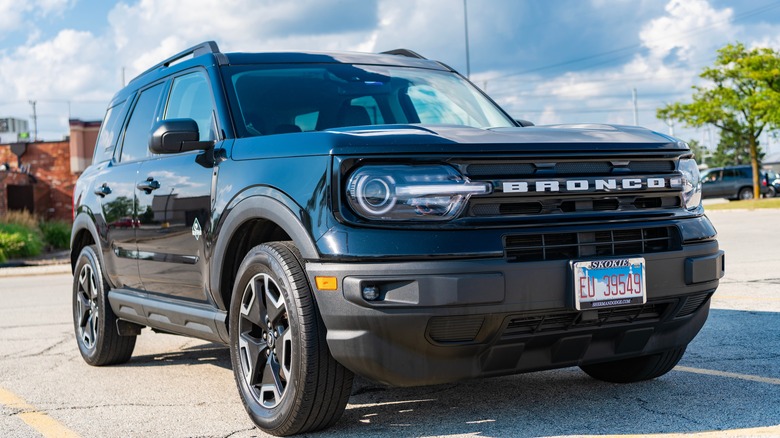
Ford experienced one of the most recall-heavy years of any automaker in recent history. In October, the company announced a recall of 59,006 U.S. vehicles that had faulty engine block heaters with the potential to crack, leak coolant, and short-circuit. (That's a major fire risk.) Impacted vehicles included certain Lincoln MKCs, Explorers, Fusions, Bronco Sports and Maverick models. Thankfully, Ford said it was not aware of any accidents or injuries related to this defect.
But earlier this year, back in mid-July, Ford had already gone and recalled 694,271 Bronco Sport and Escape SUVs for a cracked fuel injector that could leak and increase the risk of an engine fire. This recall applied to 2021-2024 Bronco Sport models and 2020-2022 Escapes equipped with 1.5-liter EcoBoost "Dragon" engines. Ford said it had not yet come up with a permanent fix, but dealers were told to install updated engine-control software to better detect cracked injectors, disable the high-pressure fuel pump, and reduce engine temperatures if there was a leak detected.
Honda recalled over 294,000 vehicles in January
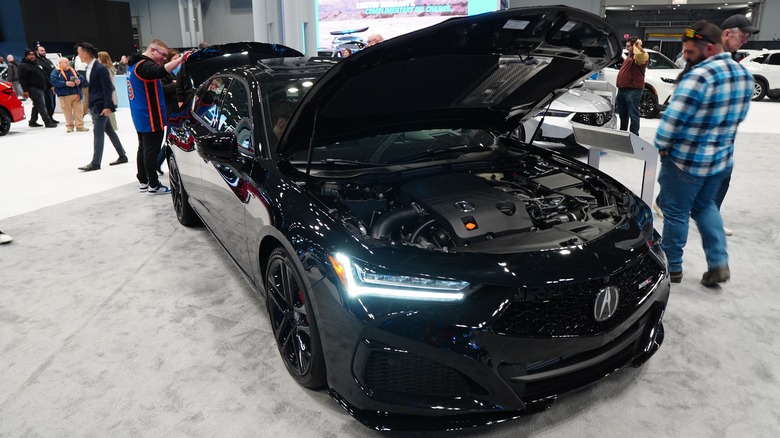
Through its Acura brand, Honda had to recall 294,612 vehicles back in January because of a software error that was causing engines to stall. The recall covered 2022-2025 Acura MDX Type S models, 2023-2025 Honda Pilots, and 2021-2025 Acura TLX Type S models. Luckily, all drivers had to do was come into the dealership and get a software update to take care of the issue.
The recall came after a major federal investigation into possible rod-bearing failures in more than 1.4 million Hondas built between 2016 and 2020. However, Honda made it clear (for the sake of their reputation) that the January recall was unrelated to the investigation and stemmed strictly from a software issue, not a hardware failure. Still, the fact remains: At the time of the recall, Honda was also actively involved in two other recalls: 1.7 million vehicles had potential steering issues and another 700,000 had potential fuel-pump problems.
Jeep just recalled 113,000 vehicles to close out the year
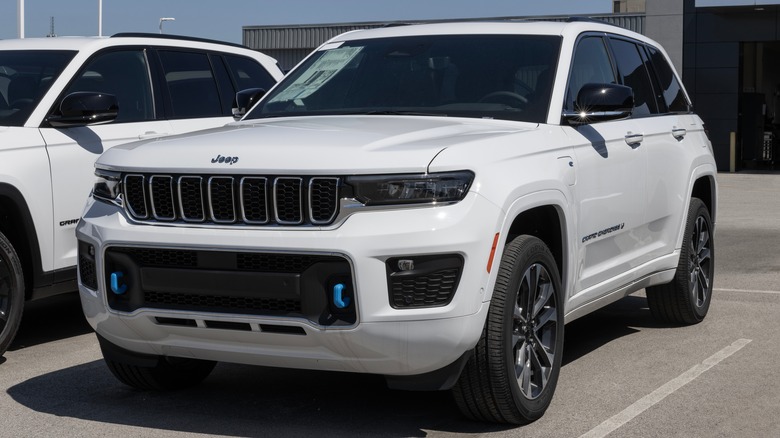
Jeep is ending 2025 with a recall affecting nearly 113,000 vehicles in the United States. This comes after reports that some Jeep engines may have been contaminated with sand during manufacturing. The recall covers 112,859 Wrangler 4xes (model years 2024 and 2025) and Grand Cherokee 4xes (model years 2023-2025). Essentially, 4xe plug-in hybrid Jeep models with 2.0-liter engines produced in Mexico between June 7, 2023 and March 4, 2025.
The contamination likely came from the engine-casting process, and it could cause internal wear, create knocking noises, or trigger a check engine light (if not an outright engine failure). In the most severe cases, it could even lead to loss of propulsion or vehicle fires. A fix is still being worked on, but Jeep plans to let all affected owners know by late December.
As we head into 2026, federal investigators will no doubt continue to monitor several of these engine defects. Likewise, automakers will keep working through repair backlogs as replacement parts and software updates become available. For drivers, it's important to keep checking recall notices and schedule any necessary dealer appointments right away if you pick up on any warning signs.