

7 Common Problems With Tankless Water Heaters (And Fixes To Try)
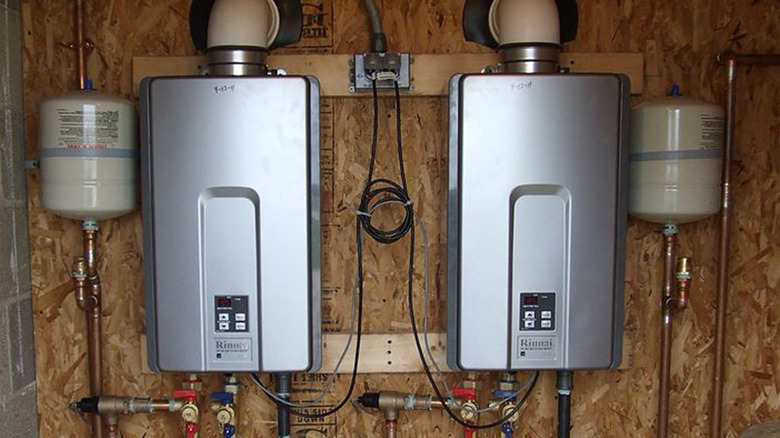
Tankless water heaters come with all sorts of benefits. You get on-demand hot water at a continuous rate, as opposed to standard water heaters, which can run out of hot water if used too long. They're also more efficient, generally smaller, and come with a reduced risk of bursting and flooding your space. They even tend to last longer, going the distance for up to two decades versus the 10 years or so for standard water heaters. So, that means the choice is obvious, right?
Well, like any appliance, tankless water heaters have their share of problems. They cost more to install and more to maintain, and they have flow rate limitations, since they can only heat so much water at once. They're also not immune to breaking down or having a problem. The problems are different than a standard water heater, but they do exist and in a frustrating twist, the symptoms of any given break can be indicative of a number of problems.
Tankless water heaters still have common problems, and learning how to identify and fix those problems is part of the ownership experience. If you're thinking of buying one or you have one and it's having problems, here are some of the most common problems with tankless water heaters, the potential symptoms of those problems, and some potential solutions.
Mineral scale buildup
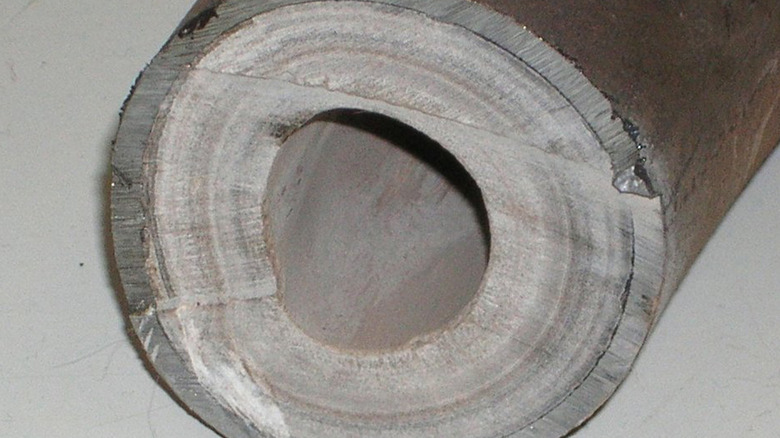
Anything that has house water running through it is subject to scale buildup. This is true of everything from washing machines to water heaters, and that's saying nothing of what hard water can do to those systems. Tankless water heaters can suffer performance woes if the minerals and buildup become too much. Symptoms of buildup can vary, but usually include poor water flow and inconsistent water temperatures. These are symptoms of many different problems, but scale buildup is a very common issue, so it should be the first thing you check for.
It should be pretty easy to figure out if your machine is suffering from scale buildup. It'll be covered in residue that's usually white and all you really have to do to fix this problem is clean it. You have a couple of different choices here, but the method is the same regardless. Turn off your power source, shut off the main gas line if it's a gas water heater, and turn off the water valves. From there, drain the water and pour a bunch of regular household white vinegar through the machine. Vinegar is great for this sort of thing, and it's also safe for humans.
Once done, reconnect everything and give it a try to see if your symptoms go away. Scale buildup is a problem with all water fixtures in a home, so if your tankless water heater has it, chances are other things to do and it's worth giving them a clean with that same vinegar.
Your tankless water heater is too small
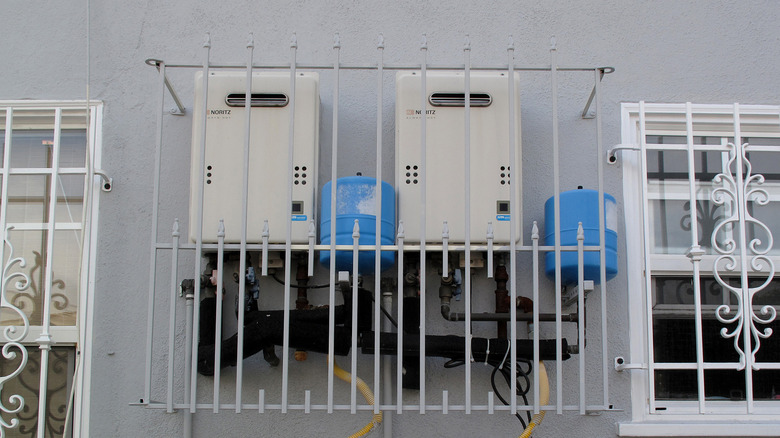
Installing a tankless water heater is a game of inches. All tankless water heaters have a rated amount of water that you can heat and push through them at once. It's measured in gallons per minute, or GPM. Most manufacturers recommend over-sizing for your needs so you'll always have hot water, but if you mess up and install one that's too small, you're going to have problems. Symptoms of your water heater being too small include inconsistent water temperatures, getting lukewarm or cold water, or inconsistent flow rates. If the problem is bad enough, it may even throw an error code.
There are only two solutions to this problem. The first and most obvious one is getting a larger, more capable tankless water heater. This is expensive and intrusive but that's the most straightforward solution. A second solution is to install a second tankless water heater to augment the first one, which is equally expensive. A third potential solution is just being careful not to run too many water fixtures at once so that it doesn't overload.
Another thing to consider is that tankless water heaters are less efficient in the winter. Water coming into the house is colder and that means tankless water heaters have to work harder to warm it up. This can reduce your effective GPM, causing an overload problem in the winter that it normally wouldn't have in the summer. If your problem is seasonal, this might be why.
Ignition and flame failures
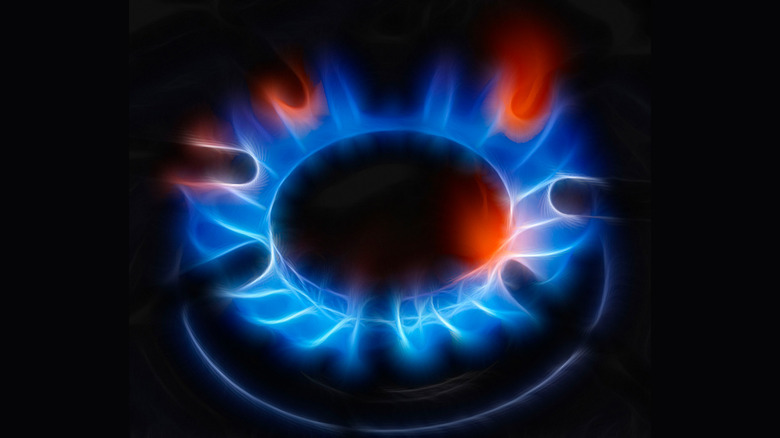
Tankless water heaters have advantages over traditional water heaters, but both are often powered by the same thing: natural gas. That means you have an ignition and flame system to look after just like you do with a regular water heater. This system can mess up, sometimes manifesting as an ignition system that fails to start or fails to keep the flame lit after it's started.
The symptoms of this problem are most likely error codes, as this is a pretty severe failure. All the tankless water heaters we looked at list it as one of the first error codes in the manual. You can also check yourself to see if it's firing up, but do keep in mind that most modern gas appliances don't use pilot lights anymore. Should the error codes not catch it, the physical symptoms are simply that you won't get any hot water at all.
Problems with these systems is usually caused by standard wear and tear, soot, bad gas pressure, a partially closed gas valve, or obstructed venting. We'll talk about that last one again here shortly, but other than making sure that your gas valve is all the way open, the rest are fairly complicated fixes. Thus, it's recommended to hire a tech to come fix it for you. Natural gas and carbon monoxide are nothing to trifle with.
Clogged vents cause problems
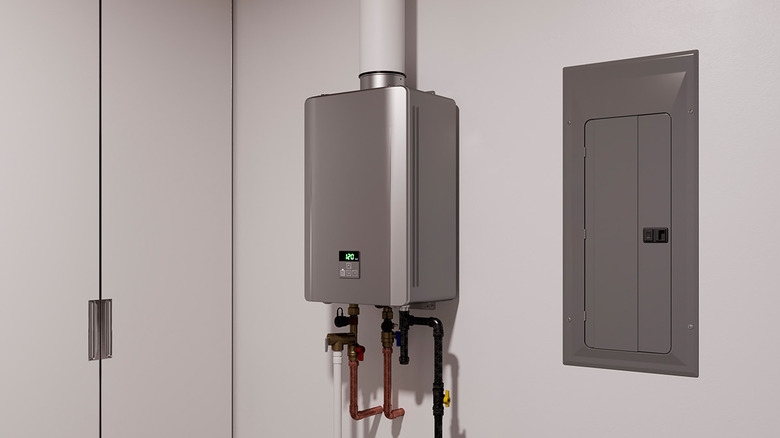
Tankless water heaters need to vent exhaust, just like any other gas-powered appliance. Improperly functioning units can also burn natural gas incompletely, causing carbon monoxide buildup. So, you'll want to make sure the vent system is working properly for both functional and safety reasons.
If the venting system is obstructed, it can cause a few different problems. First and foremost is the flame system malfunctioning and having the flame going out, resulting in cold water and error codes. The vent may only be partially clogged, which can still impact performance, causing worse efficiency, condensation on the machine, or even occasional shutdowns. The solution is simple enough — remove the obstructions and clean the vent system. From personal experience, I can attest that this is easier said than done, however, since venting usually runs through walls and floors, making it a nuisance to clean.
This is another thing you probably want a professional to do. They have specialized tools and methods to clean the entire vent and fix issues that may have led to the blockage in the first place, like water getting into the vent system. Since many of these terminate on roofs, a blockage can be caused by soot, tree limbs, leaves, or even water. Getting these intrusions out of your system can improve the functionality of your tankless water heater.
Low water pressure
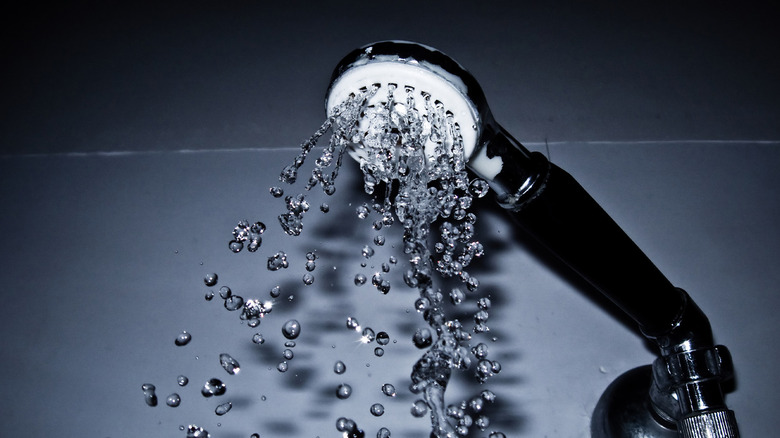
Low water flow rate is a symptom of virtually every problem a tankless water heater can have, although some of the problems are more common than others. The aforementioned scale buildup is a common cause, but other smaller common issues can cause poor water flow as well. They include bad water pressure from the city water line, clogged aerators, and a clogged inlet filter in the tankless water heater itself. Your water heater may also be struggling to keep up with demand if it's too small.
Diagnosing this issue can be particularly frustrating because there are so many places to check. You'll want to start with your sink aerators and shower head since they can also build up with minerals and scale. Cleaning those is fairly simple, and only takes a few minutes and some white vinegar. If that doesn't work, you'll want to check the inlet filter on your tankless water heater, which can build up with crud over time as well.
If none of that works, it's likely an internal mechanism problem, such as a faulty water valve, old or damaged plumbing lines, or issues with the heater's pressure regulator. These are complex problems that you probably need a professional to fix. This isn't specific to tankless water heaters either, as regular water heaters can have these same problems.
The cold-water sandwich
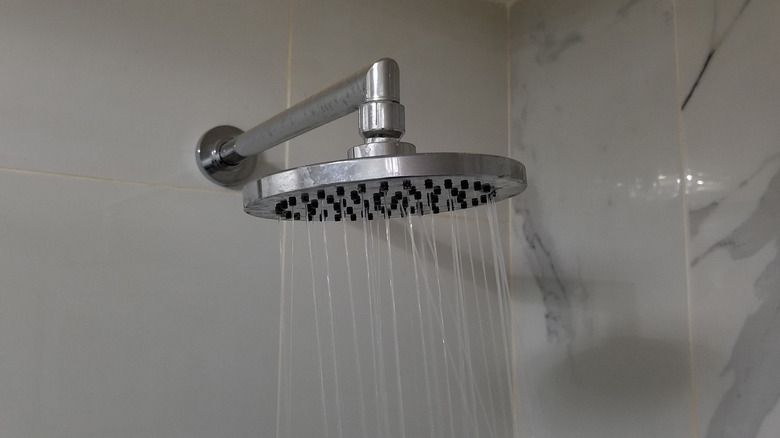
The cold-water sandwich is a colloquialism for a common phenomenon with tankless water heaters. That happens is that you'll start your water, it gets hot, and then it gets ice cold again for a few seconds, before warming back up. It's a minor, but often obnoxious problem that people complain about, and the fix is equally obnoxious. In short, it can't really be fixed without installing another thing to stop it from happening.
Cold-water sandwiches occur when you use hot water for a period of time and it fills the pipes up with hot water. When you call for hot water the next time, tankless water systems lag, taking around 3-5 seconds to start heating water. In that time, cold water is pushed through. Thus, the cold water pocket travels up the pipe with the warm water in front of it and more warm water behind it. When it hits your shower head, you get a bit of a shock as you get cold water.
Thus, this isn't really a problem and more of a consequence of the technology, like turbo lag on a turbocharged four-cylinder engine. Modern tankless water heaters minimize the effect by implementing internal recirculation pumps, but ultimately it's just a minor flaw in how the technology works. The only way to fix it is to get a water heater with a recirculation pump or to install a buffer tank.
Error codes
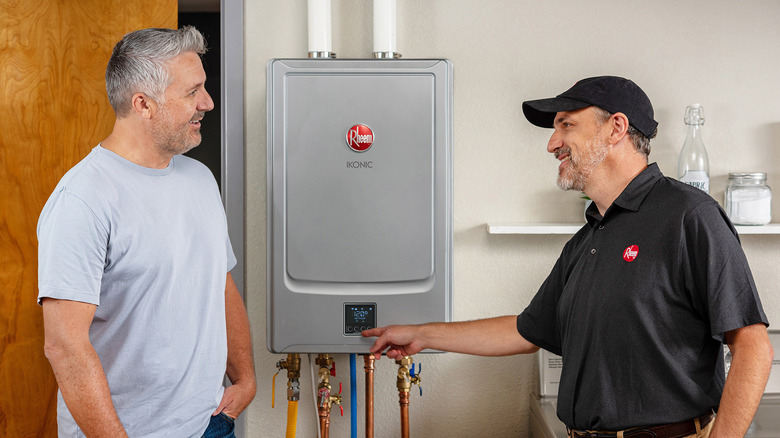
Most tankless water heater problems have external symptoms that can help you diagnose and eventually solve underlying issues without a ton of work. However, very nearly all of them also come with a display. This display is typically used to set the temperature, but it's also useful for showing error codes. These error codes can help you bypass the guesswork by literally telling you what the problem is.
We've discussed ignition issues, flame issues, and vent issues already. These are the most common error codes you'll probably find. However, every tankless water heater comes with a code list that you can use to diagnose other problems that may arise. This can include everything from power interruptions to overheating water, and of course all the various solenoids and sensors that could potentially go bad. Some even have codes for scale buildup on the heat exchanger if it gets bad enough.
It is a good idea to look up your tankless water heater model on Google and find the code list for it. It'll help you diagnose the problem immediately if your heater starts throwing codes and you'll know when it's time to call a plumber in to help you fix them. If your tank is broken enough to throw a code, chances are that there's a real problem that may be difficult for inexperienced DIYers to solve on their own, so there's no shame in asking for help.