

5 Signs It's Time To Replace Your Water Heater
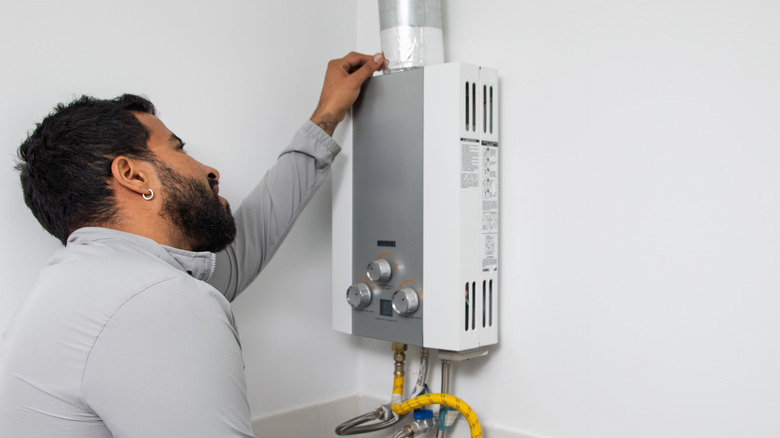
Leaks, rusty water, and frequent heating problems are some of the signs that it may be time to replace your water heater. The appliance doesn't always stop working all at once, and it's common for warning signs to appear first, from reduced water flow to noises you hadn't heard before. So, when that starts happening, it's worth investigating whether it's time for a change.
You also need to consider your water heater's age, since it won't last forever. That lifespan can vary considerably depending on the type of equipment you have, the care it's received, and the water quality. Even two similar appliances that have seen the same amount of use can differ greatly in condition, which makes it important to evaluate each one individually.
Not every problem calls for a replacement, either. Some issues are repairable, especially a leaking connection or a single faulty component. That's why it's important to know the signs of a failing water heater so you can identify these problems and decide if you need to replace it.
There's water pooling around the tank
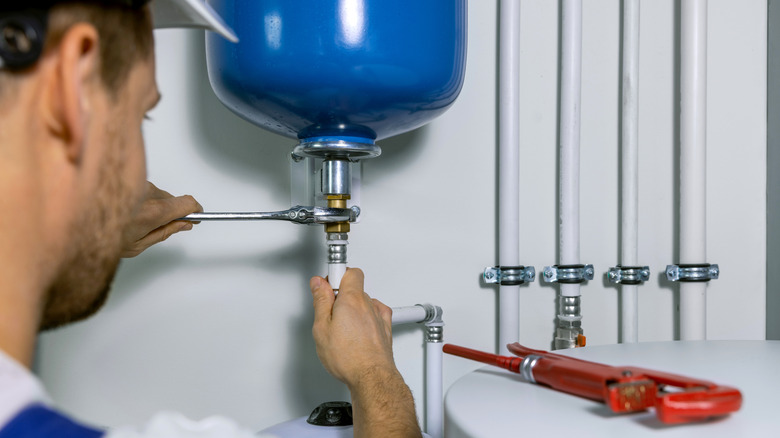
If you notice water leaking from the tank, it's probably time to replace your water heater. That's especially true because corrosion can eat away at the metal until holes or cracks develop and let water out. In those cases, swapping out an external part won't do much to fix the damage, since the leak comes from the tank's structure. Regular water heater maintenance, including anode rod inspections, helps prevent this wear, but it can't restore the metal once holes have formed.
Before writing off your water heater because of a leak, you also need to confirm where the water is coming from. Loose connections and faulty drain valves can cause problems that are still repairable, while condensation can look like a leak as well. Water coming from the relief valve requires checking for excessive pressure or temperature, so a puddle around the base deserves professional attention, since it shows that water has collected there but doesn't prove the tank has a hole.
Rusty water is coming from the hot tap
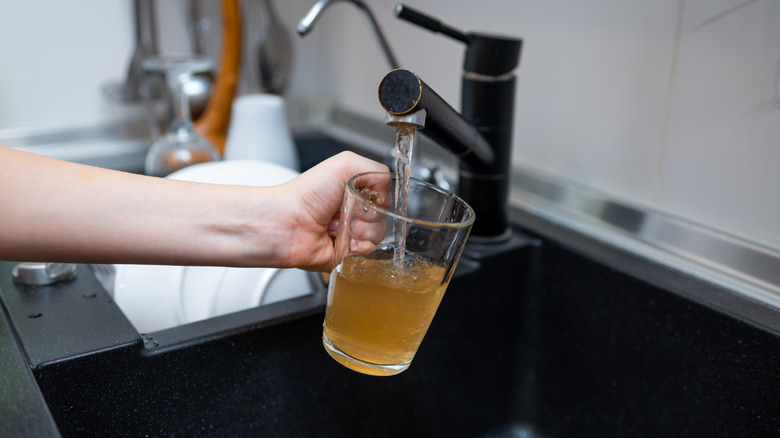
Another sign that you may need to replace your heater is hot water that looks brown, yellowish, or rusty, especially if the cold water remains clear. That can let you know that there might be a problem with the heater, but the color change alone doesn't confirm corrosion inside the tank, since iron-related bacteria can also cause changes.If you have a tank model, the anode rod wears down to help protect the tank from corrosion, but that protection decreases as the component gets consumed. Part of maintenance is therefore checking when to replace the anode rod according to the manufacturer's recommendations. Replacing this rod can extend the appliance's life if the tank remains intact.
If the water stays rusty even after you've drained some water from the tank to remove sediment, internal corrosion becomes more likely. Before reaching that conclusion, though, check the appliance's connections, since corroded fittings can also affect the water's color, and replacing them usually solves the problem in those cases.
The tank is popping, rumbling, or banging
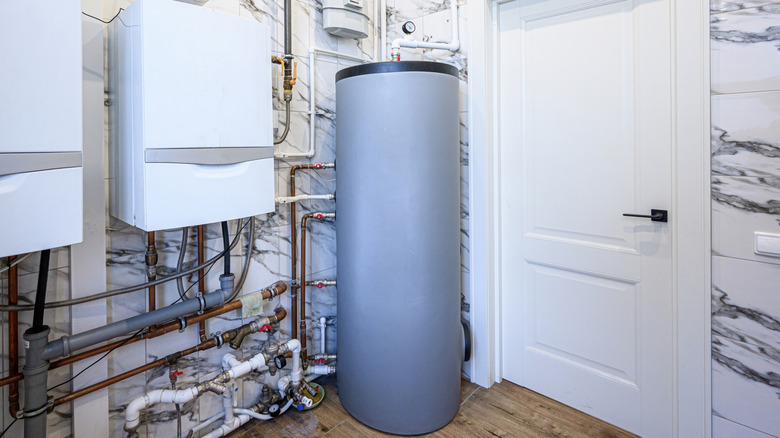
Tank water heaters should be quiet, so it's important to pay attention if you start hearing popping, rumbling, or banging that wasn't there before. A build-up of sediment in the bottom of the tank is often the problem, because some of the minerals in the water will eventually settle and form a hard layer. The water underneath that hard layer is trapped and makes popping sounds when it heats up.
Before replacing the heater, it's important to clean the tank. Depending on the condition of the accumulated sediment, this maintenance usually resolves the noise problem if the buildup hasn't progressed too far. The same procedure can also get a slow water heater working better, since sediment interferes with heat transfer.
On the other hand, if the noises continue even after cleaning, especially in an older tank, it may really be time to replace it. That could mean the appliance is deteriorating, and it's better to plan the replacement early than to get caught off guard by a leak or a lack of hot water.
The water doesn't get as hot as it used to
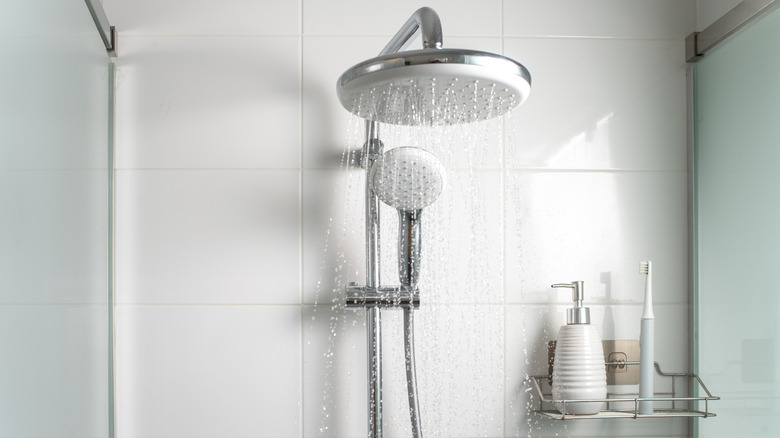
Another sign that it's time to consider replacing your heater is when hot water starts running out faster than usual or takes longer and longer to heat up. One place you may notice this is in the shower, which lets you know that your heater could be losing capacity. In electric tank models, mineral buildup, which is common in hard-water areas, reduces the appliance's efficiency, so it delivers less hot water even while working harder.
It's also worth checking whether your household's hot water demand has changed. If you have more people taking showers or running the dishwasher at the same time, this can create more demand and empty the tank faster. If that's the case, you should consider choosing a higher-capacity replacement for your heater.
However, if the demand at your household hasn't changed, you should rule out some other possibilities as well before replacing it. If your heater is electric, a faulty thermostat or burned-out heating element can affect the water temperature, and you can replace both parts. That's why it's worth calling a technician to test these components. If the problem returns soon after the repair, though, or the heater already has many years of use, replacing it with a new one makes way more sense than paying for repairs that don't improve much.
Repairs become frequent and expensive
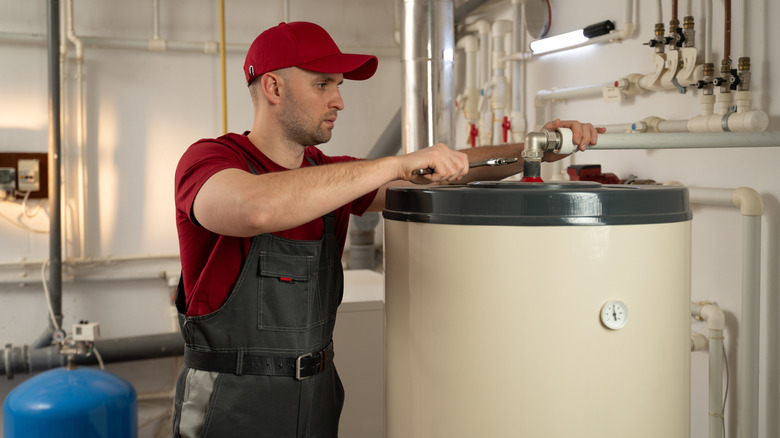
Repairs to your water heating system aren't unusual, but if they become frequent and start putting a dent in your budget, it's worth considering a replacement once and for all. Replacing an individual part can make sense, but when a heater starts breaking down repeatedly, the technician may need to make several visits in a short period, especially with an older system. Some manufacturers, such as Rheem, offer guidance on this, particularly that replacement makes more sense if a repair costs more than half the price of a new water heater.
You'll also want to consider your water heater's age. According to the U.S. Department of Energy, tank water heaters last between 10 and 15 years, while tankless models can last more than 20 years. So, if your appliance is approaching that limit and breaks down often, it's worth looking into the cost of a new electric water heater for your home sooner rather than later.