

5 Drawbacks Of Using Solar-Powered Generators
We may receive a commission on purchases made from links.
A solar-powered generator can be a good investment, especially if you want to keep some devices working during a blackout or charge your phone while camping. These systems are capable of storing energy in a battery that you can recharge with solar panels, giving you a way to power appliances without keeping gasoline on hand.
There are also other conveniences, since if you store energy, it's possible to use it even without the sun. However, powering your home with a battery generator also depends on its storage capacity and the consumption of the appliances connected to the system. A station capable of powering a particular appliance won't necessarily keep it working until the next morning.
Although solar energy has many advantages, there are some disadvantages that come with using these generators as well. If you plan on using one at home, be prepared for those drawbacks. Putting panels in your backyard won't always be enough to keep the power flowing, and you'll also need to consider cost and wear.
Solar charging depends on weather conditions
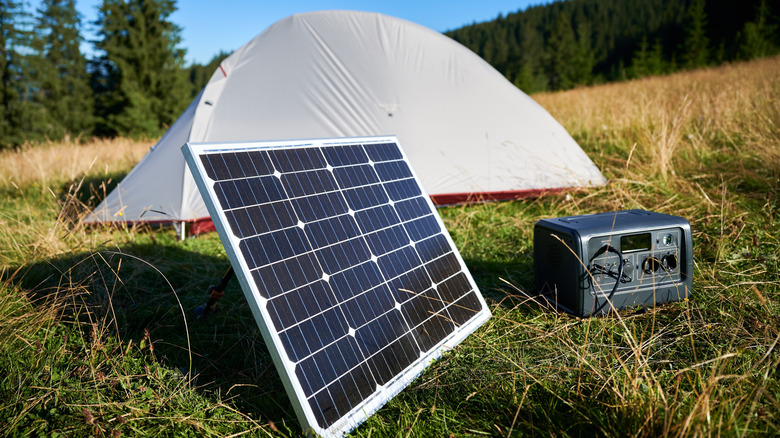
One of the biggest disadvantages of solar energy is that it needs the sun to work well. So, people who depend on a solar generator can run into problems when the weather turns bad, especially if a storm causes a blackout. You might have enough energy to keep some appliances running but find it difficult to recharge the battery over the following days. This doesn't mean you always need a completely clear sky for your solar generators to work. Solar panels also work on cloudy days, but the smaller amount of available energy affects electricity production too, making it take longer to recharge. Shade from trees can also interfere.
At night, the setup is still dependent on the energy it can store. Many models also allow you to charge the battery from an outlet or car, but these alternatives require an alternate energy source to be available. If someone is hoping to make it through a power outage with just the panels, several days of little sun can be an issue for keeping several appliances connected.
Battery limits how long appliances can run

One of the biggest benefits of a solar generator is using it with electronics during a blackout, but keeping several working at the same time under these conditions requires a lot of stored energy. Hence, looking only at the power output advertised by the manufacturer may give you the wrong impression of what the equipment can deliver. Your generator might have enough power to run a heater, but still not have enough stored energy to heat up the room as much as you wanted.
For example, the EcoFlow DELTA 3 Plus features a 1,024 Wh battery and a continuous output of 1,800 W. In theory, the generator can run an appliance consuming 1,000 W for about one hour, without recharging. However, losses because of the conversion of energy and the station's own power consumption will reduce this time.
That's why it's important to know the difference between watts and watt-hours, which mean very different things, and to look at both power output and battery capacity. Also, think about which appliances you plan to use together and for how long. Depending on the setup, you may need to leave the higher-consumption appliances off to keep the most important ones on.
The initial investment can be high
Depending on what you plan to power in your home, the initial investment in a solar generator can be a problem. That's because the cost can vary considerably depending on your needs, since someone who only wants to keep a few lights on or charge a phone during a blackout can get a cheaper generator than someone who wants to keep several household appliances running. Some listings also include only the battery station, without solar panels in that initial package. Sometimes, cables and adapters also need to be purchased separately.
If you need more runtime, adding compatible batteries can increase your investment considerably, and the same goes for buying more panels to try to reduce charging time. A Bluetti Elite 200 V2 with a 200W solar panel has a list price of $1,399 on Amazon. It's possible to buy something basic, like the Bluetti Elite 30 V2 with a 100W solar panel for $449 on Amazon, but if you want to expand later, that also means paying more. So, solar charging may reduce your spending on fuel or electricity, but whether those savings offset the initial investment depends on how often you use it.
Weight can make transportation difficult
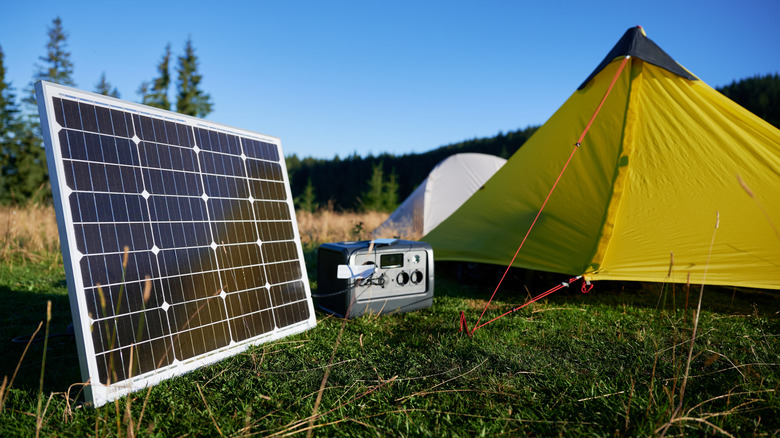
A solar generator's description might call it portable, but that doesn't mean you'll be able to carry it from one place to another easily. If you plan to buy one for camping, for example, you need to consider the entire distance you'll have to cover from where the car is parked to your tent. If the distance is short, it's a simple task, but taking it along trails or up stairs isn't quite so easy.
One limitation we found in our test of the Anker 757 PowerHouse is that it weighs nearly 45 pounds. And that's just the station itself. If you've got spare batteries and solar panels, plus other travel stuff, you've got to plan how to carry those too. If you're thinking of taking it camping, that could be an issue, especially if your campsite is a long walk in.
You could also find it difficult to move these generators around inside your home. If you intend to use one in one place and then move it somewhere else, the weight could make it less practical. That's why it's worth considering models with handles and wheels to make moving them easier.
Battery loses capacity with time
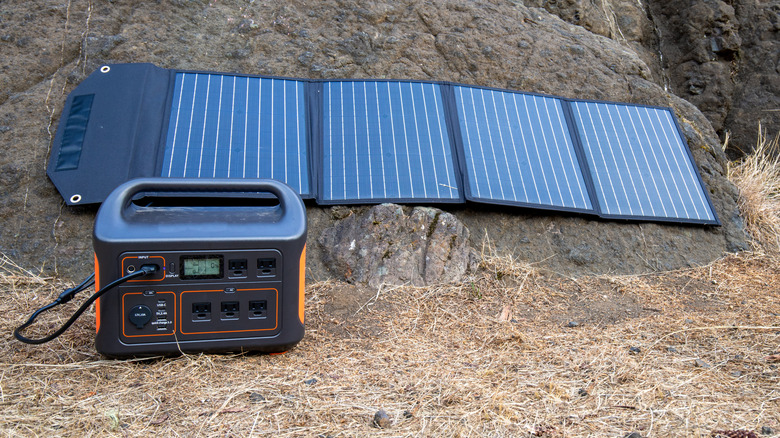
Just like in most battery-powered electronics, a solar generator's battery can start losing capacity as it gets older. The equipment might keep working just fine after this time, but the battery might not keep your electronics going for as long. EcoFlow, for example, says the Delta 3 Plus retains at least 80% of its capacity after 4,000 cycles. That's the kind of wear and tear that you can expect from any device, regardless of how well you take care of it.
Even if capacity loss might happen in any battery, there are still some ways to extend its life. For example, it's important to avoid leaving the equipment discharged for too long or in a very hot environment, since both can harm the battery. Even if you only use your generator for occasional blackouts, it's important to keep an eye on it and take these precautions during the months it sits unused to help slow that loss of capacity.