

Your Car Knows More About You Than You Think: 7 Things It's Probably Tracking Right Now
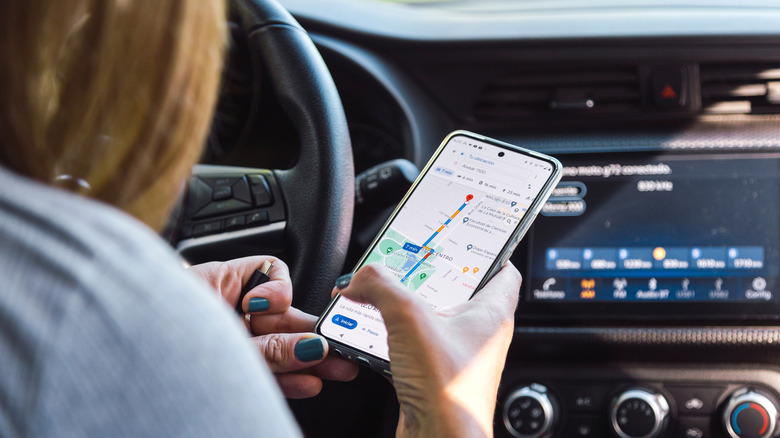
Your car doesn't have to be a "smart car" to know a thing or two about you. These days, modern cars are basically computers on wheels, and they keep track of more than just your gas mileage. Many mechanical components have now been replaced by computerized ones, which allow your car to track more data about how the car operates and, ultimately, learn about your driving habits.
Different makes and models may collect different types of data, but they might also handle that data in different ways. There's a difference between collecting information and sharing it. Collecting refers to gathering and storing information for personal use, like how your car might tell you how many miles you have to go until your gas tank is empty. No one but the driver needs this information. Sharing is a bit stickier. In some cases, some of this data might be shared with third parties, like insurance companies and credit agencies. In fact, General Motors came under fire from the FTC when it sold driver behavior data without permission. The only way to know for sure is to look into your specific car and the automaker's privacy policy. Let's go over some of the common pieces of trackable data.
Average driving speed
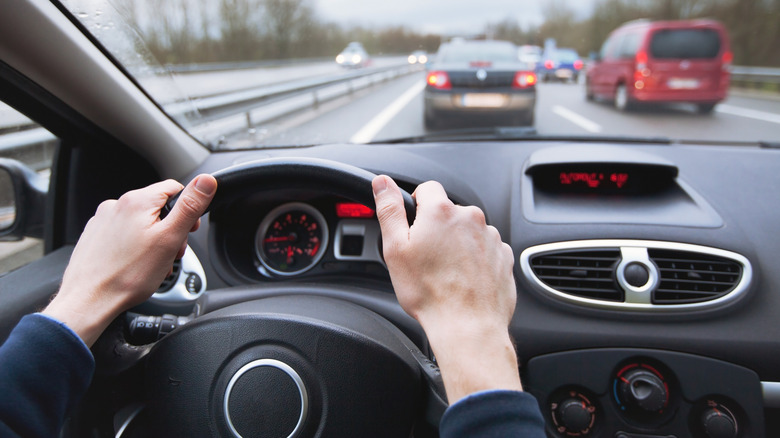
My new Honda Pilot had a bevy of upgrades compared to my 2016 model, notably in the dashboard area. One of the things I noticed immediately was the range of data I could view directly from the driver's seat. Using a scrollbar on the steering wheel, I could flip through screens showing how many seats are currently using seatbelts, driver awareness scores, and average driving speed. Honda's privacy policy discloses that driver behavior information, including driving speed, is one of the types of data the company collects.
This data tracking isn't unique to Honda. For instance, Ford's privacy policy also mentions speed under the "driving data" category. The company cites the ability to deliver connected services as one of the reasons it tracks this type of data. If you're curious to know if your vehicle is keeping tabs on speed, you might be able to find it in one of your dashboard menus (like I did) or in the car's operating manual. The privacy policies I read are not vehicle-specific, so you might need to do some extra digging.
Navigation routes
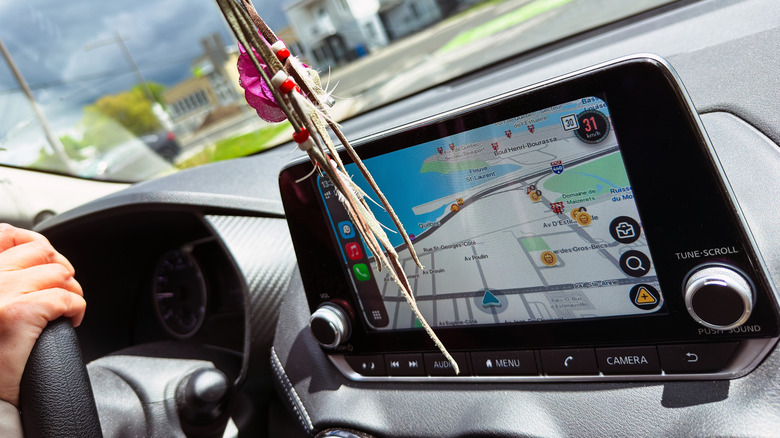
It used to be a big deal for cars to have built-in navigation systems, especially in the days of printed turn-by-turn directions. These days, having something like Apple CarPlay or Android Auto is pretty much a given. You might not expect your car to remember everywhere you travel, but this is the case for many newer cars. For example, Ford mentions that its vehicles track location data if your car uses connected services or has factory-installed connectivity technology. Honda also says it collects trip start and end locations. Many cars have GPS technology that can pinpoint a location via satellite, even if you're not using those same systems to plan a route.
There's a caveat here. Many cars include third-party connectivity apps that you can use within the vehicle, such as Google Maps in Apple CarPlay. Honda's privacy policy specifically mentions that using these services calls those companies' privacy policies into play. So, for example, using Google Maps on your smartphone while driving means you're sharing your trip information with Google.
Time of day driving patterns

Your car's computer systems build a detailed profile of your daily driving habits, including the time of day you drive the most. This profile comes from a combination of GPS technology, built-in telematics, and other onboard systems that track various parts of your driving. If you're driving your normal morning and evening commute, running errands at lunch, or making an occasional late-night trip, your car will create a timestamp every time you're behind the wheel. Eventually, these records can create recurring driving patterns.
Telematics systems track time of day alongside mileage, location, acceleration, and braking. Along with these, your car might also monitor how long you drive, creating an end-to-end timestamp of each trip. Honda cites "time of travel" in its privacy policy regarding the type of data it collects. Toyota does not specifically call out "time of day" data in its privacy policy, so this one might vary more between automakers. What happens to this data can also vary between car companies; some might share this with third parties, like insurance companies or commercial partners, to customize the services they offer to you.
Acceleration and braking habits
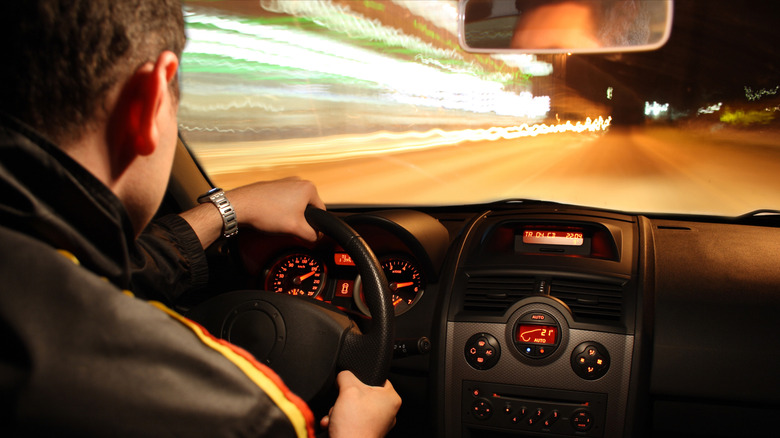
Some cars may track how quickly you accelerate and how hard you brake, often to make sure your vehicle is working properly. Computers and sensors control many parts of your car, and those parts can eventually fail or stop working properly, just like mechanical parts. Tracking this sort of data gives automakers feedback about how your vehicle is working and whether it's doing its job correctly. For example, when you press the brake, you're activating systems like anti-locking brakes and traction control. These systems directly affect how your vehicle handles on the road. This data can help your vehicle to avoid skidding or locking the wheels.
Honda discloses that it tracks acceleration and braking in its privacy policy, but it doesn't specify how it uses this data or why it's tracked. Toyota, Ford, and Tesla also mention these in their data collection policies, with varying degrees of vagueness.
Diagnostic data
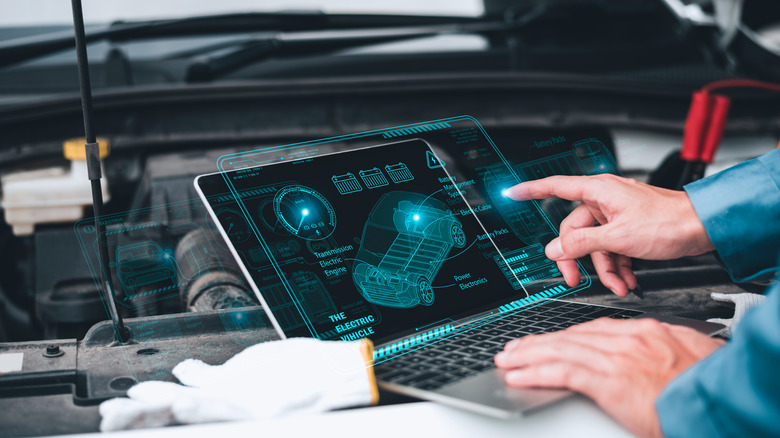
Years ago, when something went wrong with your car, you had to wish and hope it would make the same sound for the mechanic as it did for you. It could take a lot of trial and error (and sometimes hundreds of dollars) to figure out what was wrong. In modern cars, diagnosing issues is a bit easier. Auto techs can look at a car's error codes on its computerized parts and have an informed idea of what to do next. That diagnostic data has to come from somewhere, though.
Naturally, your car keeps tabs on data collected from many sensors (including temperature readings, oxygen sensors, emissions, tire pressure monitoring, fuel injection timing). A few other pieces might surprise you, like odometer readings, maintenance history (and whether you skipped recommended services), and crash detection. These data pieces might not mean much right now, but if you were to ever sell or trade your car, they could be telling about how you cared for the vehicle and its history, provided the buyer can access them.
Usage of specific features
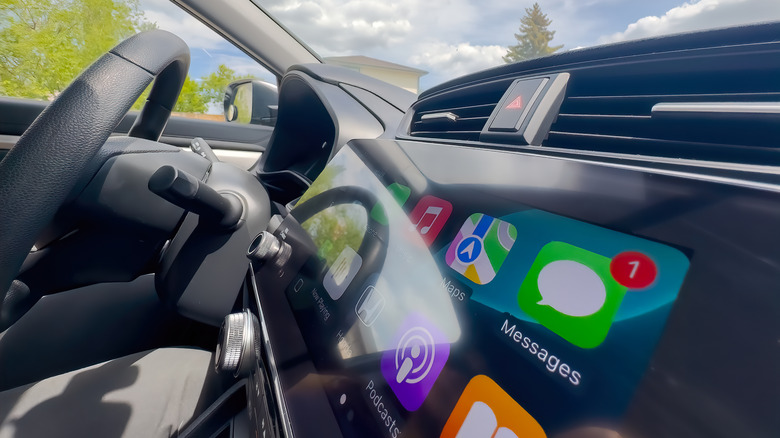
Between things like remote car start and driving cameras and infotainment systems, cars have more features than ever. And your car is probably tracking how you use some of them. For example, Tesla Model 3 has been known to save short video snippets from the car's many cameras. Toyota mentions using data like the vehicle's location and other driving data in relation to its voice commands feature ("Hey Toyota"), which is part of its connected driver services. The automaker cites that this data allows the company to provide its customers with personalized convenience.
Ford's privacy policy is a bit more vague and doesn't directly call out specific features it tracks or how it uses the data. However, Honda is more forthcoming, sharing that it may track Connected Vehicle Technologies and Services such as calls made using the in-car calling system, navigation and audio system settings and usage, any voice commands given through the car's system, and usage of your car's hot spot. It's unclear how any of the automakers are actually using this data and how long they're holding onto it.
Charging data for electric vehicles
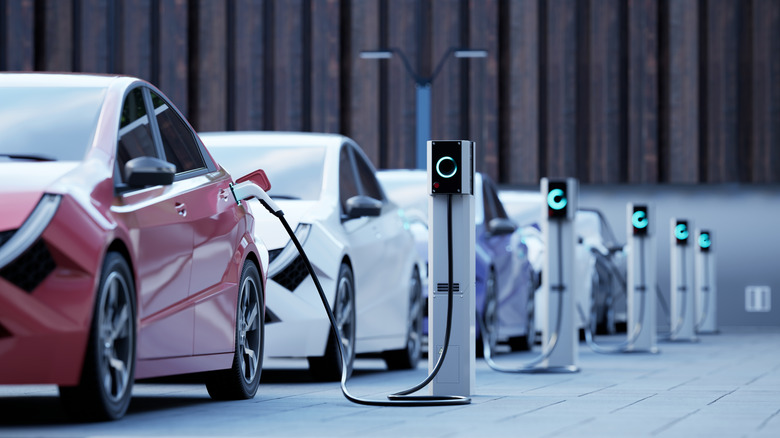
If you have an electric vehicle, it might be holding onto data related to how, when, and where you charge it. For example, Tesla's privacy policy has a section on charging data. It says it collects details about the charging stations you use, how often you're charging your vehicle, the charge rate, and information about your battery's health and performance. The reason Tesla gives is to improve its charging network as a way to provide better service to its customers, such as adding more EV stations in key areas. Also in Tesla's policy is how it collects this data: the company might collect some data remotely or when you go to a Tesla service center for maintenance.
Tracking battery performance doesn't offer much beyond the battery, but tracking the charging stations you're using also reveals information about where you've been traveling, how much you drive, and how long you go in between charges. Tesla doesn't specify whether this type of data is among the pieces that are not associated with specific VINs or accounts. Each car company might handle this type of data differently.
Can you limit the data your car collects about you?
In some cases, you can limit the data your car collects about you. Some car-connected services require you to opt in. Take some time to review the privacy policies for these features and see what types of data they collect and who might have access to it. If you're not comfortable with certain features tracking you, you might be able to opt out.
You won't be able to eliminate all types of data collection, because some are baked into how a car functions. For example, braking data affects how the braking system works. In some cases, you might be able to opt out of whether your automaker shares certain data with third parties, however.
California passed a law in 2020 that allows consumers to opt out of having their data shared or sold. Other states have followed suit. And if opting out entirely isn't an option, you may be able to limit how your automaker uses the data. Since data collection can vary so much between car manufacturers and privacy laws can vary by state, your best option is to explore what's applicable to you based on what you drive and where you live. The worst case scenario is that you're in the same situation as you are now. And the best case: you regain control over some of your privacy while on the road, whether you want to live more privately or just want to make a statement.