

How Much Does It Cost To Replace The Windshield On Cars With Advanced Driver Assist Systems?
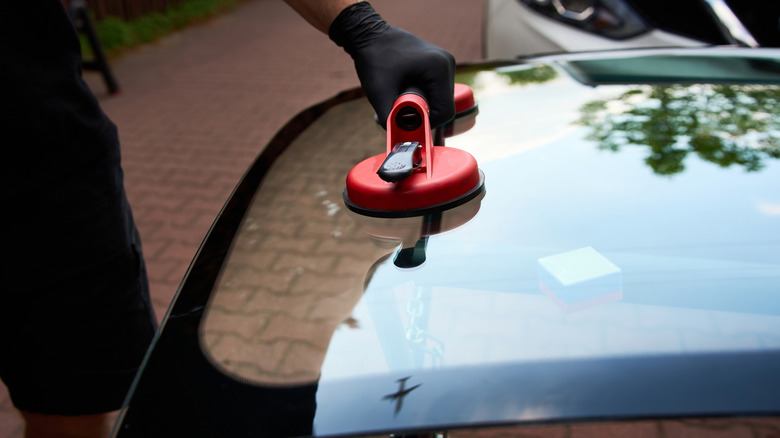
Windshield repairs have mainly been a low-lift maintenance task for years, whether a rock jumps off the road and cracks open a small hole or the entire glass panel needs swapping out. With older vehicles, it might cost between $275 and $600 and takes only a couple of hours to fix — repair teams will even come to your home and do it all in your driveway. At least, that used to be the case before modern vehicles were outfitted with advanced and more complex technologies. Depending on the design, windshield size, and other embedded systems, the cost of repairs and replacements is steadily rising. How much does it actually cost to replace a windshield on cars with Advanced Driver Assist Systems (ADAS)? How does it compare to older formats?
Per Kelley Blue Book's reporting, a vehicle equipped with ADAS, smart technologies, or rain-sensing wipers could come with windshield repair costs starting around $1,000 and ranging upwards. Luxury vehicles or those with heads-up displays could cost over $2,000. Modern windshield repairs are much more expensive, take more time, and require specialized knowledge and skills versus the traditional varietals.
The reason why is that advanced and tech-forward vehicles often come with additional considerations. For example, in a vehicle with ADAS, the systems sensors and cameras will need to be recalibrated after the glass swap. Other elements like a heads-up display might also need to be reconfigured for the new surface and must have special glass. That's before taking into consideration the unique windshield and glass panel designs of more complex vehicles. The sweeping, panoramic windshields that are integral to the Tesla X are a true example of this.
High-tech is introducing rising costs all across the board
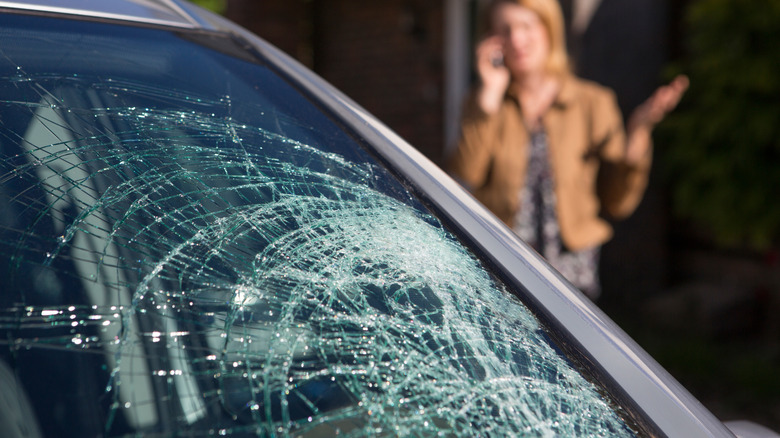
It stands to reason that as a product or system gets more complex, with more technologies and hardware integrated, it would also become more expensive to build and maintain. Modern vehicles have increasingly included new and advanced technologies, many of which are not low-maintenance or repair-friendly in the traditional sense. Mechanics often point to the introduction of these new technologies as the primary reason for ballooning repair costs, and not just on the consumer's side of the equation. It requires specific or proprietary equipment and training.
This can also call for unexpected expenses or repair considerations, which is precisely what happens with windshields in tech-forward vehicles. The largely unexpected costs of ADAS systems is the extra time required, the added expenses, and specialized knowledge necessary to calibrate the affected technologies.
As a quick primer, an ADAS system, collectively, is a grouping of electronic automation hardware and software, embedded inside a vehicle and working together to significantly improve driver and passenger safety. The computing system is fed critical information from the car's cameras and sensors about the vehicle's surroundings, potential hazards, and other operational data – from LiDAR and ultrasonic scans to visual feeds monitored by AI. It then reacts, through direct action such as applying the brakes or indirectly by providing warnings. Pedestrian detection systems, automatic emergency braking, blind spot warnings; these are all examples of an ADAS system in action. Many of the sensors and cameras ADAS relies on need to be calibrated for the current glass to retain accuracy, which means after each replacement or repair they need to be recalibrated for optimal reliability. It also costs more, plain and simple.
What else increases the windshield replacement and repair costs on newer vehicles
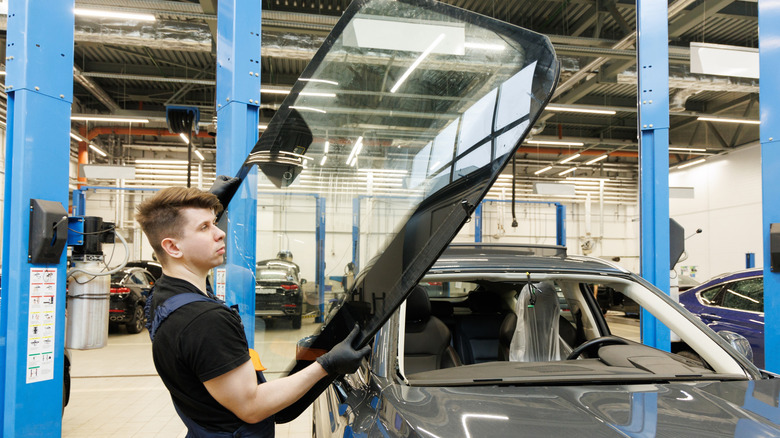
There are other factors in play, as well, which directly contribute to the rising costs of windshield maintenance in newer vehicles. The vehicle size and class alone can also contribute to increased costs, with a bigger windshield in a full-size SUV costing more than, say, a small sports car. The chosen panel also makes a difference, with OEM options usually pricier than aftermarket, and luxury or premium glass versus mainstream options influencing the price tag. If you didn't know already, there are several types of windshields available.
While already mentioned, the overall design and layout can also be a factor, if the vehicle has a specialized or highly-unique setup, that's going to cost more. It will also cost more if the repair needs special equipment, training, or extra knowledge, like a particularly advanced system or specific repair process.
Then, there are factors like response times, with emergency or expedited repairs often costing a little extra, remote repair options — where technicians come to you — warranty coverage and, finally, insurance protection or deductibles. It's rarely discussed, but there may even be a disposal fee for the old windshield. Insurance may cover the cost of a cracked windshield or repairs, but it also depends on your coverage, deductible, and where you live. Of course, all of this is just to say that the final price you might be looking at for repairs on your new vehicle can vary wildly.