

Why Are USB Flash Drives So Expensive Now?
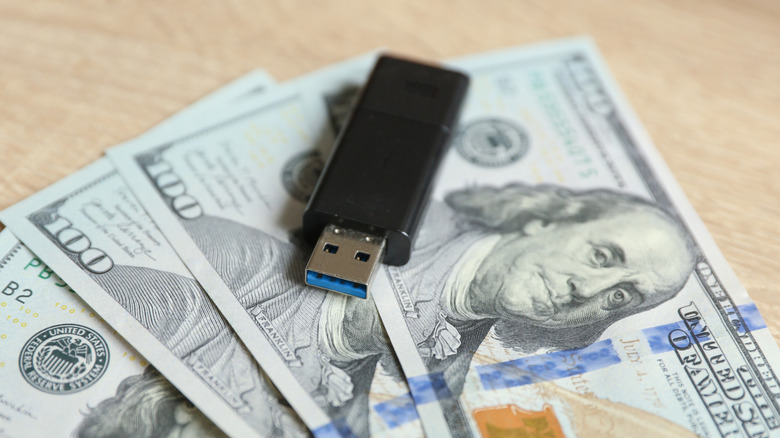
Over the years, tech usually gets cheaper and more powerful. In 1987, an Apple computer with just 40MB of storage cost around $4,000. Today, you can get one with roughly 6,000 times that storage capacity for under $700. But sometimes tech costs go the other way. That's what we're seeing with RAM prices at the moment, which have been going through the roof ever since AI became mainstream. It's not just RAM; non-volatile storage prices have also increased. And that means that USB flash drives currently cost a lot more than they did a few years ago.
Every USB flash drive contains NAND flash, the non-volatile memory that actually stores its files. AI data centers are consuming enormous quantities of storage, much of it in the form of NAND-based SSDs. Competition for components has become intense, and the companies making inexpensive thumb drives are effectively competing for memory supply with some of the world's biggest tech companies.
In May 2025, we published an article about the Oyen Digital Dash Pro 4TB USB drive, which was the thumb drive with the largest capacity at the time. "At $409, it's not cheap", we wrote, but less than 18 months later, the same USB drive costs $969. We also mentioned a lower-priced alternative: the 2TB Buffalo SSD-PUT. When the article was written, it cost $115. Now it'll set you back $254.99. The price hikes are more noticeable at the top end of the USB specs, but there have been notable increases for cheaper USBs too. In March 2025, we mentioned the SanDisk Dual Drive Go in an article about reliable USB-C flash drives; then the 256GB cost $35.49. Now it's $58.
Manufacturers are prioritizing where NAND goes
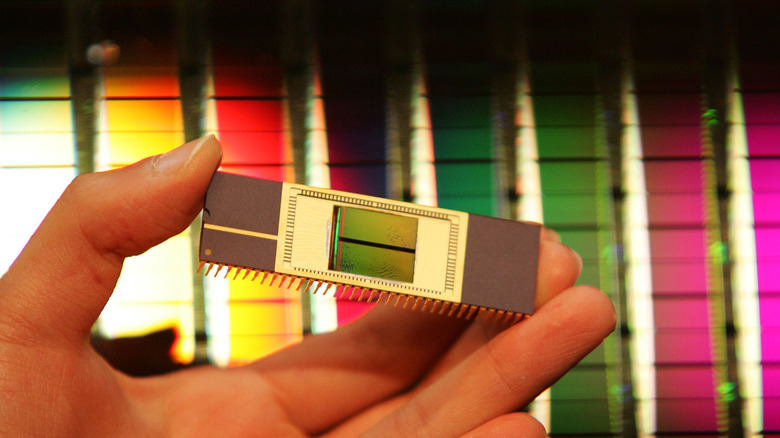
The price of a USB flash drive depends on supply, demand, and manufacturers' priorities. It's not that companies aren't making NAND components; it's just that there's so much demand for it for AI that it's more profitable for NAND manufacturers to sell their chips to AI data centers or put them into high-capacity enterprise SSDs than to use them in cheap USB flash drives. The markup on a 256GB memory stick isn't all that much.
Micron said in June 2026 that industry data-center DRAM and NAND bit shipments were expected to more than double compared with two years earlier. And, according to figures published in August 2026, SanDisk's revenue jumped 51% in a single quarter, with about two-thirds of that growth coming from higher prices. Market researcher TrendForce reported in September 2026 that NAND Flash wafer prices had "reached historical highs".
However, even though demand from AI data centers is high, demand for consumer products with NAND flash hasn't increased. Higher prices mean consumers have actually become more cautious about buying devices like USB flash drives.
USB flash drive prices are unlikely to fall anytime soon
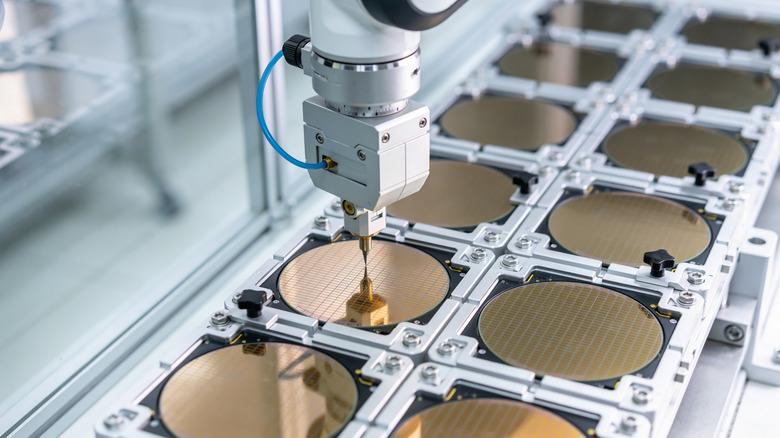
TrendForce expects the pressure to continue, forecasting that overall NAND flash contract prices would rise another 15% to 20% by the end of this year. Major manufacturers are responding to rising demand by investing in new manufacturing plants. SK Hynix has invested $40 billion in building two new semiconductor fabrication facilities — or 'fabs' — in Korea, while Micron has started work on a $24 billion fab in Singapore.
However, this isn't a quick fix, as these new sites aren't going to be shipping any products for several years. And even when that new capacity comes online, it may not mean reasonably-priced USB drives are any easier to get hold of. In press releases, Micron and SK Hynix have both linked their new NAND factories to booming demand from AI and data centers.
For the foreseeable future, anyone shopping for USB storage is facing a market in which the tiny flash drive in their hand is competing for the same underlying memory technology that is powering the global AI boom. And that's going to cost you. If you need to buy a USB flash drive right now, it pays to shop around as prices can vary widely between retailers. Tools like CamelCamelCamel let you check an Amazon product's price history and set alerts for future price reductions. Better yet, have a rummage around in the back of your cupboards and desk drawers to see if you can find thumb drives you forgot about back when we could afford to be cavalier about such things.