

5 Disadvantages Of Using Central Air Conditioning
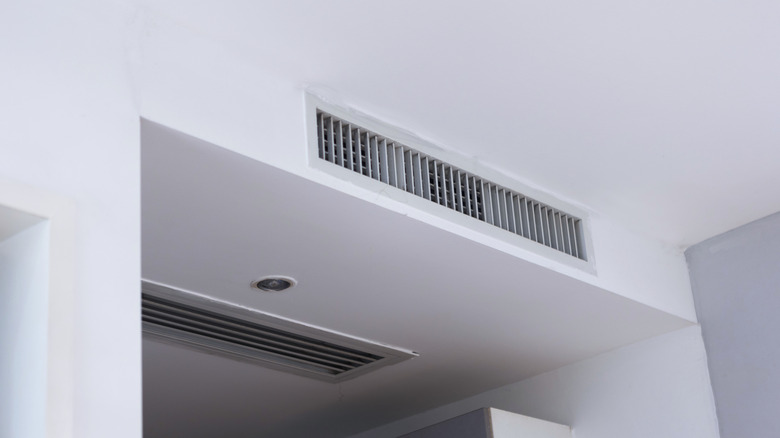
Air conditioning is a vital part of the modern home, helping to stave off the worst effects of the hot season and keep everyone cool and comfortable. Among the different types of air conditioning options, those being standalone, window-mounted units and full central air systems, the latter is generally considered superior in terms of raw cooling power.
As nice as central air is, though, it's not without its drawbacks. In order to attain that superior cooling power, you have to make a pretty sizable investment, undertake an elaborate installation process, and then pay the greater energy costs to have your entire home cooled. That's not even mentioning the need for periodic duct maintenance, which, if left unattended, could result in genuine air quality concerns in your home. If you have the time, money, and patience to put up with central air, it's great, but make sure you have all three before you invest in such an elaborate system.
Expensive, elaborate installation
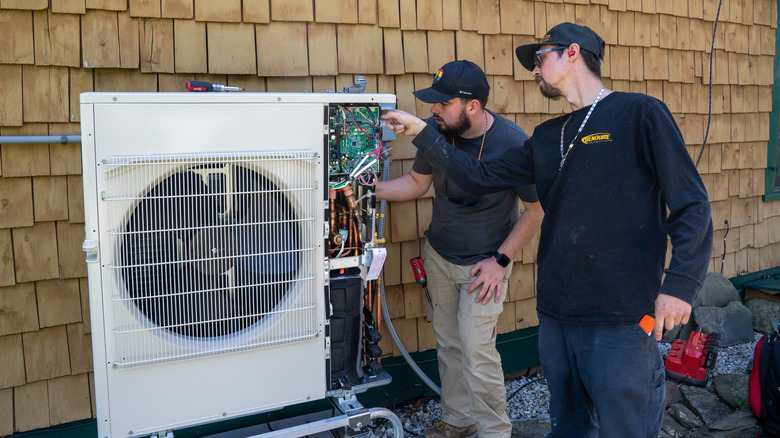
The biggest barrier to central air usage, and the reason not everyone chooses to have it in their home, is that it is, in a word, expensive. As opposed to a standalone unit, which you can just stick in a window and use right away, central air requires a full network of air ducts to be installed all over your home. Naturally, that kind of full-home overhaul is both prohibitively expensive and obnoxiously time-consuming.
The actual cost of a central air system, including a central HVAC unit and the necessary ductwork, not to mention installing, repairing, or replacing any existing ductwork in your home, can vary wildly depending on how big and old the building is, where you live, how much work needs to be performed, and so on. Generally, though, a brand-new central air system will run you thousands of dollars. Even if money's no object, it's still going to be a lengthy period of workers in your home, stomping around, making holes in the walls, and not everyone is comfortable with that.
Higher energy usage

When your central air system is fully installed and powered up, it'll begin circulating cool air throughout your home. When it's hot out, being surrounded by cool air feels wonderful, so much so that you may be tempted to run it on full blast all summer. However, if the initial installation costs didn't put enough of a dent in your wallet, running the system throughout the year will add some fairly hefty energy costs on top.
Compared to a window-mounted unit or mini-split, which provide cool air to a single spot and only draw power from one outlet or a small sector of your grid, a central air system requires far more power to both generate cool air and circulate it throughout your entire home. In fairness, these costs can be mitigated through responsible, intermittent use of the system, only lowering the temperature as necessary for comfort and turning it off when things cool down, as well as using systems like smart thermostats to program temperature thresholds. Even so, there will likely be a tangible effect on your power bill no matter what.
Reduced control
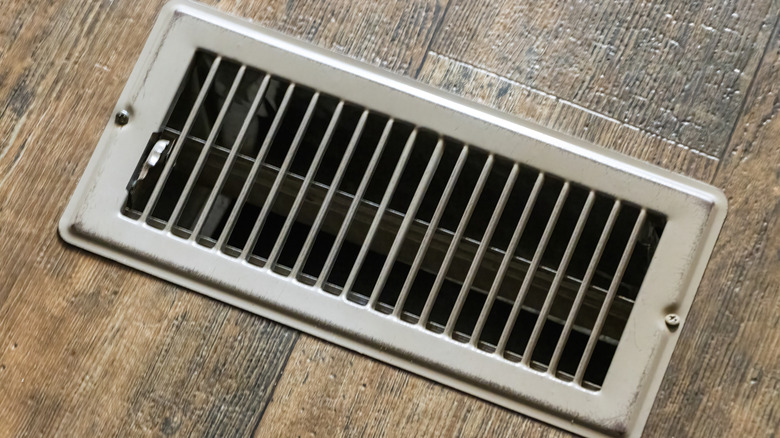
Having individual rooms in your home cooled by separate standing or window units, while not exactly convenient, does give you an increased degree of control over how much cooling is actually happening in your home. If there's no one in a particular room, just turn that unit off, and you save some cash on energy costs, not to mention saving the strain on the system. A basic central air unit does not offer this convenience.
Most central air units send their cool air to the entire house, regardless of where you actually want or need it. It's great for the rooms that actually have people in them, but in every other room, it's just wasted cool air that contributes to the aforementioned power bill increases. There is a way to mitigate this: zoned central air, an upgraded version of a central air system that allows you to direct where the cool air goes throughout the duct network. This would certainly give you that greater degree of control a regular central air system wouldn't, but of course, that means more installation work and costs.
Ducts require consistent maintenance
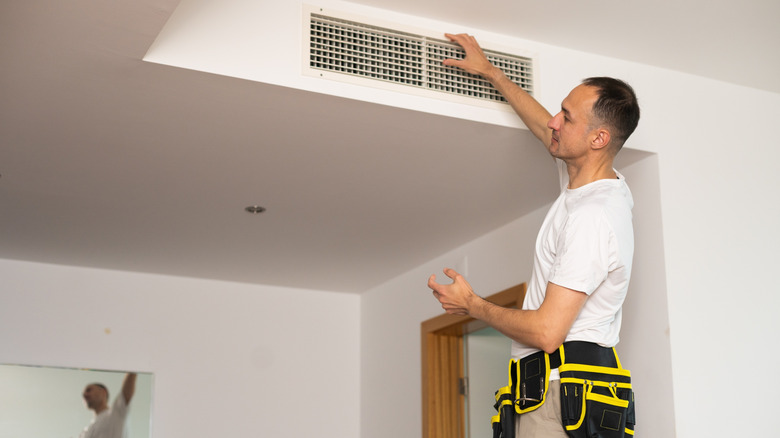
While the average lifespan of the AC unit is important, many overlook that a central air system's air ducts need to be regularly maintained by professionals in order to safely and efficiently circulate cool air throughout your home. Even a small flaw, leak, or overlooked detail can lead to worsening problems over time, which can mean increased costs for repairs and replacements.
Maintenance for a central air system includes, but is not limited to, cleaning and replacing air filters, cleaning the ducts themselves, checking the mechanical efficacy of the central unit, ensuring cooling components like evaporator coils and coolant aren't frozen or leaking, respectively, and much more. If any of these duties are shirked, the system will gradually lose its ability to properly cool and circulate air, creating nothing but a lukewarm trickle that still draws power as if it were running at full strength. Annoyingly, some of these maintenance tasks require the help of a licensed professional, so expect to be paying for your air conditioning yourself; you'll need to keep a licensed professional on retainer, which means paying for your new air conditioning continues long after you have had it installed.
Air quality concerns

For about as long as air conditioning has existed, there have been various myths about the potential impact that its use could have on your health. The good news is that most of these myths are highly exaggerated, and that getting cooling from a central air system isn't especially bad for you. However, that good news is tempered somewhat by an implication that you won't suffer negative effects only as long as the system is used safely and responsibly.
If, for example, the vents and filters of your central air system aren't cleaned properly and consistently, that could lead to some real air quality issues in your home, primarily caused by dust, pollen, and pet dander getting blown all over the place. Additionally, the cold air produced by central air tends to be very dry, which can cause irritation in your respiratory system if it's left to run too hard for too long. Changes in humidity can be especially unpleasant for those with existing respiratory conditions like asthma.