

What's The Average Lifespan Of An AC Unit?
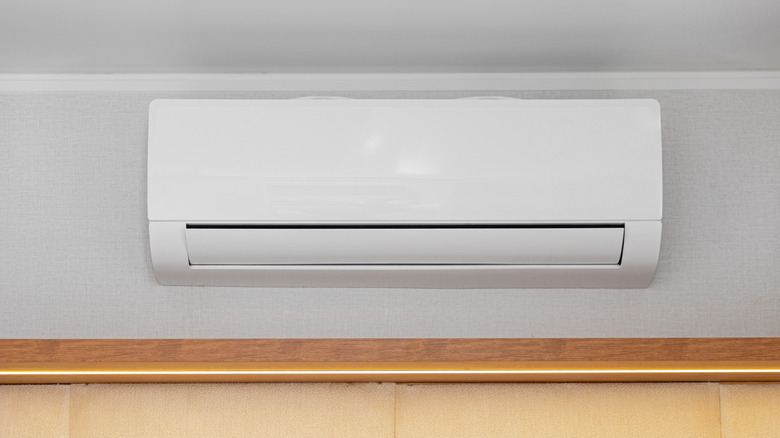
Air conditioning is one of those creature comforts that's great when it works, and can make life a little bit easier. That's especially true during the summer months, as some places in the U.S. can reach extremely high temperatures. But when AC doesn't work, it can be a nightmare. So even if you have one of the most reliable AC brands on the market, you may be wondering when it will fail. The answer depends on what sort of system you have.
Traditional AC window units, which were once the norm in many homes, will typically last around 8 to 10 years. Of course, these units are designed to cool a single room only, so their lifespan can be shorter than larger systems. Portable air conditioners fall into a similar category, and can also last up to about 10 years. The more modern wall-mounted AC units typically last longer, around 10 to 15 years.
But when it comes to surviving the long haul, central air conditioning systems can leave the rest behind. Typically, these HVAC systems run for about 15 to 20 years. Unlike their smaller counterparts, central AC units are designed to cool a much larger area. Because of this, they have to work harder and thus need to be able to stand the test of time. So depending on when you had it installed, your HVAC unit may last for many years to come.
Maintenance can affect your AC unit's lifespan
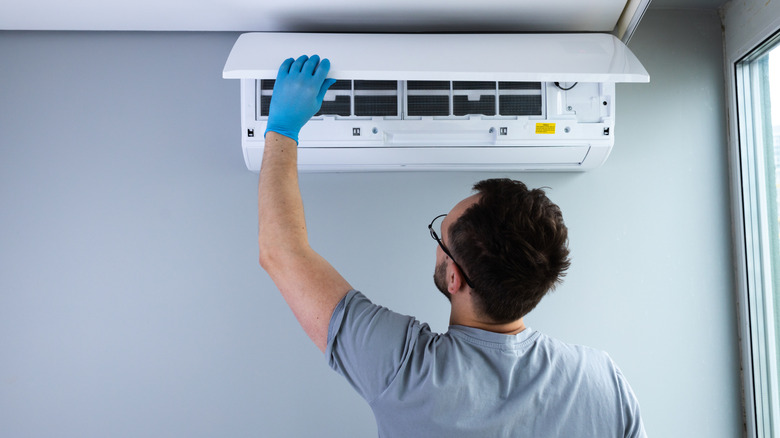
No matter what type of air conditioning unit you have, even it's one of the best major brands, overall lifespan can vary. This is why it's tough to specifically nail down an exact timeframe with complete certainty for any such unit. Routine maintenance can be a major determining factor of course, as regular upkeep can give you the most out of your AC unit. In contrast, a lack of routine maintenance can decrease your unit's overall shelf life.
Some of this maintenance can be easily done, depending on the type of AC unit you have. For example, you should regularly check and replace your system's air filters based on the manufacturer's recommendation. Or, if you have an outdoor unit, you should keep checking on it as well. Be aware of any dirt, leaves, or anything else that can restrict or disrupt airflow. Once you've cleared it all away, you should do a visual inspection for any signs of potential damage. These simple tasks can help keep your air conditioner running, even in a heat wave.
But in some cases, you'll need a bit more help than you can handle on your own. That's why you should schedule regular system checks with a licensed HVAC professional. Certified technicians are equipped to clean vital components, including coils, fans, motors, and drainage systems. Trying to tackle such maintenance yourself, especially if you're dealing with the unit's inner electronics, can result in serious injury.