

What's The Difference Between An Air Conditioner And An HVAC System?

Some readers may have a cursory understanding of HVAC post-pandemic, after these systems were often mentioned in the news during peak COVID. But when it comes to maintaining a home's air quality, heat, and humidity, it's easy to gloss over the specifics. Some might assume that any cold air blasting from a vent is coming from "the AC," and most homeowners simply leave the nitty-gritty technical details to the pros.
But if you're in the midst of a home upgrade — perhaps deciding between a heat pump vs. an air conditioner – or trying to address a recent spike in your utility bill, using these two terms interchangeably can lead to a costly misunderstanding.
So what's the difference? It basically boils down to the scope. An air conditioner is essentially a highly specialized piece of equipment — much like a supercharger bolted to an engine block, it does one job, and does it well. HVAC, on the other hand, stands for Heating, Ventilation, and Air Conditioning and is a broad umbrella term for your home's entire climate system.
It even encompasses heat pumps. While a central air conditioner is technically part of an HVAC system, not every HVAC system is just an air conditioner. Understanding this distinction matters, especially when estimating upfront costs, upgrading to a smart thermostat to lower your energy bill, or deciding whether your home can handle both winter deep freezes and sizzling summer days.
The specialist and the general contractor
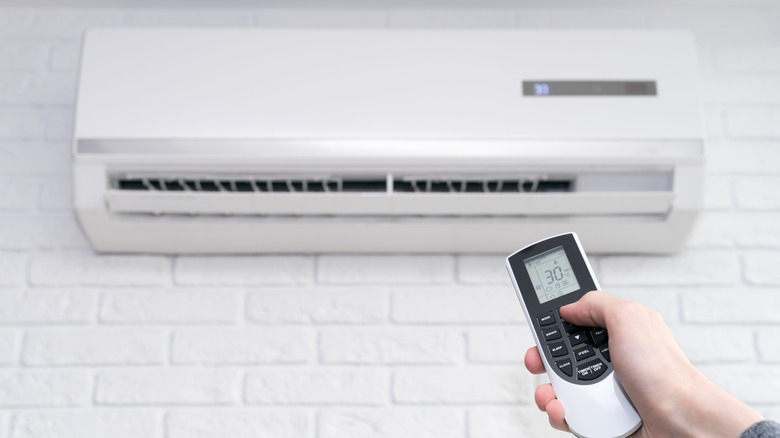
A simple analogy is to think of AC as the specialist, while an HVAC system is the general contractor that does the heavy lifting. Dedicated AC units are for cooling the air only. As they actively remove thermal energy from your living room, they lower humidity using a compressor and a closed-loop coolant. When serviced regularly, whether by yourself or a technician, they can last from 8 to 20 years. But when the mercury drops below freezing and relative humidity is lower, these cooling systems essentially become useless to homeowners.
An HVAC system is the whole package. It provides heating, ventilation, and air conditioning. By integrating a furnace or a bidirectional heat pump with active air exchange, an HVAC system offers total environmental control year-round. This allows homeowners to have fresh air in January without opening windows to the frigid cold.
Naturally, because these setups require a complicated matrix of ductwork, advanced digital thermostats, and dual-purpose machinery, they are significantly more expensive to purchase upfront. While standalone AC units from a big-box store might win on affordability, they still leave you needing a separate heating appliance for colder weather. But by understanding that your air conditioner is meant to work in harmony with your heating and ventilation, you can optimize your smart thermostat schedule, manage filter replacements, and avoid severe, sustained mechanical wear that can lead to pricey repairs.