

Heat Pump Vs. Air Conditioner: Are They The Same Thing?
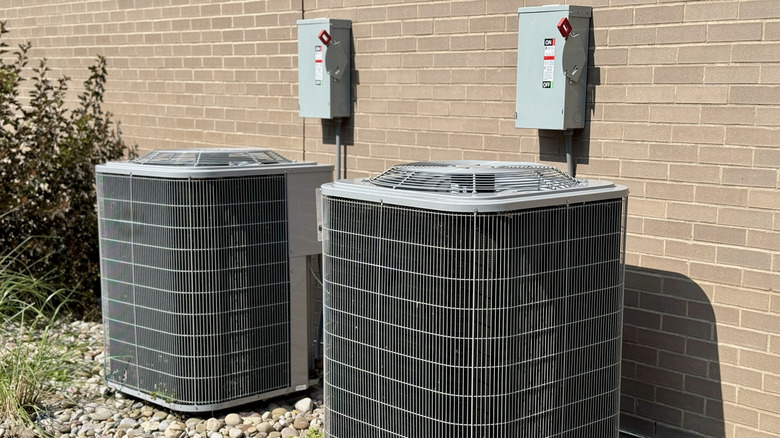
Conventional wisdom can often be helpful, but taking old-school advice may not be wise when it comes to your HVAC system. That's because you should always try to make the right decisions for your setup and not rely on universal advice. Part of that is understanding the differences in one type of system versus the other. For example, heat pumps and air conditioners are closely related because they use similar components and processes, but they aren't quite the same thing.
Heat pumps and air conditioners both use refrigerant and a compressor to transfer heat rather than generate it. This makes each system effective at cooling indoor spaces during hot weather. When a heat pump is operating in cooling mode, it functions like a conventional air conditioner by pulling heat from inside the space and then releasing it outside the home. However, despite this extremely common myth, a heat pump can also effectively warm a home when in heating mode. This is because of a component called a reversing valve, which allows a heat pump to take heat from the outside air and move it indoors.
Meanwhile, a standard air conditioner can only cool a home and doesn't have the ability to do the opposite. Because of this, you would need to rely on a separate heating system in order to warm up your space during cold weather. So while the two systems share similar technology and can both provide cooling, their ability to provide heating is what sets them apart.
A look inside heat pumps and air conditioners
Heat pumps come with limitations, as they typically have a higher cost upfront and may require a well-insulated home in order to reach full efficiency. Different types of air conditioners share some common problems and while they are usually more affordable to install, their need for a separate heating system could mean more upfront cost. Choosing between the two depends on several factors, including climate, home design, budget, and whether heating and cooling are both needed.
Air-source heat pumps are the most common type and transfer heat between a home and the air outdoors. During colder months, these units pull available heat from outside and move it indoors, while in warmer months they do the opposite. Ground-source, or geothermal, pumps exchange heat with the ground or a nearby water source, which helps provide more consistent temperatures year-round. More specialized systems like reverse cycle chillers can also produce heated or cooled water instead of directly cooling the air.
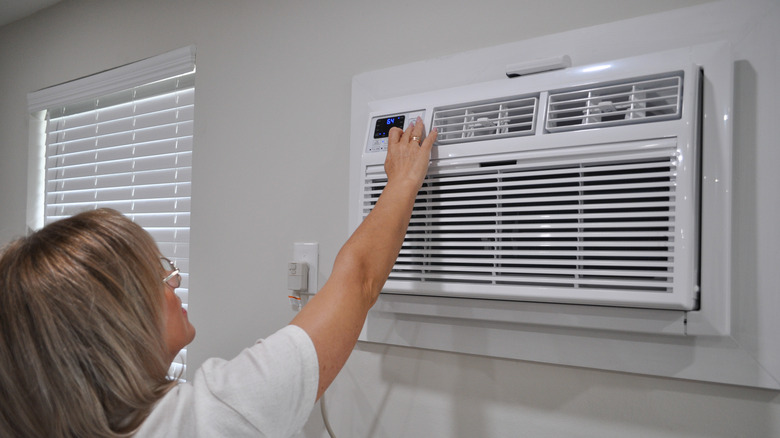
There are several various types of air conditioners, with each kind designed for different needs and home layouts. Central air is the most common and uses a duct system to distribute cool air throughout the space. Window and portable units are best for smaller areas and work without a full HVAC setup. Ductless mini-split systems are an option that work by using both indoor and outdoor components, while wall-mounted, rooftop and variable-speed systems are designed for specific setups.