

5 Of The Most Common Problems With Air Conditioners
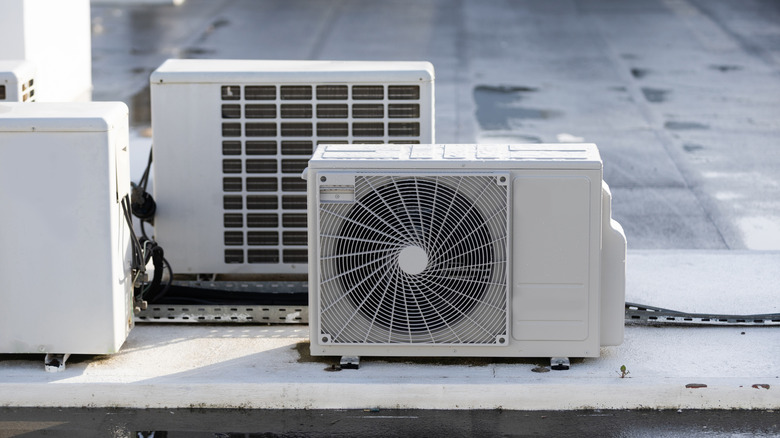
AC units are extremely popular in the U.S. In 2020, the U.S. Energy Information Administration's 2020 Residential Energy Consumption Survey found that 89% of homes across the nation use air conditioning. The relief of a cool home in the summer heat is something that's indispensable to millions. Unfortunately, these systems aren't infallible.
Whether you're on the market for a new unit or you have a trusty old one that's served you well for years, the very last thing you want is for your system to develop issues during the height of summer. While mechanical issues are pretty much inevitable at some point, it is possible to prepare yourself for the worst if you know the most common issues likely to affect your equipment. After all, air conditioners have quite a long average lifespan as long as you take good care of them.
Let's take a look at some of the most common problems that plague air conditioning units; why they're so commonplace and potentially damaging; and exactly what professionals and homeowners can do about them.
Dirty filters
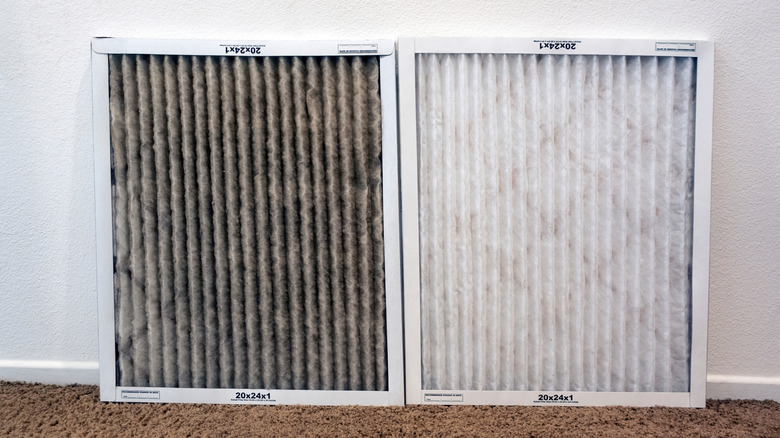
As is true for all types of machines, regular maintenance to your air conditioning system is key to efficiency. In particular, a system that requires a filter will typically need to have those filters serviced and maintained regularly. As an air conditioner's filters become dirty, they can get clogged. This makes the passage of air increasingly difficult and puts undue strain on the components of the machine, increasing the energy it's using.
As the U.S. Department of Energy explains, filter care is a common issue for air conditioners. Because the filter is often located in areas that are a bit difficult to access or don't attract attention, it can be easy to overlook any signs that it's getting worn or requires changing.
Especially during periods of particularly heavy use, monitor the health of your filters and know when it's time to change them. It is also important to make sure your filters are fitted correctly, otherwise you may have air bypass. This is important because AC units aren't just about cooling, but about treating the air that passes through your home. If your filters look dirty or you see detritus trapped in or around them, it's time to clean them.
Inadequate air flow
Routinely switching out your air filters as often as every month or so can help prevent blockages, but the efficiency of air conditioning can be limited by more complex factors, too. Any wear or damage to the duct system can cause the unit to work overtime as it attempts to compensate for the efficiency lost through cool air leaking outside. This can increase the machine's energy consumption as it tries to reach the intended temperature. The additional strain on components might require maintenance, such as potentially expensive duct sealing and/or cleaning — or even replacement.
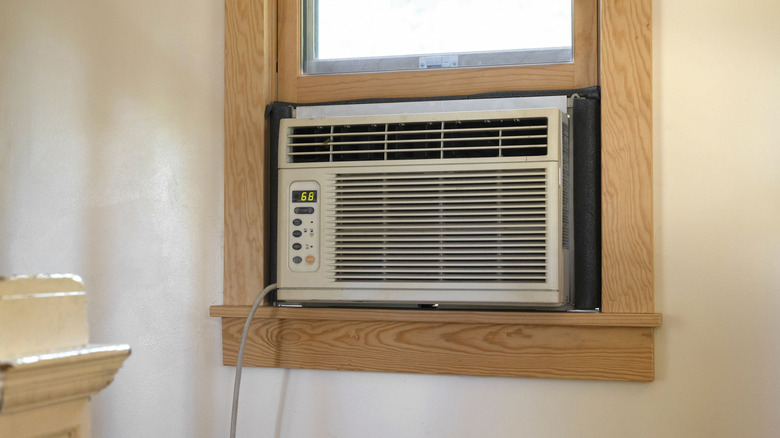
If your machine doesn't have enough refrigerant, perhaps because some is leaking or the coils are dirty, this can also cause it to overwork. This can be a safety hazard as it can cause systems to overheat. As Mr. Electric CEO and owner Nathanael Toms told KY3 News in summer 2025, a model like a window unit is "putting a lot of weight on the electrical," particularly when strained, "and that ends up heating up to a point where you can cause a fire."
Apart from the condition of the machine, a home's layout itself also plays a part in its performance. Rooms with closed doors naturally prevent treated air from flowing through a home as it's intended to. Keeping them open to air it out properly is the key to maintaining a more even temperature throughout. Something as simple as keeping those doors open while your AC is working could have a big impact.
A leak of hot air getting into your home
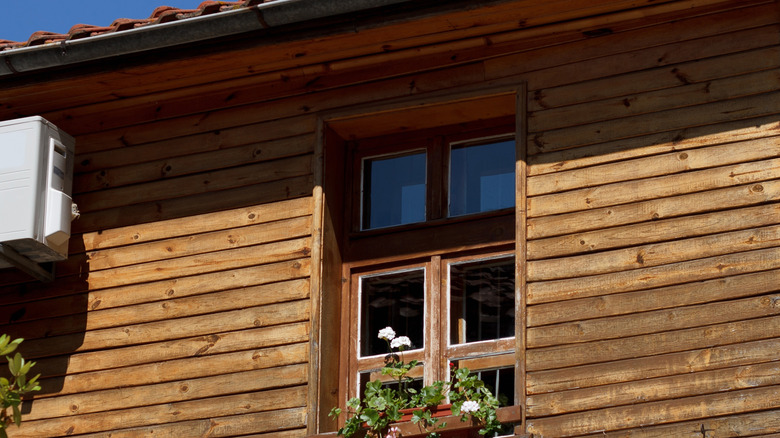
There's a good reason why our refrigerators bleep at us obnoxiously if we leave their doors open: They're supposed to cool the food and drink inside them, not the room at large. To feel the most benefit from AC, keep your windows closed.
Of course, it's not only when your windows are open that pesky warm summer air can sneak in from outside and compromise your cooling. The slightest gap from the seal around a window can also cause the same issue on a smaller scale. Consumer Reports air conditioning expert Chris Regan explains, "most new window units come with insulation panels to place over the plastic adjustable side panels." However, Regan notes that this can be insufficient by itself and recommends adding weather stripping, too. Anything you can do to keep out a draft and keep your windows insulated will help with the efficiency of your system. This can also potentially add up to savings on energy costs if you can reduce the strain.
Window insulation is always an important consideration, regardless of your AC use. After all, even the slightest gap or damage to your windows can allow cold drafts into your home in the winter, as well as hot air in the summer.
Not reaching the desired temperature
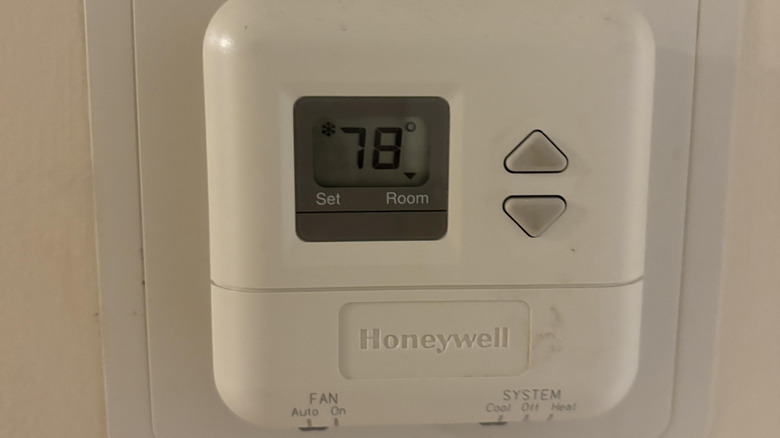
Wherever possible, the thermostat should be kept out of direct sunlight. If it isn't, the system may be unable to get a true temperature reading, and its output won't be correct. It's also important to remember that the power of sunlight itself can potentially damage any AC components that are exposed to it for long periods. This could reduce the system's lifespan over time.
You should take steps to shade parts of your system that are on the interior and exterior of your home alike. AC units are based on efficiency and will work best when they have an accurate picture of the temperature in the room in the first place. Because of this, you should be sure to keep your thermostat away from not only sunlight, but other heat sources in the room that could potentially affect them, like an oven or dryer.
Your device may also switch on and off erratically if the temperature you've set is just slightly out of sync with the temperature in the room. This is why some systems will give you a certain leeway in range, helping to reduce these wasteful little instances. Manually turning your AC on and off every day can also be harmful to it.
Putting a portable air conditioner in the wrong spot
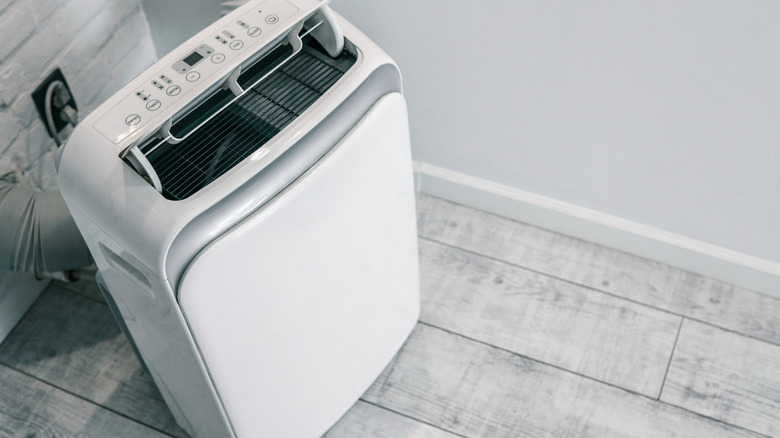
Portable air conditioners can be a very convenient way to beat the heat if you need temporary or targeted cooling. As versatile as they are, though, you should still place them carefully within a room. Poor placement of a mini fridge can reduce its lifespan, and the same is true of smaller AC units.
One critical aspect of this is ensuring that the unit is the appropriate distance from the end of its hose (or hoses in the case of a system with a separate cold and hot outputs). Straightened, they can access that air more efficiently, while any bend will cause the machine to struggle to maintain the temperature desired. If that is the case, it can put extra pressure on internal components.
In another parallel with refrigerators, a portable unit needs ample space in a room. This is not only because they can be quite large, but also because they can't vent air nearly as well if they're too close to walls or other large obstacles in a room. Depending on the type of portable machine you have, a central location in a room away from sunlight is often ideal. A flat surface is also vital, as a slight slant or slope could potentially cause leaks. With all of these factors, inefficiency can make your machine more expensive to operate.